Turbocharger oil feed line clogging / turbo failure
high- Typically appears
- 80–150k mi
- Estimated repair
- $900 – $2,200
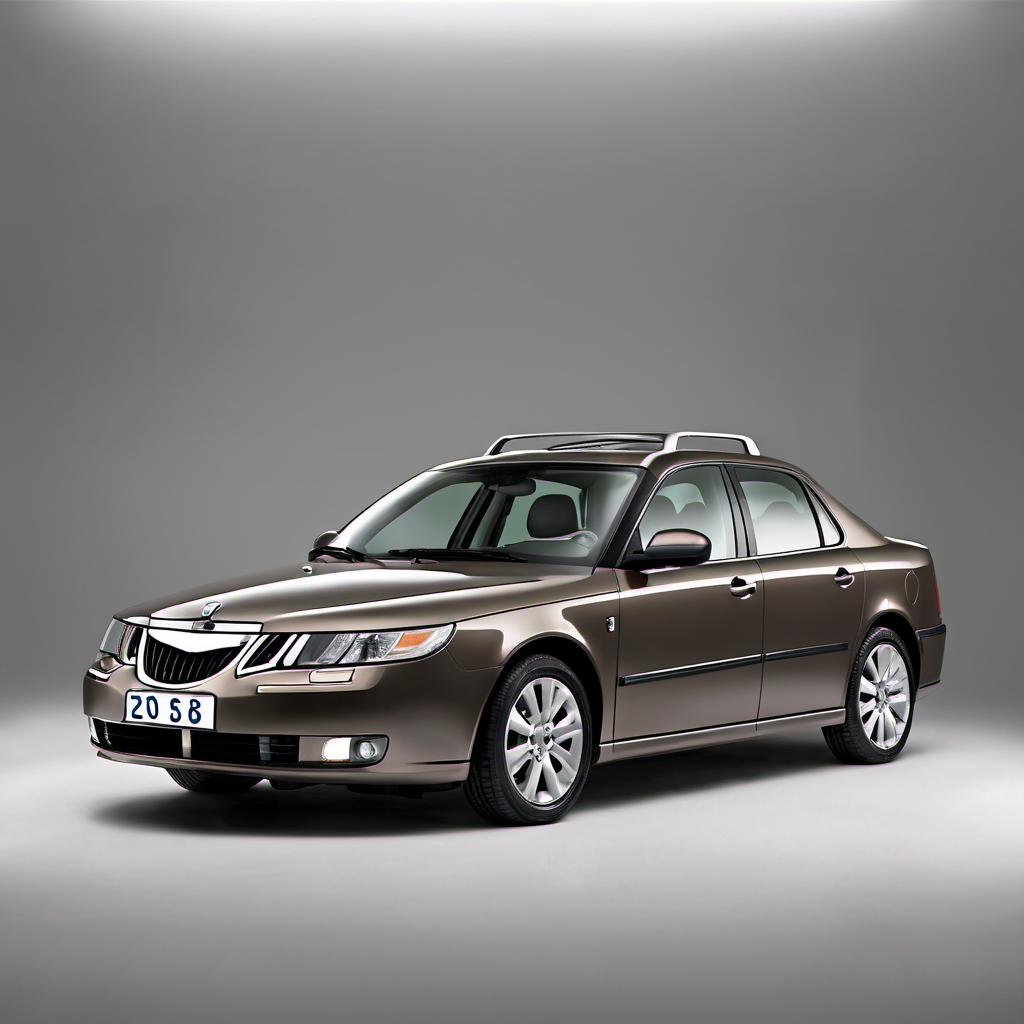
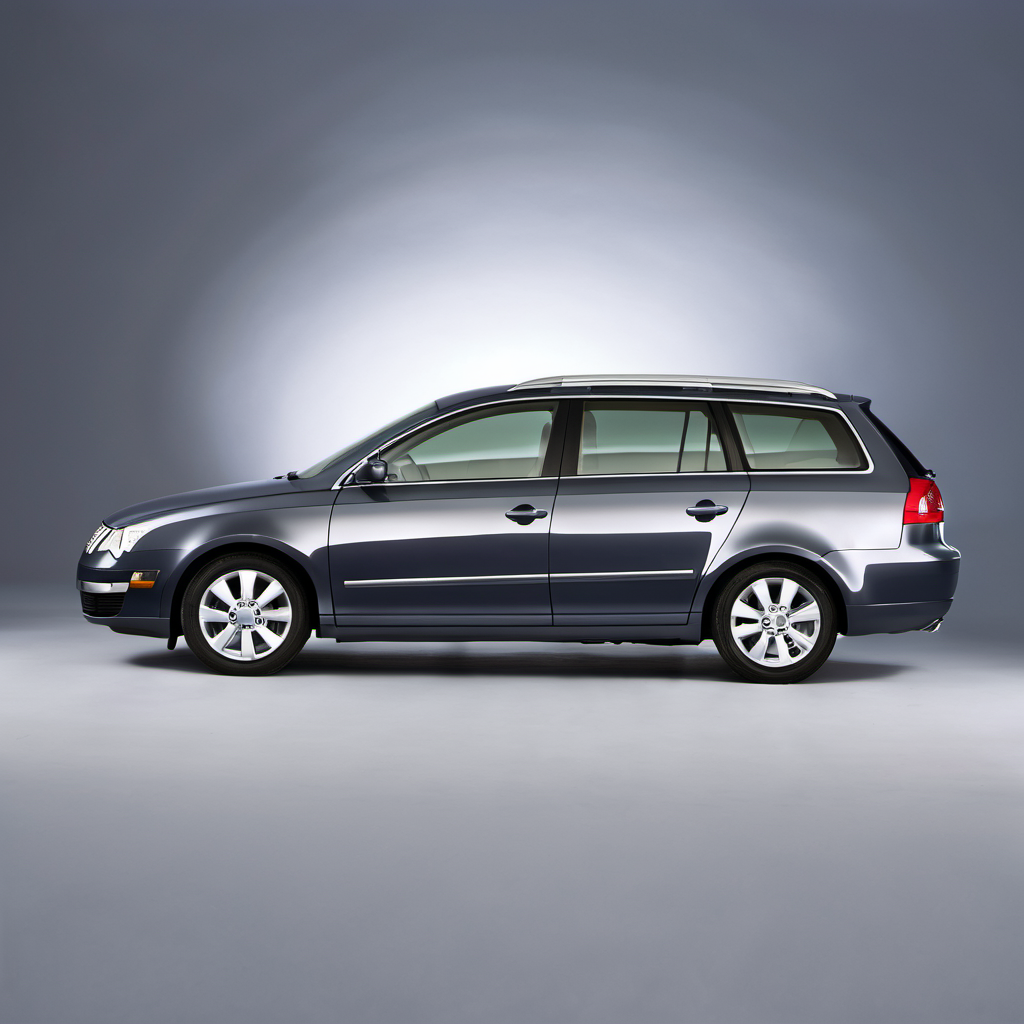
2007 Saab
Sedan
The 2007 Saab 9-5 is a front-wheel-drive European-style mid-size sedan powered by a turbocharged 2.3L four-cylinder engine. It sits at the tail end of the GM-era Saab lineup — the brand was discontinued in 2011 — and carries Saab's long-standing reputation for turbo performance, quirky ergonomics (ignition between the seats), and genuine cold-weather engineering. The chassis dates back to the late 1990s, so by 2007 the platform is mature but aging. On the plus side, these cars are genuinely fun to drive, reasonably quick, and were built with Scandinavian winters in mind — heated seats are standard, and the turbocharged engine actually warms up faster than most naturally aspirated competitors. The problem is parts and expertise: with Saab gone, finding a shop that knows these cars well is harder every year, and some parts are becoming scarce or expensive through specialty suppliers. Buying or keeping a 2007 9-5 is a commitment to a niche ownership experience. Owners who do their homework, source a good independent Saab specialist, and stay on top of oil changes tend to get strong satisfaction. Those who treat it like a generic used sedan often get burned by deferred maintenance on a turbocharged engine that doesn't forgive neglect.
The 2007 Saab 9-5 is a front-wheel-drive European-style mid-size sedan powered by a turbocharged 2.3L four-cylinder engine. It sits at the tail end of the GM-era Saab lineup — the brand was discontinued in 2011 — and carries Saab's long-standing reputation for turbo performance, quirky ergonomics (ignition between the seats), and genuine cold-weather engineering. The chassis dates back to the late 1990s, so by 2007 the platform is mature but aging. On the plus side, these cars are genuinely fun to drive, reasonably quick, and were built with Scandinavian winters in mind — heated seats are standard, and the turbocharged engine actually warms up faster than most naturally aspirated competitors. The problem is parts and expertise: with Saab gone, finding a shop that knows these cars well is harder every year, and some parts are becoming scarce or expensive through specialty suppliers. Buying or keeping a 2007 9-5 is a commitment to a niche ownership experience. Owners who do their homework, source a good independent Saab specialist, and stay on top of oil changes tend to get strong satisfaction. Those who treat it like a generic used sedan often get burned by deferred maintenance on a turbocharged engine that doesn't forgive neglect.
The turbocharger bearing is lubricated by engine oil. Dirty or degraded oil is the single biggest cause of premature turbo failure on the B235 engine. Shorter intervals are cheap insurance.
Shutting down immediately after high-load driving bakes oil in the turbo bearing housing, accelerating wear and clogging the oil feed line.
The B235 turbo engine runs hot. Incorrect heat-range plugs can cause misfires and boost-related detonation. Stick to the factory spec.
Belt failure on this engine leaves you stranded and can cause ancillary damage. Tensioner pulleys are known to wear on higher-mileage examples.
Mixing coolant types causes gel formation that clogs the heater core — a costly repair. Wisconsin winters make a functioning heater non-negotiable.
Brake fluid absorbs moisture over time, lowering boiling point. Wisconsin road salt also accelerates corrosion in brake hydraulics.
Lake Geneva roads are heavily salted. The 9-5's rocker panels and subframe pickup points are known rust spots. Brake line corrosion is a safety issue on any car this age in Wisconsin.
The 9-5's electronics place higher-than-average parasitic loads on the battery. A battery that passes a standard voltage test can still fail a cold-crank test at -10°F. Replace proactively if it's more than 4 years old.
Always defer to the manufacturer's service manual for warranty-mandated intervals.
The 2007 9-5 has a low purchase price relative to its original MSRP, but ongoing costs are above average for a car of this age. Parts are increasingly sourced through specialty Saab suppliers or salvage, which adds cost and lead time. Budget for at least one significant repair per year beyond routine maintenance on a high-mileage example. The turbo and electrical systems are the two biggest financial wildcards.
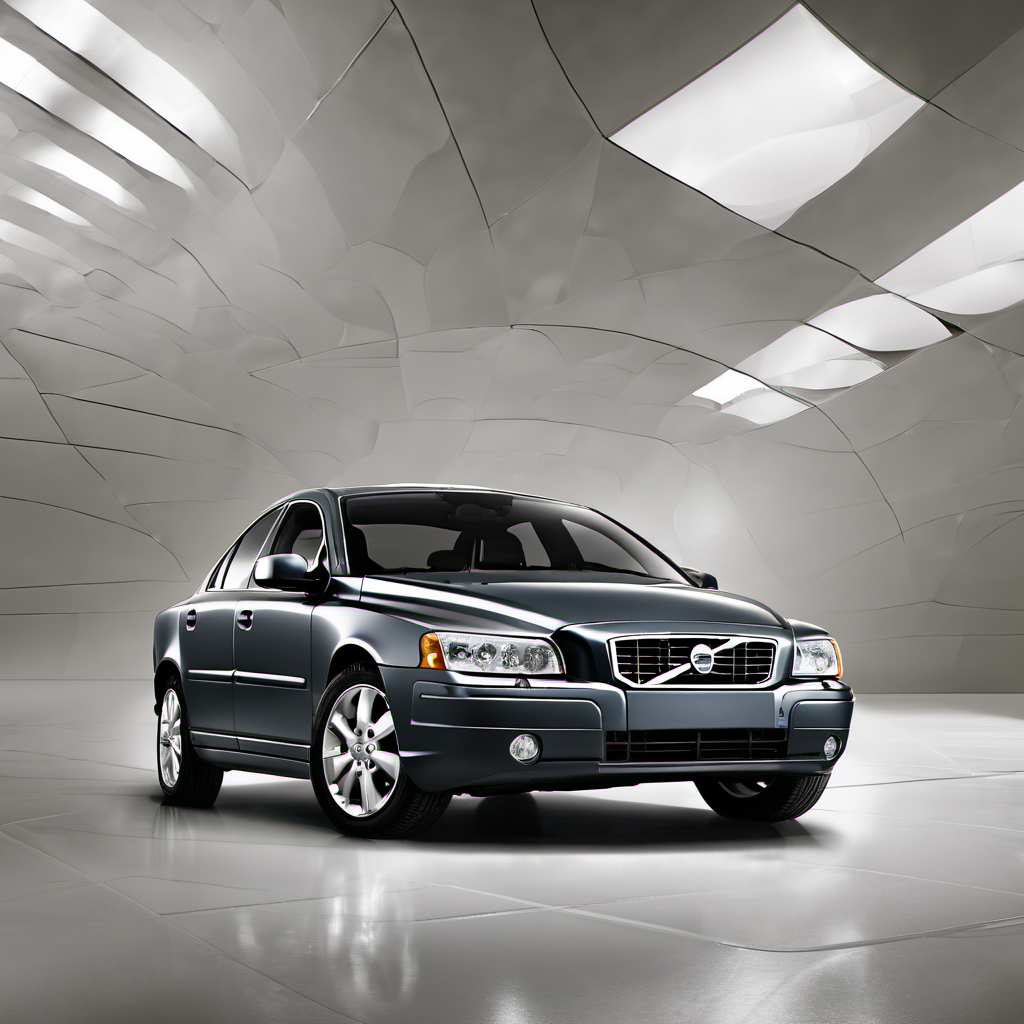
Same European turbo-sedan mission, similar ownership costs and parts quirks, comparable performance — a natural side-by-side for buyers weighing Scandinavian brands
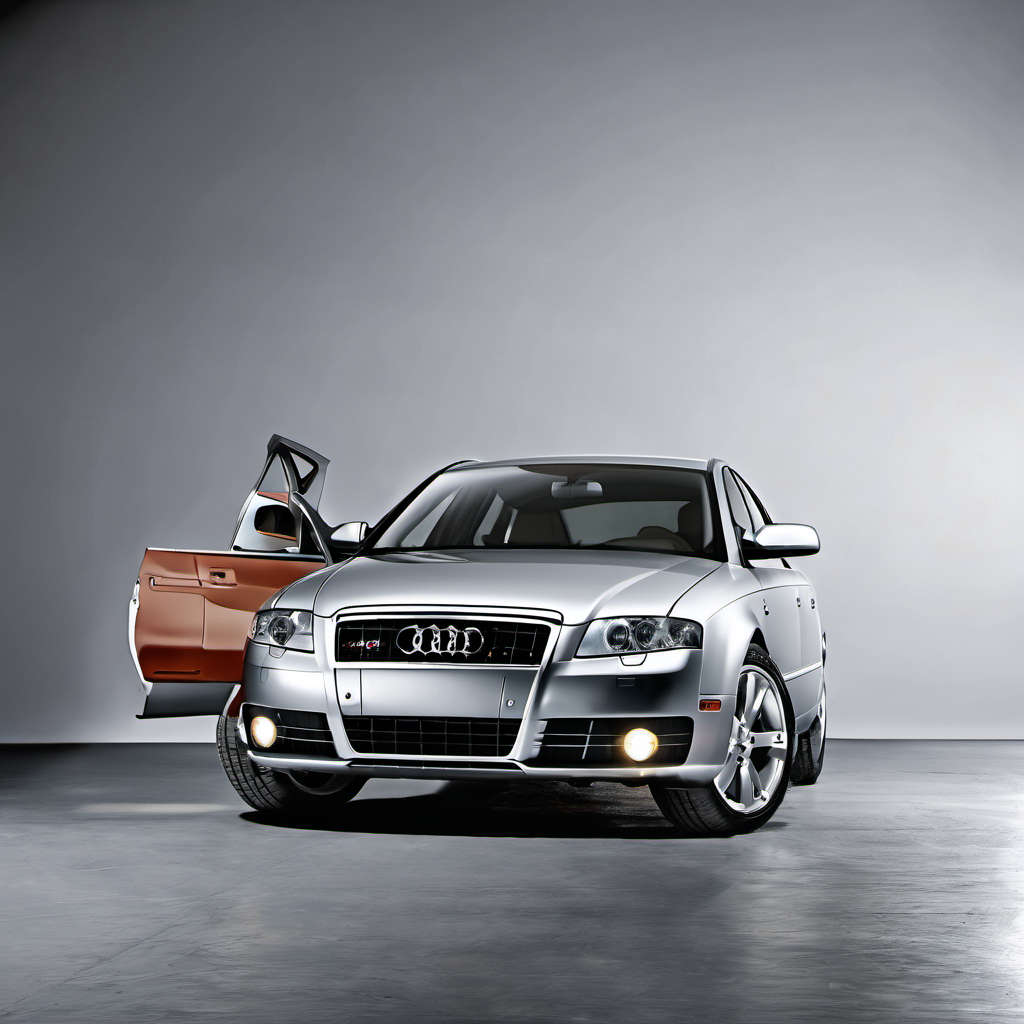
FWD/AWD European turbo sedan in the same price bracket used; slightly better parts availability but similarly expensive when things go wrong
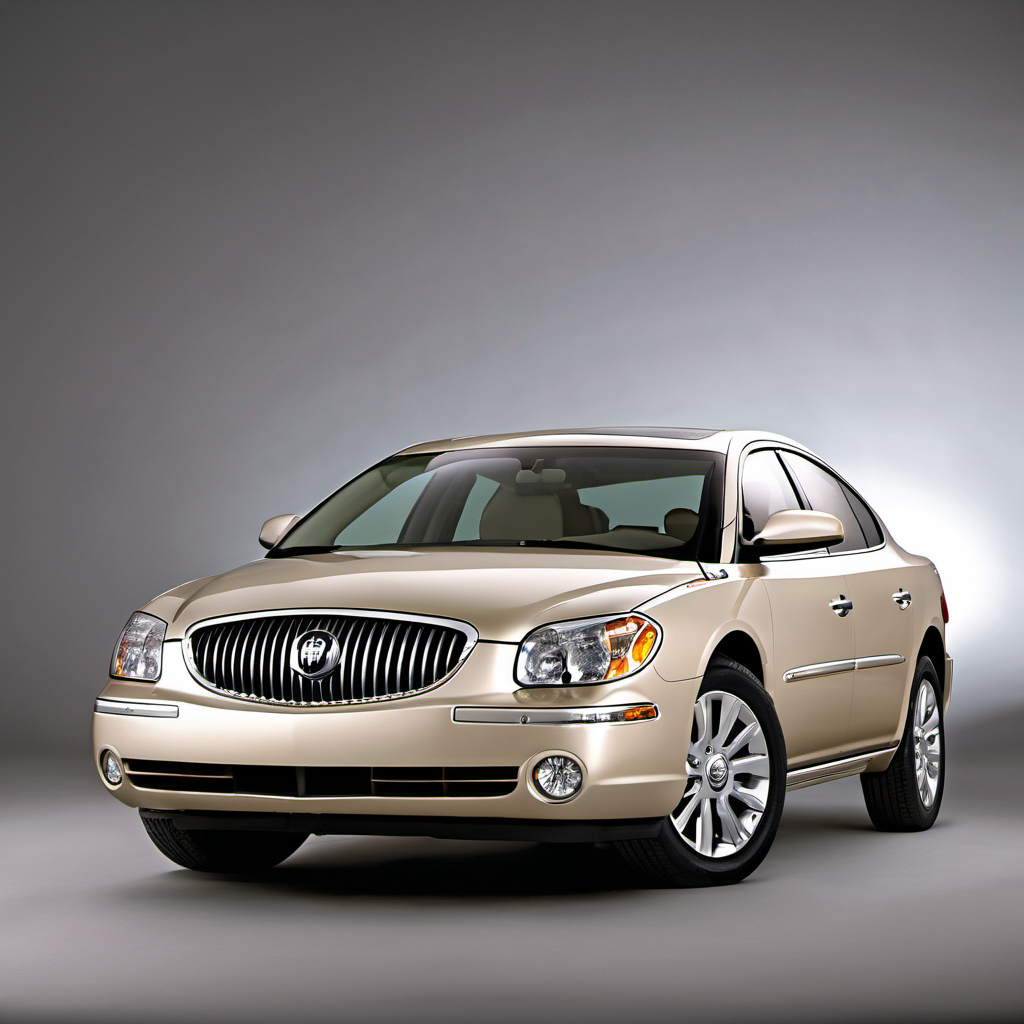
Shares GM platform DNA, similar size and comfort focus, far better long-term parts availability, lower ownership cost — a pragmatic alternative for buyers who like the 9-5's comfort but not its complexity
Turbocharged European mid-size sedan at a comparable used price; shares the turbo-maintenance discipline requirement but has better dealer/independent shop support