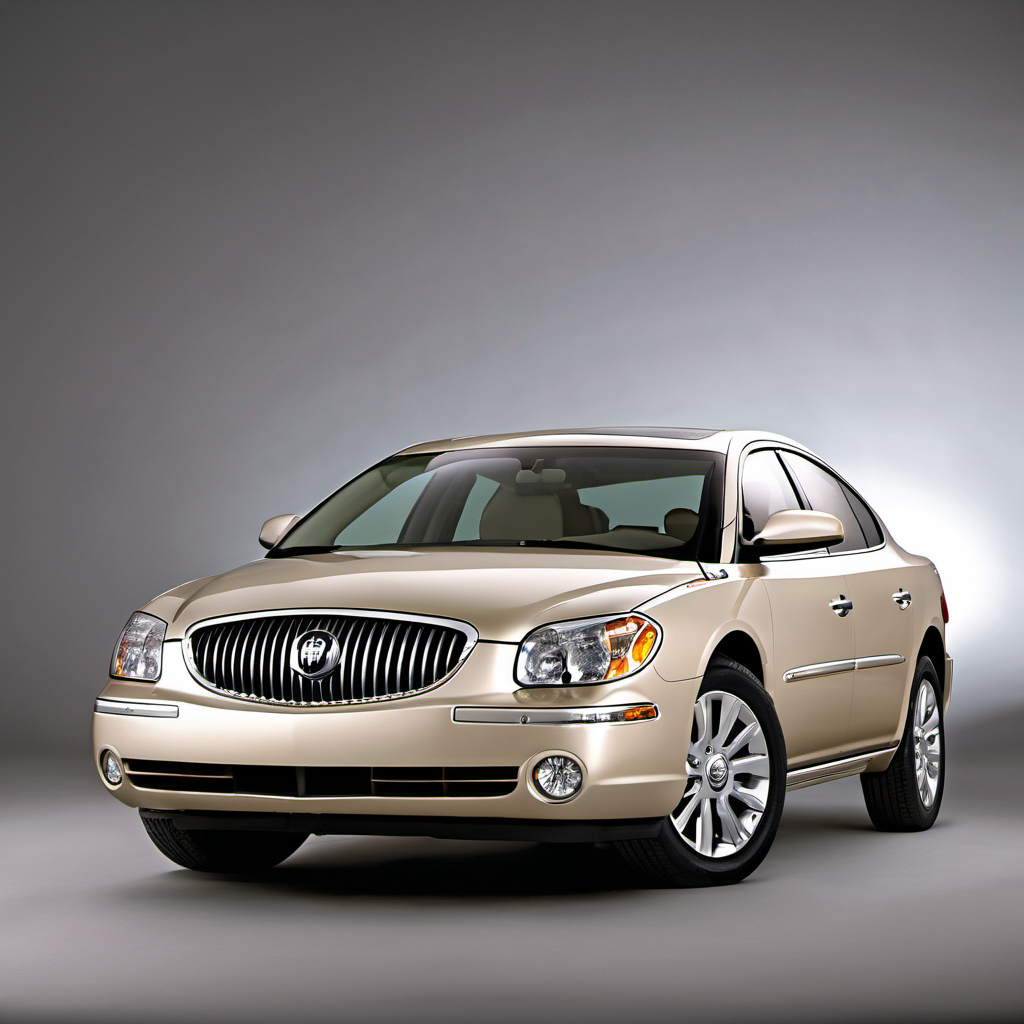
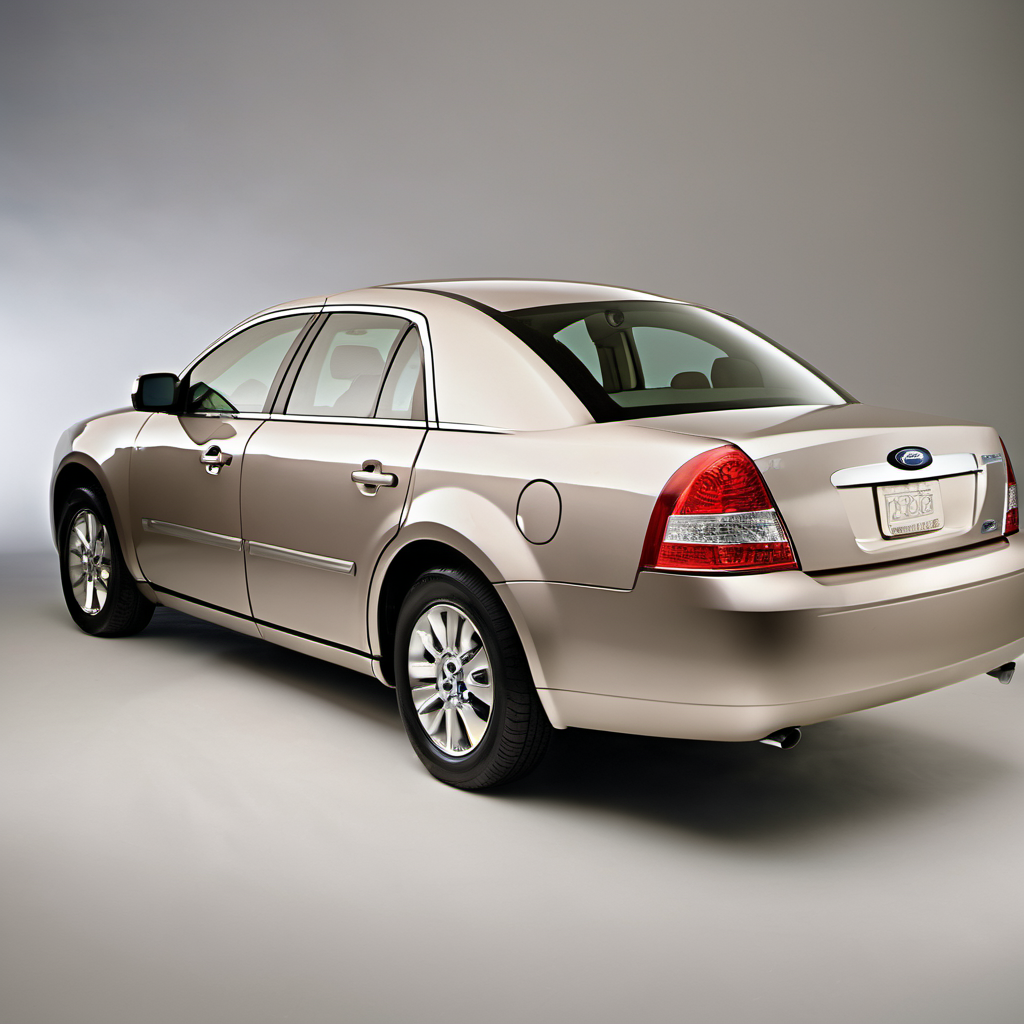
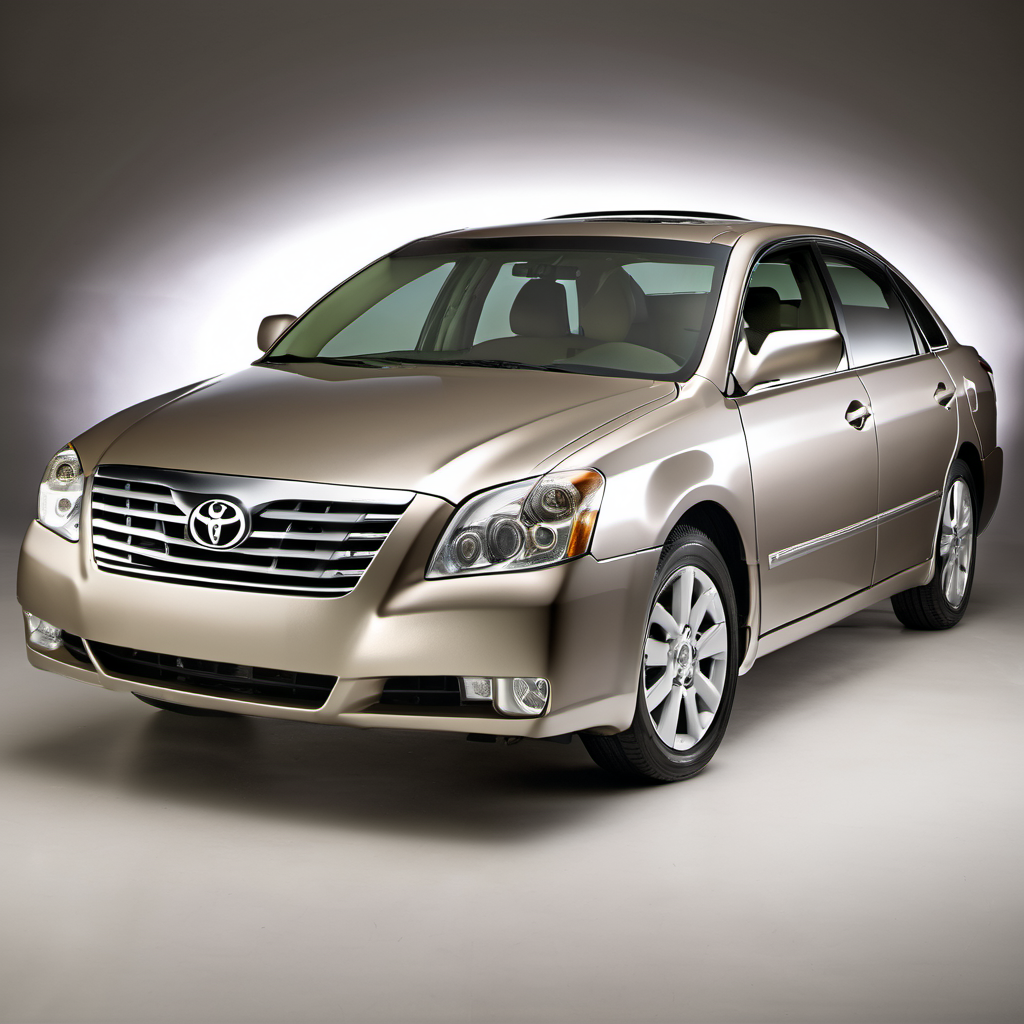
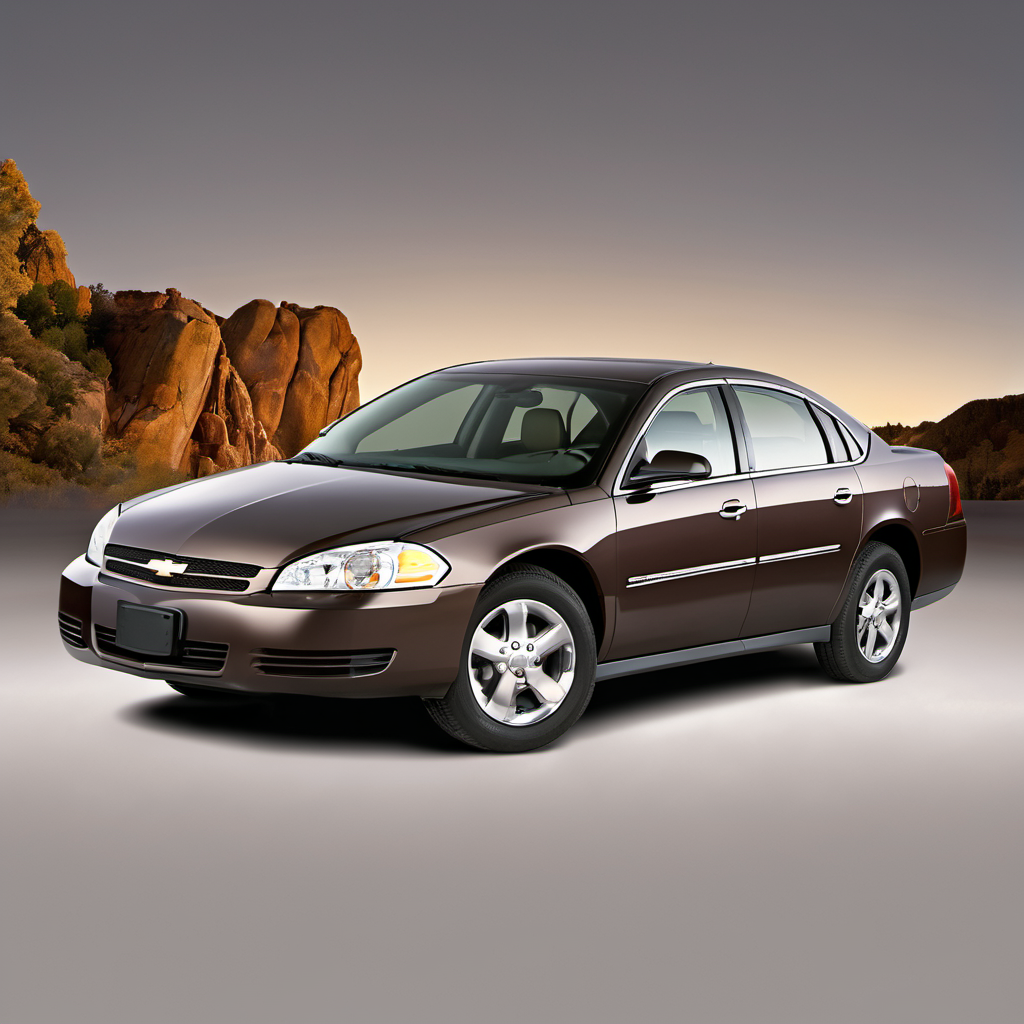
2007 Buick LaCrosse Sedan

2007 Buick

LaCrosseSedan

3.8L V6 · Sedan

The 2007 Buick LaCrosse is a front-wheel-drive full-size sedan that slots squarely into GM's comfort-oriented lineup, sharing its W-body platform with the Pontiac Grand Prix and Chevrolet Impala. It was built to appeal to buyers who wanted a quiet, smooth ride with a traditional American sedan feel — and on those terms it largely delivers. The base 3.8L V6 is a proven, robust engine with decades of GM history behind it. This generation LaCrosse (2005–2009) earns modest marks for interior quality and ride refinement, though it trails European and Japanese competitors in driving dynamics and cabin materials. It's a practical choice for highway commuters and buyers who prioritize comfort and low drama over performance. Parts are inexpensive and widely available at any auto parts store. For Lake Geneva drivers, the FWD layout handles Wisconsin winters adequately with good all-season or winter tires, and the 3.8L engine is cold-weather tolerant. However, at this age (17+ years), rust, suspension wear, and cooling system condition are the most important things to evaluate before purchase.

Reliability
3/5
Verified data
Engine
3.8L V6
Drivetrain
FWD
Fuel
Gasoline
MPG
17 city / 27 hwy / 21 combined
Seats
6
Doors
4
Body
Sedan
MSRP
$24,890

Overview

AI-curated

The 2007 Buick LaCrosse is a front-wheel-drive full-size sedan that slots squarely into GM's comfort-oriented lineup, sharing its W-body platform with the Pontiac Grand Prix and Chevrolet Impala. It was built to appeal to buyers who wanted a quiet, smooth ride with a traditional American sedan feel — and on those terms it largely delivers. The base 3.8L V6 is a proven, robust engine with decades of GM history behind it. This generation LaCrosse (2005–2009) earns modest marks for interior quality and ride refinement, though it trails European and Japanese competitors in driving dynamics and cabin materials. It's a practical choice for highway commuters and buyers who prioritize comfort and low drama over performance. Parts are inexpensive and widely available at any auto parts store. For Lake Geneva drivers, the FWD layout handles Wisconsin winters adequately with good all-season or winter tires, and the 3.8L engine is cold-weather tolerant. However, at this age (17+ years), rust, suspension wear, and cooling system condition are the most important things to evaluate before purchase.

Known for
  • Smooth, quiet highway ride
  • Bulletproof 3.8L V6 engine with long proven track record
  • Comfortable, roomy interior for rear passengers
  • Low parts and labor costs at independent shops
Best for
  • Retirees and comfort-first buyers
  • High-mileage highway commuters
  • Budget-conscious buyers wanting a large sedan
  • Drivers who prioritize reliability over excitement
Watch for
  • Extensive underbody and rocker panel rust on Wisconsin cars
  • Intake manifold gasket failure on the 3.8L (classic GM issue)
  • Aging suspension bushings and strut mounts at this mileage
  • Worn or cracked coolant reservoir and cooling hoses
  • Electrical gremlins from aging body control modules

Common issues by mileage

6 known

Intake Manifold Gasket Failure (Lower)

high
Typically appears
60–130k mi
Estimated repair
$350 – $600

Transmission 4T65-E Slipping or Delayed Engagement

medium
Typically appears
100–180k mi
Estimated repair
$1,200 – $2,800

Strut Mounts and Front Suspension Bushings Worn

high
Typically appears
80–150k mi
Estimated repair
$300 – $700

Coolant Reservoir Cracking / Cooling System Leaks

high
Typically appears
70–120k mi
Estimated repair
$80 – $350

Power Steering Rack Leak or Pump Whine

medium
Typically appears
90–160k mi
Estimated repair
$250 – $700

Body Control Module / Electrical Gremlins

medium
Typically appears
100k+ mi
Estimated repair
$200 – $600

Maintenance schedule

  1. 1
    Every 5,000 miles or 6 months Engine oil change — 5W-30

    The 3.8L runs clean on 5W-30. At this vehicle age, don't push oil changes past 5k — sludge accelerates seal wear in older engines.

  2. 2
    Every 3 years or 36,000 miles Coolant flush and hose inspection

    The 3.8L's cooling system is a known weak point. Old Dex-Cool turns abrasive and attacks gaskets and plastic tanks. Always use the correct coolant specification.

  3. 3
    Every 30,000–45,000 miles Transmission fluid change (4T65-E)

    GM did not always list this as a 'scheduled' service, but fluid breakdown is a leading cause of 4T65-E failures. Fresh fluid is cheap insurance.

  4. 4
    At any coolant loss or oil contamination symptom Intake manifold gasket inspection

    The lower intake manifold gasket on the 3.8L is the single most common failure. Catch it early — a slow external leak becomes an internal coolant-in-oil disaster if ignored.

  5. 5
    Every 30,000 miles or at each tire rotation Front strut and bushing inspection

    Wisconsin roads and sub-zero temperatures accelerate rubber bushing deterioration. Worn mounts cause noise and handling vagueness.

  6. 6
    Every fall before winter season Battery load test

    A battery that passes a voltage test in summer can fail a load test in sub-zero temps. The 3.8L cranks hard when cold; a weak battery will leave you stranded.

  7. 7
    Every 15,000 miles or annually Brake inspection including caliper slides

    Road salt accelerates caliper slide corrosion. Seized slides cause uneven pad wear and pulling. Clean and lubricate slides at every brake service.

  8. 8
    Annually, every spring Underbody rust inspection

    Check subframe mounting points, brake lines, and rocker panels after each Wisconsin winter. Brake line rust is a safety issue and common on salt-belt GM vehicles of this era.

Always defer to the manufacturer's service manual for warranty-mandated intervals.

Cost of ownership

Annual maintenance
$600 – $1,400
Fuel
At ~21 MPG combined and typical driving, expect $1,500–$2,200/year in fuel depending on gas prices and driving mix.
Insurance
Typically $900–$1,400/year for full coverage in the Lake Geneva area for a vehicle of this age and value.

The LaCrosse is inexpensive to maintain when nothing is wrong — parts are cheap and most shops know the platform cold. The risk is deferred maintenance catching up all at once: a transmission service, intake gasket, and suspension job in the same year can easily run $2,500–$4,000. Budget for the unexpected.
Seasonal care

Lake Geneva, WI
Winter
  • Load-test the battery every October — cold cranking amps drop sharply below 0°F and the 3.8L needs a strong battery to start reliably in Wisconsin winters.
  • Switch to winter-rated windshield washer fluid (rated to -20°F or colder) before first freeze; the factory reservoir and lines can crack from frozen fluid.
  • Inspect and treat brake lines for rust every fall — salt-belt brake line failures are common on this generation GM sedan.
  • Check tire pressure monthly; tires lose ~1 PSI per 10°F drop and underinflated tires reduce traction on snow and ice significantly.
  • Flush and refill coolant on schedule — degraded Dex-Cool loses freeze protection and the 3.8L cooling system doesn't tolerate neglect in sub-zero temps.
  • Consider dedicated winter tires; the FWD layout helps in snow but all-season tires have real limits below 20°F on packed snow.
Summer
  • Inspect the A/C system for refrigerant loss — the condenser on this platform sits low and is vulnerable to road debris and corrosion damage over time.
  • Check coolant level and condition before hot-weather driving; the aging cooling system is more likely to show leaks under sustained heat load.
  • Check tire pressure monthly — tires gain ~1 PSI per 10°F of temperature rise, and overinflation reduces contact patch and braking performance.
  • Inspect belts and hoses visually for cracking or softness; heat accelerates deterioration on a 17-year-old vehicle.

Comparable vehicles

If you're shopping for one

Red flags
  • Any sign of oil/coolant mixing (milky dipstick, sweet exhaust smell) — walk away unless you're pricing in a full intake gasket or head gasket job.
  • Visible rust perforation on rockers, floor pans, or brake lines — structural and safety issues that are expensive to remediate correctly.
  • Transmission that slips between gears, hesitates, or clunks — rebuilds start at $1,200 and go higher fast.
  • Check engine light with camshaft timing codes (P0012, P0015, P0022, P0025) — while the 3.8L doesn't use VVT, these codes on the scan tool could indicate wiring or PCM faults worth investigating.
  • Evidence of overheating history: warped hood paint, cracked reservoir, white residue at hose connections — the 3.8L can survive a lot but sustained overheating damages head gaskets.
What to inspect
  • Pull the oil dipstick and look for a milky or foamy residue — this signals coolant in oil from a failing intake manifold gasket, a costly repair if ignored.
  • Check underneath for rust on the subframe mounting points, brake lines, and rocker panels — Wisconsin examples often have significant corrosion here.
  • Drive the car through several transmission gear changes at highway speed and watch for any slipping, shuddering, or delayed engagement in the 4T65-E transmission.
  • Inspect the coolant overflow reservoir for cracks or staining — a brown or rusty coolant color means the Dex-Cool is overdue and the system may have issues.
  • With the engine running, listen for a rhythmic knock or tick from the top of the engine — this can indicate low oil pressure to the lifters from sludge buildup.
  • Test all power accessories: windows, locks, and the HVAC blend doors — these are common failure points on aging GM body electronics.
AI profile generated 18 days ago · claude-sonnet-4-6 · v2.