Timing Chain Tensioner Failure
high- Typically appears
- 60–130k mi
- Estimated repair
- $800 – $1,800
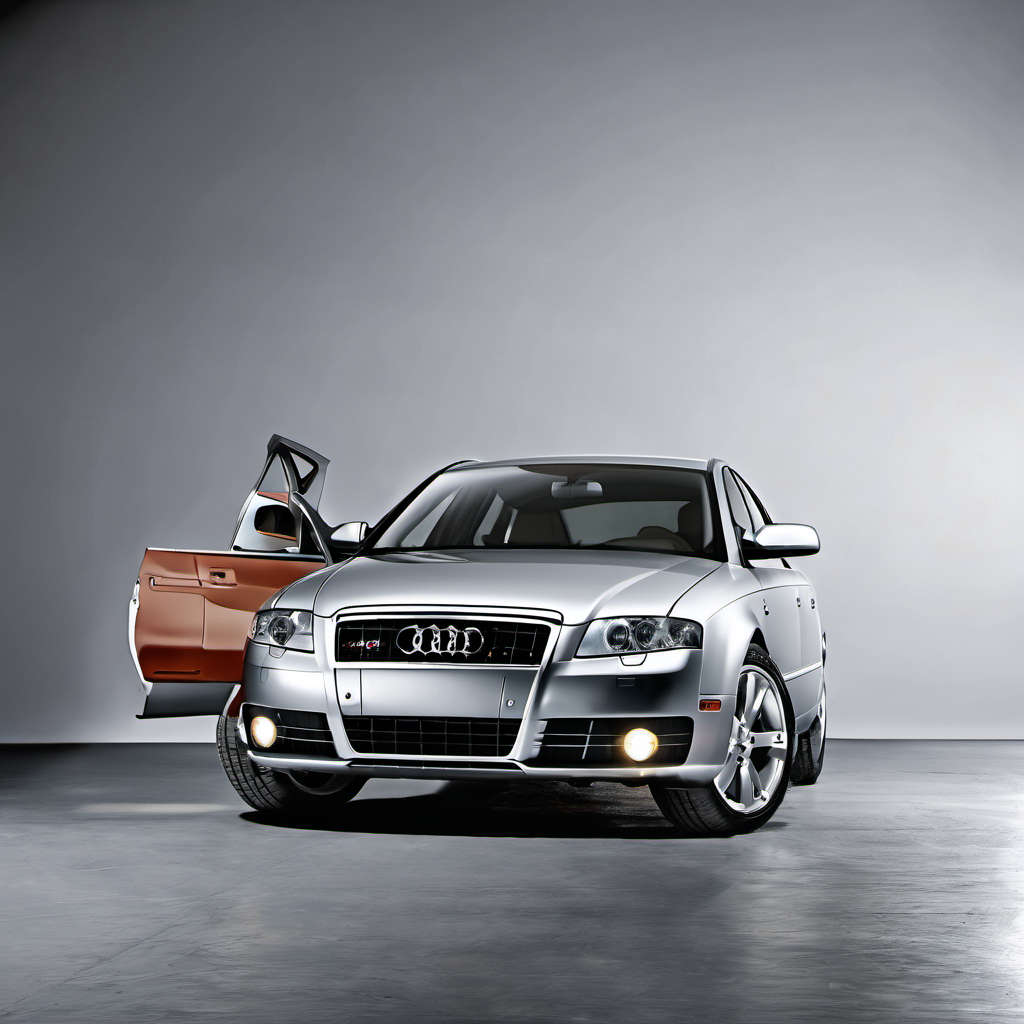
2007 Audi
Sedan
The 2007 Audi A4 Sedan is a compact luxury car built on Volkswagen Group's B7 platform, pairing a turbocharged 2.0L four-cylinder with a refined interior and European driving dynamics. It occupies a sweet spot in the used market — enough premium feel to satisfy brand loyalists, affordable enough to tempt budget-conscious buyers. However, that affordability is a double-edged sword: maintenance costs are genuine German-car costs, and deferred service quickly snowballs on this generation. The B7 A4's 2.0T engine (BPY code) is reasonably capable but carries real-world vulnerabilities that owners need to know upfront: timing chain tensioner wear, oil consumption, and carbon buildup on intake valves are all documented patterns on high-mileage examples. The FWD configuration on this trim is the volume seller and handles Wisconsin winters acceptably with the right tires, though Quattro AWD versions exist and offer a meaningful advantage in snow. Buy one in good shape and maintain it diligently and it's a rewarding driver. Buy a neglected one and you're looking at a parts car. Pre-purchase inspection by an independent Audi/VW specialist is non-negotiable for this model year.
The 2007 Audi A4 Sedan is a compact luxury car built on Volkswagen Group's B7 platform, pairing a turbocharged 2.0L four-cylinder with a refined interior and European driving dynamics. It occupies a sweet spot in the used market — enough premium feel to satisfy brand loyalists, affordable enough to tempt budget-conscious buyers. However, that affordability is a double-edged sword: maintenance costs are genuine German-car costs, and deferred service quickly snowballs on this generation. The B7 A4's 2.0T engine (BPY code) is reasonably capable but carries real-world vulnerabilities that owners need to know upfront: timing chain tensioner wear, oil consumption, and carbon buildup on intake valves are all documented patterns on high-mileage examples. The FWD configuration on this trim is the volume seller and handles Wisconsin winters acceptably with the right tires, though Quattro AWD versions exist and offer a meaningful advantage in snow. Buy one in good shape and maintain it diligently and it's a rewarding driver. Buy a neglected one and you're looking at a parts car. Pre-purchase inspection by an independent Audi/VW specialist is non-negotiable for this model year.
The 2.0T's timing chain tensioner and VVT system are oil-pressure dependent. Low or dirty oil accelerates wear on both. Use only VW 502.00-spec full synthetic oil. Drain plug torque is 30 ft-lb.
Plastic tensioner degrades over time. A cold-start rattle is the warning sign — don't ignore it. Replacing it before failure is far cheaper than the engine damage that follows.
Direct injection means no fuel washing of intake valves. Carbon buildup is inevitable. Regular cleaning restores power, idle quality, and fuel economy.
Inspect plastic coolant flange and thermostat housing for seepage at every coolant service. Catching a slow leak early avoids overheating and head gasket risk.
Audi called this fluid 'lifetime' but real-world CVT failures on cars with no fluid changes say otherwise. Fresh fluid is the cheapest CVT insurance available.
Turbocharged engines run higher cylinder pressures and wear plugs faster than naturally aspirated engines. Worn plugs increase misfire risk and can accelerate carbon buildup.
Audi specifies a 2-year interval. Brake fluid absorbs moisture over time, lowering boiling point — a safety concern in Wisconsin where hilly terrain and winter driving increase brake demand.
A clogged air filter robs turbo response and increases intake restriction. Wisconsin's salt-heavy winters can accelerate filter contamination.
Always defer to the manufacturer's service manual for warranty-mandated intervals.
The 2007 A4 is deceptively affordable to buy but not to own. Routine maintenance using correct fluids and parts costs more than a comparable Honda or Toyota. Budget an extra $500–$1,000 per year for incidentals compared to mainstream brands. A car with a clean, documented service history will save you money; one without can eat that savings in one repair.
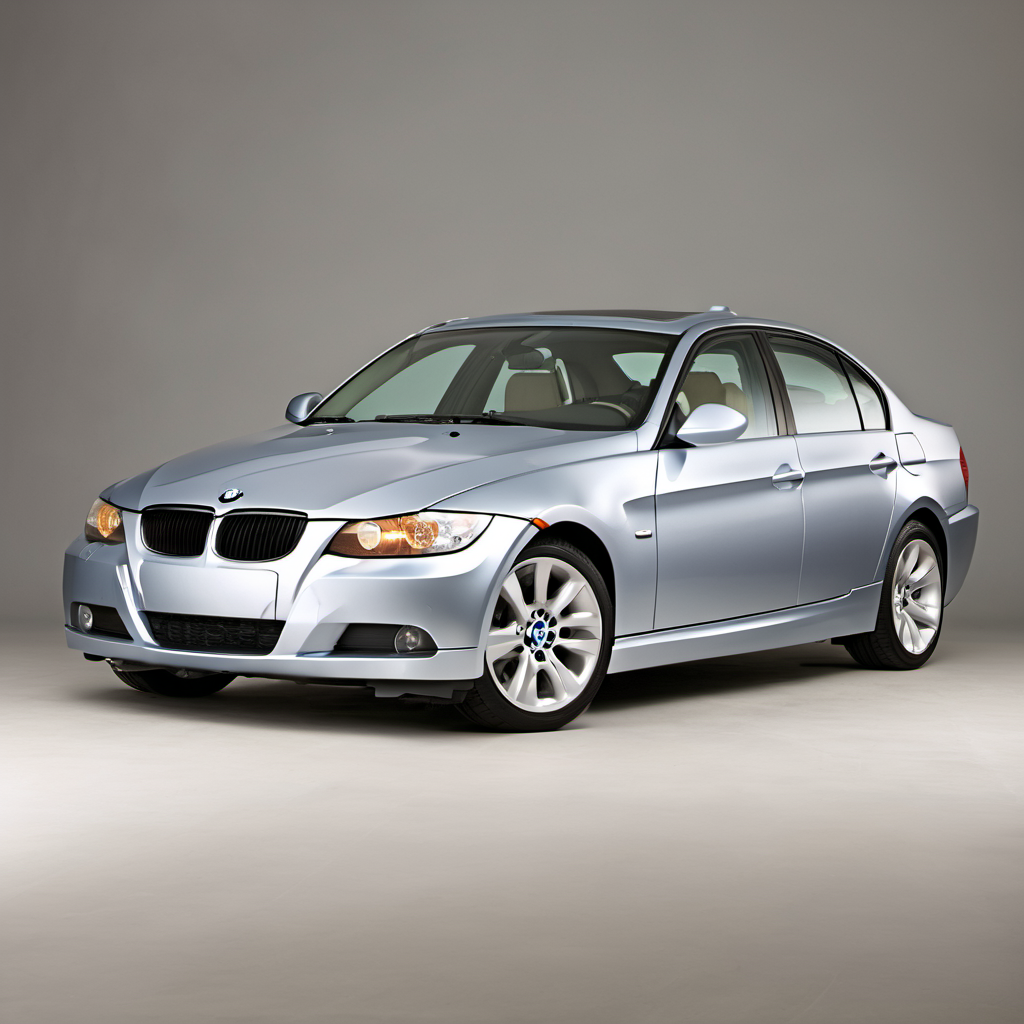
The E90 3 Series is the direct competitor — similar price, similar segment, similar maintenance demands. Arguably better driving dynamics; similarly costly to maintain. Compare carefully on service history.
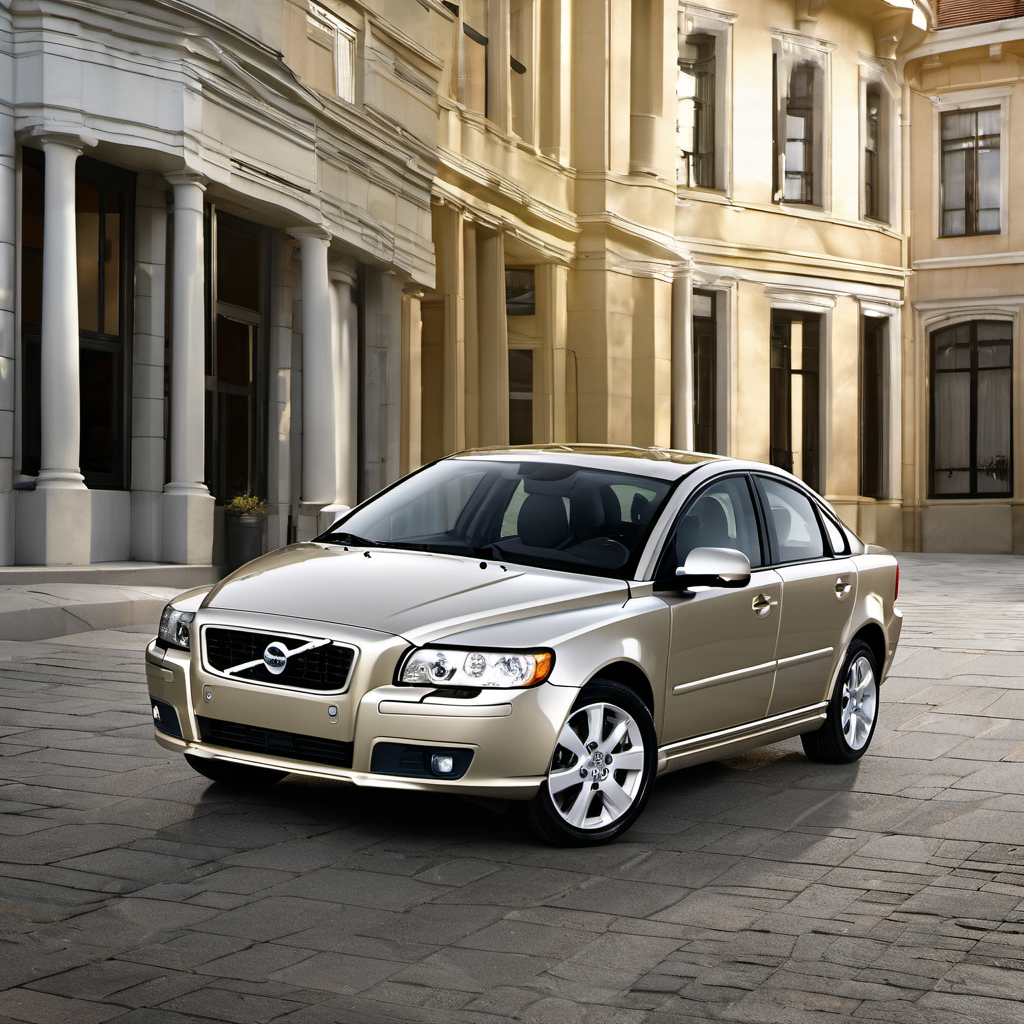
FWD compact luxury sedan at a similar used price point. Slightly more practical and often cheaper to maintain than the A4, with strong safety scores. Less sporty feel.
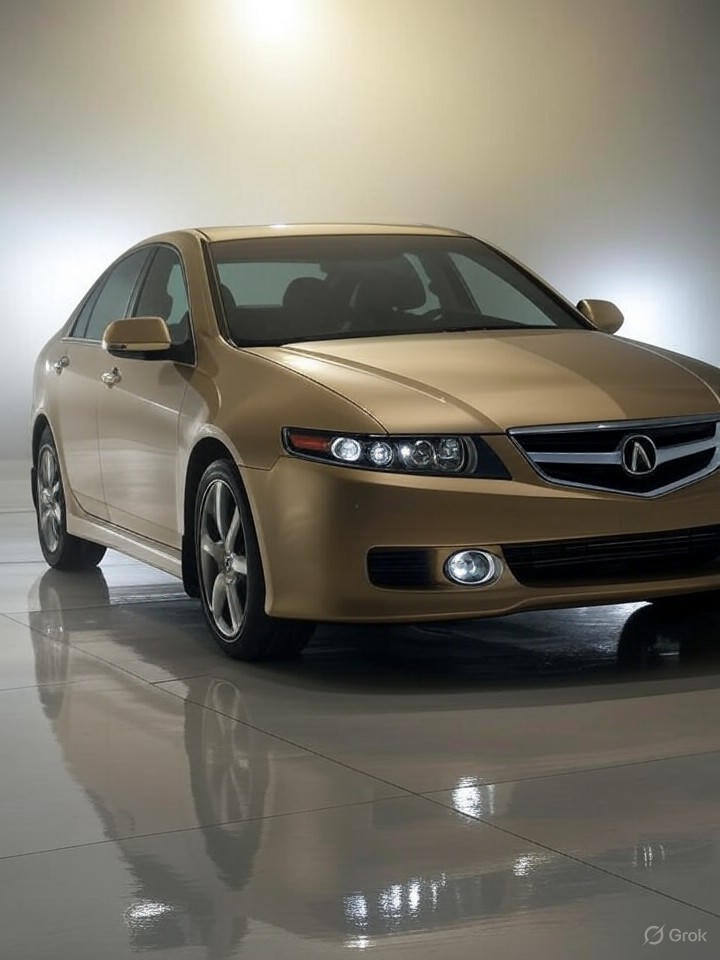
Honda-based reliability in a near-luxury compact sedan at similar used prices. Lower maintenance costs and better long-term reliability than the A4, though less premium interior.
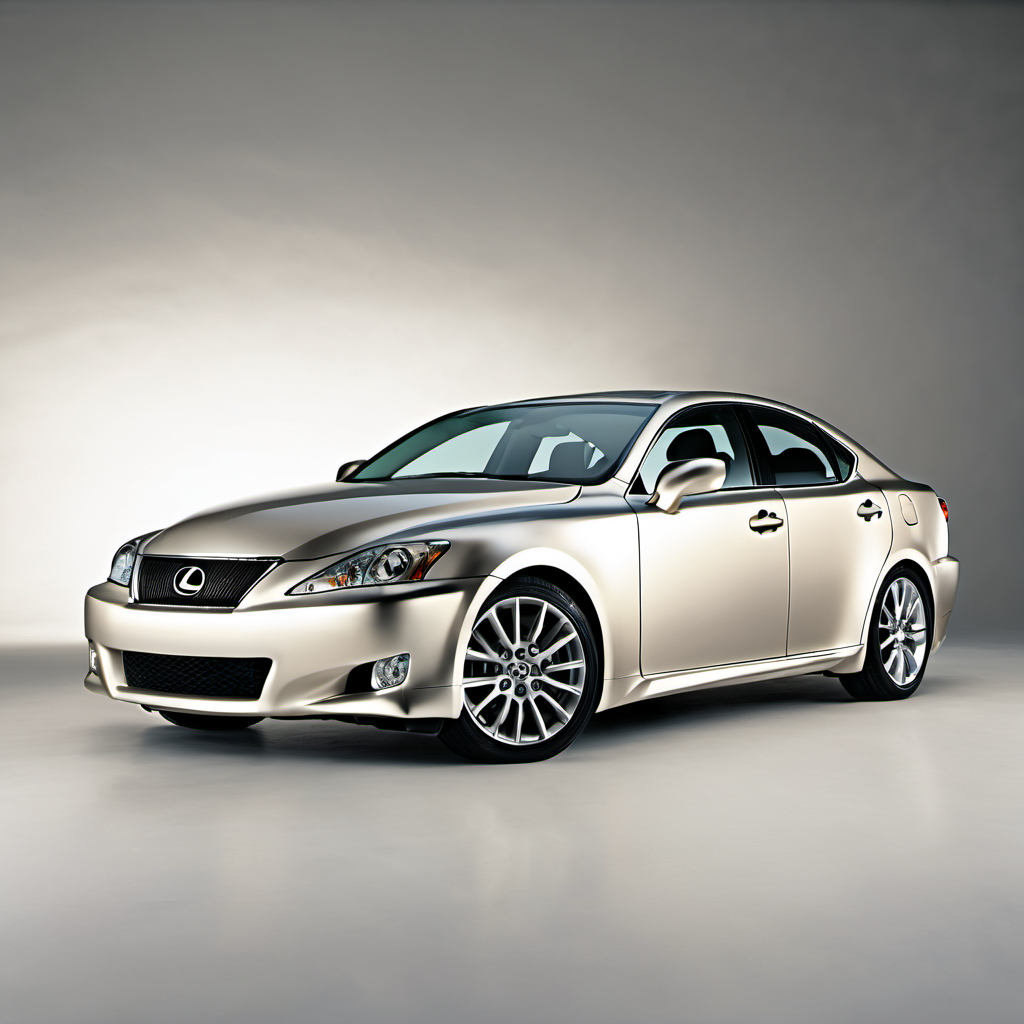
Lexus reliability with a European sport-sedan feel. More expensive to buy used but substantially lower ownership costs and stronger long-term reliability than the A4.