High-Pressure Fuel Pump (HPFP) Failure — 2.0T FSI
high- Typically appears
- 40–100k mi
- Estimated repair
- $800 – $1,400
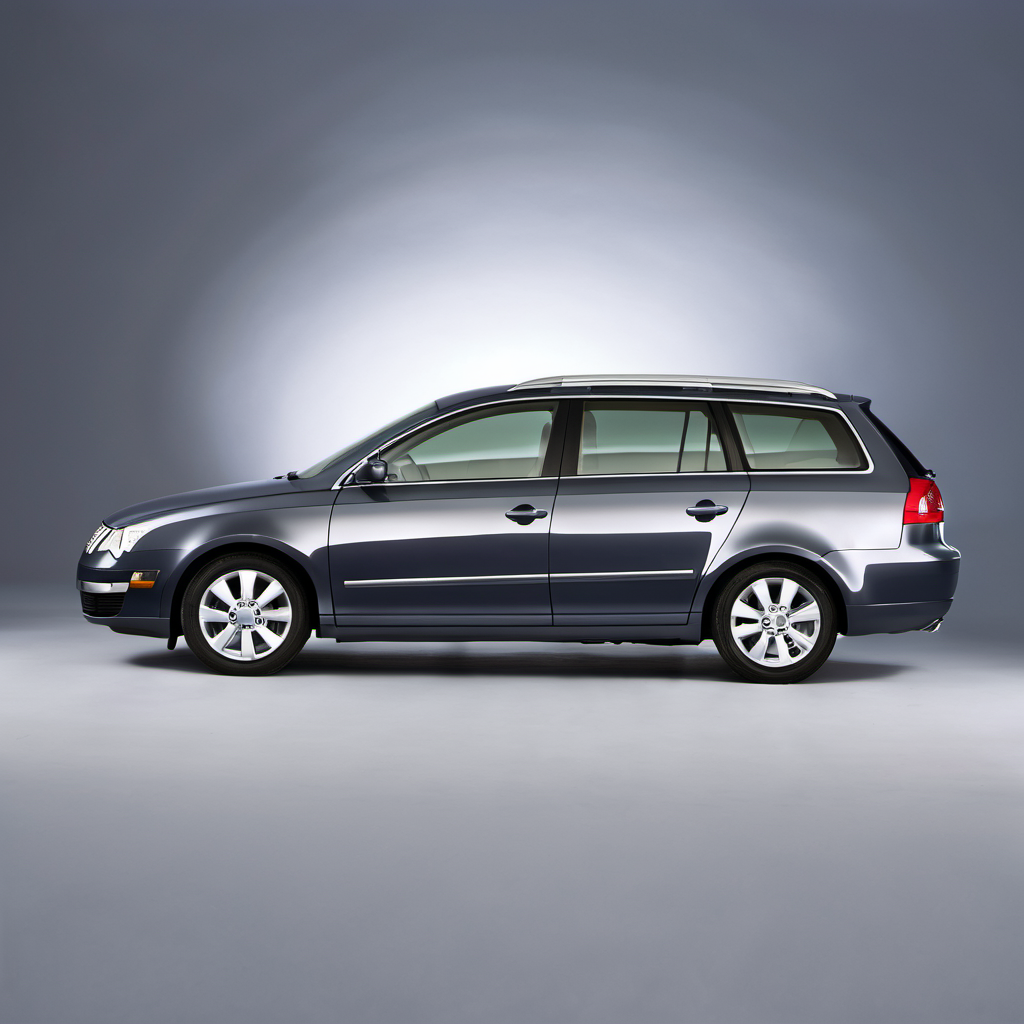
2007 Volkswagen
2.0L I4 FSI Turbocharged · Sedan
The 2007 Volkswagen Passat is the second model year of the B6 generation (2006–2010) for the North American market. It arrived as a notably more refined, larger, and better-equipped car than the B5.5 it replaced, riding on VW's PQ46 platform shared with the Audi A4. The most common powertrain in the U.S. is the 2.0T FSI turbocharged four-cylinder paired with a 6-speed automatic or 6-speed manual, though a 3.6L VR6 was available for buyers wanting more punch. The B6 Passat positions itself squarely in the midsize sedan segment but aims a little higher than most: the interior quality, ride comfort, and driving feel are closer to entry-level luxury than mainstream family sedan. That premium feel comes at a cost — this car requires premium fuel, demands more frequent and more expensive maintenance than a Camry or Accord, and has a repair history that rewards diligent, proactive ownership. At 17+ years old, any surviving 2007 Passat is deep into high-mileage territory. The ones still on the road are usually the well-maintained examples; the neglected ones have already been retired. That cuts both ways — good ones can still be pleasant daily drivers, but buyer due diligence is non-negotiable at this age.
The 2007 Volkswagen Passat is the second model year of the B6 generation (2006–2010) for the North American market. It arrived as a notably more refined, larger, and better-equipped car than the B5.5 it replaced, riding on VW's PQ46 platform shared with the Audi A4. The most common powertrain in the U.S. is the 2.0T FSI turbocharged four-cylinder paired with a 6-speed automatic or 6-speed manual, though a 3.6L VR6 was available for buyers wanting more punch. The B6 Passat positions itself squarely in the midsize sedan segment but aims a little higher than most: the interior quality, ride comfort, and driving feel are closer to entry-level luxury than mainstream family sedan. That premium feel comes at a cost — this car requires premium fuel, demands more frequent and more expensive maintenance than a Camry or Accord, and has a repair history that rewards diligent, proactive ownership. At 17+ years old, any surviving 2007 Passat is deep into high-mileage territory. The ones still on the road are usually the well-maintained examples; the neglected ones have already been retired. That cuts both ways — good ones can still be pleasant daily drivers, but buyer due diligence is non-negotiable at this age.
The 2.0T FSI turbo and VVT system are oil-cleanliness-sensitive. Extended drain intervals accelerate timing chain wear, turbo coking, and HPFP cam lobe wear. Use VW 502.00-spec full-synthetic oil. This is the single most important thing you can do for this engine.
OEM-spec plugs (NGK or equivalent) are essential. Worn plugs stress the ignition coils. If plugs are unknown on a used purchase, replace immediately.
Listen for a cold-start rattle that disappears within 10–15 seconds — that's an early tensioner warning. P0012/P0015 codes confirm timing issues. Catching this before the chain skips saves the engine.
VW's DSG dual-clutch requires its own fluid and filter service. Skipping this causes harsh shifts and clutch pack damage. Many used Passats arrive with this overdue.
VW specifies a 2-year brake fluid interval. Moisture-saturated fluid raises brake fade risk, especially in Wisconsin's cold winters where brake-heat cycling is frequent.
Dirty cabin filters reduce defrost effectiveness — a real problem in Wisconsin winters. A clogged engine air filter stresses the MAF sensor and hurts fuel economy.
The plastic coolant expansion tank and hose connections are known failure points as they age. A coolant loss event on a turbocharged engine can cause very rapid damage.
Wisconsin road salt aggressively attacks brake lines, fuel lines, and subframe mounting points on cars this age. Early detection of soft spots or surface rust prevents catastrophic failures.
Always defer to the manufacturer's service manual for warranty-mandated intervals.
A well-maintained 2007 Passat can be a relatively economical car to own day-to-day IF major repairs have already been done. The danger is deferred maintenance: when HPFP failure, timing chain work, and a turbo all land at once, repair bills can easily exceed the car's market value. Budget generously in year one to catch up on any neglected items, and the ongoing annual cost drops significantly.
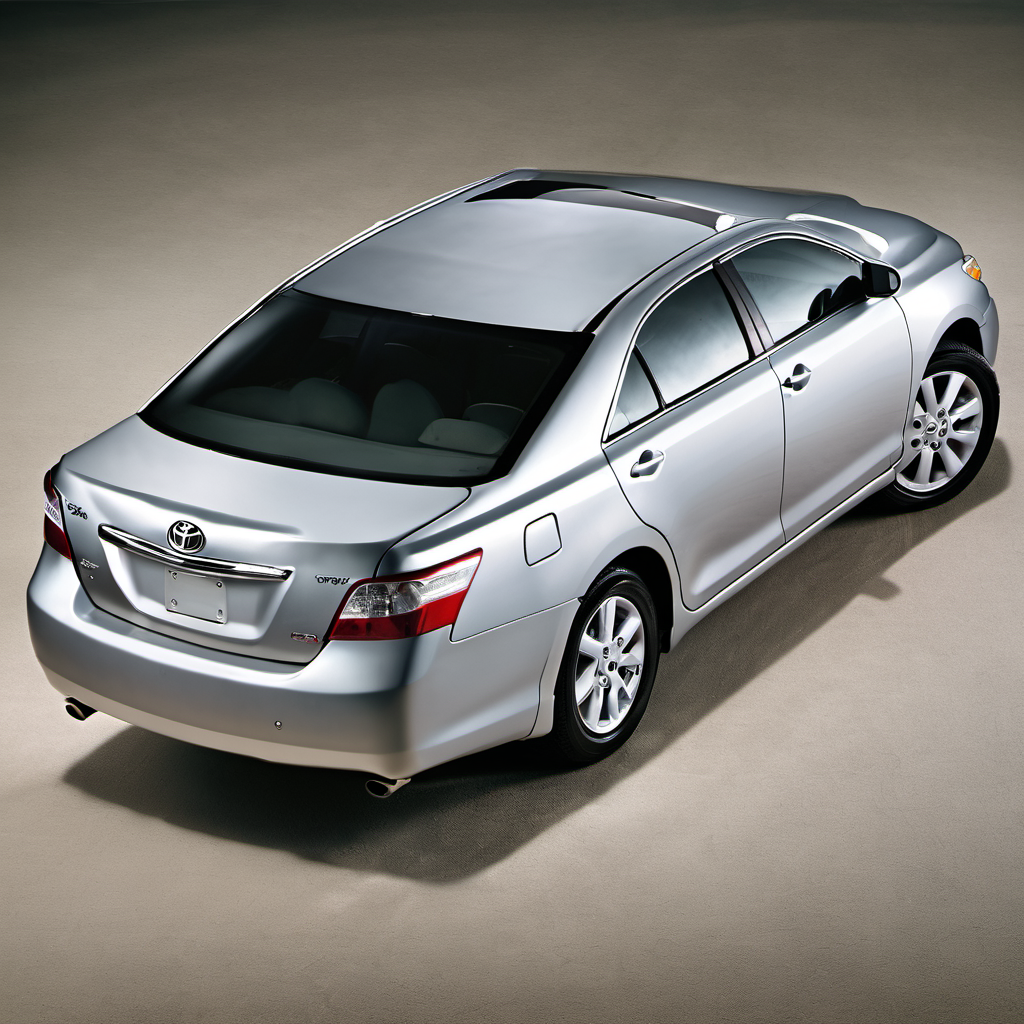
Same midsize sedan segment, similar price point when new. Far simpler mechanically, significantly lower long-term repair costs, but noticeably less refined interior feel.
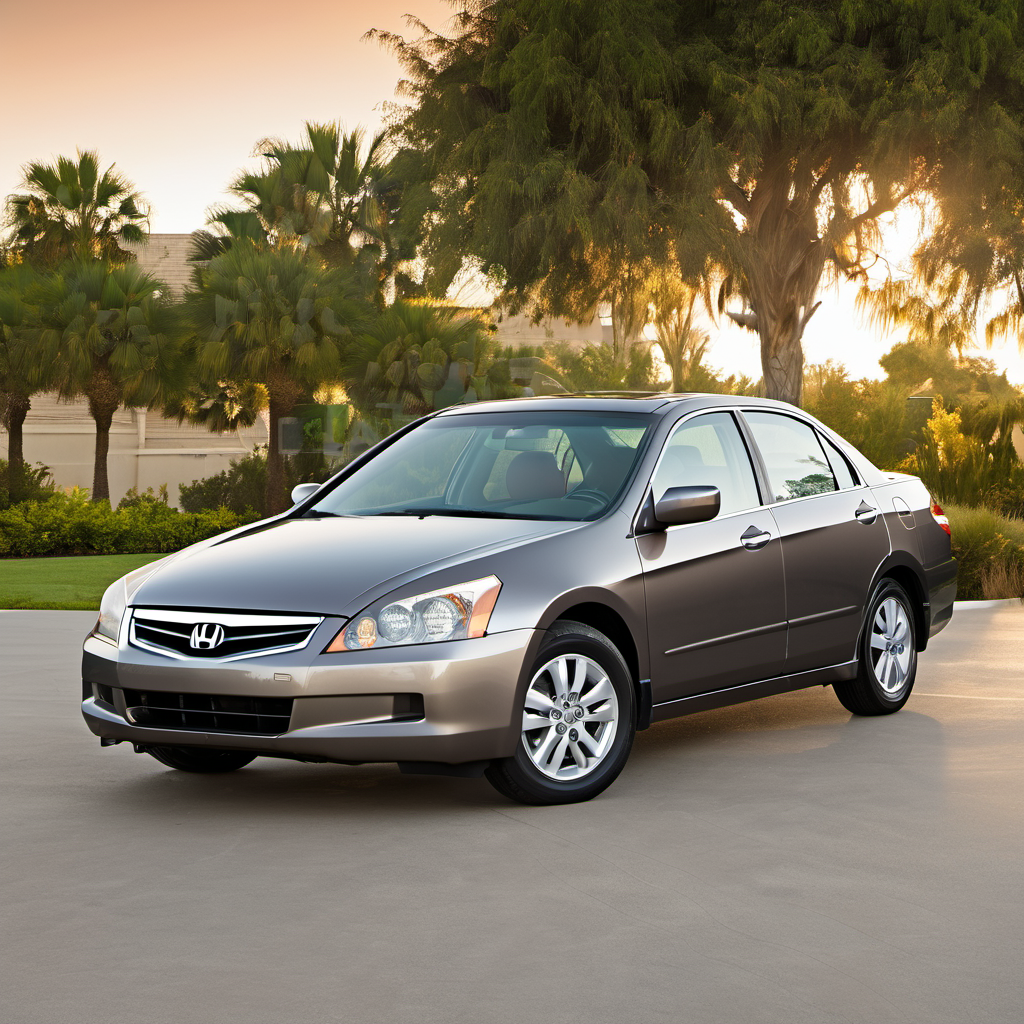
Direct competitor with a stronger long-term reliability record and lower maintenance costs. Less European flair, but much more forgiving of deferred maintenance.
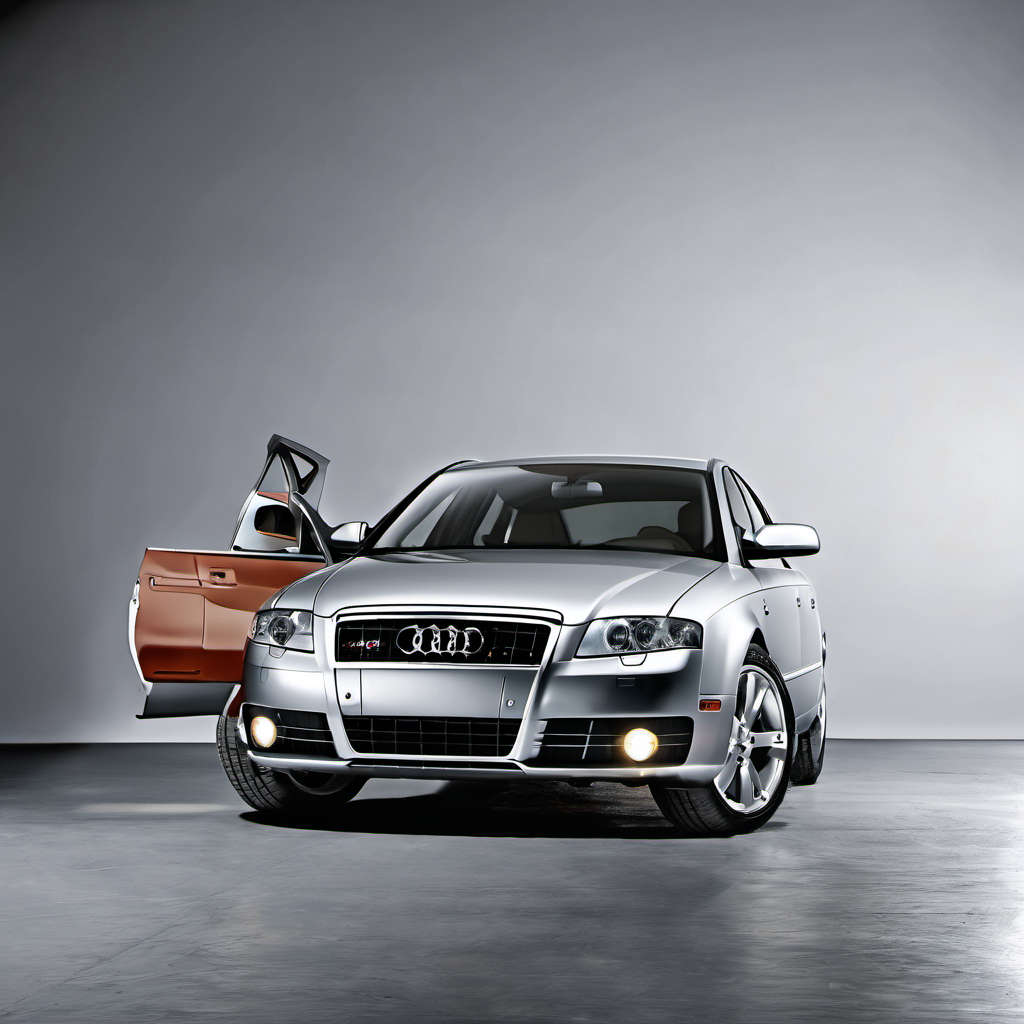
Shares the PQ46 platform with the B6 Passat. More prestige badge, very similar mechanical complexity and repair costs — arguably the same car with a different front end.
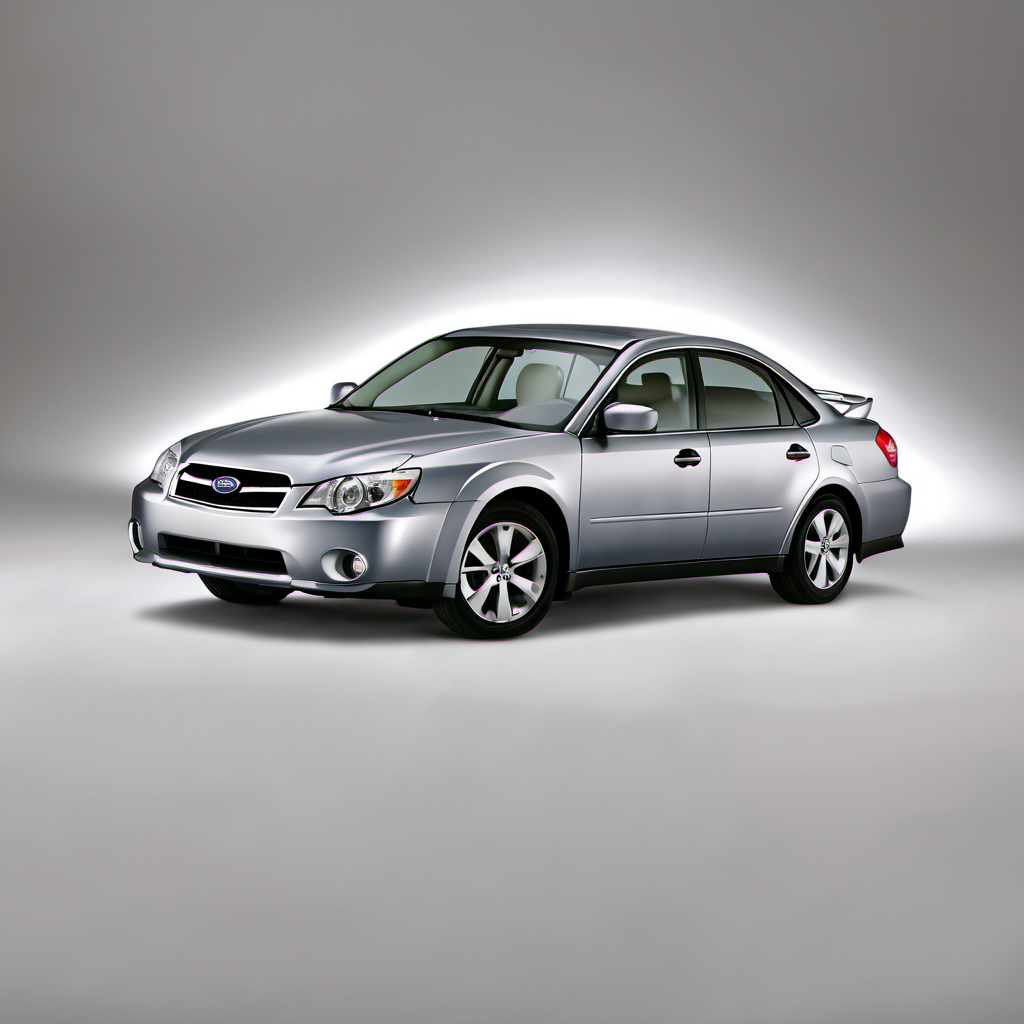
Comparable midsize sedan at a similar used price. AWD standard on most trims is a genuine advantage for Wisconsin winters. Simpler powertrain than the 2.0T FSI, more forgiving ownership experience.