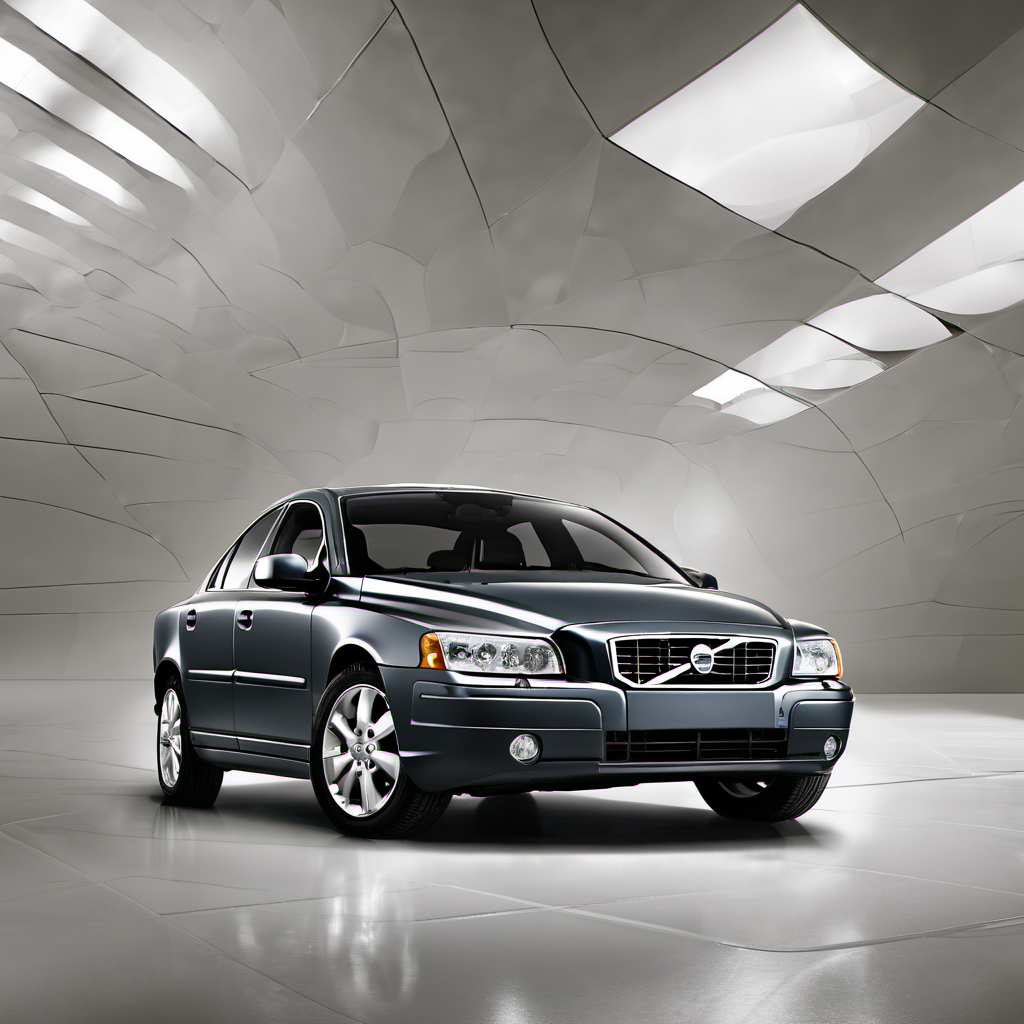
2007 Volvo S60 Sedan

2007 Volvo

S60Sedan

Sedan

The 2007 Volvo S60 is a mid-size European luxury sedan that earned a loyal following for its blend of safety technology, all-weather capability, and understated Scandinavian styling. Powered by a turbocharged 2.5L inline-5 and backed by AWD, this generation S60 was a genuine alternative to German rivals for buyers who prioritized occupant protection and foul-weather traction over sporty dynamics. By 2007 this S60 was near the end of its first-generation run (2001–2009), which means the platform was mature and most early bugs were sorted — but it also means parts and independent-shop expertise are critical, because dealer support has thinned. The turbo 5-cylinder has proven durable when maintained, but it is unforgiving about oil change discipline and premium fuel. At Lake Geneva-area mileage and Wisconsin winters, this car is well-suited: the AWD system is confidence-inspiring in snow and the cabin insulation is excellent. The flip side is that an aging European sedan with turbocharged complexity and AWD carries higher ownership costs than a comparable domestic or Japanese car. Budget accordingly, find a shop with Volvo/European experience, and stay on top of oil changes.

Reliability
3/5
Verified data
Specs shown for S60 AWD — the most common configuration. Other trims may vary in engine, drivetrain, or fuel economy. Sign in to see your vehicle's exact specs.
Engine
[object Object]
Drivetrain
AWD
Fuel
Premium gasoline
MPG
17 city / 25 hwy / 20 combined
Seats
Doors
Body
Compact Cars

Overview

AI-curated

The 2007 Volvo S60 is a mid-size European luxury sedan that earned a loyal following for its blend of safety technology, all-weather capability, and understated Scandinavian styling. Powered by a turbocharged 2.5L inline-5 and backed by AWD, this generation S60 was a genuine alternative to German rivals for buyers who prioritized occupant protection and foul-weather traction over sporty dynamics. By 2007 this S60 was near the end of its first-generation run (2001–2009), which means the platform was mature and most early bugs were sorted — but it also means parts and independent-shop expertise are critical, because dealer support has thinned. The turbo 5-cylinder has proven durable when maintained, but it is unforgiving about oil change discipline and premium fuel. At Lake Geneva-area mileage and Wisconsin winters, this car is well-suited: the AWD system is confidence-inspiring in snow and the cabin insulation is excellent. The flip side is that an aging European sedan with turbocharged complexity and AWD carries higher ownership costs than a comparable domestic or Japanese car. Budget accordingly, find a shop with Volvo/European experience, and stay on top of oil changes.

Known for
  • Strong passive safety and crash-test performance
  • AWD traction well-suited to Wisconsin winters
  • Smooth, torquey turbocharged 5-cylinder engine
  • Refined, insulated cabin with well-designed ergonomics
  • Premium brand with higher-than-average repair costs
Best for
  • Buyers who want European refinement without German badge pricing
  • Year-round drivers in snow-heavy climates
  • Owners committed to proactive, scheduled maintenance
  • Safety-conscious families needing a sedan
  • Commuters who enjoy a composed highway ride
Watch for
  • Neglected oil change history — the turbo and CVVT system suffer fast
  • High-mileage examples with deferred timing belt service
  • Aging rubber: coolant hoses, PCV system, and throttle body seals
  • PCV (oil trap) system clogs causing oil consumption and leaks
  • Expensive electronic modules (ETM, ABS, SRS) on high-mileage cars

Common issues by mileage

6 known

PCV / Oil Trap System Clogging

high
Typically appears
80–150k mi
Estimated repair
$300 – $700

CVVT (Variable Valve Timing) Solenoid / Timing Issues

high
Typically appears
80–140k mi
Estimated repair
$400 – $1,200

Timing Belt & Tensioner Failure (Interval-Driven)

high
Typically appears
90–105k mi
Estimated repair
$700 – $1,300

Turbocharger Bypass / Wastegate Valve Failure

medium
Typically appears
100–160k mi
Estimated repair
$300 – $900

Oxygen / O2 Sensor Heater Circuit Failure

medium
Typically appears
90–150k mi
Estimated repair
$200 – $500

ABS / Stability Module Faults and Wheel Speed Sensor Failure

medium
Typically appears
100–170k mi
Estimated repair
$250 – $900

Maintenance schedule

  1. 1
    Every 5,000 miles or 6 months — do NOT stretch to OEM 7,500+ interval on a high-mileage car Full synthetic oil & filter change

    The turbocharger and CVVT solenoids are extremely sensitive to oil quality and sludge. Extended intervals are the #1 cause of expensive engine failures on this platform.

  2. 2
    Every 105,000 miles or 10 years, whichever comes first — verify service history before purchase Timing belt, tensioner, and water pump replacement

    This is an interference engine. A snapped timing belt destroys the engine. The water pump is driven by the same belt; replace it at the same time to avoid paying labor twice.

  3. 3
    Every 60,000–80,000 miles or at first sign of oil consumption or rough idle PCV / Oil Trap system inspection and replacement

    The oil trap (PCV separator) clogs with sludge, forcing crankcase pressure into the intake. Left unaddressed it causes oil leaks, excessive consumption, and damaged seals.

  4. 4
    Every 4 years or 60,000 miles Coolant system flush and hose inspection

    Aging silicone/rubber coolant hoses and the thermostat housing are common leak points on this engine. Overheat events cause expensive head gasket repairs.

  5. 5
    Every 2 years regardless of mileage Brake fluid flush

    Hygroscopic brake fluid absorbs moisture over time, lowering its boiling point and corroding ABS hydraulic components — an expensive repair on Volvos.

  6. 6
    Every 30,000 miles Spark plug replacement

    The turbocharged 5-cylinder fires under boost; fresh plugs maintain clean combustion and reduce stress on ignition coils.

  7. 7
    Every 50,000–60,000 miles, especially for used vehicles with unknown history Transmission fluid change (automatic)

    Volvo rates this as 'lifetime' fluid, but in practice fluid breakdown accelerates shift harshness and converter wear past 100k miles.

  8. 8
    Every 30,000 miles AWD rear differential / Haldex coupling service

    The Haldex AWD unit requires its own dedicated fluid. Neglected Haldex couplings fail to engage the rear axle, eliminating the AWD benefit — especially critical in Wisconsin winters.

Always defer to the manufacturer's service manual for warranty-mandated intervals.

Cost of ownership

Annual maintenance
$900 – $2,200
Fuel
Premium fuel (91 octane) required. At 20 MPG combined and ~15,000 miles/year, expect $2,100–$2,600/year at current upper-Midwest prices.
Insurance
Moderate to slightly above average for the segment; safety ratings help, but luxury/European repair costs push premiums up slightly compared to domestic sedans.

The S60 is not a cheap car to own used. Routine maintenance runs $900–$1,500/year when everything is in good shape. A year with a major job (timing belt, turbo, CVVT repair, or module replacement) can push costs to $2,000–$3,500+. Budget a $1,500–$2,000 deferred-maintenance fund when buying any high-mileage example. Parts availability from independent suppliers is decent, which helps keep costs below dealer levels — but always use a shop familiar with Volvo's systems.
Seasonal care

Lake Geneva, WI
Winter
  • Switch to a full-synthetic 0W-30 or 0W-40 for sub-zero cranking — the turbo and CVVT need oil flow immediately at startup in cold weather.
  • Test and replace the battery proactively if it's over 4 years old; Wisconsin cold kills marginal batteries fast and Volvo electrical systems don't tolerate low voltage well.
  • Service the Haldex AWD coupling before first snowfall — a neglected Haldex won't engage the rear axle when you need it most.
  • Use a windshield washer fluid rated to at least -30°F; the S60's flush hood line makes it prone to streaking with diluted fluid.
  • Inspect and treat underbody/wheel well areas for rust — road salt accelerates corrosion on the subframe and brake lines on any car this age.
  • Avoid extended idling to warm up; instead, drive gently for the first few minutes to let the turbo oil pressure normalize before boosting.
Summer
  • Check tire pressure monthly — ambient temperature swings between Wisconsin winter and summer can cause 5–7 PSI variation and affect handling.
  • Inspect the A/C system including the cabin air filter and condenser; the S60's climate control is a comfort highlight but the condenser is forward-mounted and collects road debris.
  • Check coolant level and condition — heat soak on the turbocharged engine stresses the cooling system; look for any seepage at the thermostat housing and hose clamps.
  • Inspect the serpentine belt and accessory drive for cracking or glazing after a long winter.
  • Verify the intercooler and turbo inlet piping for cracks — heat cycles over winter can open small splits in the boost plumbing that become noticeable in summer performance.

Comparable vehicles

If you're shopping for one

Red flags
  • No oil change records or documentation of timing belt service
  • Any CVVT/camshaft timing DTCs (P0012, P0015) combined with high mileage and unknown oil history
  • Turbo boost lag, smoke from the exhaust, or oil consumption over 1 qt per 1,000 miles
  • Spongy or pulsating brake pedal combined with ABS warning light (C00xx codes) — module replacements are expensive
  • Rust through on the rear subframe or brake lines — a structural/safety concern and potential deal-breaker
  • Check engine light with multiple stored codes across multiple systems (powertrain + network U-codes together) — can indicate deeper electrical or CAN bus issues
What to inspect
  • Pull the oil cap and look for sludge or milky residue — signs of neglected oil changes or a cooling system issue.
  • Ask for documentation of timing belt replacement; if unknown, budget $900–$1,300 immediately and factor it into your offer.
  • Request Haldex AWD coupling service history; test the AWD engagement by turning sharply on a loose surface.
  • Scan for active or stored DTCs before purchase — P0012/P0015 CVVT codes and any turbo bypass codes signal potentially expensive pending repairs.
  • Inspect the PCV breather hose and oil trap area for oily residue or cracking — a clogged system may already be causing oil consumption.
  • Check for rust on the rear subframe, brake lines, and fuel lines — critical on any upper-Midwest car of this age.
  • Test A/C, all power windows, moonroof, and climate control functions; electrical gremlins on aging Volvos are real and labor to diagnose adds up fast.
AI profile generated 24 days ago · claude-sonnet-4-6 · v2.