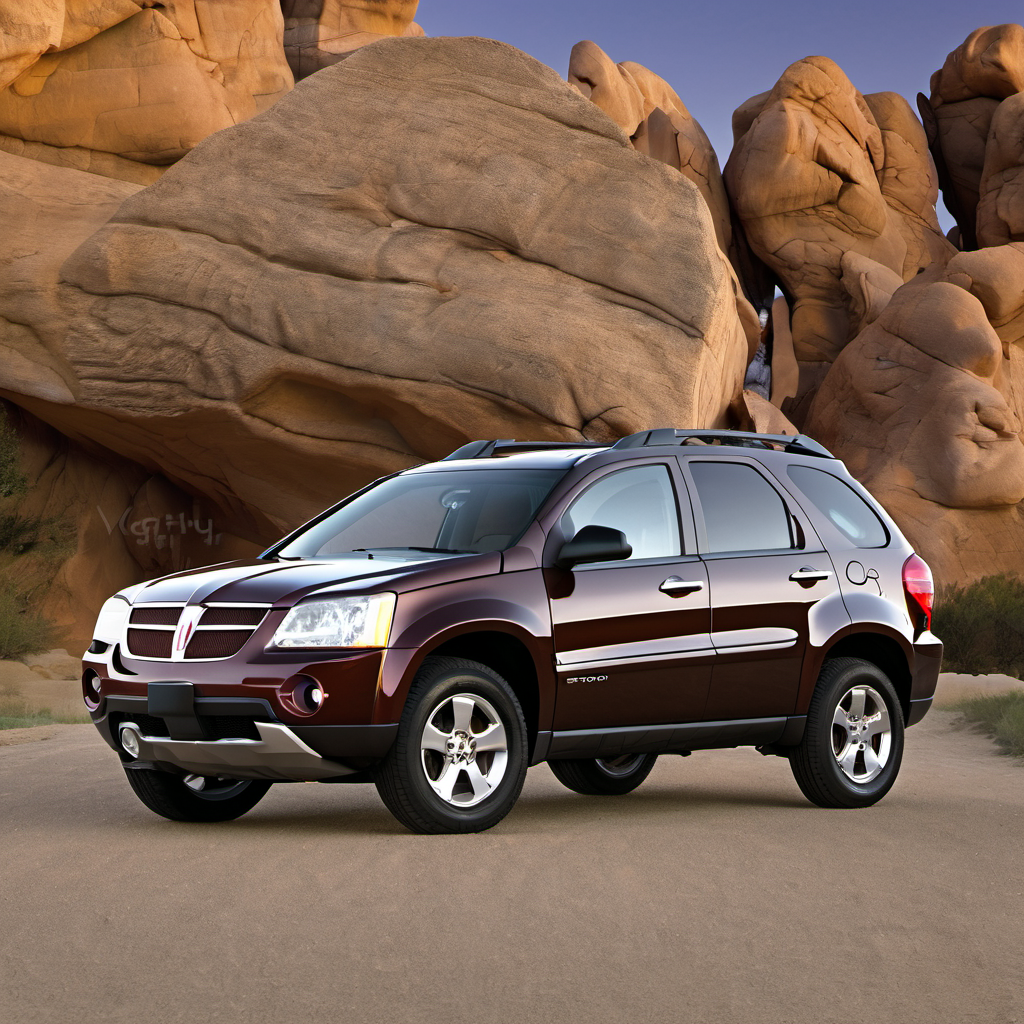
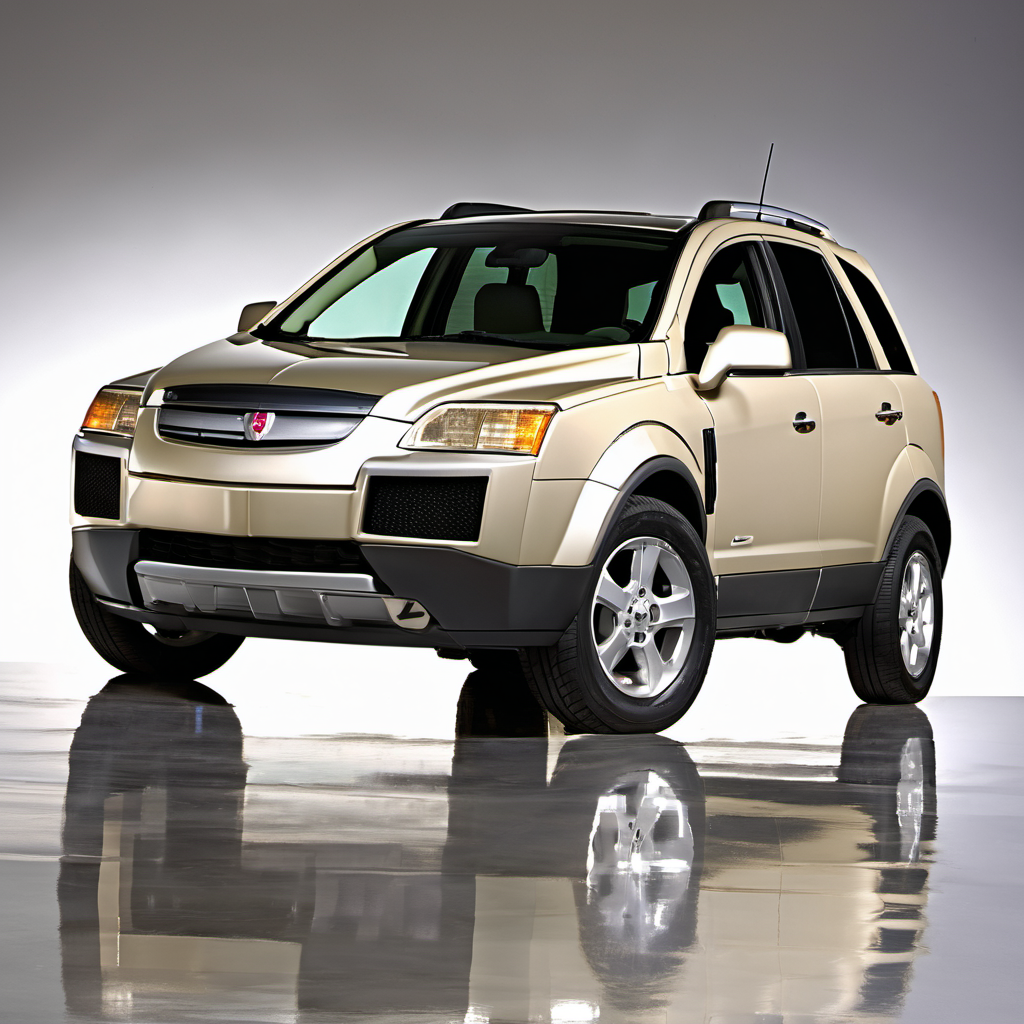
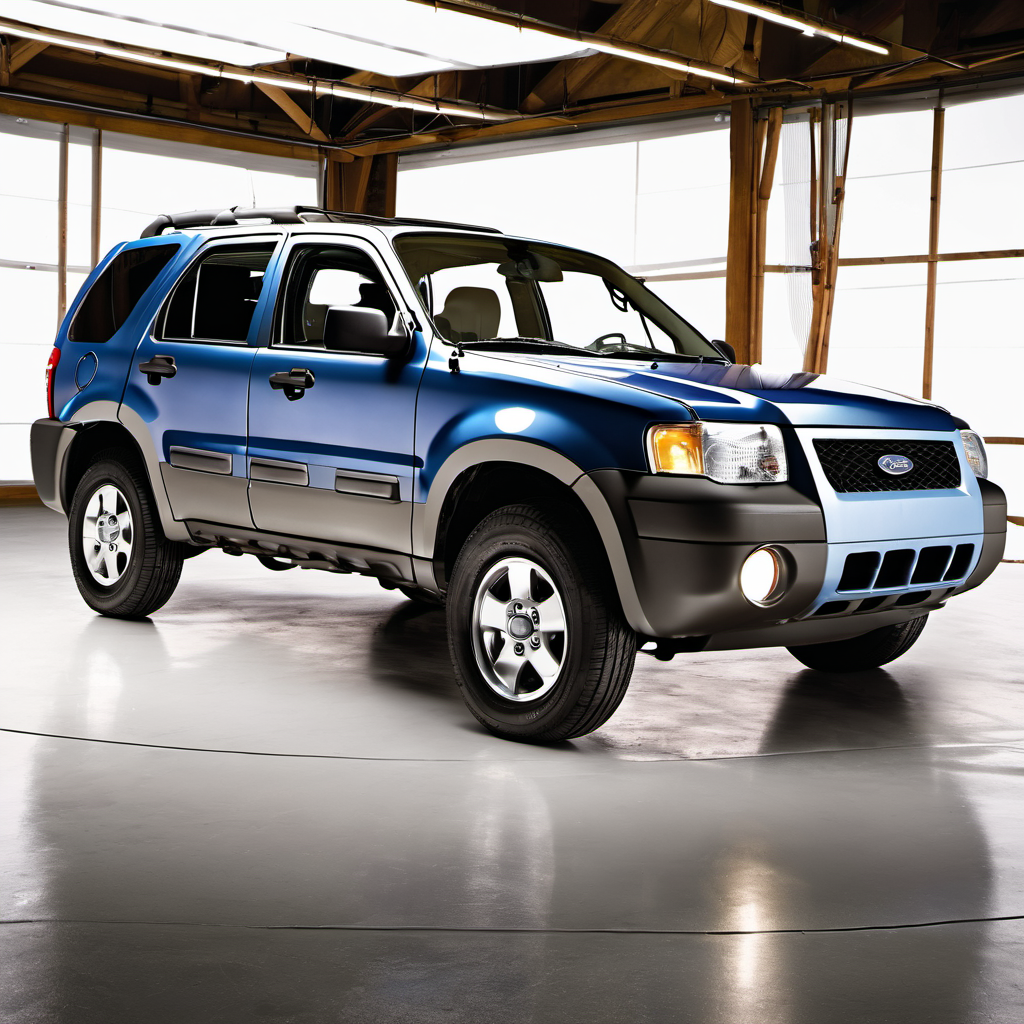
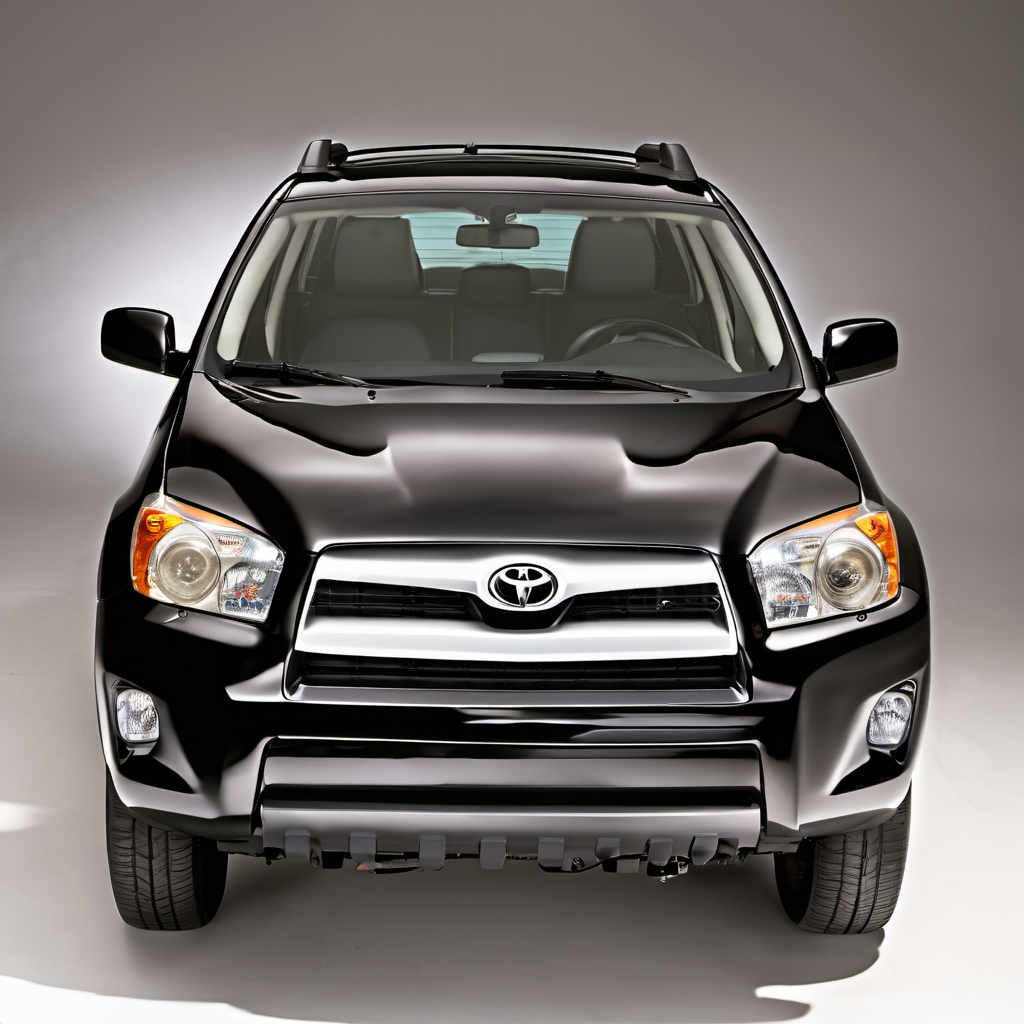
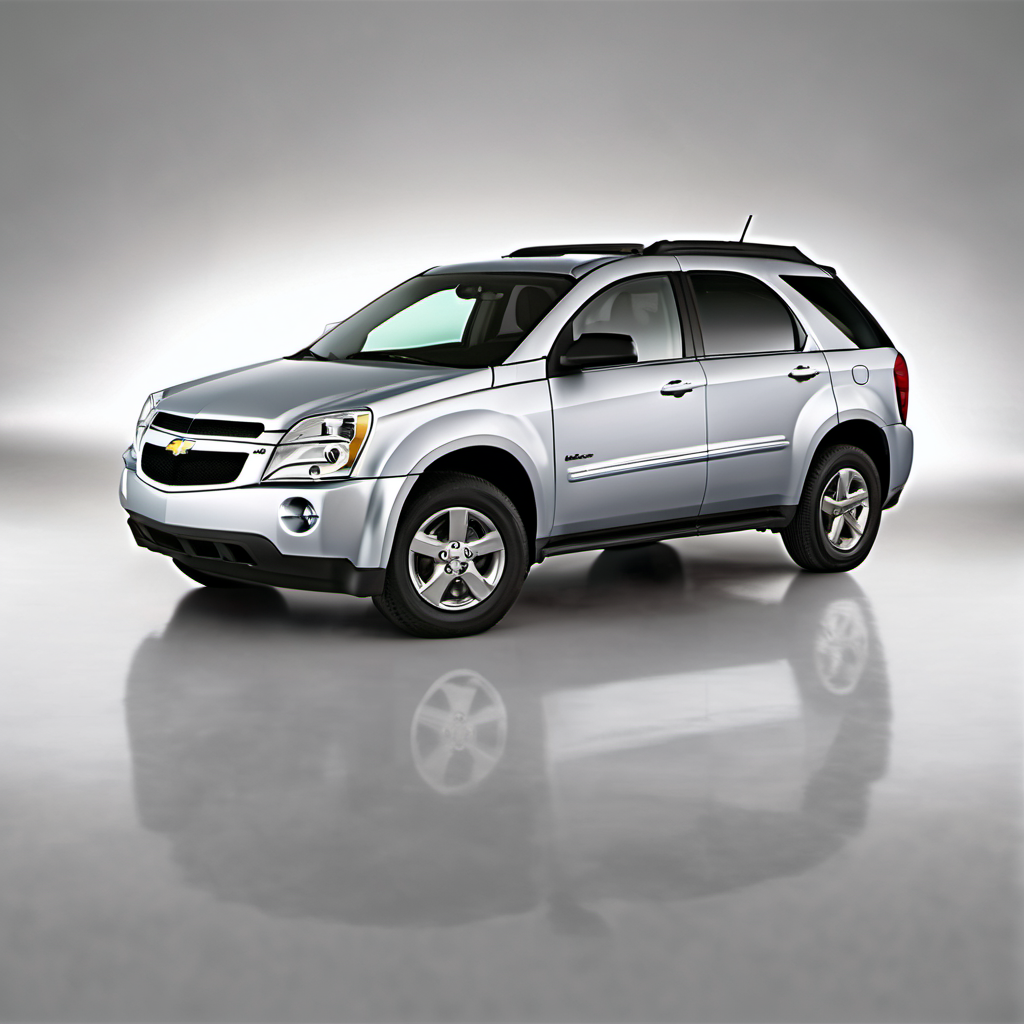
2007 Pontiac Torrent SUV

2007 Pontiac

TorrentSUV

SUV

The 2007 Pontiac Torrent is a compact crossover SUV built on GM's Theta platform, sharing its bones with the Chevrolet Equinox. It was positioned as the sportier-looking alternative in GM's lineup, though mechanically the two are nearly identical. Powered by a 3.4L V6, it offered adequate power for daily driving and light hauling, with seating for five and a practical cargo area. The Torrent was a decent value buy when new, but it's now an aging platform with parts availability that thins out as years pass. Pontiac as a brand was discontinued in 2010, which means no dealer support and fewer brand-specific resources — though since it shares so much with the Equinox, most mechanical parts and repair know-how transfer directly. For a used buyer in 2024, the Torrent can still be a reliable workhorse if it's been maintained, but its age means rust (especially in Wisconsin), worn suspension, and transmission health are all legitimate concerns. Budget accordingly for deferred maintenance.

Reliability
2/5
Verified data
Specs shown for Torrent FWD — the most common configuration. Other trims may vary in engine, drivetrain, or fuel economy. Sign in to see your vehicle's exact specs.
Engine
[object Object]
Drivetrain
FWD
Fuel
Gasoline
MPG
17 city / 24 hwy / 20 combined
Seats
Doors
Body
Sport Utility Vehicle - 2WD

Overview

AI-curated

The 2007 Pontiac Torrent is a compact crossover SUV built on GM's Theta platform, sharing its bones with the Chevrolet Equinox. It was positioned as the sportier-looking alternative in GM's lineup, though mechanically the two are nearly identical. Powered by a 3.4L V6, it offered adequate power for daily driving and light hauling, with seating for five and a practical cargo area. The Torrent was a decent value buy when new, but it's now an aging platform with parts availability that thins out as years pass. Pontiac as a brand was discontinued in 2010, which means no dealer support and fewer brand-specific resources — though since it shares so much with the Equinox, most mechanical parts and repair know-how transfer directly. For a used buyer in 2024, the Torrent can still be a reliable workhorse if it's been maintained, but its age means rust (especially in Wisconsin), worn suspension, and transmission health are all legitimate concerns. Budget accordingly for deferred maintenance.

Known for
  • Shared Chevrolet Equinox platform — parts and repair knowledge transfer well
  • 3.4L V6 offers adequate but not impressive performance
  • Comfortable ride for a compact crossover of its era
  • Practical cargo space with 60/40 split-folding rear seat
Best for
  • Budget-conscious buyers needing a daily driver crossover
  • Buyers comfortable with older GM vehicles and their quirks
  • Light commuting and city driving
  • Those who want more style than a base Equinox offered
Watch for
  • Rust on frame, subframe, and brake lines — a major concern in Wisconsin
  • Timing chain and oil consumption issues on the 3.4L engine
  • Transmission reliability at higher mileage
  • Discontinued brand means fewer OEM parts; some body trim is hard to source
  • Head gasket vulnerability on the 3.4L V6 — a known GM weakness

Common issues by mileage

6 known

Head Gasket Failure (3.4L V6)

high
Typically appears
80–130k mi
Estimated repair
$900 – $1,600

Oil Consumption / Valve Cover Gasket Leaks

high
Typically appears
60–120k mi
Estimated repair
$150 – $400

Intake Manifold Gasket Failure (lower intake coolant leak)

high
Typically appears
70–120k mi
Estimated repair
$400 – $750

5-Speed Automatic Transmission Slipping or Harsh Shifts

medium
Typically appears
90–150k mi
Estimated repair
$800 – $2,800

Front Strut and Suspension Wear

medium
Typically appears
70–110k mi
Estimated repair
$400 – $900

Oxygen Sensor Heater Circuit Faults

medium
Typically appears
80–130k mi
Estimated repair
$150 – $350

Maintenance schedule

  1. 1
    Every 5,000 miles — do not stretch to 7,500+ on this engine Engine oil and filter change

    The 3.4L V6 is prone to sludge buildup and oil consumption. Frequent changes extend ring and gasket life significantly.

  2. 2
    Every 2 years or 30,000 miles Coolant system inspection and flush

    Head gasket and lower intake gasket failures are accelerated by degraded coolant. Use GM-spec Dex-Cool and watch for milky oil or sweet-smelling exhaust.

  3. 3
    Every 30,000–45,000 miles Transmission fluid change

    GM's 'lifetime' fluid recommendation is not realistic on a vehicle this age. Fresh fluid helps prevent harsh shifts and extends transmission life.

  4. 4
    Every 60,000 miles or at any sign of squealing Serpentine belt and tensioner inspection

    Belt tensioners wear on this engine family and a failed belt leaves you stranded.

  5. 5
    Every 60,000 miles Spark plugs replacement

    OEM plugs are due at this interval; worn plugs increase misfires and stress the ignition coils.

  6. 6
    Annually Brake line inspection (especially undercarriage)

    Wisconsin road salt aggressively attacks the steel brake lines on this era GM platform. A corroded line can fail without warning.

  7. 7
    Every 2 years or 30,000 miles Front strut and suspension component check

    Struts and end links wear quickly on Wisconsin roads. Clunking over bumps should be addressed promptly to protect alignment and tires.

  8. 8
    Every fall before winter season Battery load test

    Cold cranking demand on a Wisconsin winter morning will expose a marginal battery. Replace proactively if the battery is 4+ years old.

Always defer to the manufacturer's service manual for warranty-mandated intervals.

Cost of ownership

Annual maintenance
$700 – $1,800
Fuel
At 20 MPG combined and roughly 12,000 miles/year, expect ~600 gallons annually — around $2,100–$2,500/yr at current Midwest gas prices.
Insurance
Typically low — the Torrent is an older, low-value crossover. Expect $800–$1,400/yr depending on coverage level and driving record.

On the surface, the Torrent looks cheap to own — purchase prices are low and insurance is minimal. The real cost risk is deferred maintenance catching up: a head gasket job or transmission service on a vehicle worth $3,000–$6,000 can be a tough financial call. Budget $700–$1,800/yr for maintenance in good years, and keep a $2,000 repair reserve for the inevitable bigger job on a vehicle this age.
Seasonal care

Lake Geneva, WI
Winter
  • Load-test the battery every fall — cold Wisconsin starts at -10°F will kill a weak battery fast.
  • Switch to a full-synthetic 5W-30 oil if not already using one; it flows better in sub-zero temps and protects better on cold starts.
  • Inspect and treat all brake lines and undercarriage with a rust inhibitor before winter; road salt is the number-one killer of this platform.
  • Use winter-rated washer fluid rated to at least -20°F — summer fluid freezes in the reservoir and lines.
  • Replace wiper blades with winter-style blades before the first snow; standard blades ice up and skip.
  • Keep the fuel tank at least half full to prevent moisture in the fuel system and add weight over the drive wheels in slippery conditions.
Summer
  • Check tire pressure monthly — summer heat causes pressure to rise; overinflation causes center tread wear and reduces grip.
  • Have the A/C system inspected if it hasn't been serviced in 3+ years; this era's systems lose refrigerant slowly and blow warm when you need it most.
  • Inspect the coolant overflow reservoir and hoses — heat soak at highway speeds stresses an already head-gasket-vulnerable cooling system.
  • Check accessory belt condition before summer road trips; heat accelerates cracking on aged rubber.

Comparable vehicles

If you're shopping for one

Red flags
  • Milky or sludgy oil — likely head gasket failure; walk away unless you're prepared for an immediate repair.
  • Any rust perforation on brake lines or subframe — safety-critical and expensive to fix properly.
  • Transmission that slips, hesitates, or clunks at highway speeds — rebuilds are costly relative to the vehicle's value.
  • Check engine light with camshaft position or VVT-related codes — may indicate low oil pressure or sludge damage.
  • Evidence of overheating (warped hood paint, cracked reservoir, replaced thermostat with no record of why) — cooling system abuse often leads to head gasket failure.
  • No maintenance records whatsoever on a vehicle this age — too many unknowns.
What to inspect
  • Pull the oil dipstick and check for milky, foamy, or caramel-colored oil — a classic sign of head gasket coolant intrusion.
  • Check the coolant overflow reservoir for oil film or brown sludge — another head gasket red flag.
  • Get under the vehicle and inspect brake lines, fuel lines, and the subframe for active rust or perforation — this is a pass/fail item in Wisconsin.
  • Road test for transmission shudder, delayed engagement from a stop, or harsh 1-2 upshifts.
  • Check for front-end clunks over bumps — worn struts and sway bar end links are common.
  • Look for oil seepage around the valve covers and lower intake manifold.
  • Verify the A/C blows cold and the heat works properly — heater core issues exist on this platform.
AI profile generated 1 day ago · claude-sonnet-4-6 · v2.