Turbocharger failure / oil feed line clogging
high- Typically appears
- 60–120k mi
- Estimated repair
- $1,200 – $2,800
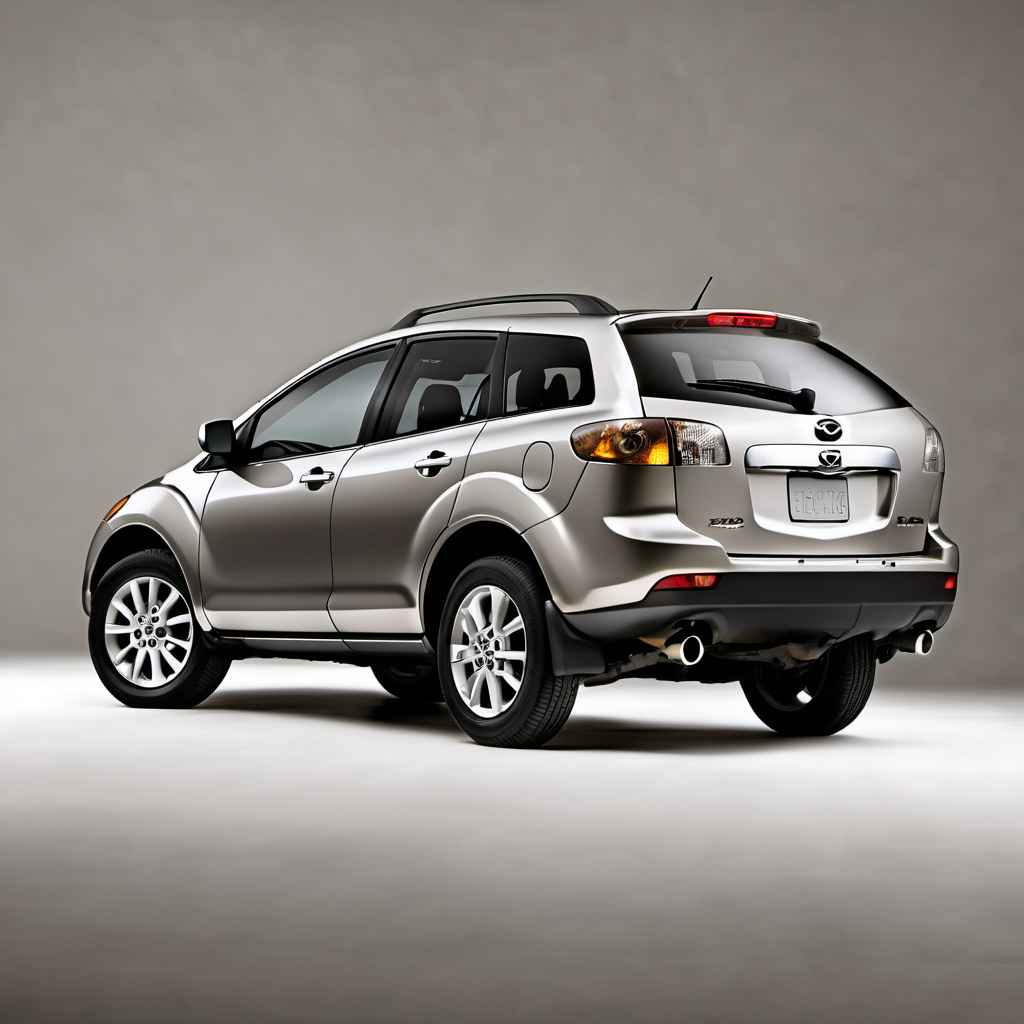
2007 MAZDA
SUV
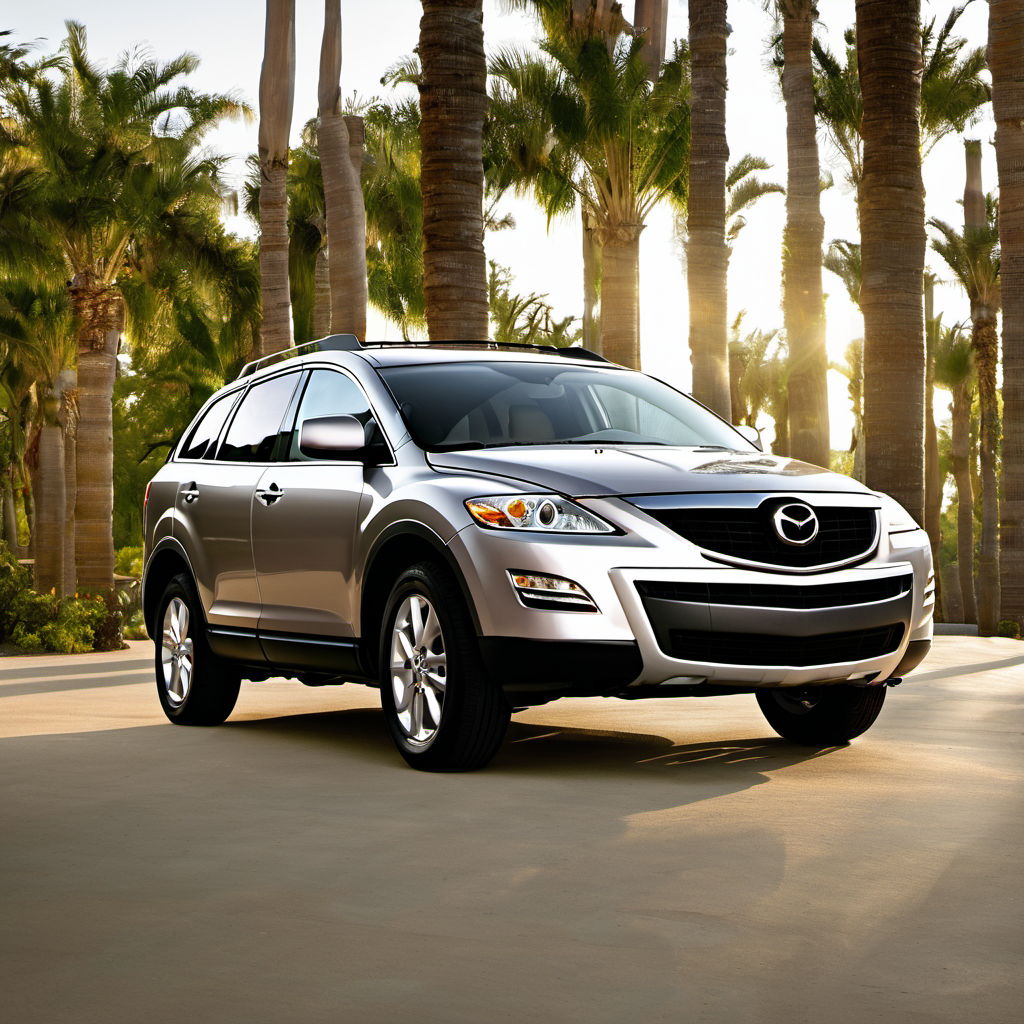
The 2007 Mazda CX-7 was Mazda's first crack at the compact crossover segment, and it wore its Mazda6 MPS/Speed6 DNA proudly — a 2.3L turbocharged four-cylinder, sporty styling, and handling that outclassed most rivals of its day. It aimed squarely at drivers who wanted something fun to drive but needed the practicality of an SUV body. The tradeoff for that fun factor is real: the MZR 2.3T engine is mechanically demanding. It requires premium fuel, strict oil change intervals, and it will punish neglect harshly — particularly through turbo failure and timing chain problems. This is not a set-it-and-forget-it crossover. For the right buyer who stays on top of maintenance, the CX-7 is a rewarding and distinctive choice. For anyone who stretches oil changes or ignores warning lights, repair bills can escalate quickly. Know what you're getting into.
The 2007 Mazda CX-7 was Mazda's first crack at the compact crossover segment, and it wore its Mazda6 MPS/Speed6 DNA proudly — a 2.3L turbocharged four-cylinder, sporty styling, and handling that outclassed most rivals of its day. It aimed squarely at drivers who wanted something fun to drive but needed the practicality of an SUV body. The tradeoff for that fun factor is real: the MZR 2.3T engine is mechanically demanding. It requires premium fuel, strict oil change intervals, and it will punish neglect harshly — particularly through turbo failure and timing chain problems. This is not a set-it-and-forget-it crossover. For the right buyer who stays on top of maintenance, the CX-7 is a rewarding and distinctive choice. For anyone who stretches oil changes or ignores warning lights, repair bills can escalate quickly. Know what you're getting into.
The 2.3T turbo feeds directly from engine oil. Degraded oil clogs the turbo oil feed line, starving the bearings. This is the single most common cause of premature turbo death on this platform. Extend it at the engine's peril.
Carbon deposits accumulate in the small-diameter feed line over time. A partially blocked line reduces lubrication under boost even when oil is fresh. Proactive cleaning is far cheaper than a replacement turbo.
A restricted intake hurts turbo efficiency and can cause the engine to run rich. More frequent checks warranted if driving unpaved roads.
The cooling system works harder with a turbocharged engine. Degraded coolant accelerates corrosion in the aluminum thermostat housing and radiator, leading to leaks.
Worn plugs under boost cause misfires that stress the catalytic converter and can foul the turbo. Stick to manufacturer-spec plugs for this engine.
Mazda's 6-speed automatic is generally durable but benefits from proactive fluid changes, especially if any towing or spirited driving is involved.
Moisture absorption is accelerated in Wisconsin's humidity swings. Wet brake fluid lowers boiling point, a real risk in spirited or hilly driving.
Debris and road grime pack these small drains. A clogged drain sends water into the cabin, soaking carpets, floor modules, and potentially causing mold or electrical faults.
Always defer to the manufacturer's service manual for warranty-mandated intervals.
Budget conservatively. A well-maintained example costs $700–$1,100/year in routine maintenance. However, the turbo and timing chain are time-bomb risks on high-mileage or neglected units — a single turbo replacement wipes out several years of savings. Factor a $1,500–$2,500 reserve fund for drivetrain surprises if buying used. Premium fuel adds meaningfully to annual cost versus competitors using regular.
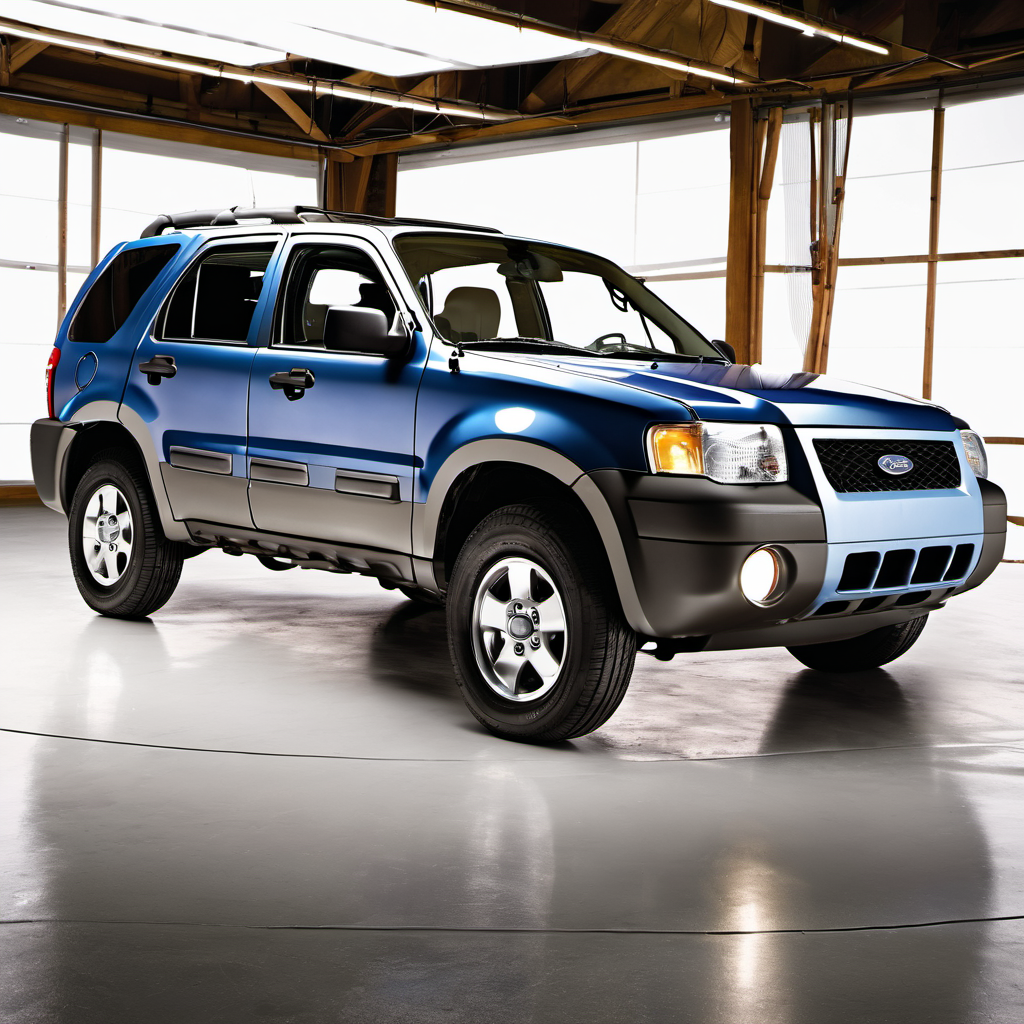
Same compact crossover segment and price bracket, but the 2.3L or 3.0L naturally aspirated engines are considerably less maintenance-demanding and more forgiving of owner neglect.
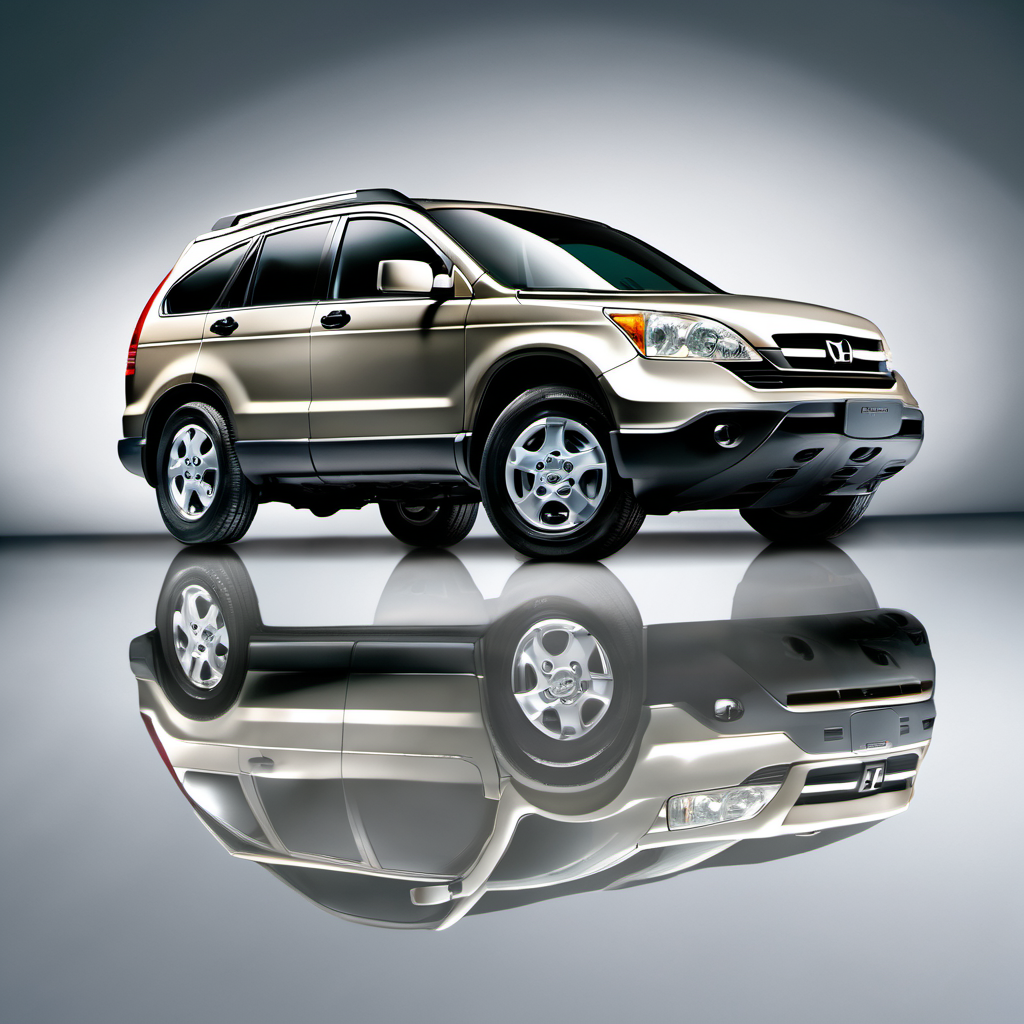
Highly reliable compact crossover rival with similar passenger space. Naturally aspirated, gets better fuel economy on regular fuel, and has a much stronger long-term reliability track record.
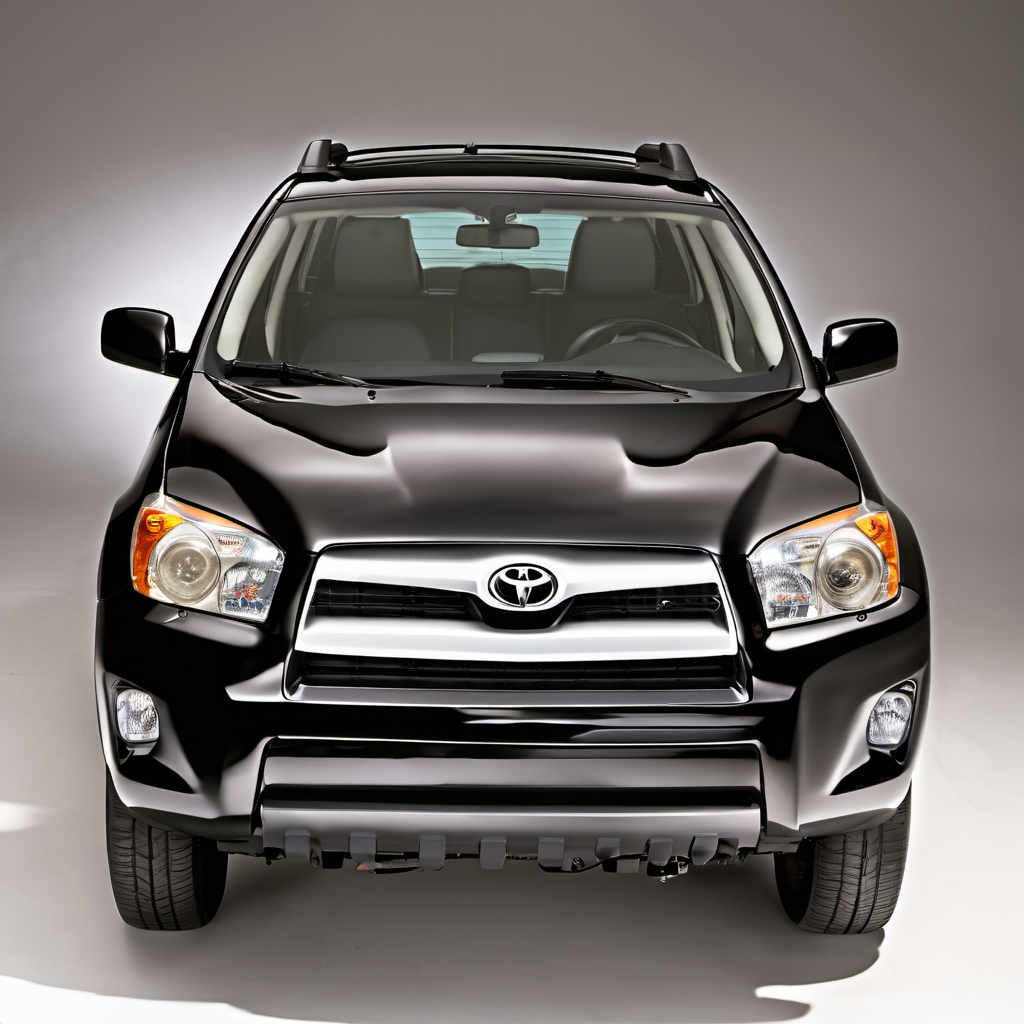
Direct segment competitor with Toyota's proven naturally aspirated V6 or I4. Notably more dependable over high mileage; better resale value; less exciting to drive but far less risky to own used.
Mazda's larger sibling crossover; naturally aspirated 3.7L V6, more family space, and without the turbocharged 2.3L's maintenance sensitivity — worth considering if the CX-7's drivetrain risk is a concern.