VCT / Camshaft Timing Solenoid Failure
high- Typically appears
- 80–150k mi
- Estimated repair
- $150 – $600
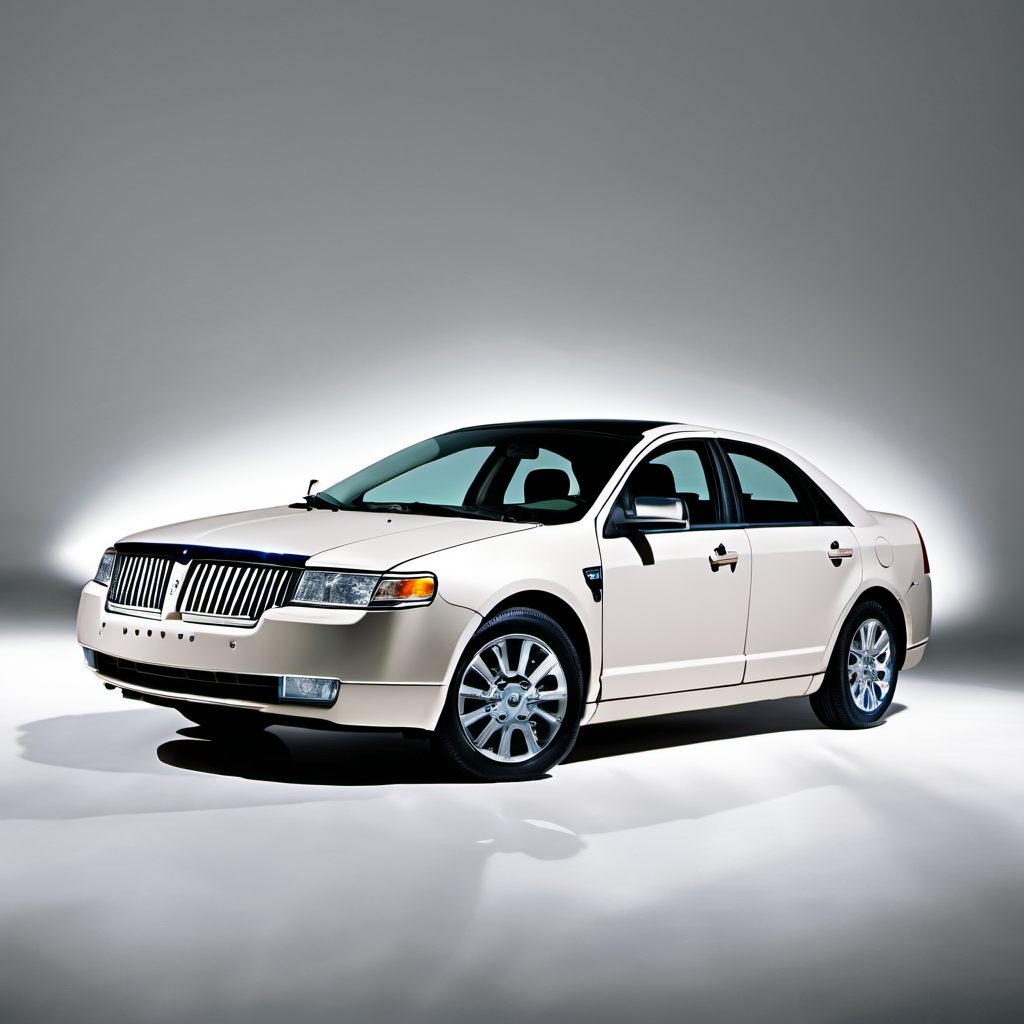
2007 Lincoln
Sedan
The 2007 Lincoln MKZ is a front-wheel-drive or all-wheel-drive mid-size luxury sedan that served as Lincoln's entry into the near-luxury segment, essentially a premium re-skin of the Ford Fusion platform with upgraded interior materials, a smoother ride tune, and a more powerful 3.5L V6. It replaced the Lincoln Zephyr after just one year and represented Lincoln's push to modernize its lineup for younger buyers. For the money — these are now quite affordable used — you get a genuinely comfortable, well-appointed cabin, a refined powertrain, and the option of AWD, which makes it a reasonable year-round sedan in Wisconsin. The 3.5L Duratec V6 is a proven engine with a solid track record when oil changes are kept up. The 6-speed automatic paired with it shifts smoothly and holds up well in normal use. AWD adds traction confidence on Lake Geneva's salted winter roads without the fuel penalty of a truck-based system. That said, the MKZ is a 17+ year old luxury vehicle, and deferred maintenance on a used example can be expensive. Electronics, suspension bushings, and VCT (variable cam timing) components are the areas most likely to need attention on high-mileage cars. Buy a clean, well-documented example and it's an underrated value; buy a neglected one and you may spend more than the car is worth.
The 2007 Lincoln MKZ is a front-wheel-drive or all-wheel-drive mid-size luxury sedan that served as Lincoln's entry into the near-luxury segment, essentially a premium re-skin of the Ford Fusion platform with upgraded interior materials, a smoother ride tune, and a more powerful 3.5L V6. It replaced the Lincoln Zephyr after just one year and represented Lincoln's push to modernize its lineup for younger buyers. For the money — these are now quite affordable used — you get a genuinely comfortable, well-appointed cabin, a refined powertrain, and the option of AWD, which makes it a reasonable year-round sedan in Wisconsin. The 3.5L Duratec V6 is a proven engine with a solid track record when oil changes are kept up. The 6-speed automatic paired with it shifts smoothly and holds up well in normal use. AWD adds traction confidence on Lake Geneva's salted winter roads without the fuel penalty of a truck-based system. That said, the MKZ is a 17+ year old luxury vehicle, and deferred maintenance on a used example can be expensive. Electronics, suspension bushings, and VCT (variable cam timing) components are the areas most likely to need attention on high-mileage cars. Buy a clean, well-documented example and it's an underrated value; buy a neglected one and you may spend more than the car is worth.
The VCT system's oil control solenoids are extremely sensitive to dirty or degraded oil. This is the single most important maintenance item on the 3.5L Duratec. Use a full synthetic 5W-20 as specified.
Even with good oil habits, the screens on the VCT oil control solenoids can accumulate sludge. Removing and cleaning or replacing them proactively is cheap insurance against a timing chain job.
Degraded coolant becomes acidic and attacks aluminum engine and cooling system components. Critical given Wisconsin's temperature extremes — verify freeze protection to at least -34°F each fall.
Ford marked this transmission 'lifetime fill,' but that designation doesn't hold up on high-mileage used vehicles. Fresh fluid protects the 6-speed clutch packs and valve body, especially in cold-start conditions.
Brake fluid absorbs moisture over time, lowering its boiling point and promoting internal corrosion in calipers and the ABS modulator — a bigger concern in a wet Wisconsin climate.
The 3.5L uses iridium plugs rated for ~60k miles. Letting them go longer causes misfires and can strain ignition coils. All six are accessible but the rear bank requires some extra effort — do coils at the same time if any show cracking.
Lake Geneva roads are heavily salted. Brake lines, fuel lines, and exhaust components on a 17-year-old car are at serious risk. An annual lift inspection in spring catches problems before they become safety issues.
The AWD system and worn suspension bushings can accelerate uneven tire wear. Consistent rotation and keeping alignment in spec protects a set of tires that would otherwise wear prematurely on Wisconsin's uneven roads.
Always defer to the manufacturer's service manual for warranty-mandated intervals.
The MKZ's low purchase price is its biggest ownership advantage, but don't mistake cheap acquisition cost for cheap ownership. A well-maintained example should run $700–$1,000/year in routine maintenance. A neglected one that needs VCT work, suspension, and brake lines could easily hit $2,000–$3,500 in the first year. Get a pre-purchase inspection — it's the best $100–$150 you'll spend.
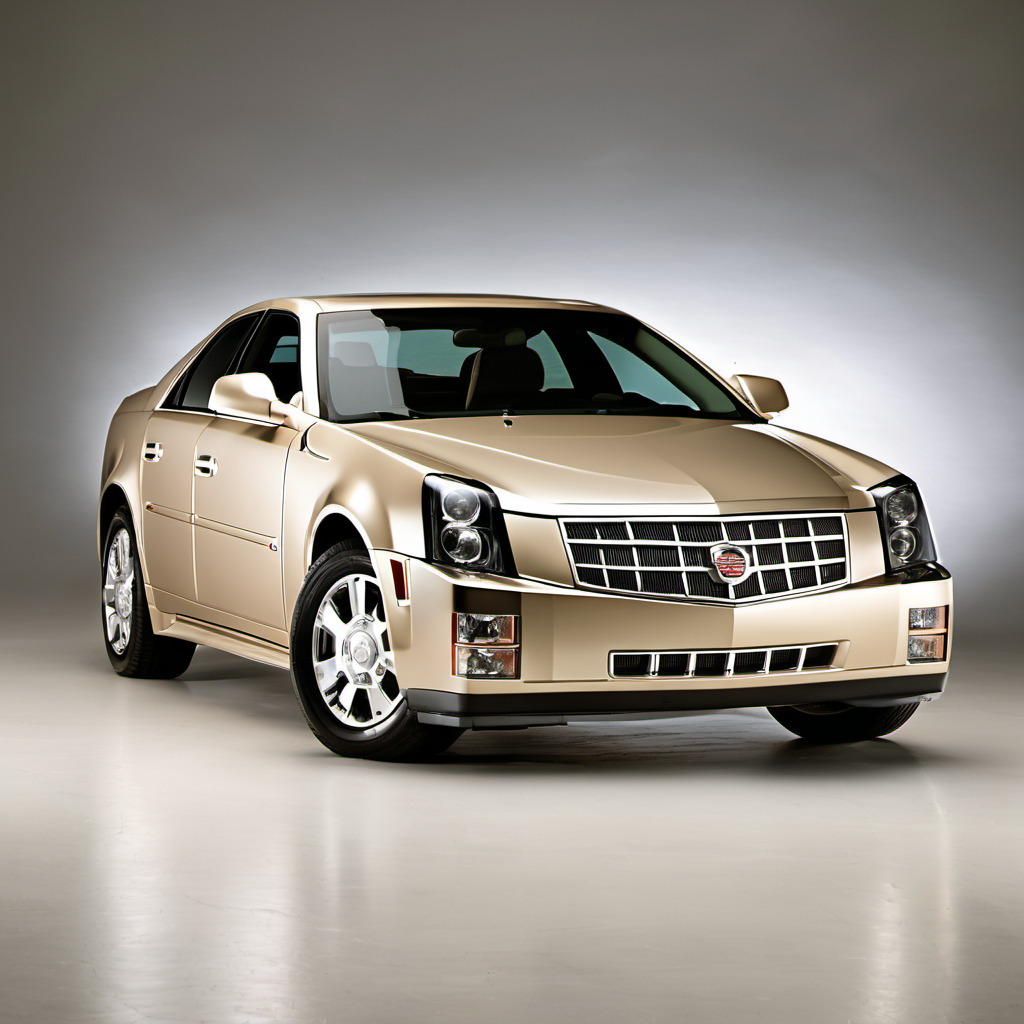
Same near-luxury sedan segment and similar price point used. RWD-based with a sportier character; less comfortable ride but stronger brand cachet. Compare carefully on maintenance history — CTS has its own known issues.
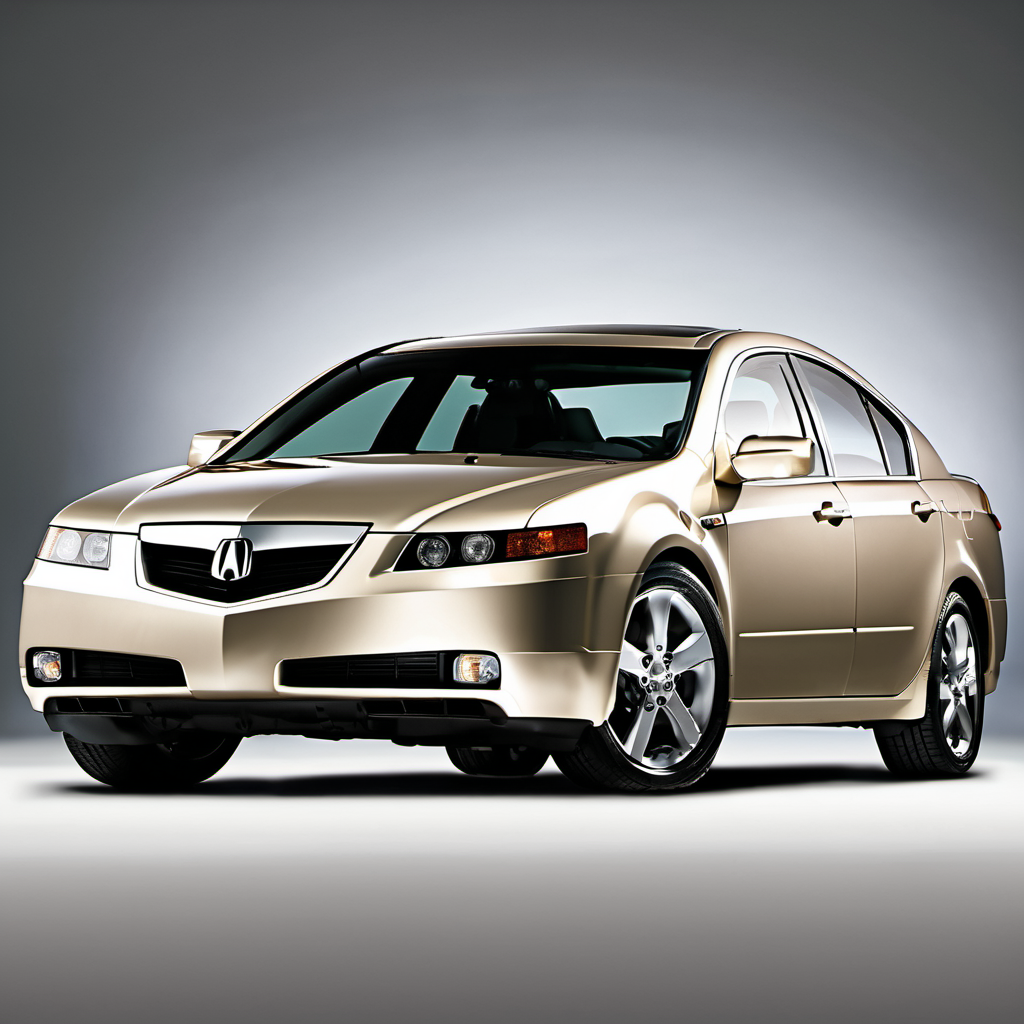
Strong competitor in the same price bracket. Honda-derived V6 is arguably more bulletproof long-term, and the TL has a well-documented owner community. FWD only in this generation (SH-AWD on Type-S), but reliability edge is real.
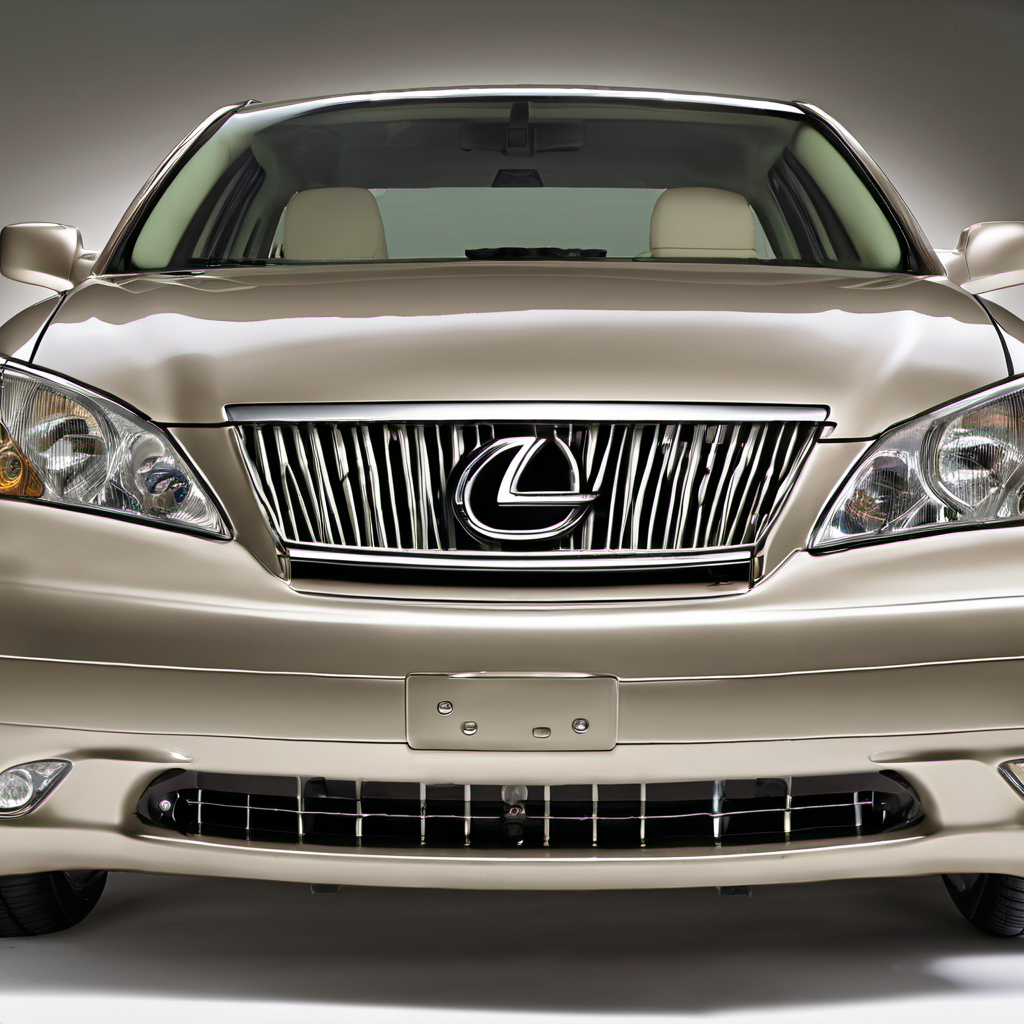
Toyota-based luxury sedan with a class-leading reliability reputation in this era. Usually priced higher used due to demand, but the ownership costs tend to be lower. A strong alternative if budget allows.
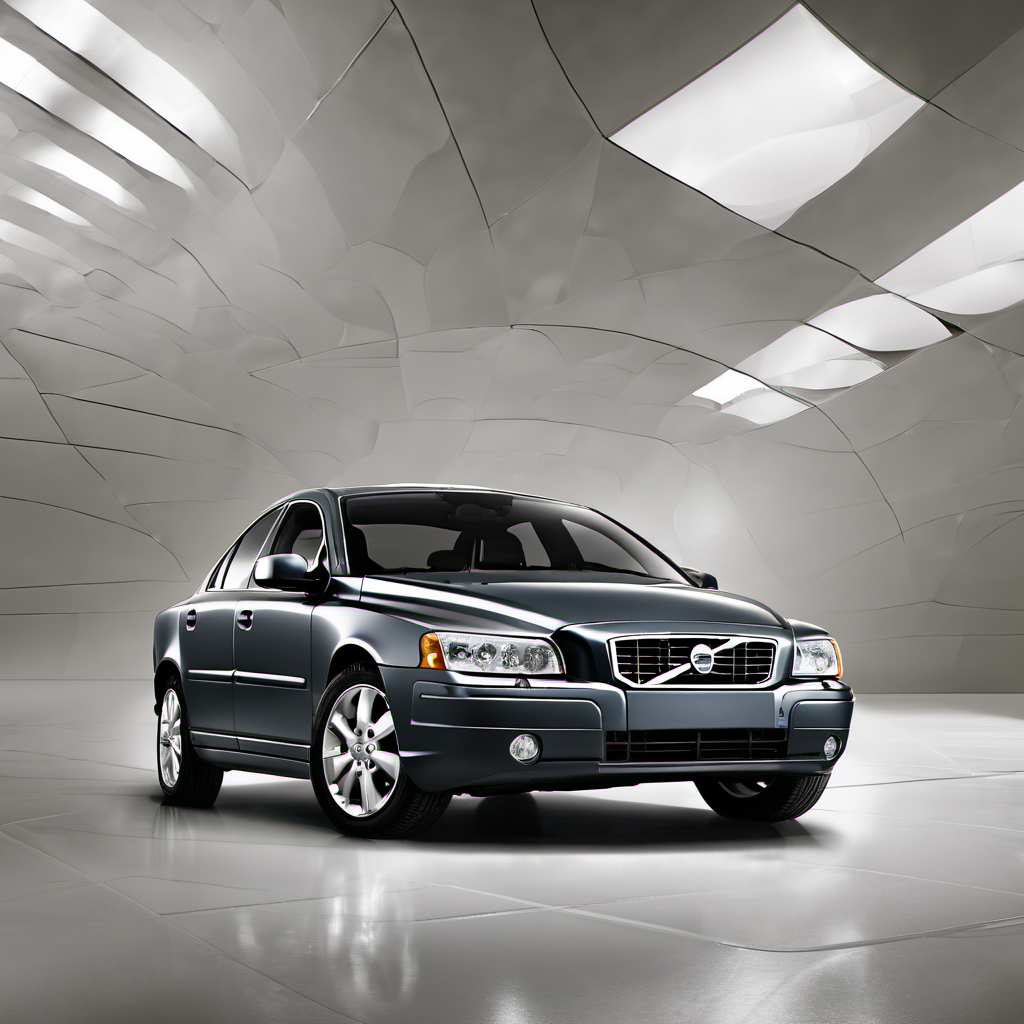
Shares some AWD lineage with the MKZ's AWD system (both sourced from Volvo's Haldex platform). More European driving feel, but parts and specialized service can be harder to find in southern Wisconsin and costs run higher.