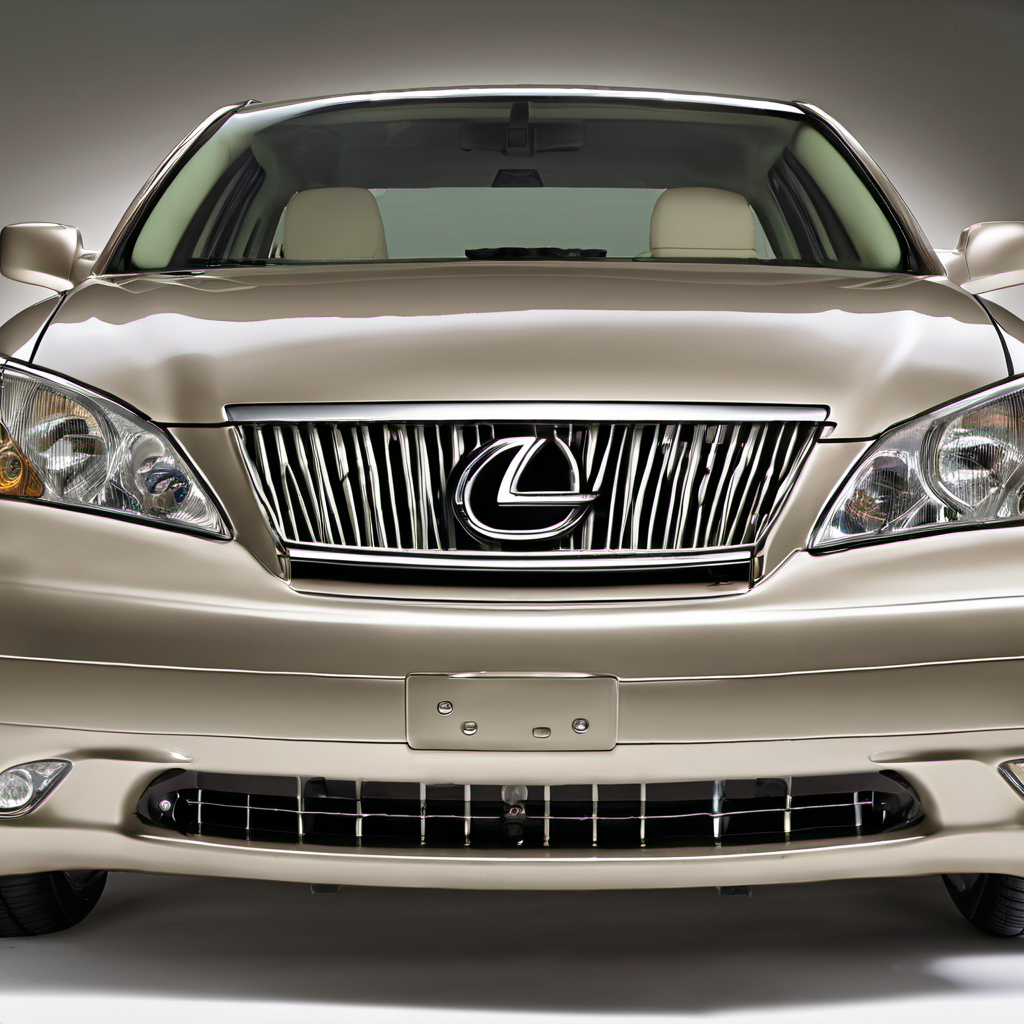
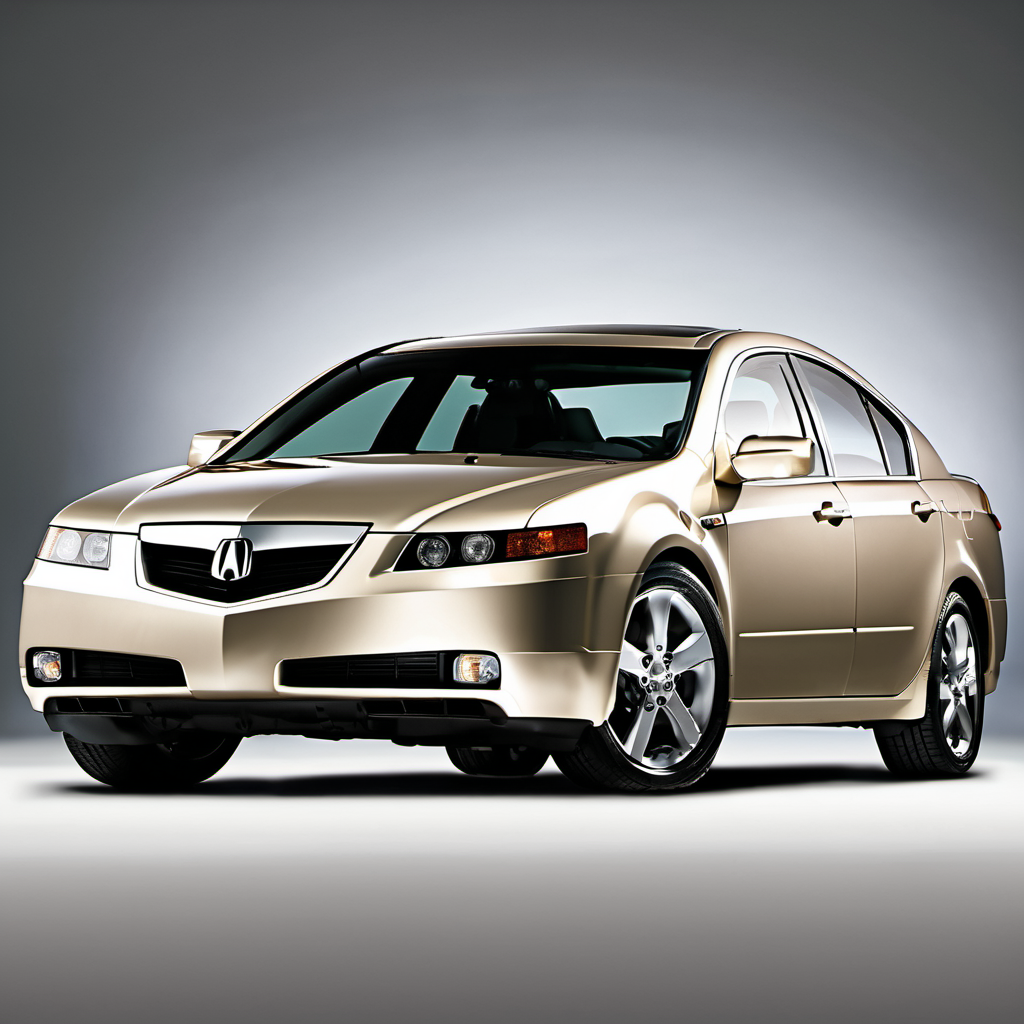
2007 Lexus ES Sedan

2007 Lexus

ESSedan

Sedan

The 2007 Lexus ES 350 is the fourth-generation ES, a front-wheel-drive luxury sedan built on Toyota's Camry platform but finished to a noticeably higher standard. It replaced the ES 330 and brought a significant upgrade: the 3.5L 2GR-FE V6 producing 272 horsepower paired with a six-speed automatic. The result is a car that feels genuinely quick while staying hushed and smooth — Lexus's core promise for this model. For buyers who want near-German refinement without German repair bills, the ES 350 hits a sweet spot. The cabin is quiet even at highway speeds, the ride is well-cushioned without being mushy, and the controls are intuitive. It's not a driver's car — the steering is light and the suspension is tuned for comfort — but that's exactly what its buyers want. At 15+ years old, a well-kept example is still a compelling value buy. These cars routinely clear 200,000 miles with routine maintenance. The main cautions are VVT-i system health (oil change discipline is non-negotiable) and the typical age-related items: suspension bushings, accessory belts, and battery.

Reliability
4/5
Verified data
Specs shown for ES 350 — the most common configuration. Other trims may vary in engine, drivetrain, or fuel economy. Sign in to see your vehicle's exact specs.
Engine
[object Object]
Drivetrain
FWD
Fuel
Premium gasoline
MPG
19 city / 27 hwy / 22 combined
Seats
Doors
Body
Midsize Cars

Overview

AI-curated

The 2007 Lexus ES 350 is the fourth-generation ES, a front-wheel-drive luxury sedan built on Toyota's Camry platform but finished to a noticeably higher standard. It replaced the ES 330 and brought a significant upgrade: the 3.5L 2GR-FE V6 producing 272 horsepower paired with a six-speed automatic. The result is a car that feels genuinely quick while staying hushed and smooth — Lexus's core promise for this model. For buyers who want near-German refinement without German repair bills, the ES 350 hits a sweet spot. The cabin is quiet even at highway speeds, the ride is well-cushioned without being mushy, and the controls are intuitive. It's not a driver's car — the steering is light and the suspension is tuned for comfort — but that's exactly what its buyers want. At 15+ years old, a well-kept example is still a compelling value buy. These cars routinely clear 200,000 miles with routine maintenance. The main cautions are VVT-i system health (oil change discipline is non-negotiable) and the typical age-related items: suspension bushings, accessory belts, and battery.

Known for
  • Exceptional cabin quietness and ride comfort
  • Strong, smooth 272-hp 3.5L V6
  • Outstanding long-term reliability when oil is changed on schedule
  • Upscale interior quality well above the Camry it shares underpinnings with
Best for
  • Highway commuters who want a relaxed, refined ride
  • Buyers seeking luxury-sedan ownership costs closer to mainstream Toyota
  • Retirees or light-use owners who prioritize comfort and low drama
  • Anyone wanting a dependable used luxury car under $15k
Watch for
  • VVT-i sludge from infrequent oil changes — this engine does not forgive neglect
  • Brake actuator noise and feel issues reported on some early examples
  • Age-related suspension bushing and ball-joint wear on high-mileage cars
  • Premium fuel requirement adds to per-mile fuel cost

Common issues by mileage

6 known

Oxygen / Air-Fuel Sensor Heater Circuit Failure

medium
Typically appears
100–160k mi
Estimated repair
$150 – $450

Front Suspension Bushing and Ball-Joint Wear

high
Typically appears
100–160k mi
Estimated repair
$400 – $900

Brake Actuator Noise / ABS Modulator Issues

low
Typically appears
60–120k mi
Estimated repair
$800 – $2,200

Accessory Drive Belt and Tensioner Wear

high
Typically appears
80–120k mi
Estimated repair
$150 – $350

CAN Bus / Module Communication Faults (often battery-related)

low
Typically appears
100k+ mi
Estimated repair
$100 – $600

Maintenance schedule

  1. 1
    Every 5,000 miles or 6 months — do not stretch to 10k Engine oil and filter change (5W-30 full synthetic)

    The 2GR-FE's VVT-i cam phasers rely on clean, full-pressure oil. Extended intervals are the #1 cause of expensive cam phaser and sludge failures on this engine.

  2. 2
    Every 50,000 miles or 5 years Coolant flush

    Toyota Super Long Life coolant loses its anti-corrosion protection over time. Old coolant corrodes the water pump and radiator — both pricey on this car.

  3. 3
    Every 60,000 miles Transmission fluid change

    Lexus marks this 'lifetime' fluid, but in real-world use — especially with a used car of unknown history — a fluid change at 60k intervals keeps the six-speed automatic shifting cleanly well past 200k.

  4. 4
    90,000–100,000 miles Spark plug replacement (iridium plugs)

    Factory iridium plugs are long-lived but worn plugs cause misfires and stress the ignition coils. Replace all six as a set.

  5. 5
    Every 80,000–90,000 miles or at first sign of cracking Accessory drive belt and tensioner inspection/replacement

    A failed belt leaves you stranded and can take the tensioner with it. Inspect annually on a car this age.

  6. 6
    Every 2 years Brake fluid flush

    Brake fluid absorbs moisture over time, lowering boiling point. Wisconsin's temperature swings accelerate this. Fresh fluid protects the ABS actuator — a costly component on this car.

  7. 7
    Every 15,000–20,000 miles Cabin air filter replacement

    A clogged cabin filter reduces HVAC effectiveness and strains the blower motor. Easy DIY job on the ES 350.

  8. 8
    Every spring (after Wisconsin winter) Underbody and chassis inspection for rust

    The ES 350 is not especially rust-prone, but road salt attacks brake lines, subframe bolts, and suspension fasteners. Catch surface rust early — treatment is cheap, replacement is not.

Always defer to the manufacturer's service manual for warranty-mandated intervals.

Cost of ownership

Annual maintenance
$600 – $1,400
Fuel
Premium fuel (91 octane recommended). At 22 MPG combined and 12,000 miles/year, expect roughly $1,800–$2,200/year depending on pump prices. Regular can be used in a pinch but is not recommended long-term.
Insurance
Typically $900–$1,400/year for a driver with a clean record in the Lake Geneva area. Lower than comparable German luxury sedans.

The ES 350 is one of the most economical ways to own a genuine luxury sedan. Parts are Toyota-sourced and widely available, independent shops can work on it without proprietary tools, and the drivetrain is durable. Annual maintenance on a well-kept example runs lower than most competitors in its class. The main budget wildcards are VVT-i repairs if oil changes were skipped by a previous owner, and suspension refresh on high-mileage cars.
Seasonal care

Lake Geneva, WI
Winter
  • Switch to a quality full synthetic 5W-30 oil before first freeze — it flows faster at sub-zero temps and protects the VVT-i system on cold starts.
  • Test the 12V battery every October. The ES 350 has significant electrical load (heated seats, defrost, HVAC) and a marginal battery will fail in the cold. Replace proactively at 4–5 years.
  • Install dedicated winter tires. The ES 350 is FWD-only with a fairly heavy nose — all-seasons are a compromise on Wisconsin roads. Winter tires make a real safety difference.
  • Top off windshield washer fluid with a -20°F or colder rated fluid. The reservoir empties fast on salty Wisconsin roads and standard fluid freezes in the lines.
  • Rinse the underbody and wheel wells every 2 weeks during salting season. Pay attention to brake line routing and the rear subframe area.
  • Check tire pressure monthly — pressure drops roughly 1 PSI per 10°F temperature drop, and underinflation hurts both handling and fuel economy.
Summer
  • Inspect and recharge the A/C system if cooling is weak. The ES 350 cabin is large and the A/C works hard in July and August heat — a low refrigerant charge means the compressor cycles excessively.
  • Check coolant level and condition before summer heat arrives. Confirm the overflow tank is at the correct level — do not open a hot radiator cap.
  • Inflate tires to spec (not the door placard maximum) and recheck after the first hot week — heat adds pressure and overinflation causes uneven wear and a harsher ride.
  • Inspect wiper blades — UV and heat crack rubber faster than cold. Replace if streaking, especially before fall rains return.

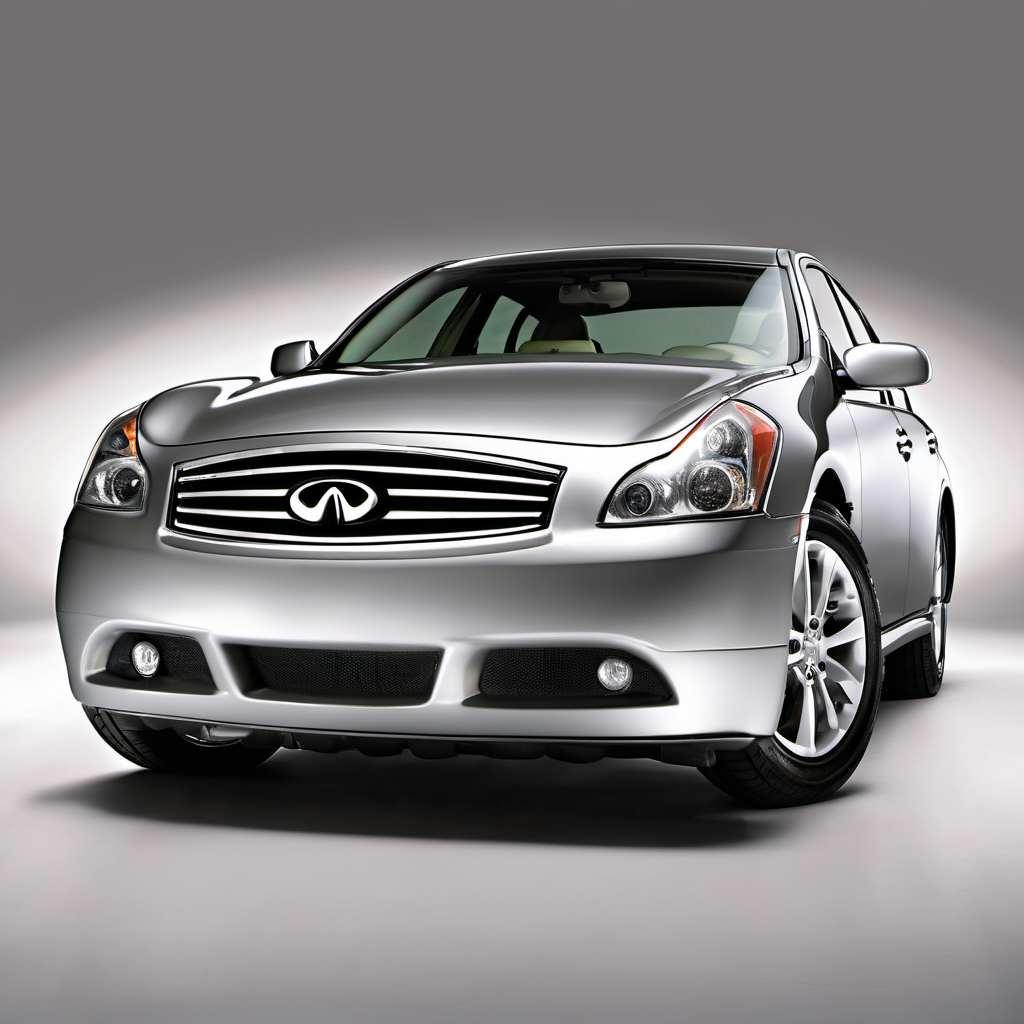
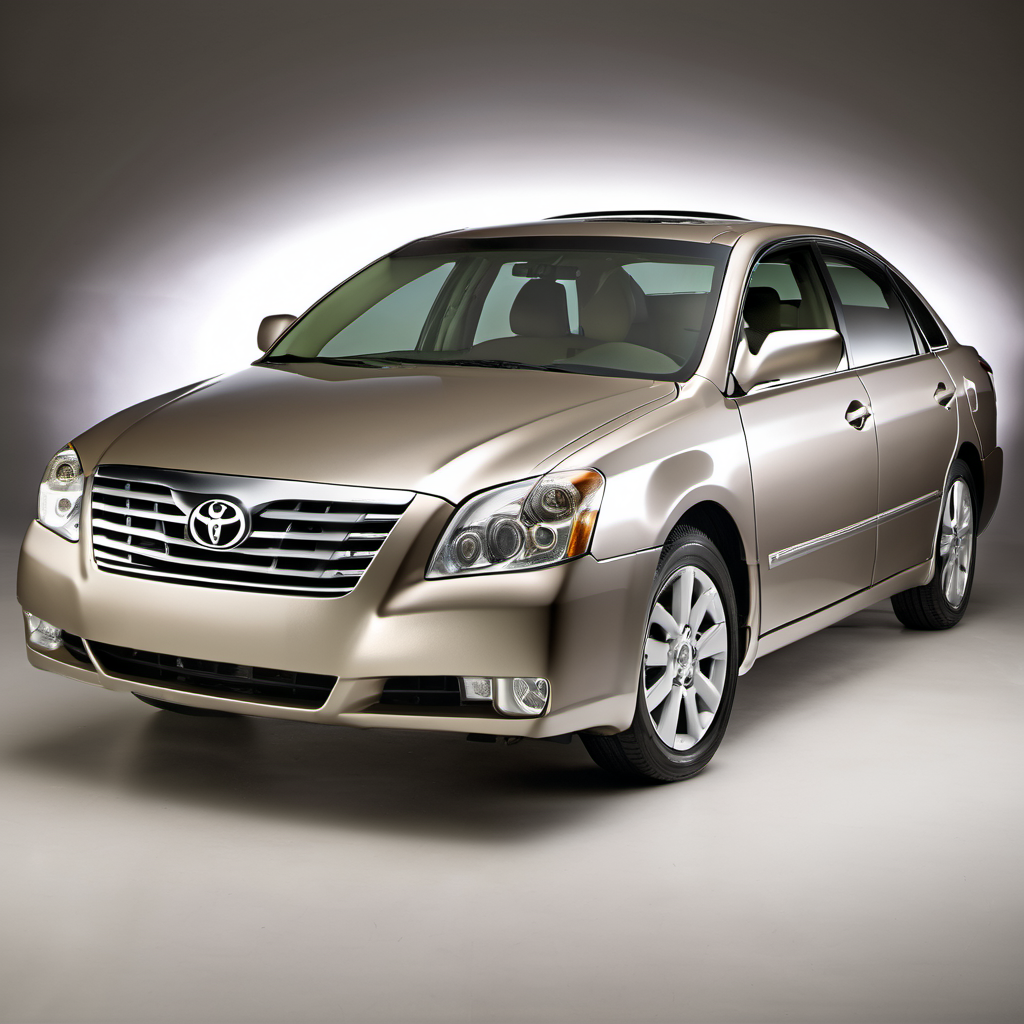
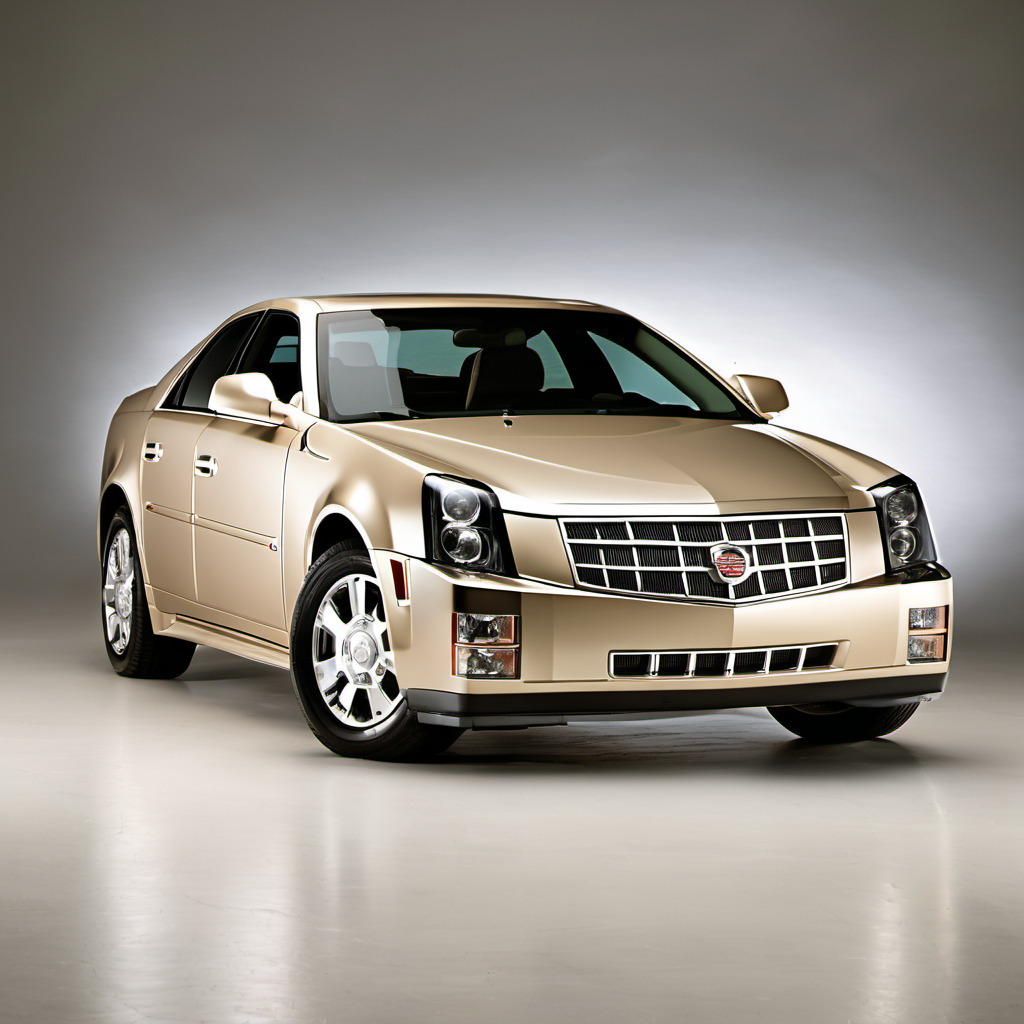
Comparable vehicles

If you're shopping for one

Red flags
  • No oil change records or a single owner who 'did it themselves' with no receipts.
  • Any stored VVT-i or cam timing fault codes — walk away unless priced well below market with full disclosure.
  • Rough idle, hesitation on acceleration, or check engine light — all disproportionately expensive to diagnose on a car this age.
  • Rust on brake lines, floor pans, or subframe — common on Wisconsin cars and a potential safety issue.
  • Mismatched paint panels or gaps in body seams indicating prior collision repair not disclosed by the seller.
What to inspect
  • Pull oil change records or ask for them — this is non-negotiable on this engine. No records means assume the worst and budget for a VVT-i inspection.
  • Check for any stored cam timing DTCs (P0012, P0015, P0022, P0025) with a scanner before purchase. These indicate sludge or phaser wear.
  • Listen for ticking or rattling on cold startup — VVT-i cam phaser noise is a red flag.
  • Inspect the front suspension: grab each front wheel at 9 and 3 o'clock and check for play. Worn ball joints are common at this age and mileage on Wisconsin cars.
  • Test all heated seats, the sunroof, the navigation (if equipped), and the Mark Levinson audio if present — electronics repairs on Lexus infotainment are expensive.
  • Confirm the A/C blows cold and doesn't cycle on and off excessively (low refrigerant sign).
  • Look under the car for rust on brake lines and subframe mounting points — Wisconsin salt is the enemy.
AI profile generated 18 days ago · claude-sonnet-4-6 · v2.