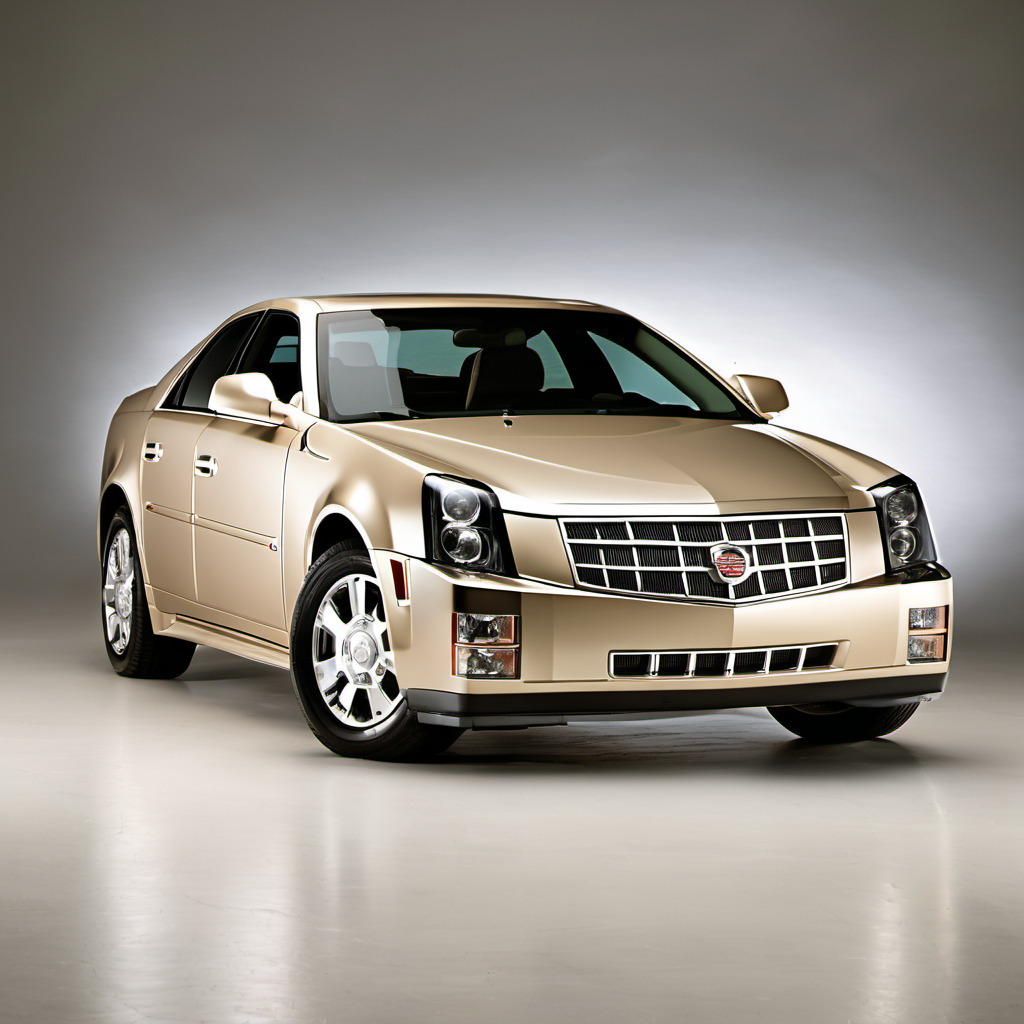
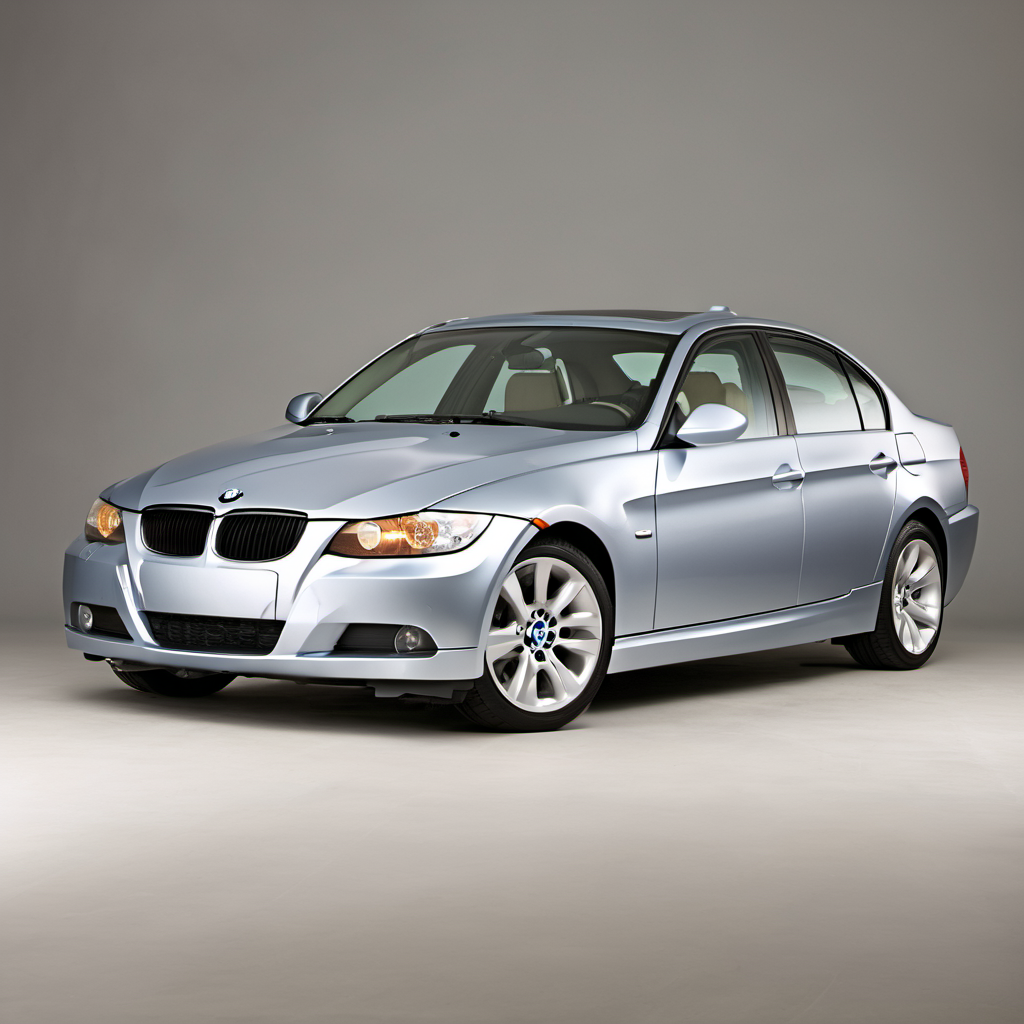
2007 Cadillac CTS Sedan

2007 Cadillac

CTSSedan

Sedan

The 2007 Cadillac CTS is the second-generation version of GM's rear-wheel-drive sport sedan, built on the Sigma platform at the Lansing Grand River Assembly plant. It was Cadillac's attempt to go head-to-head with German sport sedans, and it largely succeeded in feel and handling. The 2.8L V6 base engine is capable but modest — most buyers who wanted performance opted for the 3.6L. Still, the 2.8 is adequate for daily driving and tends to be more affordable to maintain. As a 2007 model, this CTS is nearing the end of the second-generation run (the third gen arrived for 2008), which means it shares DNA with the more polished later cars but with some of the first-gen reliability rough edges still present. Parts availability is good through GM channels and the aftermarket. Independent shops can work on these without issue. This is a used-market buy at this point. The RWD platform is something Wisconsin drivers need to respect — winter tires are a must, not optional. Overall, it's a satisfying driver's car at a reasonable price point, as long as you go in with eyes open about its electrical quirks and the importance of clean oil in the VVT system.

Reliability
3/5
Verified data
Specs shown for CTS — the most common configuration. Other trims may vary in engine, drivetrain, or fuel economy. Sign in to see your vehicle's exact specs.
Engine
[object Object]
Drivetrain
RWD
Fuel
Gasoline
MPG
15 city / 25 hwy / 19 combined
Seats
Doors
Body
Midsize Cars

Overview

AI-curated

The 2007 Cadillac CTS is the second-generation version of GM's rear-wheel-drive sport sedan, built on the Sigma platform at the Lansing Grand River Assembly plant. It was Cadillac's attempt to go head-to-head with German sport sedans, and it largely succeeded in feel and handling. The 2.8L V6 base engine is capable but modest — most buyers who wanted performance opted for the 3.6L. Still, the 2.8 is adequate for daily driving and tends to be more affordable to maintain. As a 2007 model, this CTS is nearing the end of the second-generation run (the third gen arrived for 2008), which means it shares DNA with the more polished later cars but with some of the first-gen reliability rough edges still present. Parts availability is good through GM channels and the aftermarket. Independent shops can work on these without issue. This is a used-market buy at this point. The RWD platform is something Wisconsin drivers need to respect — winter tires are a must, not optional. Overall, it's a satisfying driver's car at a reasonable price point, as long as you go in with eyes open about its electrical quirks and the importance of clean oil in the VVT system.

Known for
  • Sharp, engaging RWD handling for a domestic sedan
  • Distinctive angular styling that aged well
  • GM's Sigma platform — solid bones shared with the Cadillac STS
  • Variable Valve Timing (VVT) system that rewards clean oil changes
  • Premium interior feel without European parts prices
Best for
  • Drivers who want a sporty sedan with rear-wheel drive feel
  • Cadillac enthusiasts on a budget
  • Someone who will commit to regular oil changes and maintenance
  • Highway commuters who appreciate a comfortable, planted ride
Watch for
  • VVT solenoid and timing issues tied to deferred oil changes
  • RWD is a real liability in Wisconsin winters without proper tires
  • Electrical gremlins in the CAN bus network on higher-mileage examples
  • Undercarriage corrosion from road salt — this is a Lake Geneva car now
  • The 2.8L has less resale appeal and fewer performance parts than the 3.6L

Common issues by mileage

6 known

Instrument Cluster / HVAC Control Module Electrical Faults

medium
Typically appears
90–150k mi
Estimated repair
$150 – $600

Oxygen Sensor / O2 Heater Circuit Failure

medium
Typically appears
70–120k mi
Estimated repair
$150 – $350

Rear Suspension Bushing Wear (Sigma Platform)

high
Typically appears
80–120k mi
Estimated repair
$250 – $700

Maintenance schedule

  1. 1
    Every 5,000 miles or 6 months — do not stretch to OLM max on a used example Engine Oil & Filter Change (5W-30, cartridge filter)

    The VVT cam phasers are oil-pressure dependent. Dirty or low oil is the #1 cause of P0012/P0015/P0022/P0025 codes and expensive phaser replacement. Use the specified 5W-30. Drain plug torque is 18 ft-lb.

  2. 2
    Every 45,000 miles if no service history is known; every 60,000 miles if well-documented Transmission Fluid Change (6-speed automatic)

    GM specs this as 'lifetime' fluid, but in practice fluid degrades and the transmission lives longer with fresh Dexron VI. Common neglect item on used examples.

  3. 3
    Every 60,000 miles Spark Plugs

    Iridium plugs are OEM spec. Worn plugs on a VVT engine can trigger misfires that mimic more expensive problems.

  4. 4
    Every 5 years or 150,000 miles Coolant System Flush (Dex-Cool)

    Dex-Cool is long-life but degrades over time. Old coolant turns acidic and attacks water pump seals and the thermostat housing.

  5. 5
    Every 3 years Brake Fluid Flush

    Brake fluid absorbs moisture over time. In Wisconsin winters, degraded fluid raises the risk of ABS module corrosion and spongy pedal feel in wet/cold conditions.

  6. 6
    Every fall before salt season Undercarriage Inspection & Corrosion Treatment

    Lake Geneva roads get heavily salted. Inspect brake lines, fuel lines, and subframe mounting points. The Sigma platform's rear subframe and control arm brackets are known rust targets.

  7. 7
    Every 7,500 miles Tire Rotation & Alignment Check

    RWD rear tires wear differently from fronts. The rear suspension geometry on the Sigma platform is sensitive to bushing wear — a pulling alignment often means worn rear bushings, not just a toe adjustment.

  8. 8
    Every fall (Wisconsin-specific) Battery Load Test

    The CTS has a substantial electrical load from its CAN bus modules. A weak battery causes network communication faults (U01xx codes) before it fails to start the car. Test before temps drop below 20°F.

Always defer to the manufacturer's service manual for warranty-mandated intervals.

Cost of ownership

Annual maintenance
$600 – $1,400
Fuel
At 19 MPG combined and typical Wisconsin driving patterns, expect roughly $2,000–$2,600/year at current mid-grade fuel prices. The 2.8L does not require premium, but always verify with the owner's manual for the specific model year.
Insurance
Expect mid-range rates for a used luxury sport sedan — typically $900–$1,400/year for full coverage in the Lake Geneva area, depending on driver profile. The RWD classification and sport sedan category push rates slightly above an equivalent FWD sedan.

A well-maintained 2007 CTS 2.8L is a reasonable-cost used luxury car. Routine maintenance is the cheap part; the expensive surprises come from deferred VVT service or electrical module replacements. Budget an extra $500–$1,000 in year one if the service history is incomplete — proactive fluid services are far cheaper than reactive repairs on this platform.
Seasonal care

Lake Geneva, WI
Winter
  • Switch to a dedicated set of winter tires — RWD + Wisconsin winter is a serious combination. All-seasons are not adequate in Lake Geneva snow and ice conditions.
  • Load test the battery every October. The CTS draws significant current from its electronics, and a marginal battery will trigger U01xx network communication faults in cold weather before it fully dies.
  • Use a winter-formula washer fluid rated to at least -30°F. The CTS has a large windshield and highway speeds pull road brine up fast.
  • Inspect rubber door and trunk seals before first hard freeze and treat with silicone lubricant — they crack and freeze shut without attention.
  • Flush brake fluid if overdue — moisture-laden fluid has a lower boiling point and can contribute to ABS actuation inconsistencies in cold, wet conditions.
  • Inspect all underbody brake lines, fuel lines, and suspension components in fall for salt corrosion. Address any surface rust before it progresses through winter.
Summer
  • Check tire pressure after the first warm week — every 10°F increase in ambient temperature raises tire pressure by roughly 1 PSI. Overinflation accelerates center tread wear on RWD rear tires.
  • Inspect and test the A/C system — the CTS cabin heats up quickly with its large glass area. A failing blend door actuator or low refrigerant charge are common complaints at higher mileage.
  • Check coolant level and condition after winter. Salt and freeze/thaw cycles stress the cooling system; look for any signs of weeping at the water pump or thermostat housing.
  • Inspect the serpentine belt and tensioner — heat accelerates belt cracking, and a snapped belt takes out the power steering and charging system simultaneously on this engine.

Comparable vehicles

If you're shopping for one

Red flags
  • Any active VVT/cam phaser DTC codes (P0012, P0015, P0022, P0025) — walk away unless priced to cover full VVT repair
  • No oil change records or evidence of extended intervals
  • Multiple U01xx network communication codes — often signals a dying battery or deeper wiring harness issues
  • Visible rust on brake lines, fuel lines, or subframe — a Wisconsin car with heavy undercarriage corrosion is a money pit
  • Airbag warning light on (B0001–B0005 range) — restraint system faults require diagnosis before purchase, not after
What to inspect
  • Pull codes before purchase — P0012/P0015/P0022/P0025 are immediate red flags indicating VVT neglect
  • Check oil condition and color on the dipstick; sludgy or very dark oil means the VVT system may already be compromised
  • Ask for or verify oil change records — this is the single most important service history item on this car
  • Test all climate control zones and the instrument cluster — module replacements are $150–$600 each
  • Inspect the rear subframe and control arm mounting points for salt corrosion, especially on Wisconsin-registered cars
  • Road test at highway speed and listen for rear suspension clunks over bumps — worn Sigma-platform bushings are common and add up fast
  • Verify the battery holds a load — don't assume a car that starts fine in warm weather has a healthy battery
AI profile generated 24 days ago · claude-sonnet-4-6 · v2.