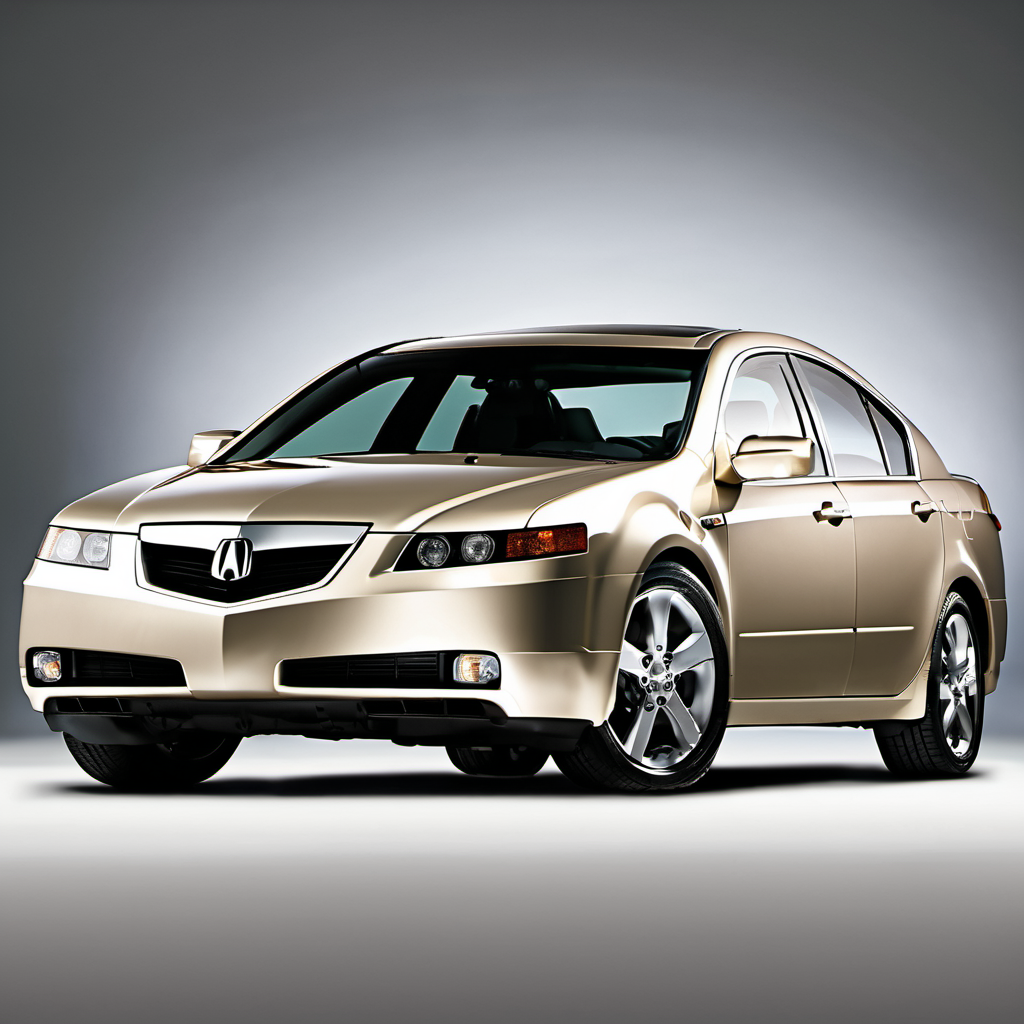
2007 Acura TL Sedan

2007 Acura

TLSedan

Sedan

The 2007 Acura TL is a front-wheel-drive luxury sport sedan powered by Honda's proven 3.2L V6. It sits at the heart of Acura's lineup and was one of the best-selling luxury sedans in America during its generation — a reputation earned by blending near-sports-car performance with everyday reliability and a genuinely upscale interior. This third-generation TL (2004–2008) matured nicely by 2007, with Honda addressing most of the early-run quirks. You get a 258-hp V6 mated to a 5-speed automatic, a well-sorted suspension, and a feature list that was hard to beat at the price — heated leather seats, navigation, Bose audio, and a power moonroof were all standard or near-standard. At this age the TL is firmly in high-mileage territory for many examples, so condition varies widely. The mechanicals are fundamentally sound, but the transmission and VCM oil system are the two areas that separate a great buy from an expensive headache. Buy a clean, well-documented example and you'll have a comfortable, sporty daily driver that won't nickel-and-dime you the way European luxury cars of the same era will.

Reliability
4/5
Verified data
Specs shown for TL — the most common configuration. Other trims may vary in engine, drivetrain, or fuel economy. Sign in to see your vehicle's exact specs.
Engine
[object Object]
Drivetrain
FWD
Fuel
Premium gasoline
MPG
18 city / 26 hwy / 21 combined
Seats
Doors
Body
Midsize Cars

Overview

AI-curated

The 2007 Acura TL is a front-wheel-drive luxury sport sedan powered by Honda's proven 3.2L V6. It sits at the heart of Acura's lineup and was one of the best-selling luxury sedans in America during its generation — a reputation earned by blending near-sports-car performance with everyday reliability and a genuinely upscale interior. This third-generation TL (2004–2008) matured nicely by 2007, with Honda addressing most of the early-run quirks. You get a 258-hp V6 mated to a 5-speed automatic, a well-sorted suspension, and a feature list that was hard to beat at the price — heated leather seats, navigation, Bose audio, and a power moonroof were all standard or near-standard. At this age the TL is firmly in high-mileage territory for many examples, so condition varies widely. The mechanicals are fundamentally sound, but the transmission and VCM oil system are the two areas that separate a great buy from an expensive headache. Buy a clean, well-documented example and you'll have a comfortable, sporty daily driver that won't nickel-and-dime you the way European luxury cars of the same era will.

Known for
  • Smooth, rev-happy 3.2L V6 with strong mid-range pull
  • Sharp steering feel and sporty chassis for a FWD sedan
  • High standard equipment level for the price
  • Honda/Acura long-term mechanical reliability when properly maintained
Best for
  • Daily commuters who want near-luxury comfort without European repair bills
  • Highway cruisers — the V6 is relaxed at speed
  • Buyers who want a sporty feel without AWD complexity
  • Owners willing to stay on top of oil changes to protect the VTC system
Watch for
  • 5-speed automatic transmission — known to fail, especially with infrequent fluid changes
  • Variable Timing Control (VTC) actuator rattle on cold starts
  • Power steering hose leaks on higher-mileage examples
  • Road salt attacking the undercarriage — inspect carefully on any Wisconsin-area used car

Common issues by mileage

6 known

5-Speed Automatic Transmission Failure

medium
Typically appears
100k–160k mi
Estimated repair
$2,200 – $4,500

VTC Actuator Rattle on Cold Start

high
Typically appears
60k–120k mi
Estimated repair
$350 – $750

Power Steering Hose Leak

medium
Typically appears
80k–150k mi
Estimated repair
$200 – $450

Secondary Air Injection (Smog Pump) Failure

low
Typically appears
100k+ mi
Estimated repair
$350 – $800

Maintenance schedule

  1. 1
    Every 5,000 miles or 6 months — do not stretch to the 7,500-mile mark on a used example Engine Oil & Filter Change

    The VTC actuator and VTEC system depend entirely on clean oil pressure. Sludge from long oil change intervals is the #1 cause of cam timing codes and actuator rattle on these engines. Use 5W-20 API SN (or SN Plus / SP) full-synthetic.

  2. 2
    Every 30,000 miles Transmission Fluid Change (Drain & Fill)

    The 5-speed automatic is the TL's biggest vulnerability. Acura says 'lifetime' fluid — ignore that on a used car. Fresh Honda ATF-Z1 or DW-1 every 30k is the single best insurance against a $3,000+ transmission rebuild.

  3. 3
    Every 5 years / 60,000 miles Coolant System Flush

    Honda's blue long-life coolant degrades and becomes acidic past its service life. Acidic coolant attacks the water pump seal and radiator — common failure points on high-mileage examples.

  4. 4
    Every 60,000 miles (iridium OEM spec) Spark Plug Replacement

    The 3.2L V6 uses iridium plugs. Running them too long causes misfires and can trigger VTEC/VTC fault codes. Access to the rear bank requires some patience — budget for the labor if you're not doing it yourself.

  5. 5
    Every 90,000 miles or 7 years Timing Belt & Water Pump Replacement

    This engine uses a timing belt — belt failure means engine destruction. Always replace the water pump, tensioner, and idler at the same time. On any used TL without documented belt service, treat it as overdue.

  6. 6
    Every 30,000 miles or annually Power Steering Fluid Check & Hose Inspection

    Power steering hose seals are a known wear item. Catching a weeping hose early is a $250 fix; ignoring it until the pump runs dry is a $600+ repair.

  7. 7
    Every 3 years Brake Fluid Flush

    Brake fluid is hygroscopic. In Wisconsin's wide temperature swings, moisture-saturated fluid lowers boiling point and accelerates internal corrosion in the ABS modulator.

  8. 8
    Monthly during winter / full inspection each spring Undercarriage Wash & Inspection

    Lake Geneva roads are heavily salted. Inspect brake lines, fuel lines, and subframe mounting points each spring. Rinse the undercarriage regularly through winter to slow corrosion.

Always defer to the manufacturer's service manual for warranty-mandated intervals.

Cost of ownership

Annual maintenance
$600 – $1,400
Fuel
Requires premium (91 octane recommended). At 21 MPG combined and typical driving of 12,000 mi/yr, expect roughly $2,000–$2,400/yr in fuel at current Wisconsin prices.
Insurance
Mid-range luxury sedan — typically $1,100–$1,600/yr for full coverage in southeastern Wisconsin depending on driver profile and coverage level.

Year-to-year costs are reasonable for a near-luxury sedan as long as the timing belt and transmission fluid are kept current. The big-ticket risk is a neglected automatic transmission or a past-due timing belt — either can generate a $2,500–$4,500 bill. A well-maintained example bought with full service records is genuinely affordable to own.
Seasonal care

Lake Geneva, WI
Winter
  • Battery: Cold cranking amps drop sharply below 0°F. Test the battery every fall — this engine's VTC system stresses the electrical system on startup. Replace any battery over 4 years old proactively.
  • Oil viscosity: 5W-20 full-synthetic already handles Wisconsin winters well. Confirm your shop is not substituting a conventional or heavier weight oil.
  • Washer fluid: Use a rated -20°F or colder winter blend. The cowl vent on the TL traps debris that can clog the washer nozzles — clear it before winter.
  • Undercarriage rinse: Salt accumulates rapidly on the brake lines, exhaust, and subframe. Hit a touchless undercarriage wash every 2–3 weeks during salting season.
  • Tire check: The TL's sport-tuned suspension is not forgiving on all-season tires worn past 4/32" in snow. Consider a dedicated winter tire set on a spare wheel — the FWD drivetrain benefits greatly.
  • Warm-up: Let the engine idle 30–60 seconds before driving in extreme cold — not to warm the cabin, but to allow oil pressure to fully reach the VTC actuator before loading the engine.
Summer
  • A/C system: The TL's A/C is a sealed R-134a system. If cooling is weak, have refrigerant charge and condenser inspected — a clogged condenser (bug/debris buildup) is a common and easy fix before recharging.
  • Tire pressure: Ambient heat inflates tire pressure. Check cold pressure monthly in summer — overinflation from heat accelerates center-tread wear on performance-spec tires.
  • Coolant level: Inspect the overflow reservoir monthly in summer heat. A slow weep from the water pump or hose connections is easiest to catch when the engine is running hot.
  • Brake inspection: Summer is the right time for a full brake inspection before winter. Replace any rotors showing heat cracks or excessive rust pitting from the previous winter's salt exposure.

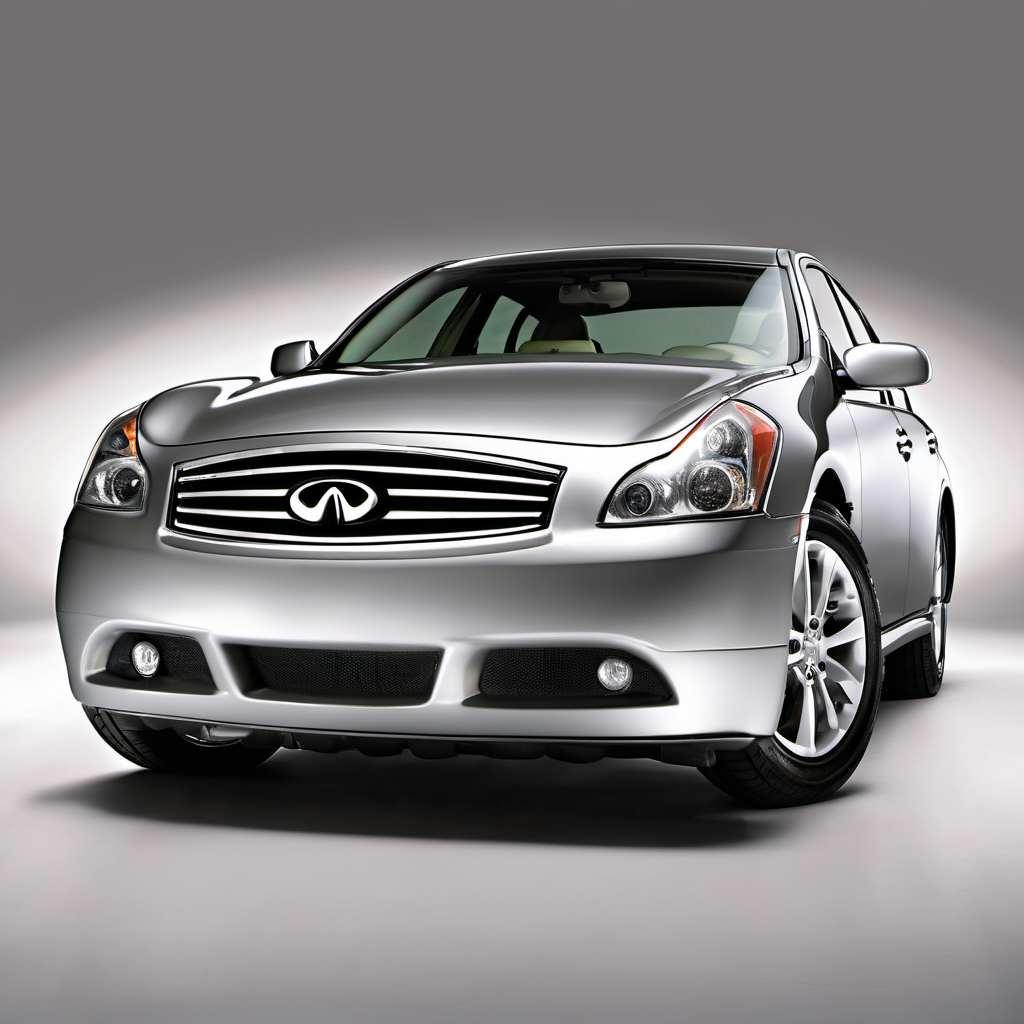
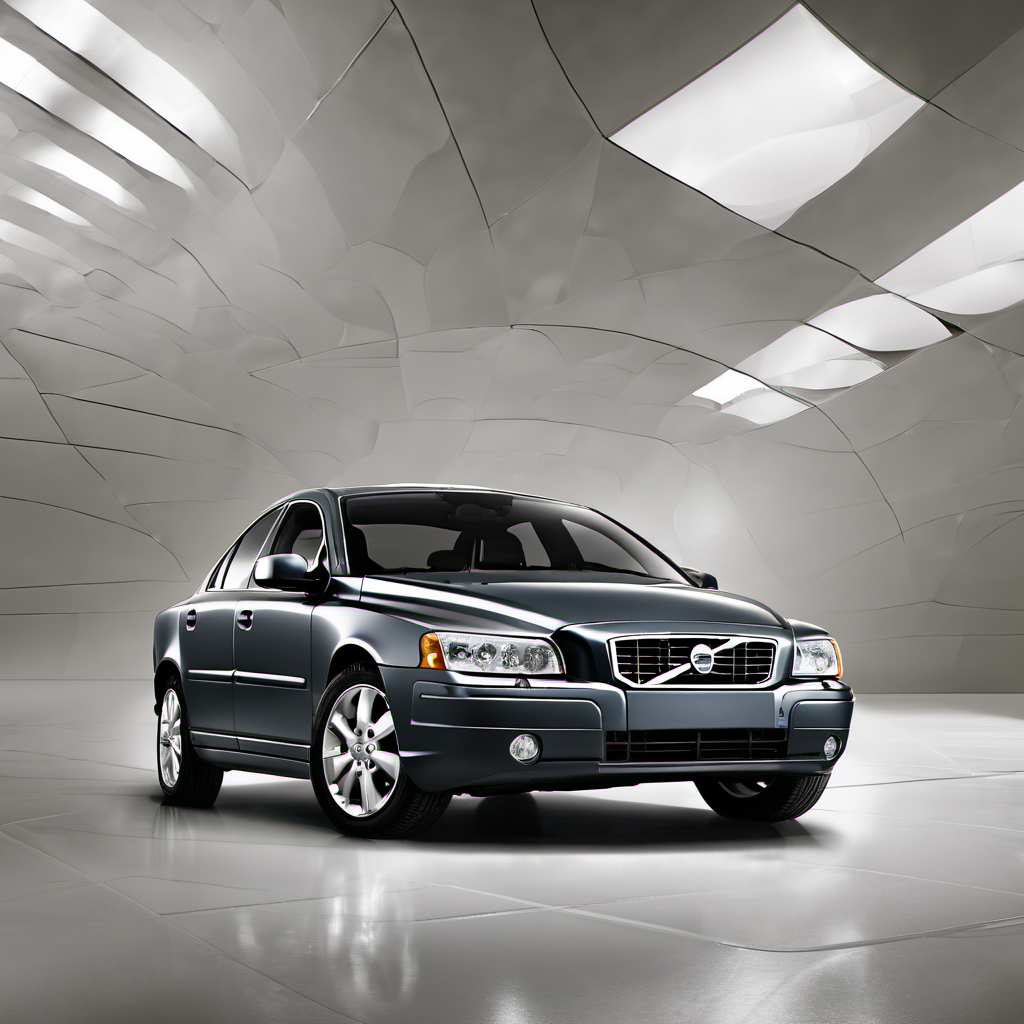
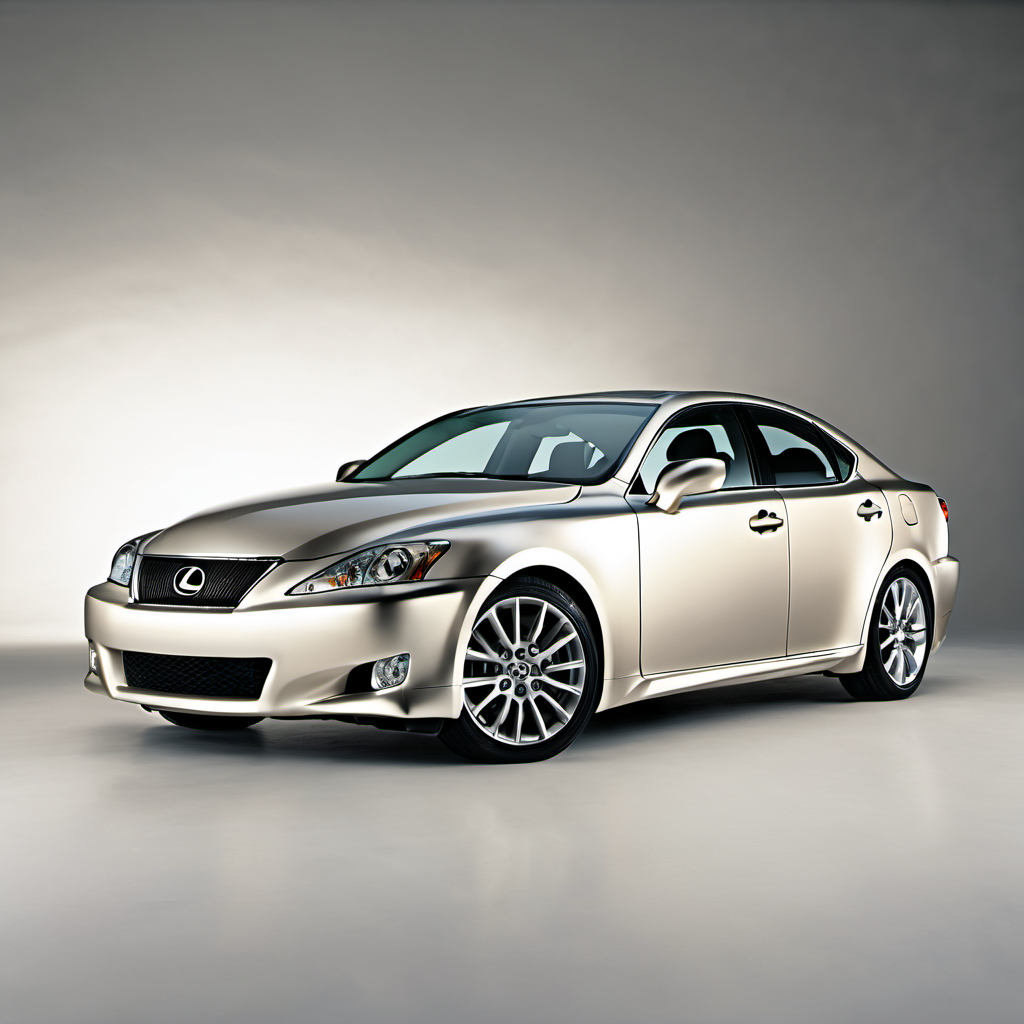
Comparable vehicles

If you're shopping for one

Red flags
  • No timing belt service record on any car above 90,000 miles — walk away or demand a significant price reduction.
  • Transmission fluid that is dark brown, smells burnt, or has never been changed on a car over 80k miles.
  • Any cam timing DTC codes (P0012, P0015, P0022, P0025) in the scan history — could mean oil sludge or a failing VTC actuator that is expensive to diagnose and repair.
  • Visible rust on brake lines or bubbling around subframe mounting points — structural rust is a safety issue and often uneconomical to repair on a car this age.
  • Mismatched or bald tires — signals a seller who deferred maintenance broadly, not just on tires.
What to inspect
  • Timing belt service record — if unknown or overdue past 90k mi, negotiate the cost of belt/water pump/tensioner replacement into the price.
  • Transmission behavior: warm the car fully, then check for any hesitation, shudder on 1-2 upshift, or slipping at highway speeds. These are early signs of a failing 5-speed automatic.
  • VTC rattle: cold-start the engine and listen for a metallic rattle from the front of the engine during the first 5–10 seconds. A brief tick that clears quickly may be acceptable; a persistent rattle is a repair flag.
  • Power steering fluid reservoir — check for low level or milky/dark fluid indicating a slow leak or hose weep.
  • Undercarriage rust inspection — brake lines, fuel lines, and subframe mounting points are critical on any Wisconsin-area car. Have it on a lift before buying.
  • All four tires: check for uneven wear patterns indicating alignment or suspension issues from pothole damage.
AI profile generated 2 hr ago · claude-sonnet-4-6 · v2.