VVT-i Oil Sludge / Camshaft Timing Over-Retarded
medium- Typically appears
- 80–150k mi
- Estimated repair
- $400 – $1,200
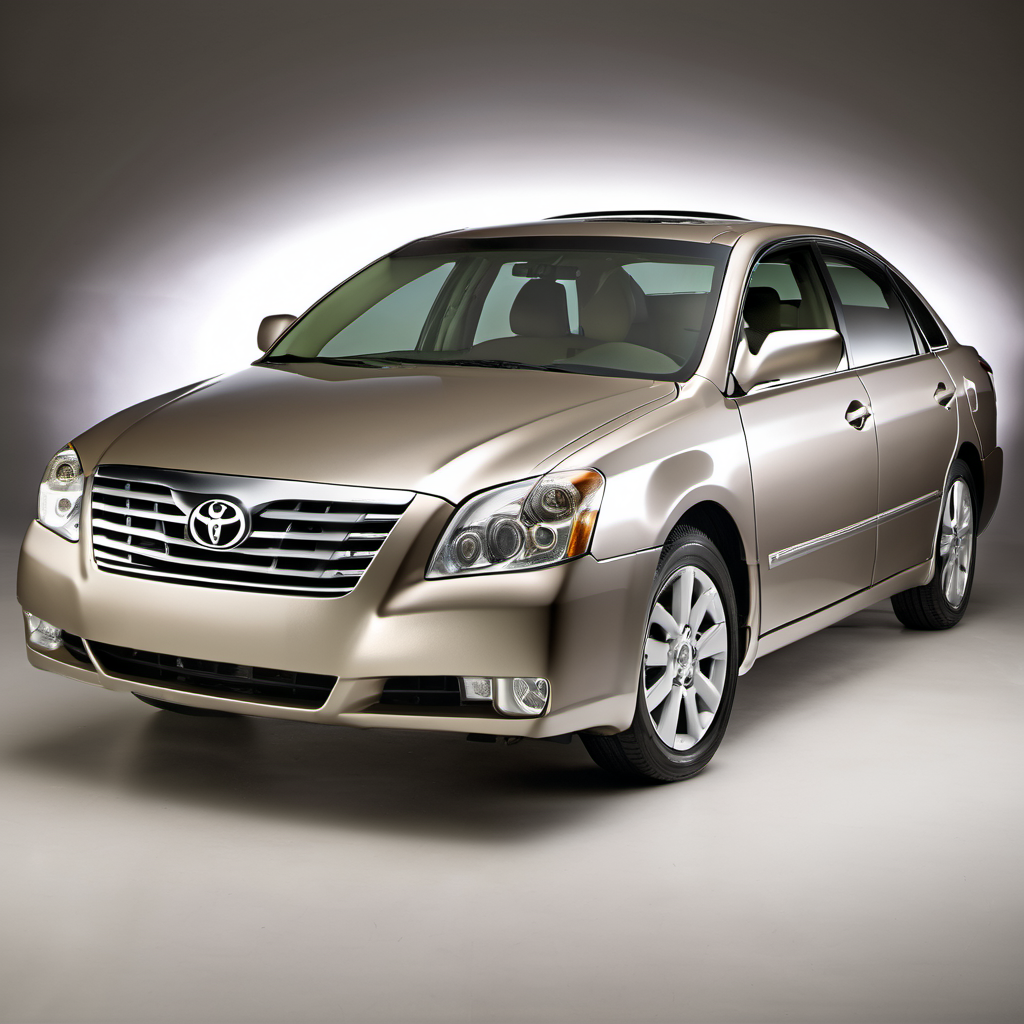
2007 Toyota
Sedan
The 2007 Toyota Avalon is Toyota's flagship full-size front-wheel-drive sedan, sitting above the Camry in the lineup. This second generation of the third-generation Avalon (XV40 platform) pairs a smooth 268-hp 3.5L V6 with a roomy, near-luxury interior at a price well below European rivals. It was built for buyers who want comfort, reliability, and low drama over outright driving excitement. For a used buyer, the Avalon's biggest calling card is its powertrain durability. The 2GR-FE V6 is one of Toyota's most proven engines, and with proper oil change intervals it regularly reaches 200k+ miles without major surgery. The six-speed automatic is equally stout. This is a highway cruiser first — it soaks up miles quietly and efficiently for its size. The main watch-outs on a high-mileage example are VVT-i oil sludge (neglected oil changes are the killer), front strut wear, and the occasional electronics glitch in the climate or navigation system. Find a clean, well-maintained example and you have a very affordable near-luxury cruiser that won't keep you at the shop.
The 2007 Toyota Avalon is Toyota's flagship full-size front-wheel-drive sedan, sitting above the Camry in the lineup. This second generation of the third-generation Avalon (XV40 platform) pairs a smooth 268-hp 3.5L V6 with a roomy, near-luxury interior at a price well below European rivals. It was built for buyers who want comfort, reliability, and low drama over outright driving excitement. For a used buyer, the Avalon's biggest calling card is its powertrain durability. The 2GR-FE V6 is one of Toyota's most proven engines, and with proper oil change intervals it regularly reaches 200k+ miles without major surgery. The six-speed automatic is equally stout. This is a highway cruiser first — it soaks up miles quietly and efficiently for its size. The main watch-outs on a high-mileage example are VVT-i oil sludge (neglected oil changes are the killer), front strut wear, and the occasional electronics glitch in the climate or navigation system. Find a clean, well-maintained example and you have a very affordable near-luxury cruiser that won't keep you at the shop.
This is the single most critical service on this car. Sludge from extended oil changes is the primary cause of VVT-i actuator and camshaft timing failures. Do not stretch intervals.
A 15-minute preventive cleaning on a car this age can save hundreds in actuator replacements down the road.
Toyota marks this transmission 'sealed for life,' but fluid does degrade. Independent shops strongly recommend a drain-and-fill every 30k on used examples with unknown service history to preserve shift quality.
The 2GR-FE uses iridium plugs rated for 60k miles. Running past interval causes misfires and can stress ignition coils.
Mixing coolant types causes corrosion in the aluminum block and heads. Use Toyota-spec coolant only.
Wisconsin winters are hard on batteries over 3–4 years old. A load test in October beats a dead battery in January. Standard washer fluid freezes in the lines — always use winter-rated fluid.
Road salt accelerates mount corrosion. Catching these early avoids steering wander and tire wear surprises.
Moisture in brake fluid lowers its boiling point and accelerates caliper corrosion — an elevated concern in salt-belt states like Wisconsin.
Always defer to the manufacturer's service manual for warranty-mandated intervals.
The Avalon is genuinely inexpensive to own for what it delivers. Annual maintenance on a well-kept example sits in the $500–$1,000 range at an independent shop — mostly oil changes, filters, and tires. The big expenses come from neglect (VVT-i sludge repairs, $400–$1,200) or high-mileage wear items (struts, brakes). Insurance is modest because it's an older, mid-value vehicle. Fuel cost is reasonable for a full-size V6 sedan.
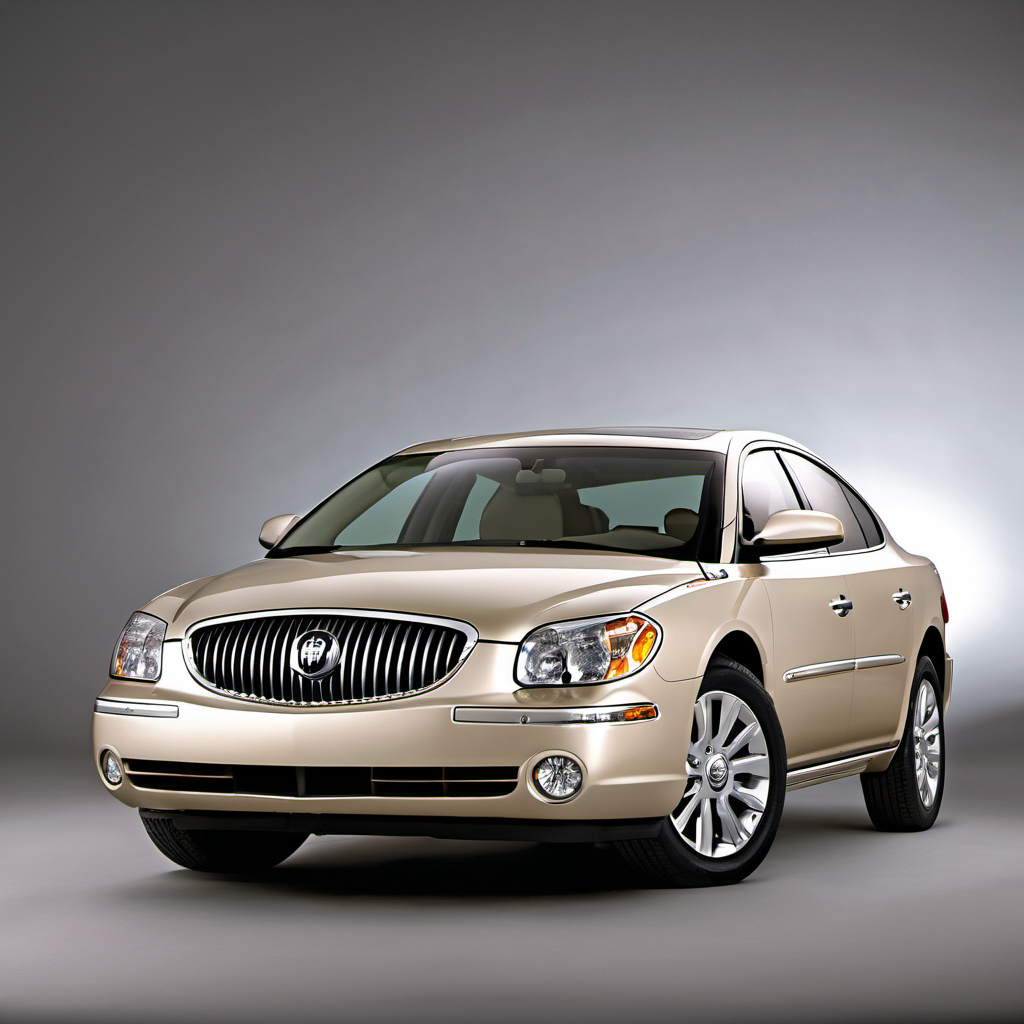
Similar full-size FWD comfort sedan targeting the same buyer, often priced similarly used. Softer ride but less powertrain durability long-term than the Avalon.
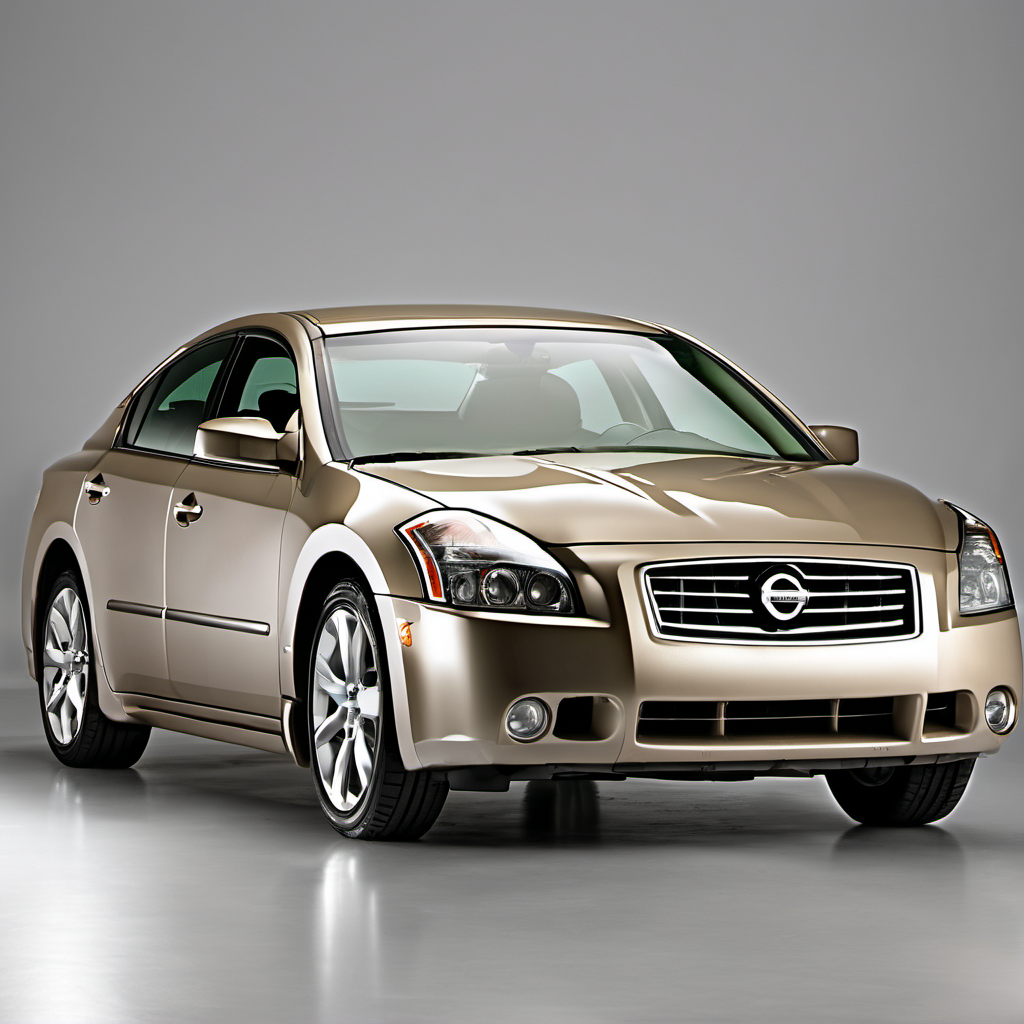
V6-powered FWD full-size sedan in the same price range. Sportier feel than the Avalon but with higher repair frequency on transmissions and electronics at higher mileage.
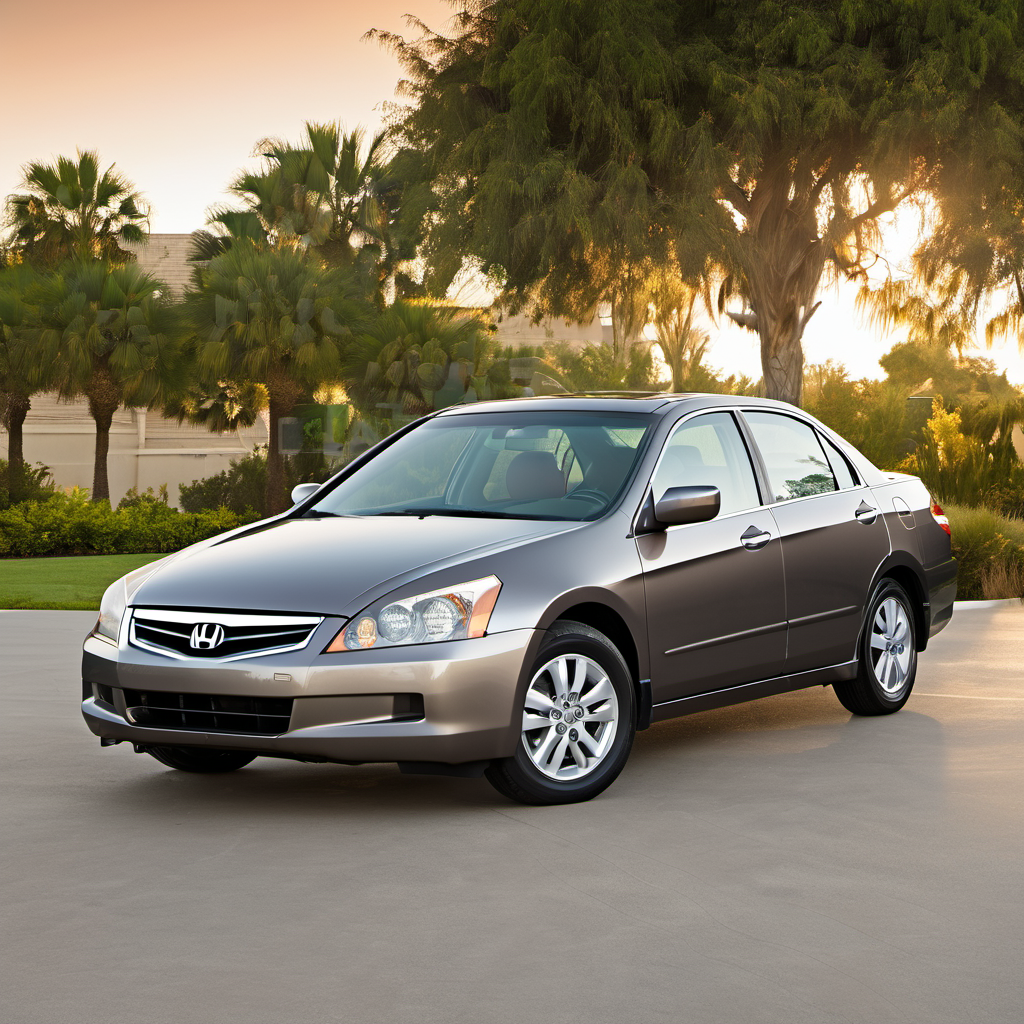
Slightly smaller but similarly reliable and priced lower used. Good alternative if the buyer wants a more driver-focused car with comparable long-term durability.
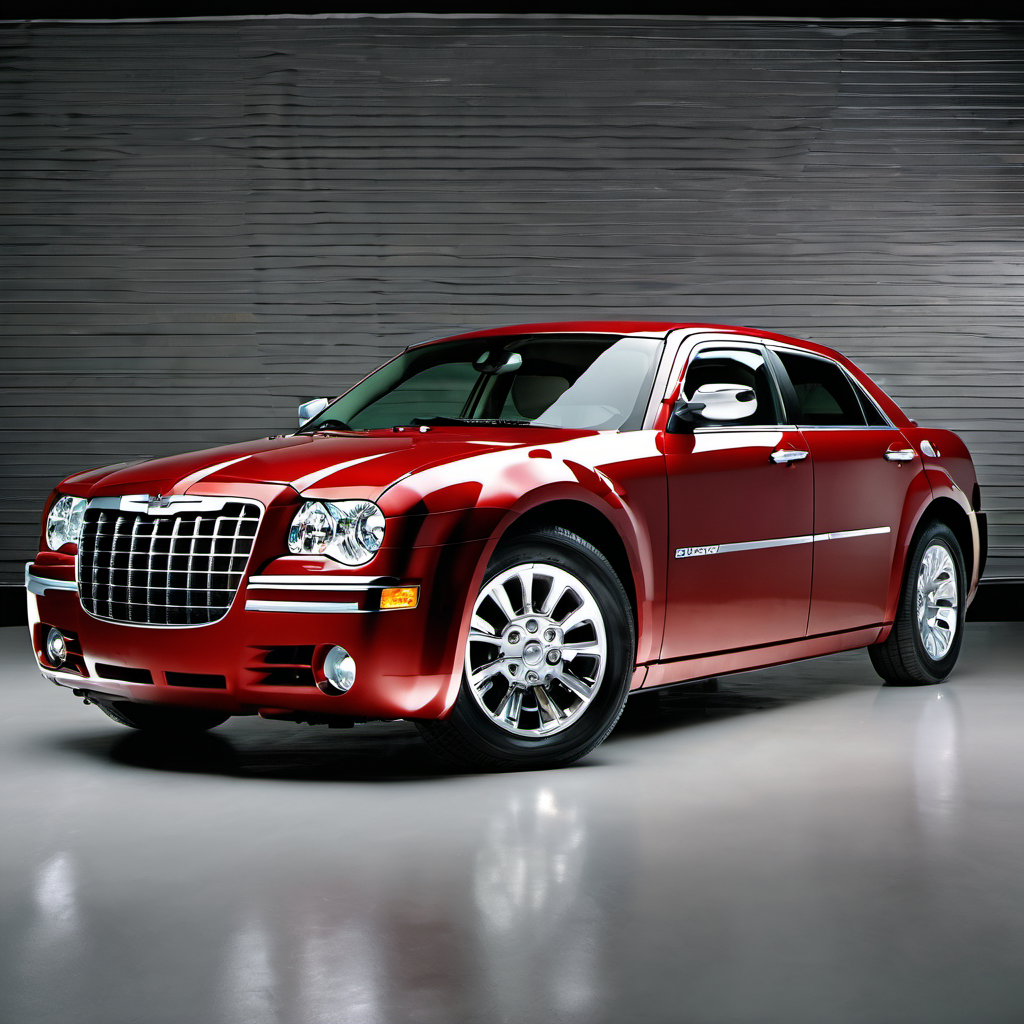
Offers RWD and a more athletic look in the same segment and used price range. Notably less reliable long-term and higher ownership costs, but a compelling alternative for buyers who want rear-wheel drive.