VTC (Variable Timing Control) actuator noise / camshaft timing codes
high- Typically appears
- 70–130k mi
- Estimated repair
- $400 – $1,200
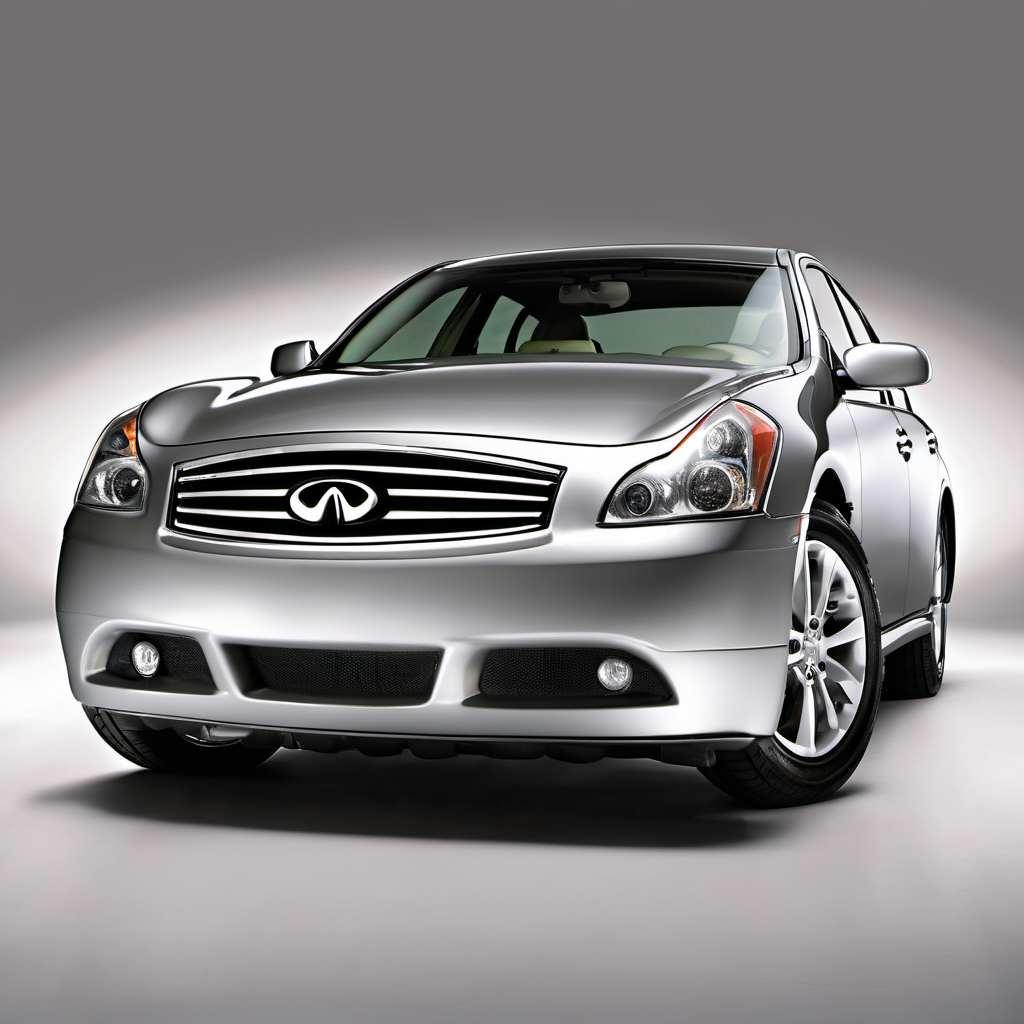
2007 INFINITI
3.5L V6 (VQ35HR) · Sedan
The 2007 Infiniti G35 Sedan is the third-generation G (V35/V36 transition year), riding on Nissan's FM platform shared with the 370Z's predecessor. It was powered by Nissan's proven 3.5L VQ35HR V6 — a refined version of the long-running VQ series — producing 306 hp in rear-wheel-drive form, with an AWD variant also available. It competed squarely with the BMW 3 Series and Lexus IS, offering a more driver-focused experience than many rivals at a lower price point. The G35 earned a strong reputation for its balanced chassis, willing V6, and premium interior that punched above its price. Depreciation has been favorable for used buyers, making it one of the better performance-per-dollar sedans from this era. It's still a satisfying daily driver, though age-related wear on suspension, HVAC, and electronics deserves close attention on higher-mileage examples. In Lake Geneva's climate, the RWD variant requires winter tires to be truly livable from November through March. The AWD (G35x) version is a much more practical choice for year-round use in Wisconsin's snow and ice conditions.
The 2007 Infiniti G35 Sedan is the third-generation G (V35/V36 transition year), riding on Nissan's FM platform shared with the 370Z's predecessor. It was powered by Nissan's proven 3.5L VQ35HR V6 — a refined version of the long-running VQ series — producing 306 hp in rear-wheel-drive form, with an AWD variant also available. It competed squarely with the BMW 3 Series and Lexus IS, offering a more driver-focused experience than many rivals at a lower price point. The G35 earned a strong reputation for its balanced chassis, willing V6, and premium interior that punched above its price. Depreciation has been favorable for used buyers, making it one of the better performance-per-dollar sedans from this era. It's still a satisfying daily driver, though age-related wear on suspension, HVAC, and electronics deserves close attention on higher-mileage examples. In Lake Geneva's climate, the RWD variant requires winter tires to be truly livable from November through March. The AWD (G35x) version is a much more practical choice for year-round use in Wisconsin's snow and ice conditions.
The VQ35HR's VTC system is entirely oil-pressure dependent. Sludge buildup from extended intervals is the #1 cause of expensive cam phaser and timing chain repairs on this engine. Use 5W-30 full synthetic.
Nissan long-life coolant degrades and becomes acidic, attacking aluminum components. Wisconsin's freeze-thaw cycles put extra stress on the cooling system.
Infiniti quotes longer intervals, but on a used car you can't verify the history. Fresh Nissan Matic-S or equivalent fluid protects the valve body and clutch packs and is cheap insurance.
The VQ35HR uses long-life plugs, but misfires and rough idle on a high-mileage example are often cured by fresh plugs. Access to the rear bank requires intake manifold removal — factor in the labor cost.
Brake fluid absorbs moisture over time, lowering boiling point. Critical for a performance-oriented rear-wheel-drive car. Wisconsin road salt also accelerates caliper and line corrosion.
The multi-link rear suspension is excellent when in spec, but worn components cause tire-eating alignment issues and compromised handling — especially important on Wisconsin's rough winter roads.
A clogged cabin filter strains the HVAC blower motor and reduces defrost effectiveness — a real problem in Wisconsin winters when you need maximum defroster airflow.
Lake Geneva roads are heavily salted. The G35's subframe, rear suspension cradle, and brake lines are vulnerable. An annual post-winter inspection and thorough undercarriage wash significantly extends the life of these components.
Always defer to the manufacturer's service manual for warranty-mandated intervals.
Routine maintenance on the G35 is very affordable compared to European luxury competitors — most service items use common Nissan parts. The risk area is deferred maintenance: a neglected VTC system or ignored suspension can generate $1,500–$3,000+ repair bills quickly. Kept current, this is one of the more economical near-luxury vehicles to maintain.
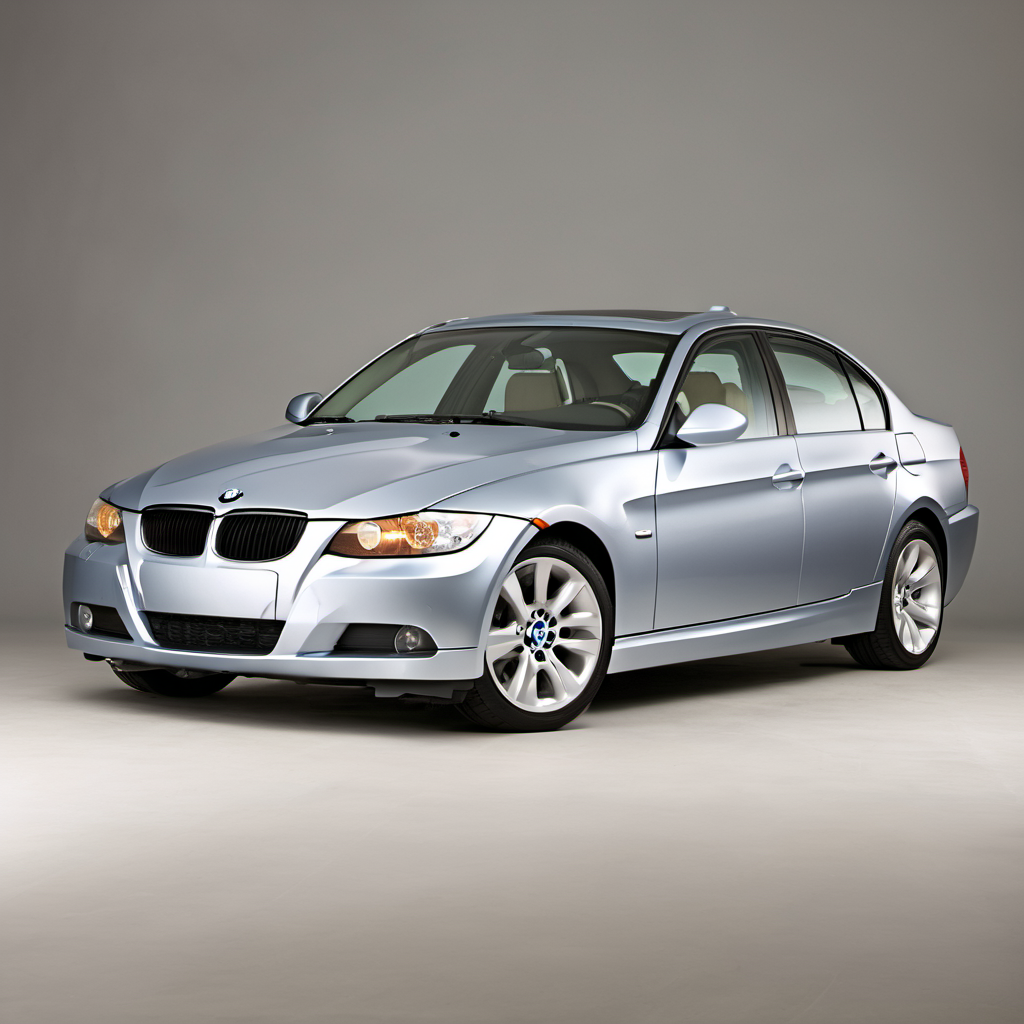
The direct European rival — similar sport sedan mission and price bracket. Higher ownership costs and more complex electronics, but a strong driver's car. Compare carefully on maintenance history when buying used.
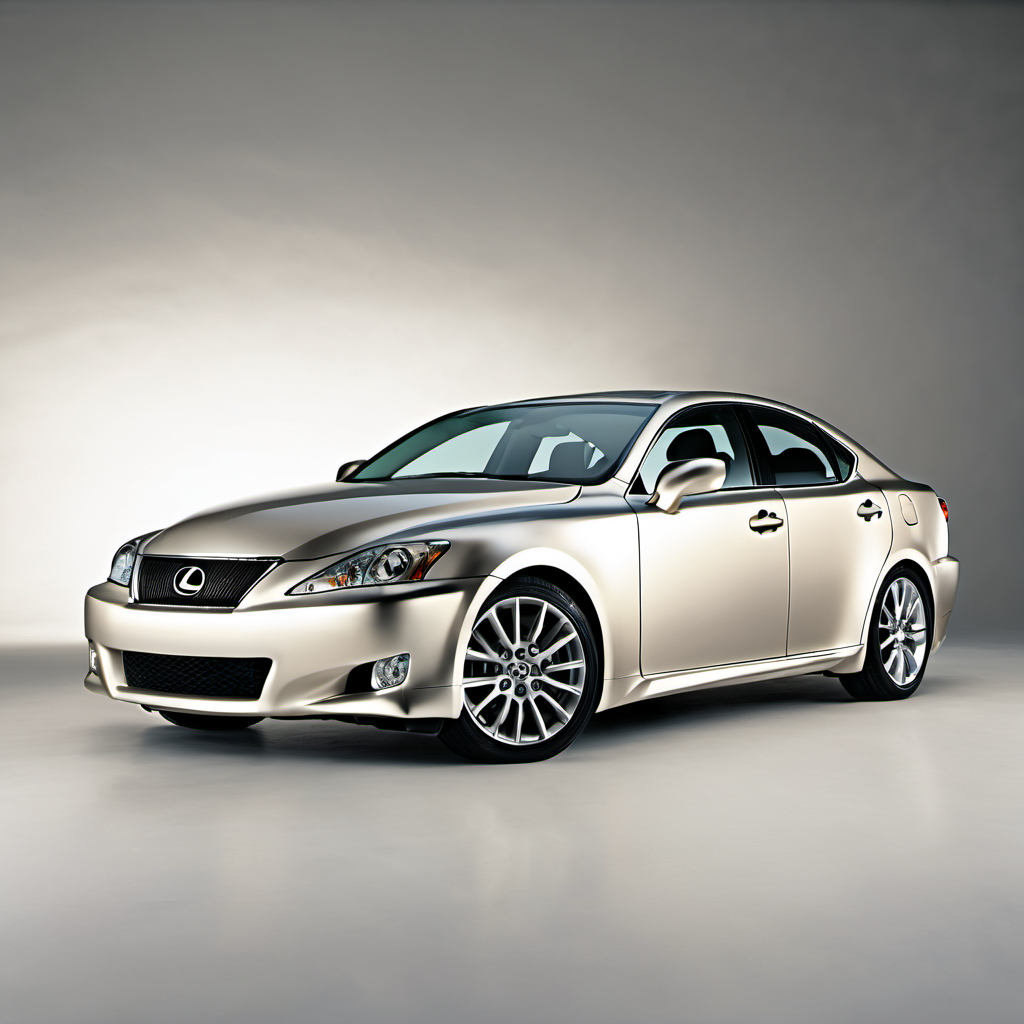
Same luxury sport sedan segment. The IS 250 is more reliable and cheaper to maintain but less powerful and less engaging to drive than the G35. Better choice for a low-fuss daily driver.
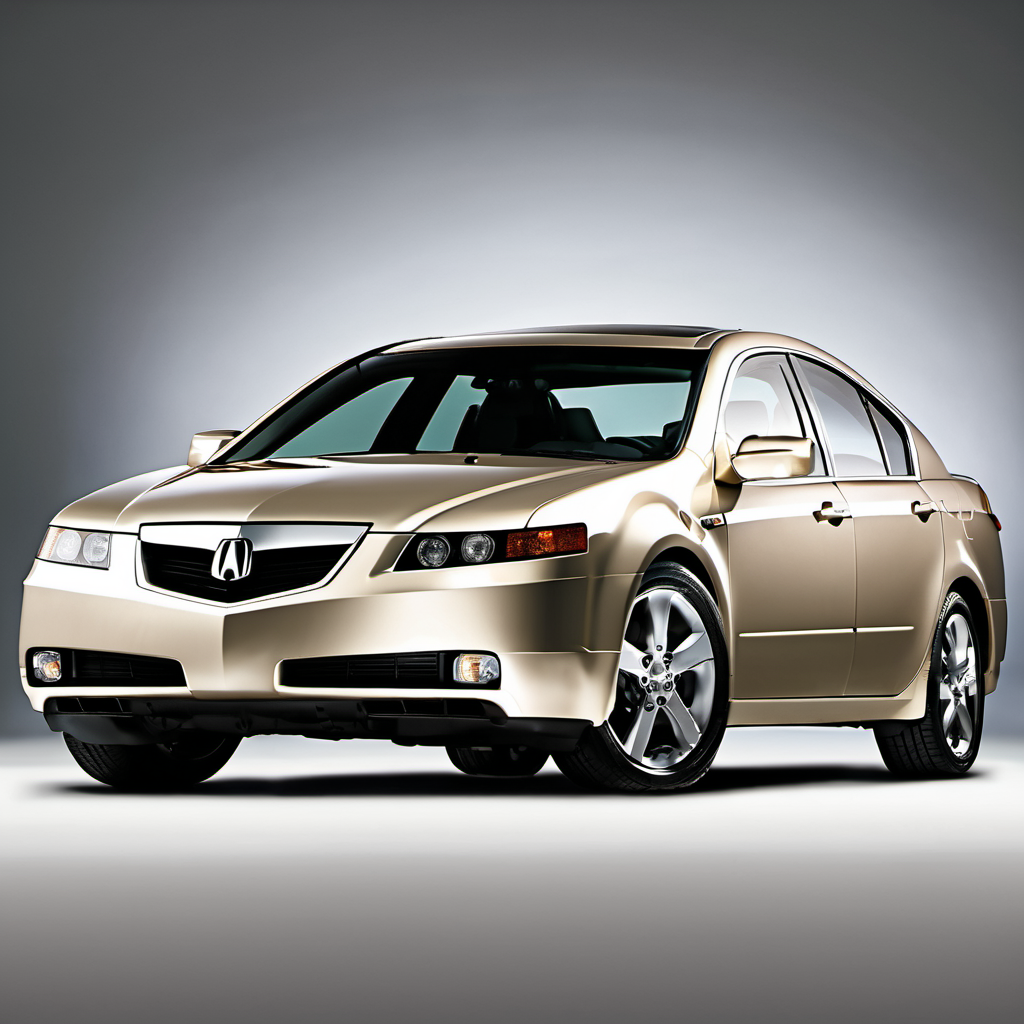
Front-wheel-drive vs. RWD, but same price range and near-luxury positioning. The TL's FWD is more practical for Wisconsin winters without dedicated winter tires, and Honda reliability is excellent.
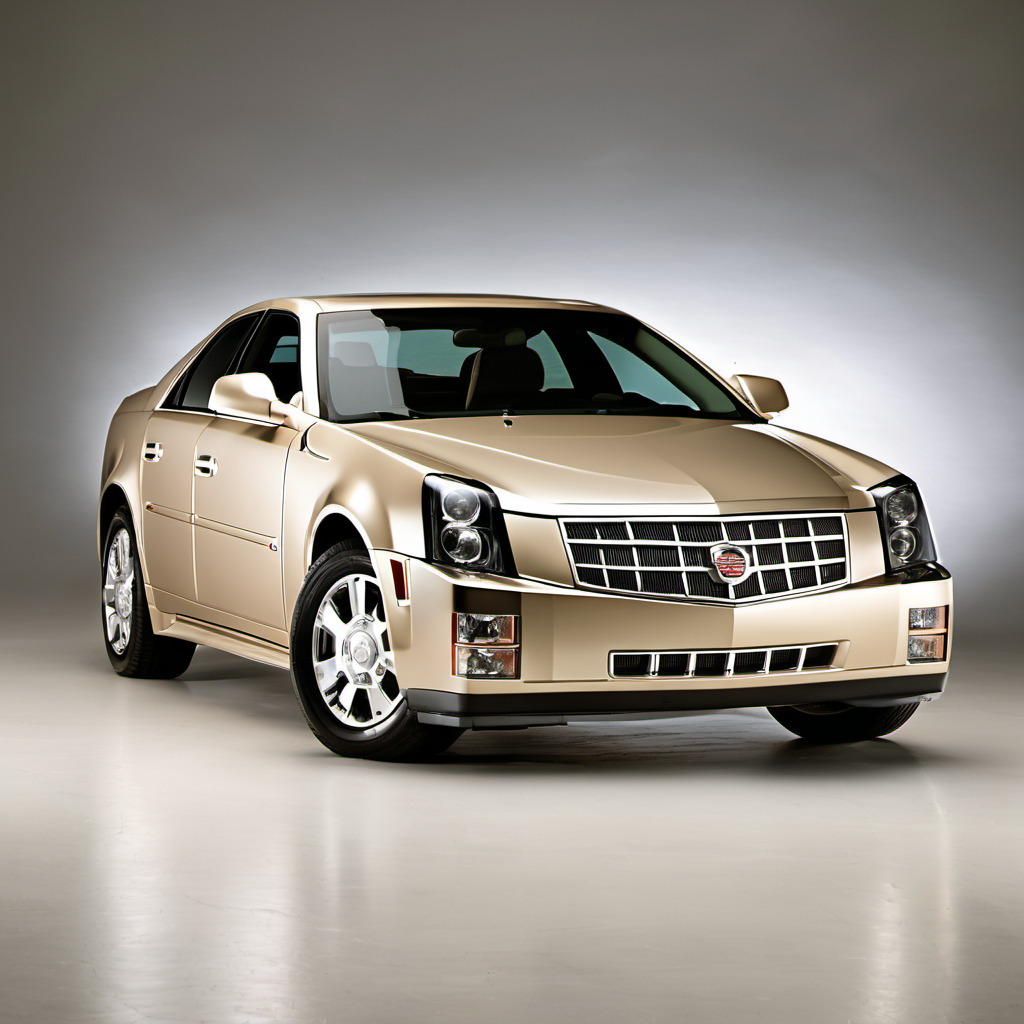
RWD American luxury sport sedan at a similar used price point. The 2007 CTS is less refined than the G35 but parts are easy to source locally. AWD available on some trims for winter use.