VVT Cam Timing / Oil Control Valve (OCV) Failure
high- Typically appears
- 80–150k mi
- Estimated repair
- $300 – $900
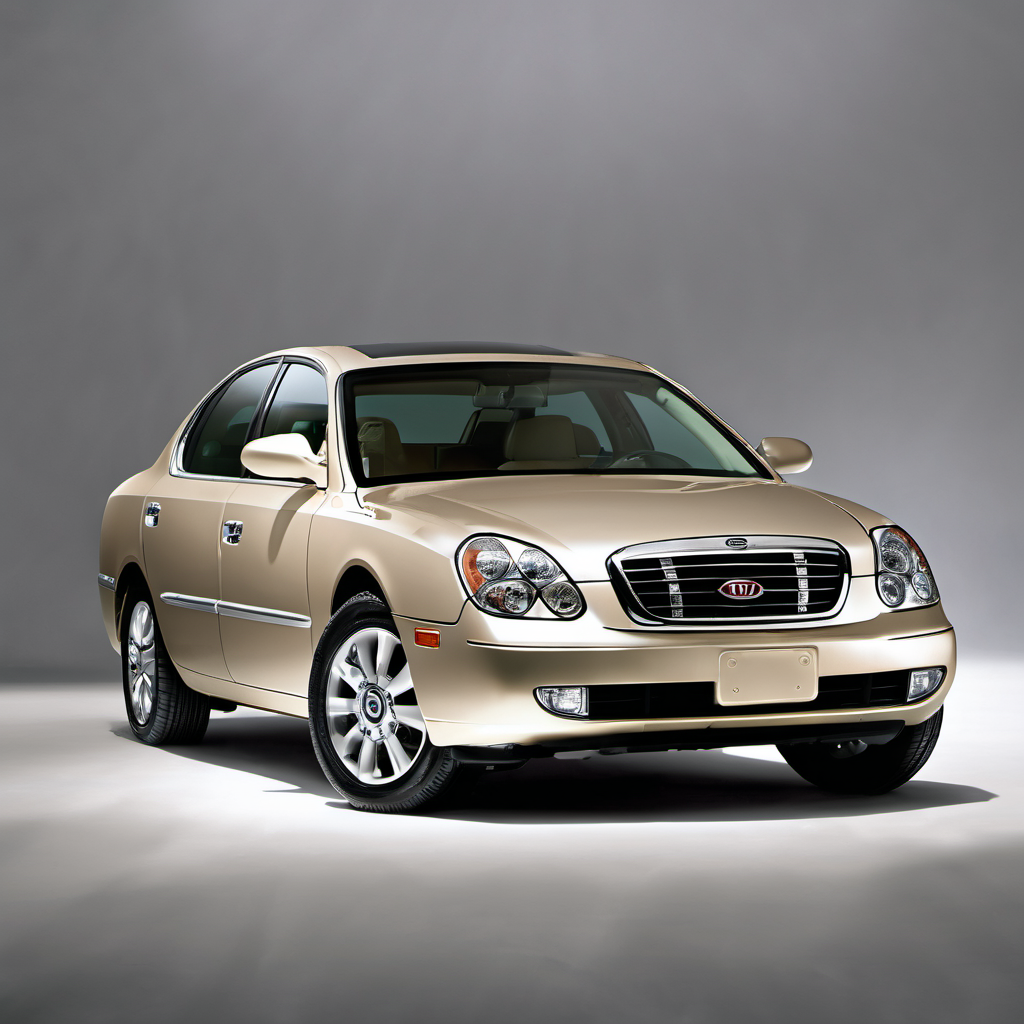
2007 Kia
Sedan
The 2007 Kia Amanti is a full-size front-wheel-drive sedan that served as Kia's flagship luxury offering in North America. Introduced to compete with entry-level luxury sedans, it emphasized comfort, standard features, and a smooth V6 powertrain over driving excitement. It was one of the most feature-loaded cars in its price range when new, offering leather seating, heated seats, and a Bose audio system as standard equipment. The Amanti was never a high-volume seller and was replaced by the Cadenza for the 2014 model year. Its low popularity means parts availability has thinned out as the cars have aged, and there is little enthusiast community to support DIY repairs. It is best evaluated as a comfortable, affordable used luxury cruiser — not a long-term investment. Owners who treat it as a low-mileage local commuter or second car tend to get the most value from it. Those expecting European-sport dynamics or long-haul reliability comparable to a Lexus or Toyota will likely be disappointed.
The 2007 Kia Amanti is a full-size front-wheel-drive sedan that served as Kia's flagship luxury offering in North America. Introduced to compete with entry-level luxury sedans, it emphasized comfort, standard features, and a smooth V6 powertrain over driving excitement. It was one of the most feature-loaded cars in its price range when new, offering leather seating, heated seats, and a Bose audio system as standard equipment. The Amanti was never a high-volume seller and was replaced by the Cadenza for the 2014 model year. Its low popularity means parts availability has thinned out as the cars have aged, and there is little enthusiast community to support DIY repairs. It is best evaluated as a comfortable, affordable used luxury cruiser — not a long-term investment. Owners who treat it as a low-mileage local commuter or second car tend to get the most value from it. Those expecting European-sport dynamics or long-haul reliability comparable to a Lexus or Toyota will likely be disappointed.
The 3.8L Lambda VVT system is highly sensitive to oil condition. Sludge is the number-one killer of this engine. Use a full synthetic 5W-20 or 5W-30 per Kia spec and never exceed this interval.
Factory interval is often listed as 'lifetime,' but that shortens real-world transmission life. An independent drain-and-fill every 40–50k miles is cheap insurance on a transmission that's expensive to replace.
Iridium plugs on this engine are due at 60k. Worn plugs increase misfire risk and stress ignition coils, which are not cheap to replace on a V6.
Old coolant loses its corrosion inhibitors and accelerates water pump and radiator wear. Especially important in Wisconsin where freeze protection must be maintained at -34°F or lower.
Brake fluid absorbs moisture over time, lowering its boiling point. Combined with aging brake hardware, degraded fluid is a safety concern — especially relevant with potential corrosion on this vehicle.
Lake Geneva roads are heavily salted. Regular underbody rinses during winter thaws and a thorough spring inspection of brake lines, fuel lines, and exhaust are essential to catch corrosion before it becomes dangerous.
A battery that passes a basic test in summer can fail to start in Wisconsin sub-zero conditions. A proper load test reveals true cold-cranking capacity. Batteries over 4–5 years old should be proactively replaced before winter.
A clogged cabin filter reduces HVAC airflow and adds strain to the blower motor — already a weak point on this vehicle at this age.
Always defer to the manufacturer's service manual for warranty-mandated intervals.
On paper, the Amanti is cheap to own. But at 17+ years old, deferred maintenance catches up quickly — one VVT repair, a transmission service, or a brake line replacement can easily run $500–$1,500 in a single visit. Budget generously for unexpected repairs and always weigh repair cost against the vehicle's current market value ($3,000–$6,000 in the upper Midwest). Annual maintenance in the $700–$2,000 range assumes the car is in reasonable shape and nothing major has been neglected.
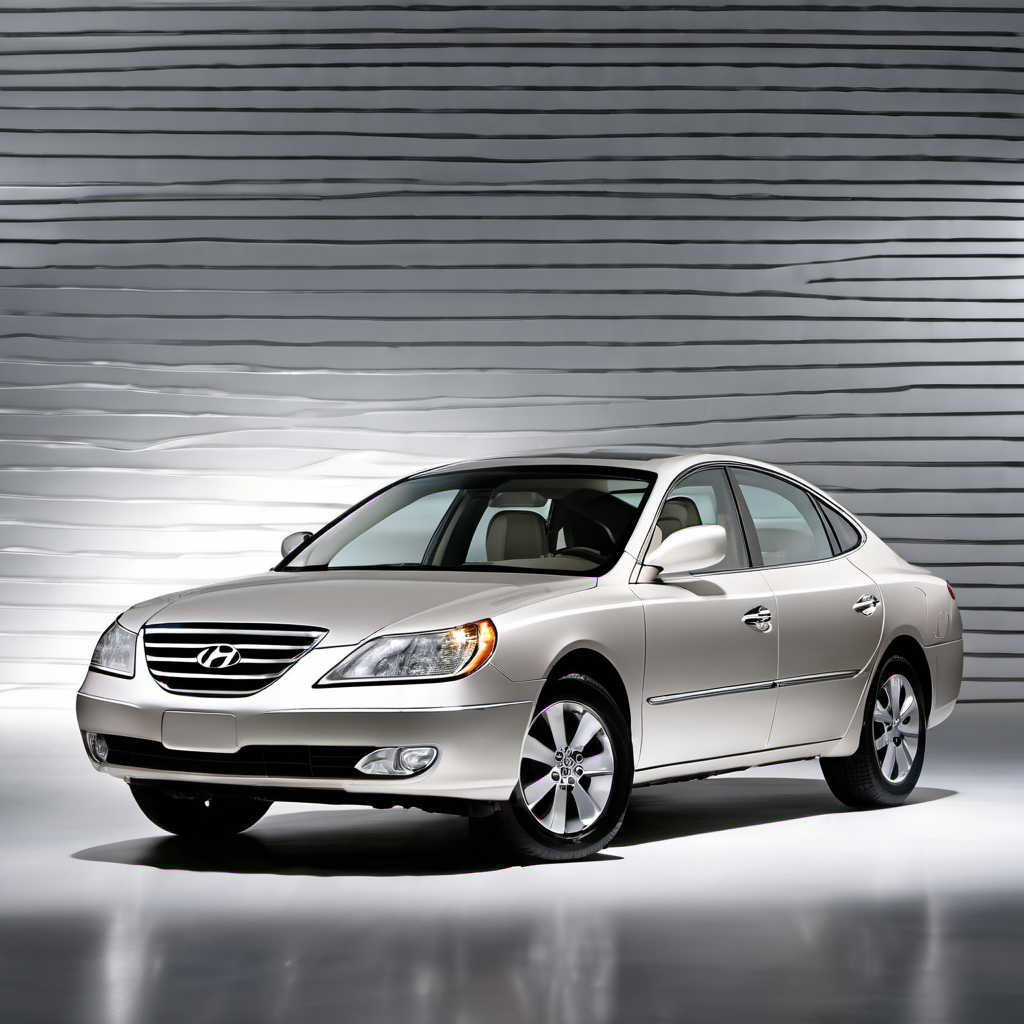
Sister car to the Amanti, sharing the same 3.8L Lambda V6 and FWD platform. Slightly sportier styling with a larger owner community and better parts availability. Direct mechanical comparison.
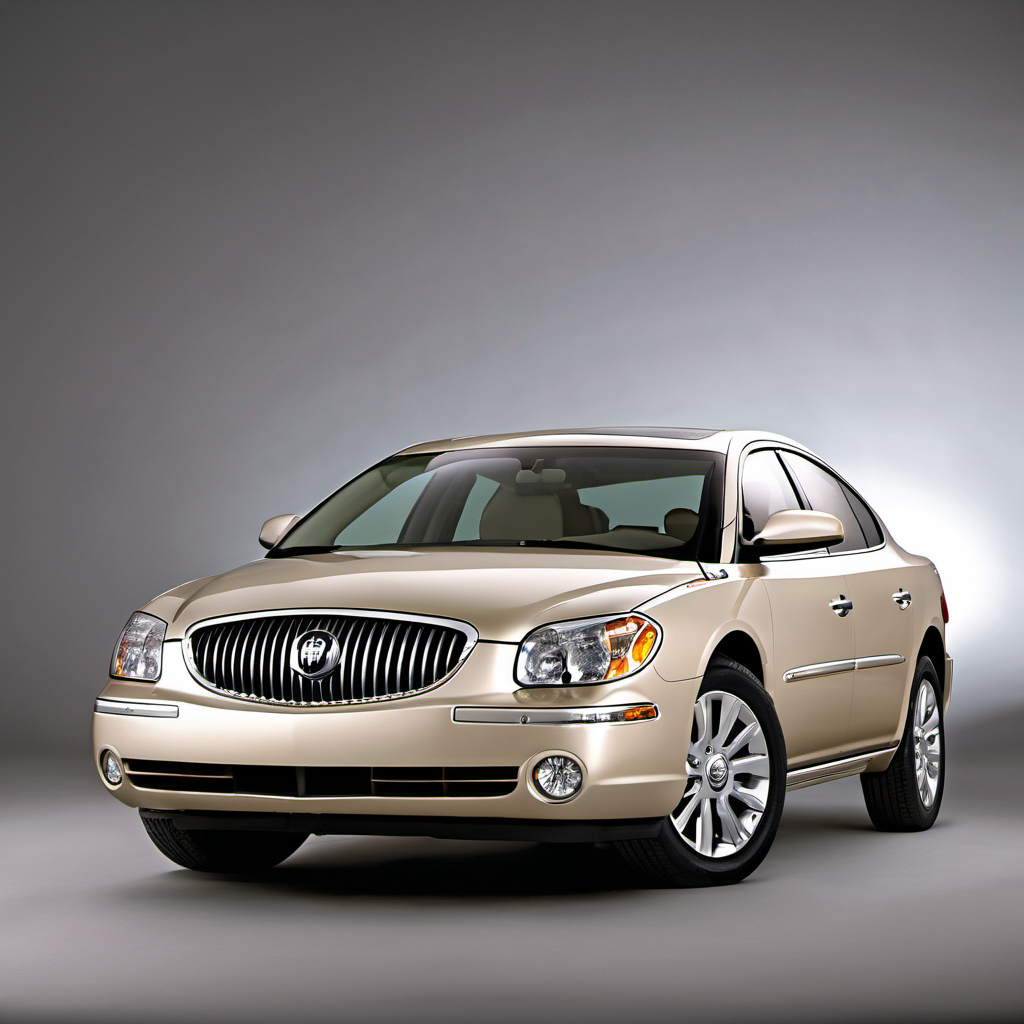
Similar price point, front-wheel drive, full-size comfort-focused sedan. Strong domestic dealer support and better long-term parts availability than the Amanti.
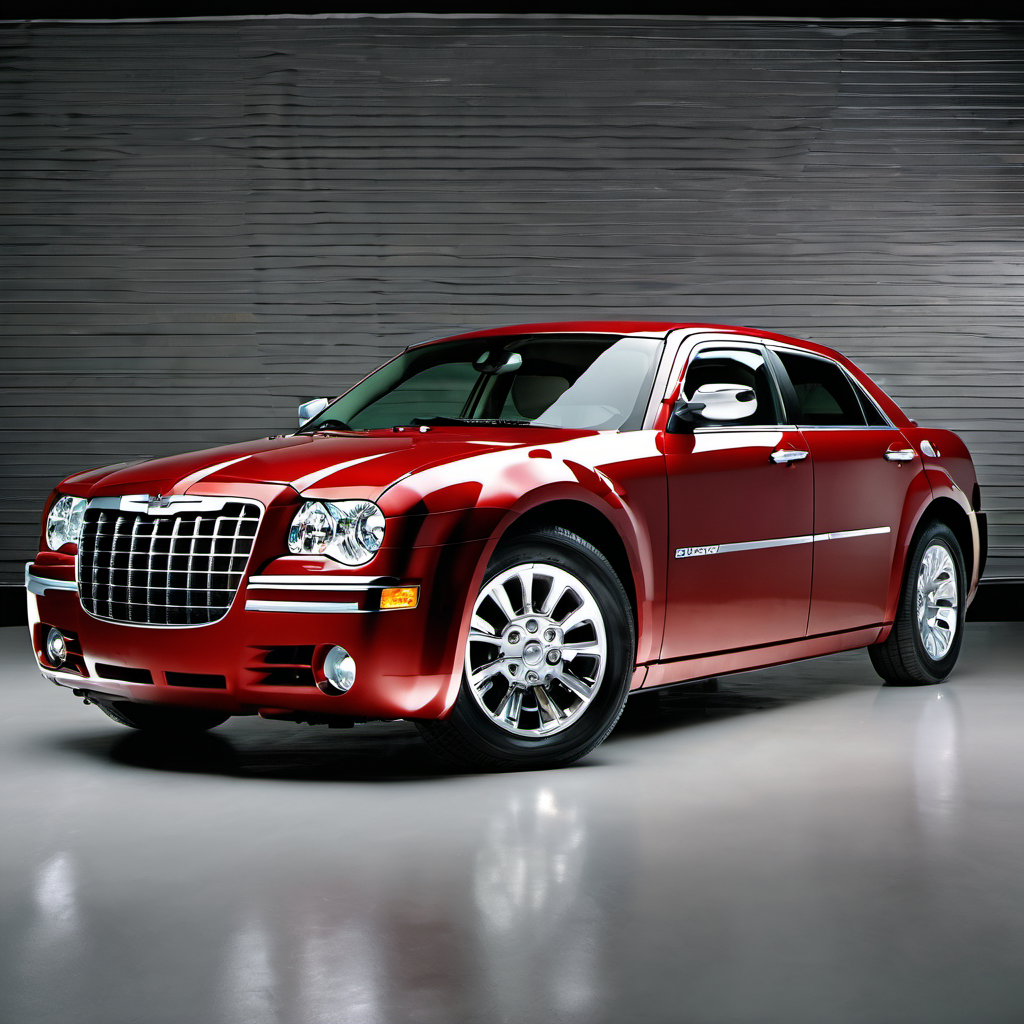
Comparable used market price, large sedan comfort, V6 available. RWD-based platform offers a different driving character; strong regional parts availability in the Midwest.
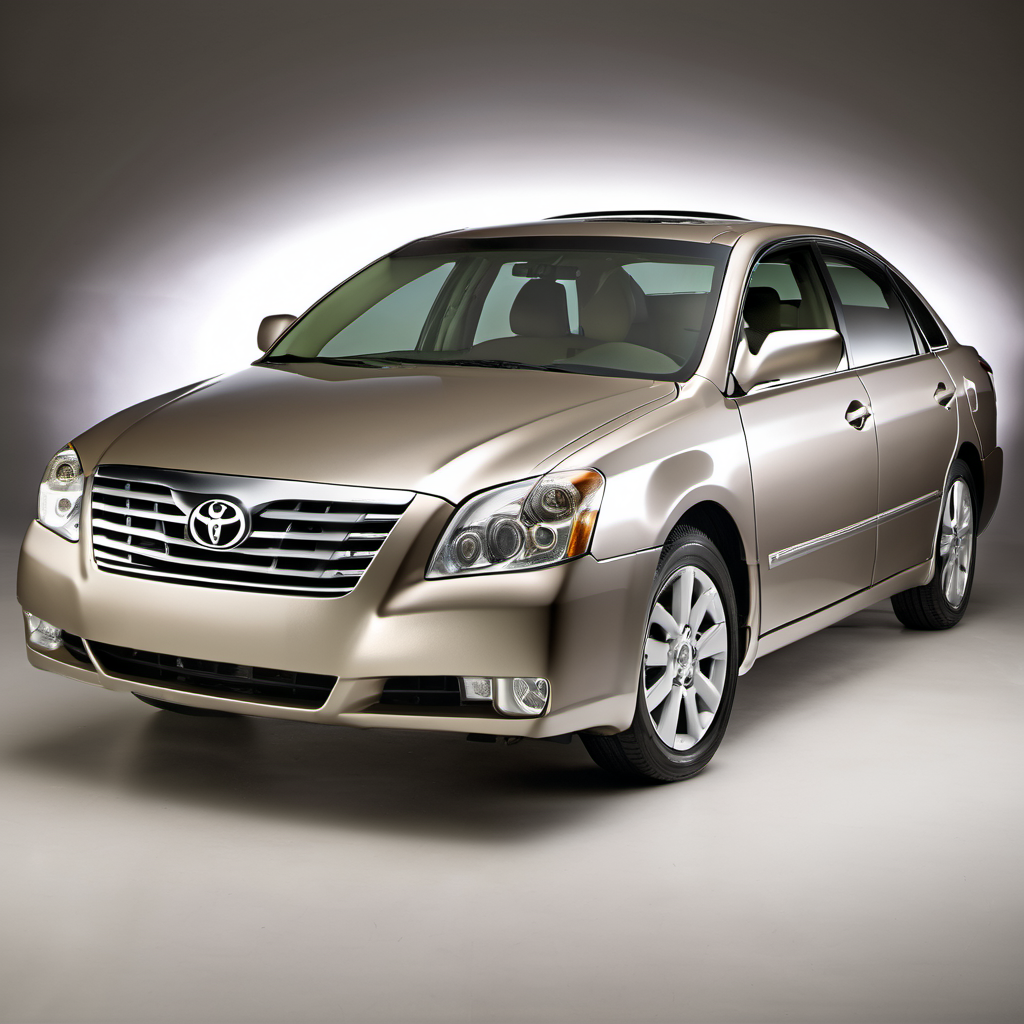
Comparable luxury full-size FWD sedan at similar used prices. Significantly better long-term reliability and parts availability — the benchmark this segment is measured against.