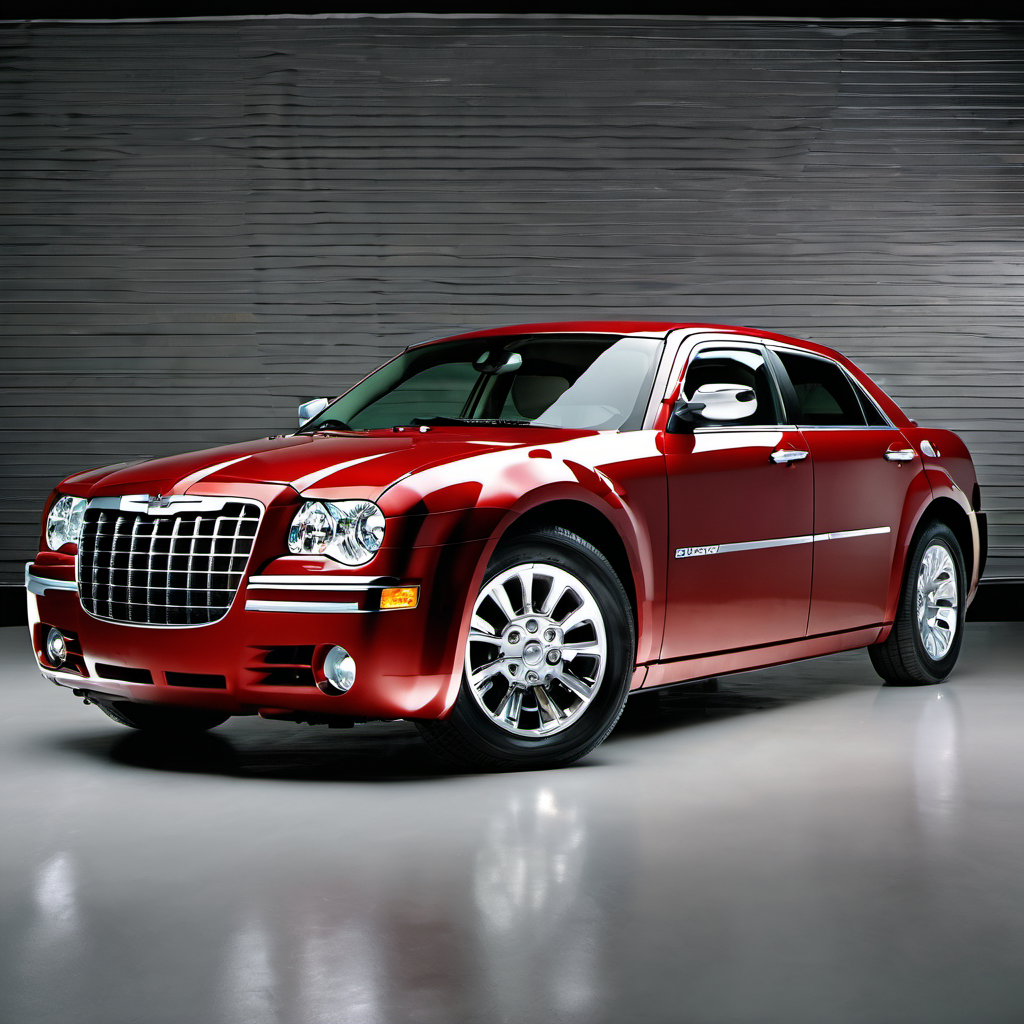
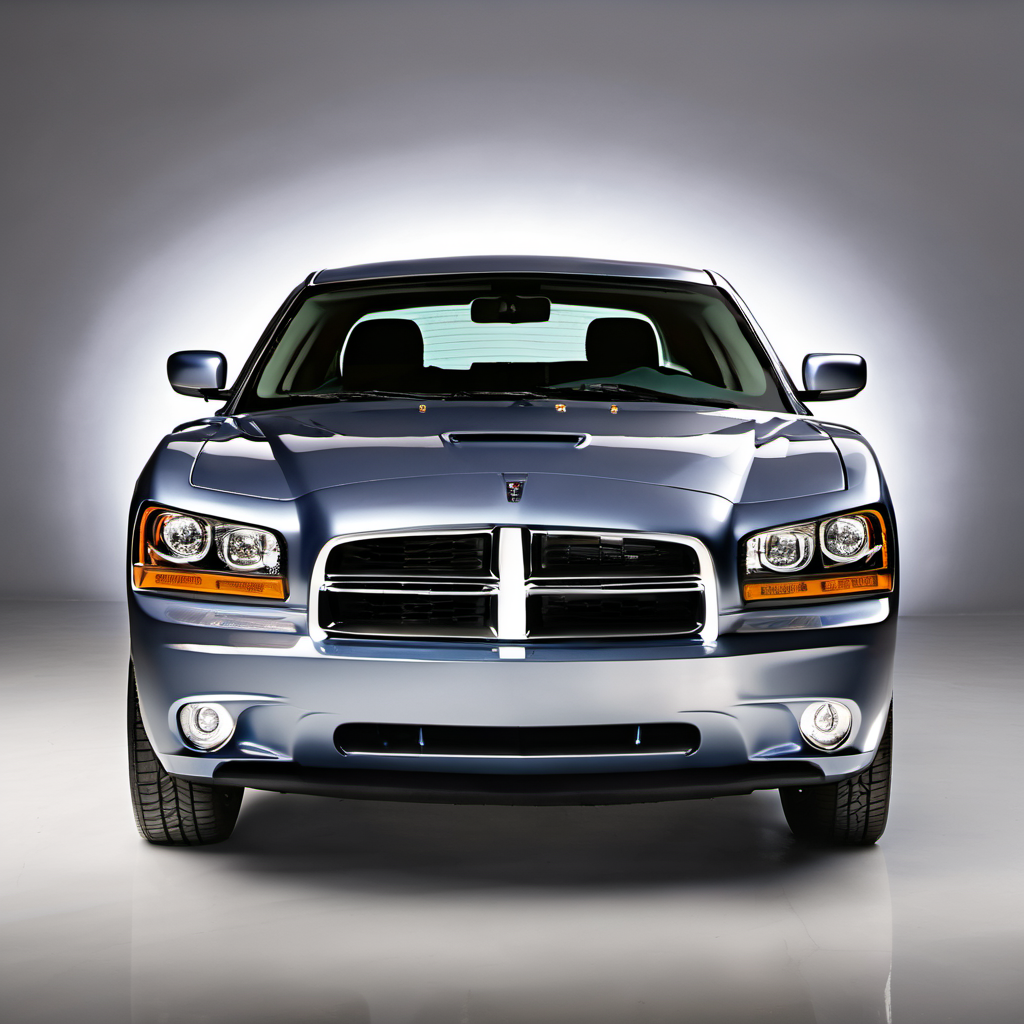
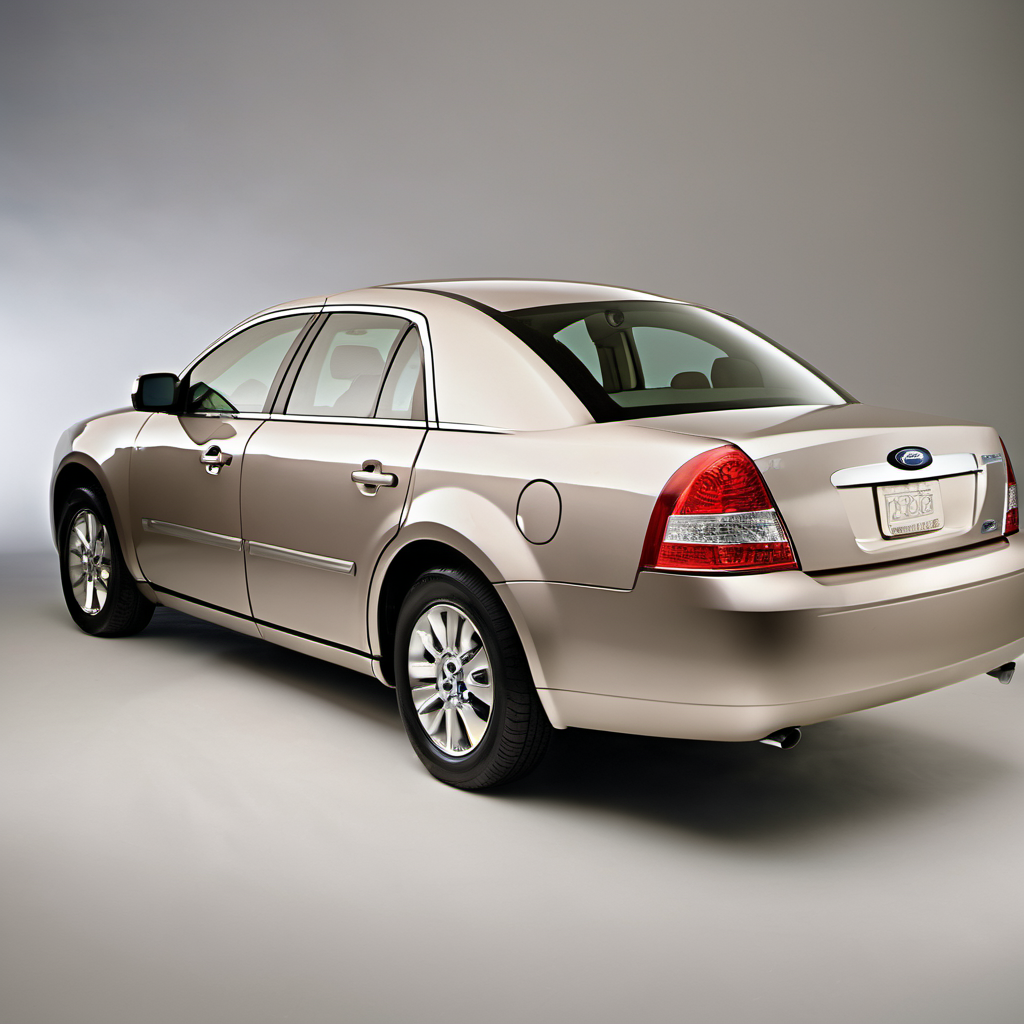
2007 Chrysler 300 Sedan

2007 Chrysler

300Sedan

Sedan

The 2007 Chrysler 300 is a full-size rear-wheel-drive (or AWD) sedan that made a big splash when the LX platform debuted in 2005. It brought bold, upright styling, a long hood, and genuine rear-wheel-drive character to a segment dominated by front-wheel-drive family sedans. By 2007 the platform had settled in but hadn't yet received the significant refresh that came in 2011, so it still carries the early-generation electronics and interior quality quirks. The AWD variant pairs the 3.5L High-Output V6 with a single-speed transfer case and is a solid choice for Wisconsin winters without the weight and complexity of a full 4WD system. It's not a sport sedan — it's a big, comfortable cruiser with a wide body, a quiet cabin, and genuine back-seat room for adults. At this age (likely 150k+ miles on many examples), the 300 needs an informed buyer. Electrical gremlins, aging HVAC blend doors, and transmission solenoid wear are the main watch-outs. A well-maintained example is still a satisfying daily driver, but deferred maintenance on this generation can snowball quickly.

Reliability
3/5
Verified data
Specs shown for 300 AWD — the most common configuration. Other trims may vary in engine, drivetrain, or fuel economy. Sign in to see your vehicle's exact specs.
Engine
[object Object]
Drivetrain
AWD
Fuel
Gasoline
MPG
15 city / 22 hwy / 18 combined
Seats
Doors
Body
Large Cars

Overview

AI-curated

The 2007 Chrysler 300 is a full-size rear-wheel-drive (or AWD) sedan that made a big splash when the LX platform debuted in 2005. It brought bold, upright styling, a long hood, and genuine rear-wheel-drive character to a segment dominated by front-wheel-drive family sedans. By 2007 the platform had settled in but hadn't yet received the significant refresh that came in 2011, so it still carries the early-generation electronics and interior quality quirks. The AWD variant pairs the 3.5L High-Output V6 with a single-speed transfer case and is a solid choice for Wisconsin winters without the weight and complexity of a full 4WD system. It's not a sport sedan — it's a big, comfortable cruiser with a wide body, a quiet cabin, and genuine back-seat room for adults. At this age (likely 150k+ miles on many examples), the 300 needs an informed buyer. Electrical gremlins, aging HVAC blend doors, and transmission solenoid wear are the main watch-outs. A well-maintained example is still a satisfying daily driver, but deferred maintenance on this generation can snowball quickly.

Known for
  • Bold, unmistakable styling that still turns heads
  • Smooth, comfortable highway cruising on the LX platform
  • Available AWD well-suited to Midwest winters
  • Roomy rear seat and large trunk for the class
Best for
  • Highway commuters who want presence and comfort
  • Buyers wanting a used full-size sedan with AWD under $10k
  • Drivers who prioritize interior space over fuel economy
Watch for
  • TIPM (Totally Integrated Power Module) failures causing random electrical gremlins
  • Transmission solenoid pack wear on the 5-speed automatic, especially past 100k
  • Aging AWD transfer case seals leading to fluid leaks
  • HVAC blend door actuator failures producing inconsistent cabin temperature
  • Rust on undercarriage, wheel wells, and subframe from road salt exposure

Common issues by mileage

6 known

Transmission Solenoid Pack Wear / Harsh Shifting

high
Typically appears
90–160k mi
Estimated repair
$300 – $800

HVAC Blend Door Actuator Failure

high
Typically appears
60–120k mi
Estimated repair
$150 – $400

Oxygen Sensor Heater Circuit Failure

medium
Typically appears
80–140k mi
Estimated repair
$150 – $350

Undercarriage / Subframe Rust (Salt Belt)

high
Typically appears
Any mi on Wisconsin roads
Estimated repair
$200 – $2,000

Maintenance schedule

  1. 1
    Every 30,000 miles — do not skip or extend Automatic transmission fluid and filter service

    The 545RFE/5-speed in this generation is extremely sensitive to dirty fluid. Most used examples have had this skipped. Fresh fluid and filter is the single best thing you can do to extend transmission life.

  2. 2
    Every 30,000 miles or at purchase if history is unknown AWD transfer case fluid change

    The transfer case is often ignored entirely. Low or degraded fluid causes premature wear on the viscous coupling and output bearings.

  3. 3
    Every 5,000 miles Engine oil change (full synthetic 5W-20)

    The 3.5L V6 responds well to consistent oil changes. Using full synthetic helps with cold starts in Wisconsin winters and protects VVT-related passages from sludge.

  4. 4
    Every 5 years or 100,000 miles Coolant system flush

    OAT coolant in this generation degrades and can cause corrosion in the aluminum heads and water pump. Degraded coolant is a common cause of thermostat and water pump failures.

  5. 5
    Every 30,000 miles Spark plugs (iridium/platinum)

    Worn plugs stress the ignition coils, which are not cheap to replace on the 3.5L. Keeping plugs fresh prevents coil failures.

  6. 6
    Every 2 years Brake fluid flush

    Moisture absorption in brake fluid accelerates ABS modulator corrosion, which is an expensive repair on this platform.

  7. 7
    Every fall before winter and every spring after Undercarriage wash and rust inspection

    Wisconsin road salt actively attacks the LX platform's subframe, control arm brackets, and brake lines. Catching rust early is far cheaper than structural repairs later.

  8. 8
    Every fall Battery load test

    A weak battery in a Chrysler 300 can trigger TIPM faults and false electrical gremlins. Sub-zero starts draw enormous current — test the battery before it fails in January.

Always defer to the manufacturer's service manual for warranty-mandated intervals.

Cost of ownership

Annual maintenance
$700 – $1,600
Fuel
At 18 MPG combined and typical Wisconsin driving, expect $2,000–$2,600/year at current gas prices. The AWD V6 is thirsty in city traffic.
Insurance
Full-size luxury-adjacent sedan; expect slightly above average rates for the class — roughly $1,200–$1,800/year depending on driver profile.

A well-maintained 2007 300 AWD is not a cheap car to own despite its low used price. Fuel costs are real, and when something goes wrong — transmission, TIPM, AWD components — repairs are not budget items. Budget for a transmission service and full inspection at purchase regardless of what the seller says.
Seasonal care

Lake Geneva, WI
Winter
  • Load-test the battery every fall — cold cranking demand combined with TIPM sensitivity means a weak battery causes cascading electrical problems
  • Switch to full synthetic 5W-20 if not already; it flows better on sub-zero Wisconsin mornings and reaches VVT components faster on cold start
  • Inspect and treat brake lines and undercarriage with rust inhibitor before first salt application — the LX platform's brake lines are known to corrode from the inside out in salt-belt states
  • Use winter-rated washer fluid rated to at least -30°F; the 300's large windshield accumulates road grime quickly on winter highways
  • Keep at least a half tank of fuel in winter to prevent fuel line moisture and add weight over the rear axle for AWD traction
  • Check AWD transfer case and rear differential fluid viscosity — degraded fluid thickens in extreme cold and can cause binding on startup
Summer
  • Inspect A/C system charge and cabin air filter before summer — the 300's large cabin takes longer to cool and a weak A/C system will struggle in July heat
  • Check tire pressure monthly; Wisconsin summer heat can raise pressure 4–6 PSI above the cold-weather baseline, causing uneven wear on the wide tires
  • Inspect the coolant level and condition; the 3.5L V6 runs warm in stop-and-go traffic and a low or degraded coolant level can push temps into the danger zone
  • Look for signs of heat soak near the TIPM (under the hood, driver-side fuse box area) — high ambient temps accelerate relay degradation in already-aging TIPMs

Comparable vehicles

If you're shopping for one

Red flags
  • Any mention of 'electrical gremlins' or intermittent no-start — classic TIPM failure, and replacement units can be $500–$900
  • Transmission that slips, hunts for gears, or shifts harshly — solenoid pack replacement is $300–$800 and that's if the clutch packs are still good
  • Visible rust scale on the rear subframe or brake line brackets — structural rust on the LX platform can be a total-loss repair on a low-value car
  • No maintenance records at all on a high-mileage example — the transmission and AWD system are maintenance-sensitive; unknown history is a real risk
  • Check engine light on at purchase without a clear, inexpensive diagnosis — on a 2007 Chrysler, an active MIL can represent anything from a $15 sensor to a $2,000 engine repair
What to inspect
  • Pull the transmission dipstick (if accessible) — dark brown or burnt-smelling fluid means deferred service and potential solenoid pack damage
  • Check all HVAC zones for consistent temperature output — blend door actuator failures are common and annoying to fix
  • Scan for active and stored DTCs before purchase, especially U-codes (network/TIPM) and P0012–P0029 (VVT/camshaft timing)
  • Inspect the undercarriage carefully: subframe mounting points, rear trailing arm brackets, and brake lines are the first to rust in Wisconsin-driven examples
  • Verify AWD engagement — on a safe, empty lot, make a slow tight turn and listen for binding or clunking from the rear axle
  • Test every powered feature: windows, mirrors, locks, heated seats — TIPM faults often cause intermittent failures that are hard to reproduce
AI profile generated 11 days ago · claude-sonnet-4-6 · v2.