VVT Phaser / Timing Over-Retarded
high- Typically appears
- 80–150k mi
- Estimated repair
- $300 – $900
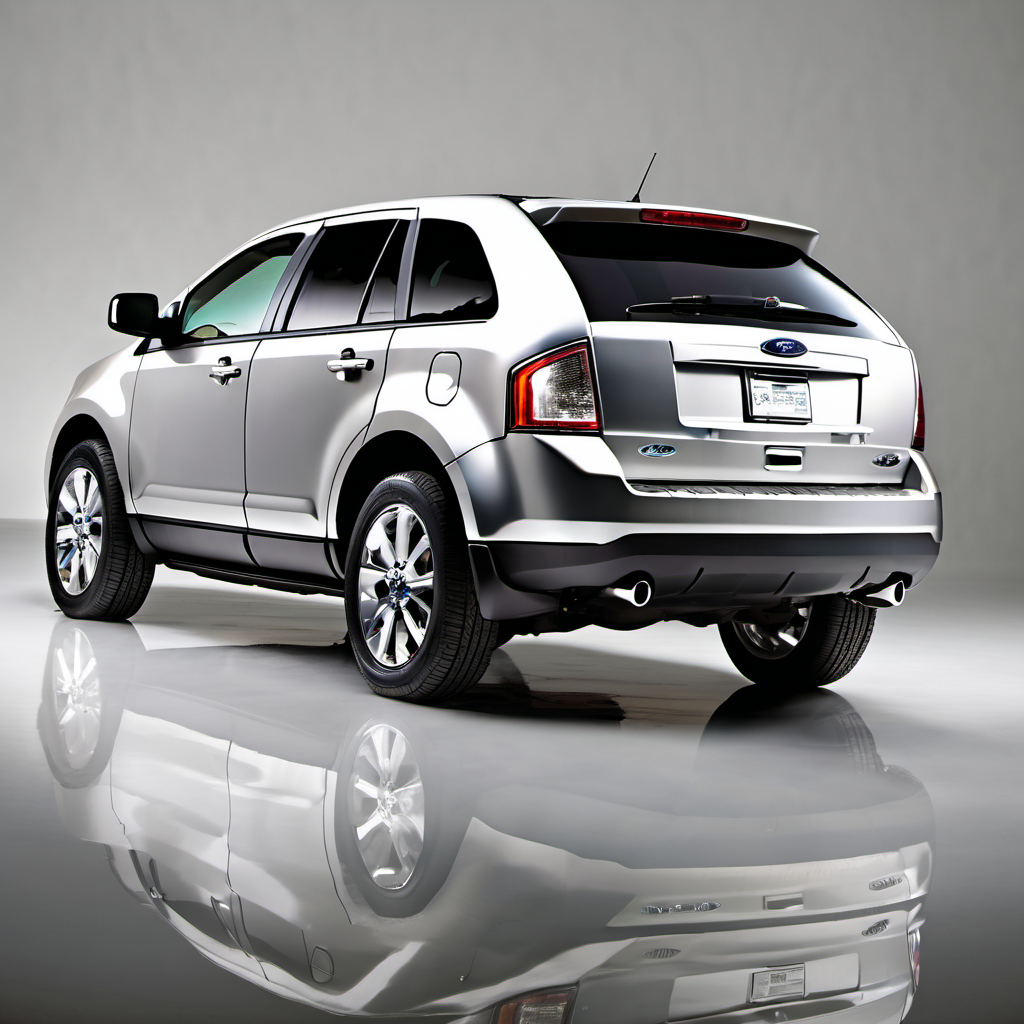
2007 Ford
SUV
The 2007 Ford Edge was Ford's answer to the growing demand for car-based crossovers, slotting between the smaller Escape and larger Explorer. Built on the same CD3 platform shared with the Mazda CX-9 and Lincoln MKX, it offered a smooth, car-like ride with a reasonably spacious interior and a modern appearance that sold well from day one. First-year models carry some of the typical early-production rough edges — transmission quirks, SYNC infotainment immaturity, and a few powertrain control gremlins have been documented across this generation. The 3.5L Duratec V6 is a solid engine when maintained, but it does have known variable valve timing (VVT) sensitivities that show up as check-engine codes if oil changes are neglected. For a Lake Geneva driver, the base FWD configuration is workable in moderate snow, but it demands good all-season or winter tires to stay confident on salted back roads. The Edge's unibody construction means you need to stay on top of undercarriage inspections — road salt is relentless on this generation's subframe and brake lines.
The 2007 Ford Edge was Ford's answer to the growing demand for car-based crossovers, slotting between the smaller Escape and larger Explorer. Built on the same CD3 platform shared with the Mazda CX-9 and Lincoln MKX, it offered a smooth, car-like ride with a reasonably spacious interior and a modern appearance that sold well from day one. First-year models carry some of the typical early-production rough edges — transmission quirks, SYNC infotainment immaturity, and a few powertrain control gremlins have been documented across this generation. The 3.5L Duratec V6 is a solid engine when maintained, but it does have known variable valve timing (VVT) sensitivities that show up as check-engine codes if oil changes are neglected. For a Lake Geneva driver, the base FWD configuration is workable in moderate snow, but it demands good all-season or winter tires to stay confident on salted back roads. The Edge's unibody construction means you need to stay on top of undercarriage inspections — road salt is relentless on this generation's subframe and brake lines.
The 3.5L Duratec's VVT system depends on clean oil pressure. Extended intervals leave varnish on solenoid screens and phaser galleries, which is the primary cause of P0012/P0015/P0022/P0025 codes on high-mileage Edges.
Ford's 'lifetime' fluid claim is optimistic. Fresh Mercon SP at 60k often resolves or prevents the shudder complaints this transmission is known for. A full flush can dislodge debris and worsen problems; stick to a drain-and-fill.
Lake Geneva roads are heavily salted. Steel brake lines on first-gen Edges rot from the outside in. Catch surface rust early with rust inhibitor; replace any lines showing through-corrosion immediately — a failed brake line is a no-warning safety emergency.
The 3.5L uses iridium plugs with a factory interval around 60k. Worn plugs increase misfire risk, raise combustion temps, and can contribute to VVT code conditions.
Dusty summers and debris from gravel shoulders in the Lake Geneva area clog filters faster than EPA test cycles assume.
Aged coolant becomes acidic and attacks the aluminum components in the Duratec cooling system, including water pump and radiator end tanks.
Wisconsin winters demand a strong battery. A marginal battery that starts fine at 60°F can fail to crank at 0°F. The 3.5L also needs solid cranking voltage for the VVT system to initialize correctly on cold starts.
The solenoid inlet screens are inexpensive to clean or replace and can restore proper VVT function without a full phaser job. Worth doing proactively if this Edge has an uncertain maintenance history.
Always defer to the manufacturer's service manual for warranty-mandated intervals.
A well-maintained 2007 Edge is a modestly affordable crossover to own — routine maintenance is the main expense. The risk is deferred maintenance: letting oil changes slip or ignoring transmission fluid turns a $600/year car into a $3,000+ repair year fast. Budget extra for brake line inspection and potential replacement on any Wisconsin-driven example; that's a near-certainty cost somewhere in its life.
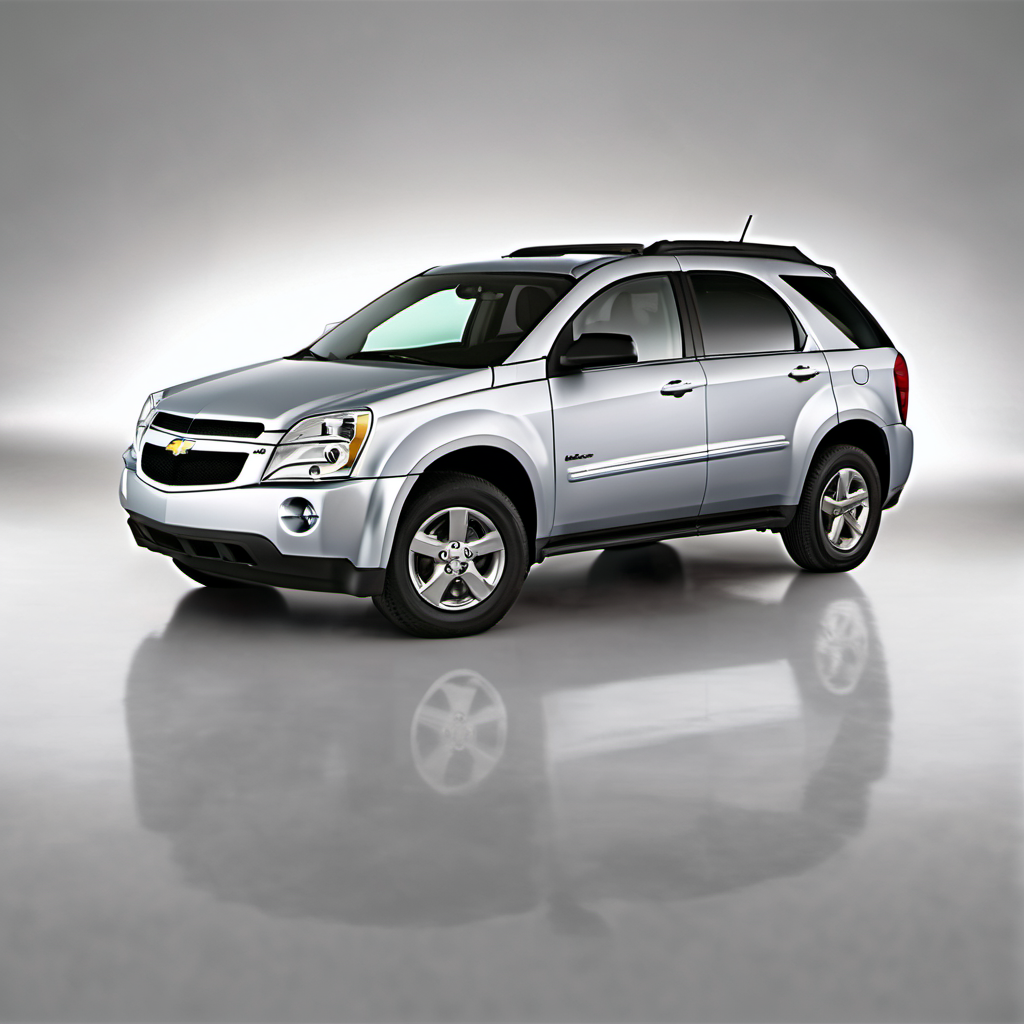
Same mid-size crossover segment, similar FWD-primary layout and price point. The Equinox has a simpler powertrain but lesser refinement; a fair apples-to-apples alternative for budget-conscious buyers.
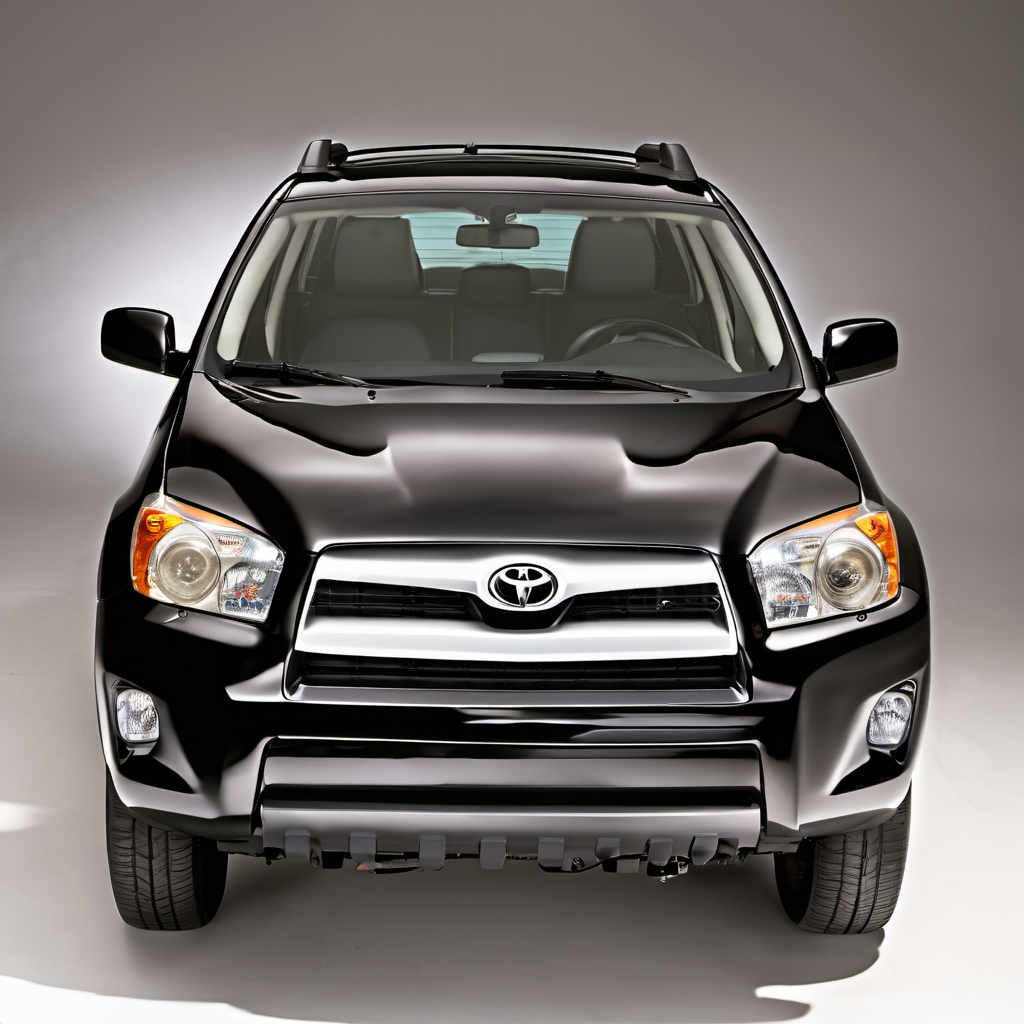
Slightly smaller but stronger reliability reputation. The V6 RAV4 from this era is quicker and has a better long-term ownership record, though cargo space is tighter.
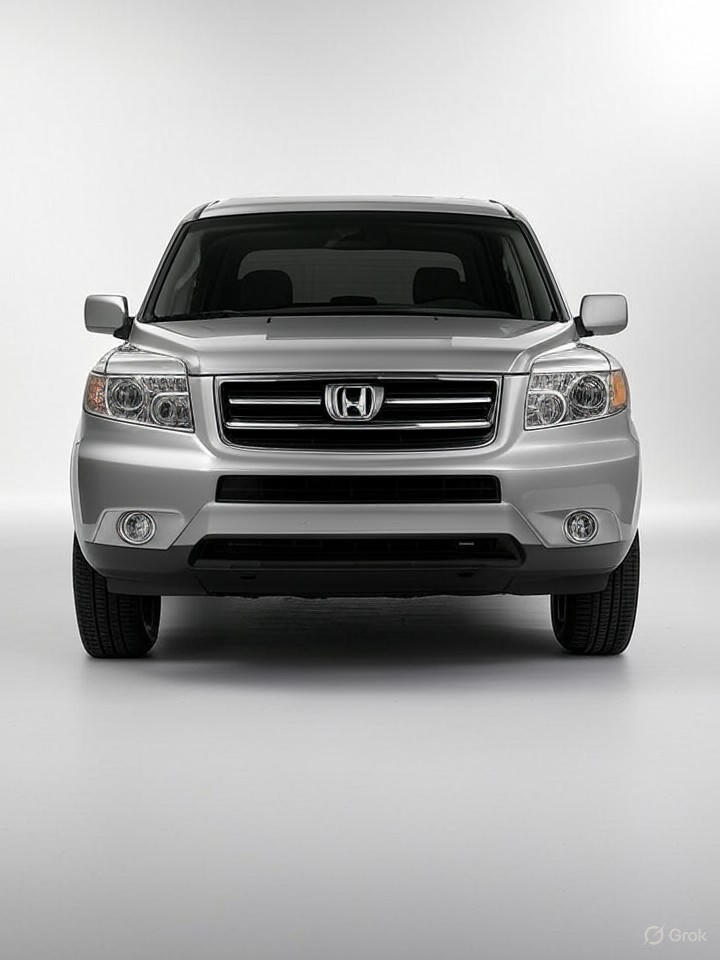
A step up in interior room and reliability. The Pilot's 3.5L Honda V6 is one of the most proven engines in this class. Slightly higher purchase price on the used market but lower long-term risk.
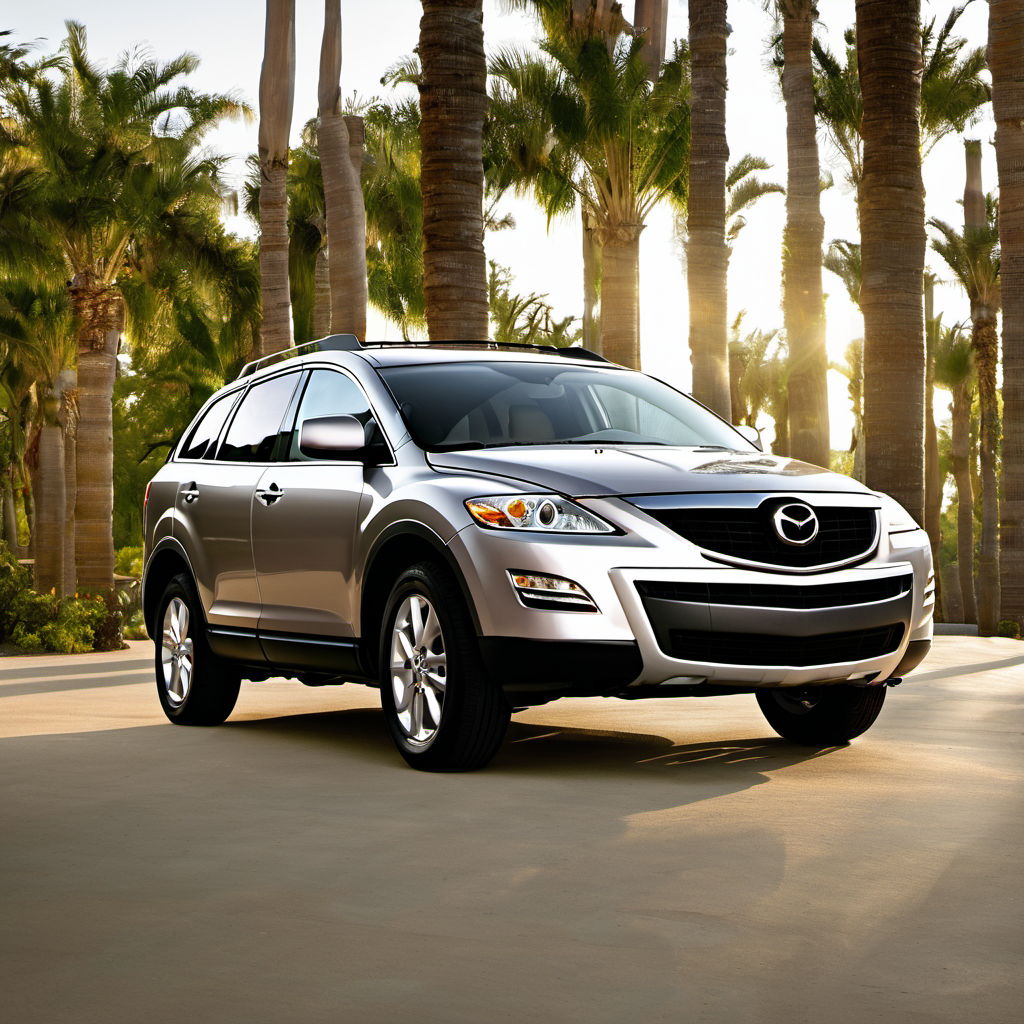
Shares the Edge's CD3 platform and the same 3.5L Duratec V6, so ownership quirks are nearly identical. The CX-9 offers a third row and a sportier feel, making it worth comparing if you need the extra seat.