2.7L V6 Engine Oil Sludge / Camshaft Phaser Failure
high- Typically appears
- 60–150k mi
- Estimated repair
- $1,500 – $5,000
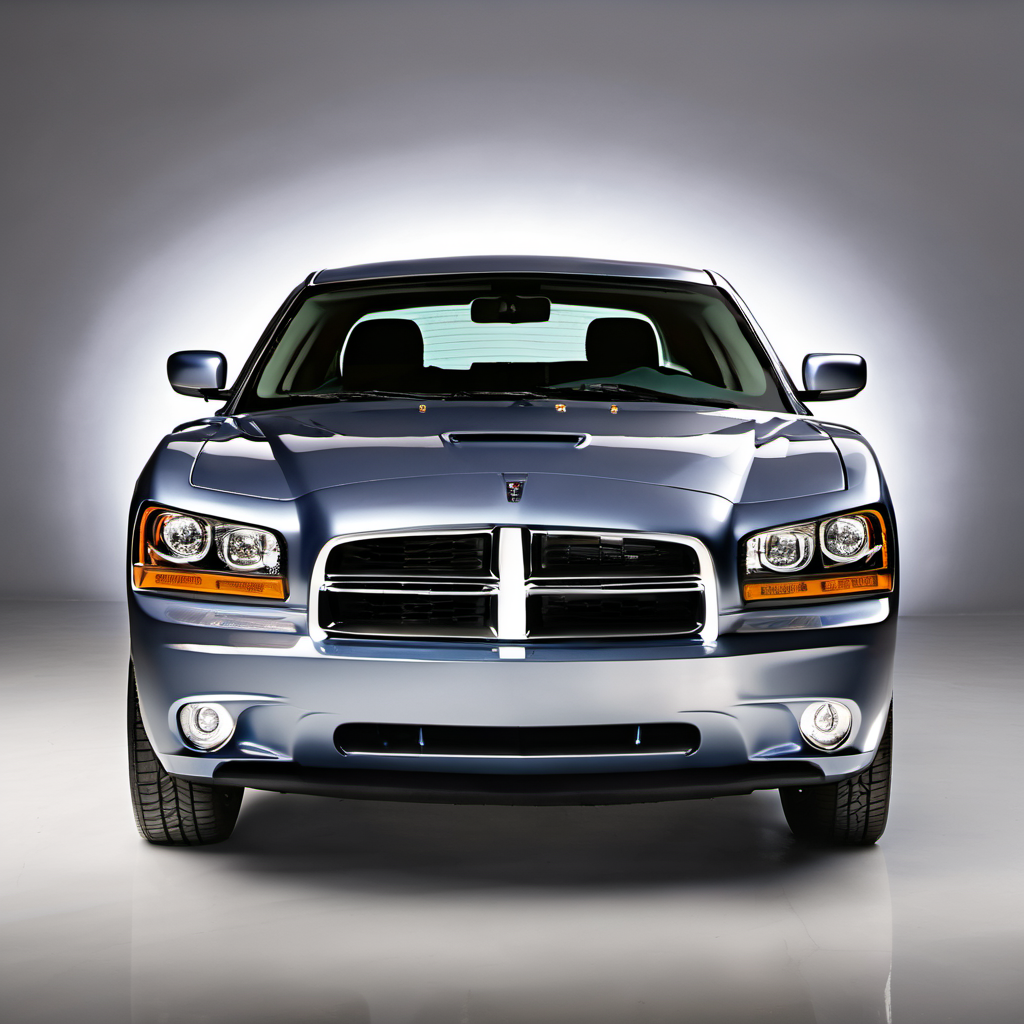
2007 Dodge
Sedan
The 2007 Dodge Charger is a full-size, rear-wheel-drive sedan built on Chrysler's LX platform — the same bones shared with the Chrysler 300. It brought back the Charger nameplate as a four-door muscle car, blending a broad engine lineup (from the 2.7L V6 all the way up to the 6.1L HEMI V8 SRT8) with a bold, retro-aggressive exterior. The base 2.7L V6 found in this vehicle is the economy-oriented entry point: adequate for daily driving but notably the least desirable engine in the lineup due to a well-documented sludging problem. This generation Charger has a strong following for good reason — it's a spacious, comfortable rear-driver with genuine style and a robust platform. However, prospective buyers and current owners need to be clear-eyed about the 2.7L engine's reputation. It is oil-sludge-prone when maintenance is deferred even slightly, and that failure mode is expensive. The 3.5L V6 and 5.7L HEMI are far more durable choices if you're shopping the used market. At 17+ years old, a Wisconsin-driven 2007 Charger will have seen significant road salt exposure. Rust on the subframe, wheel wells, and exhaust system is a real concern and must be inspected before purchase or during any undercarriage service.
The 2007 Dodge Charger is a full-size, rear-wheel-drive sedan built on Chrysler's LX platform — the same bones shared with the Chrysler 300. It brought back the Charger nameplate as a four-door muscle car, blending a broad engine lineup (from the 2.7L V6 all the way up to the 6.1L HEMI V8 SRT8) with a bold, retro-aggressive exterior. The base 2.7L V6 found in this vehicle is the economy-oriented entry point: adequate for daily driving but notably the least desirable engine in the lineup due to a well-documented sludging problem. This generation Charger has a strong following for good reason — it's a spacious, comfortable rear-driver with genuine style and a robust platform. However, prospective buyers and current owners need to be clear-eyed about the 2.7L engine's reputation. It is oil-sludge-prone when maintenance is deferred even slightly, and that failure mode is expensive. The 3.5L V6 and 5.7L HEMI are far more durable choices if you're shopping the used market. At 17+ years old, a Wisconsin-driven 2007 Charger will have seen significant road salt exposure. Rust on the subframe, wheel wells, and exhaust system is a real concern and must be inspected before purchase or during any undercarriage service.
The 2.7L V6 is extremely sensitive to oil quality and change intervals. Sludge builds up rapidly with neglect and can destroy cam phasers and bearings. Use a full-synthetic 5W-30 and don't push the interval.
The 5-speed automatic (NAG1 or 545RFE depending on trim) benefits from regular fluid changes. Neglected fluid leads to harsh shifts and torque converter issues.
The 2.7L runs warm and coolant condition matters for head gasket and water pump longevity. Check for signs of oil in coolant, which can indicate early head gasket issues.
The 2.7L V6 benefits from timely plug replacement to maintain combustion efficiency and reduce stress on the ignition coils.
Brake fluid absorbs moisture over time, lowering boiling point. Wisconsin winters accelerate corrosion in calipers and wheel cylinders when fluid is old.
Salt-belt cars need annual inspection of brake lines, fuel lines, subframe, and exhaust hangers. Treat exposed metal early — repair costs rise sharply once rust progresses to brake lines or structural components.
Cold cranking a RWD V6 at -10°F demands a healthy battery. A marginal battery that passes a warm-weather test can leave you stranded in a Wisconsin winter.
Wisconsin road debris and winter salt dust clog filters faster than in dry climates. A restricted air filter on the 2.7L adds unnecessary load and can affect MAF sensor readings.
Always defer to the manufacturer's service manual for warranty-mandated intervals.
The 2.7L Charger is the 'budget' entry point, but don't be fooled — ownership costs add up. Fuel economy is mediocre for a V6, insurance runs high due to the model's classification, and any deferred maintenance on the engine can turn a cheap car into a very expensive one quickly. Budget on the higher end of the maintenance range if the car's service history is incomplete.
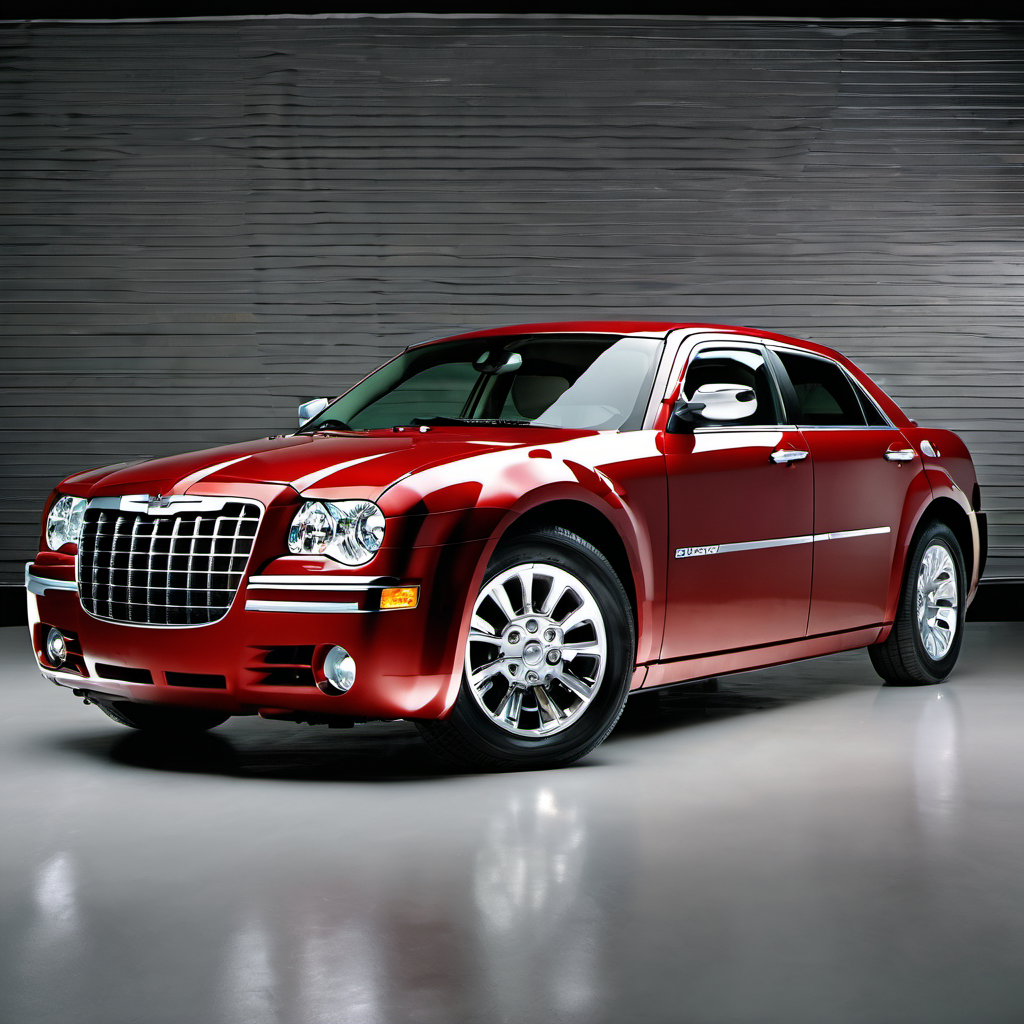
Shares the identical LX platform, same engine options, and similar pricing. The 300 offers a more upscale interior but the same mechanical strengths and weaknesses. A natural cross-shop.
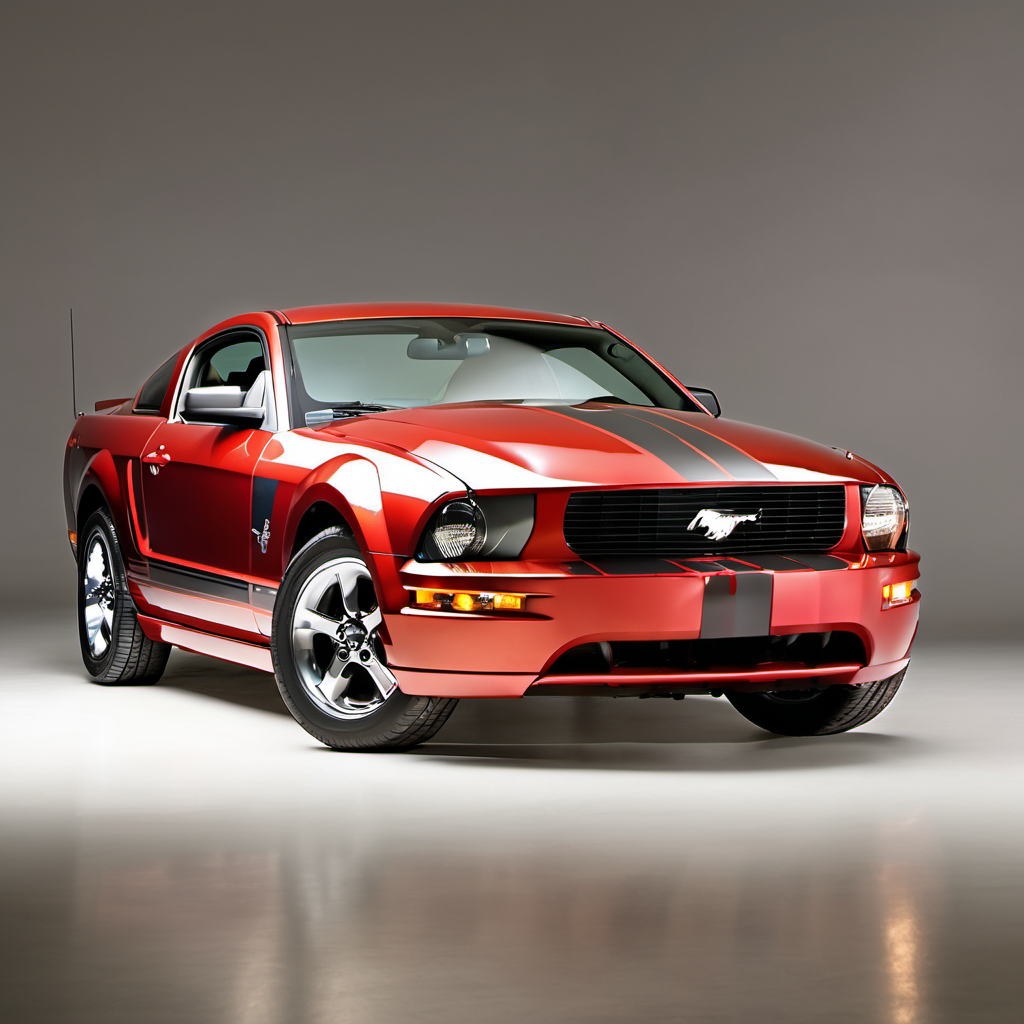
Another RWD American performance sedan/coupe in a similar price bracket. The 4.0L V6 Mustang is a more reliable base engine than the 2.7L Charger, though it gives up rear-seat room.
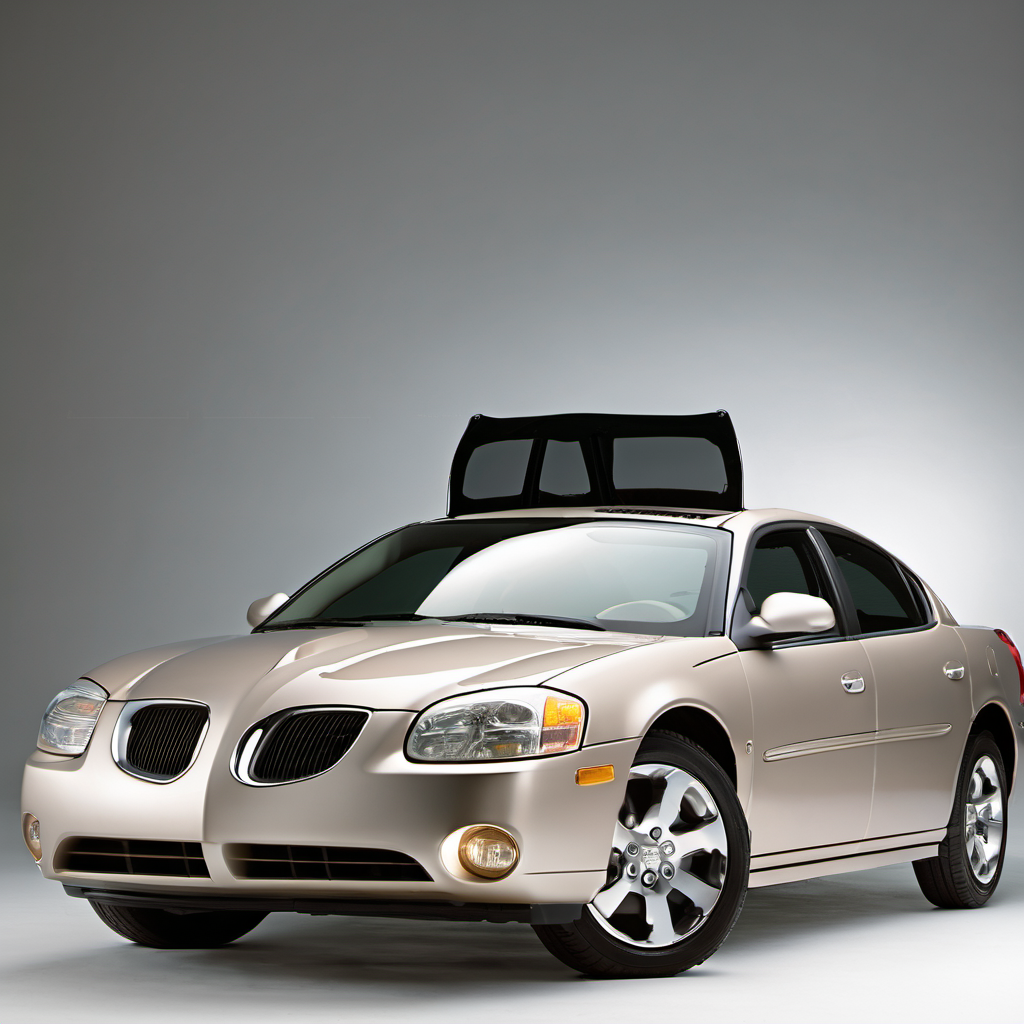
A front-wheel-drive alternative in the same large-sedan segment. More practical in Wisconsin winter conditions, though less exciting dynamically. Similar age and depreciation curve.
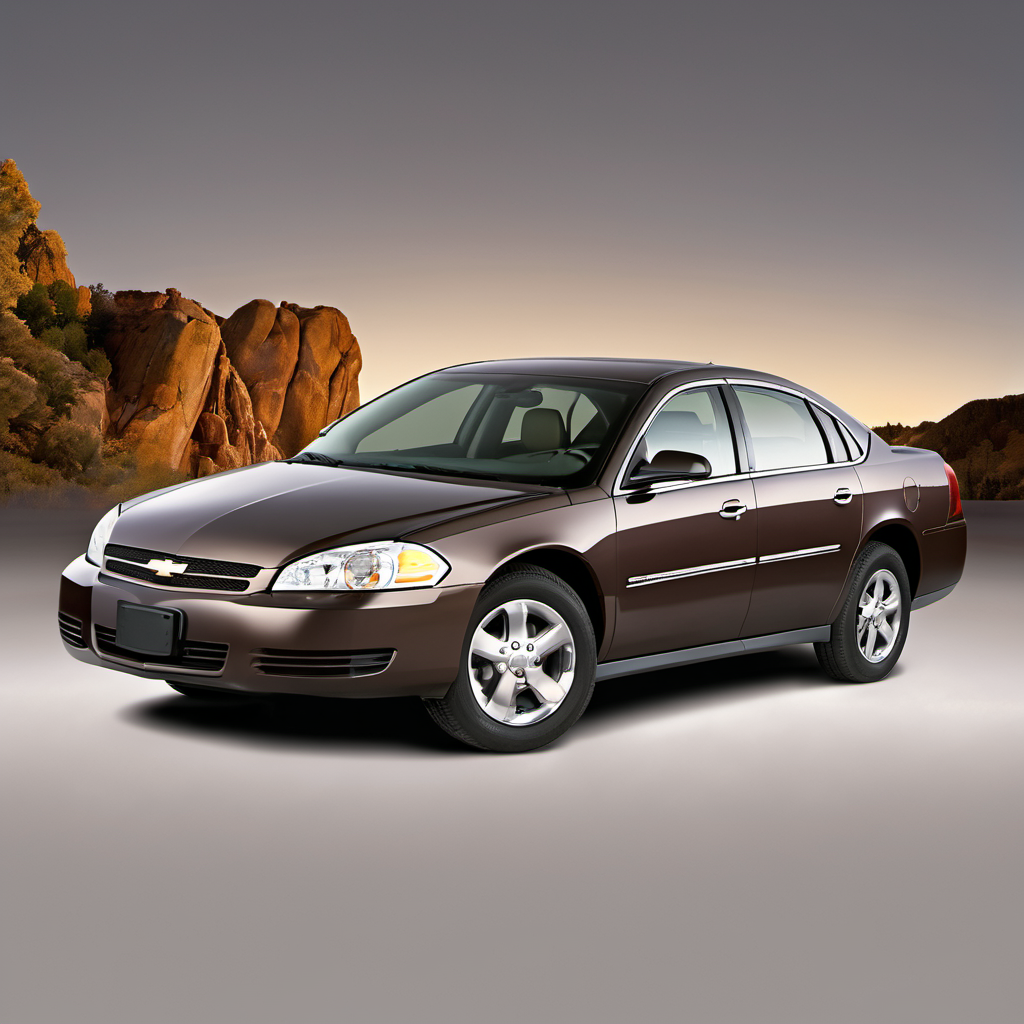
The main competitor in the full-size American sedan space. FWD, more winter-friendly, and the 3.5L/3.9L V6 is considerably more reliable than the Charger's 2.7L. Better choice for pure practicality.