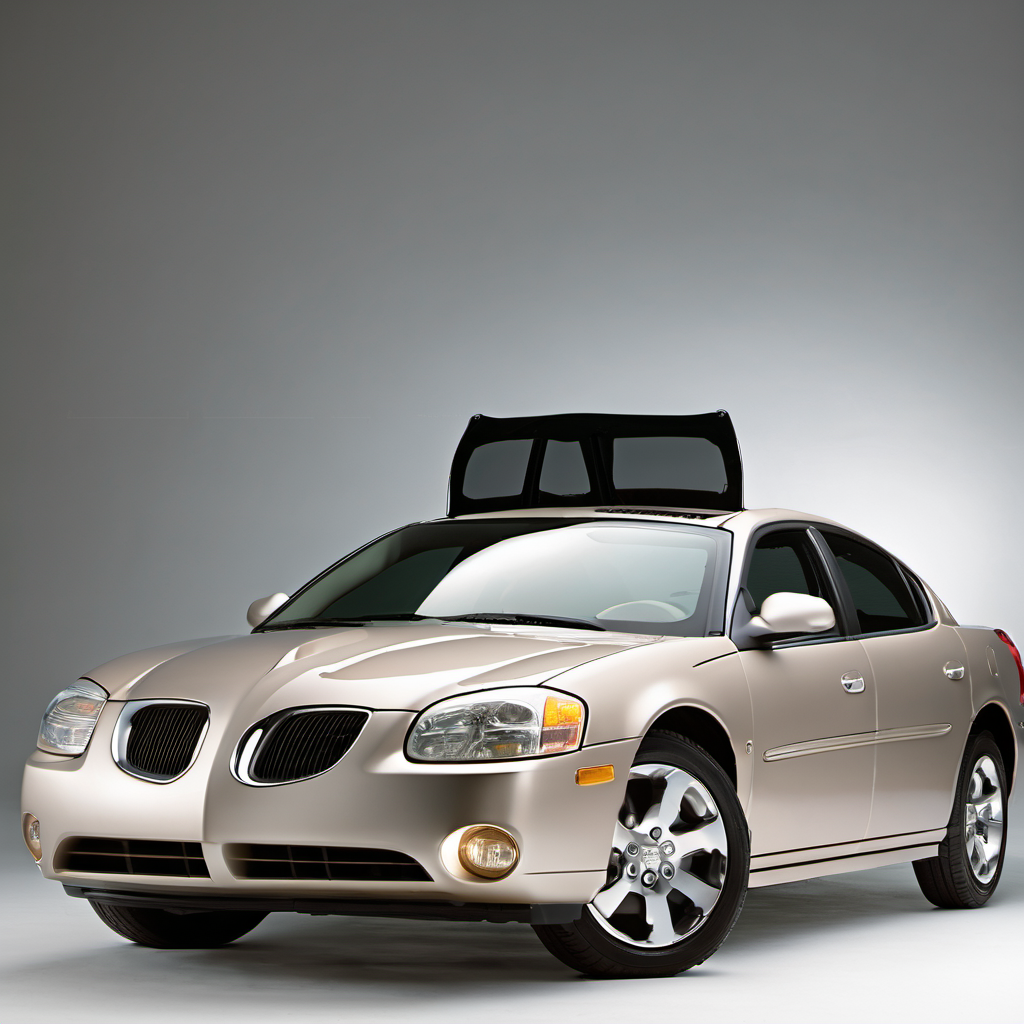
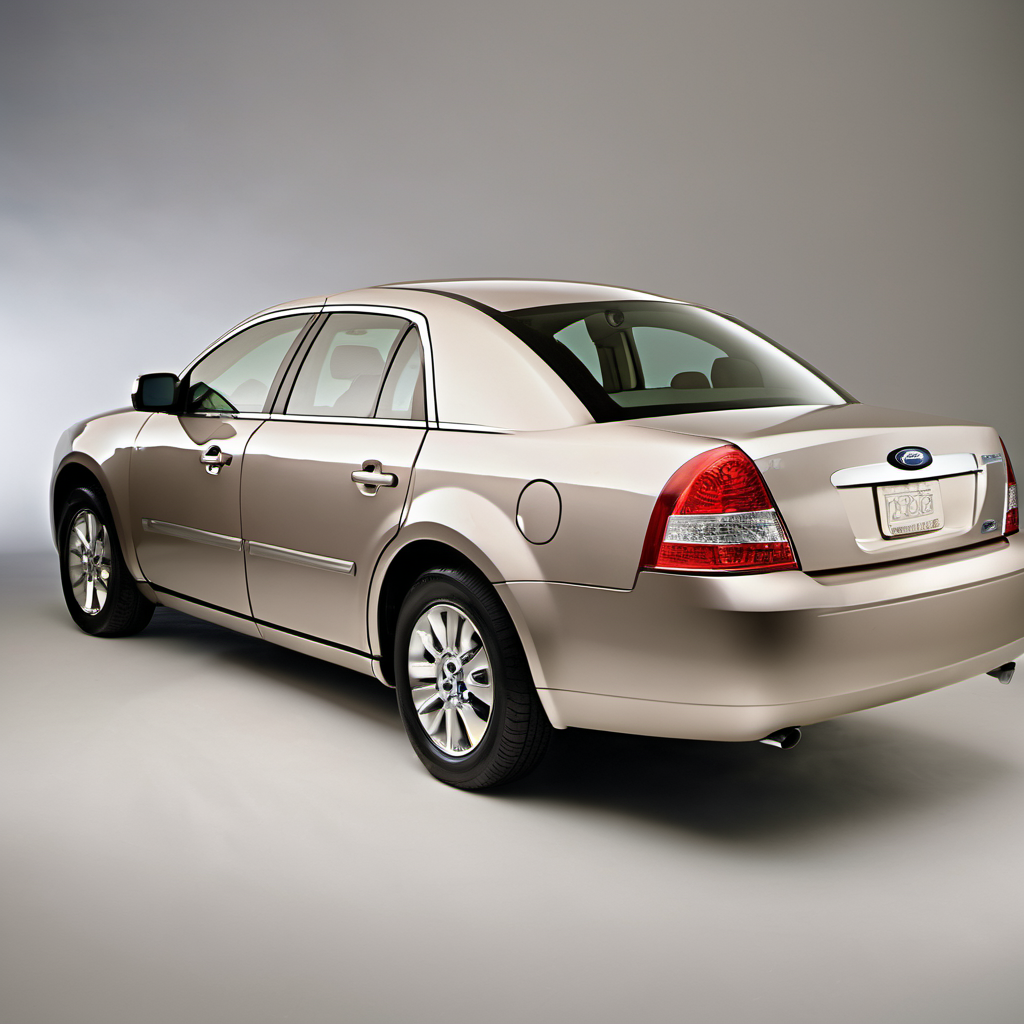
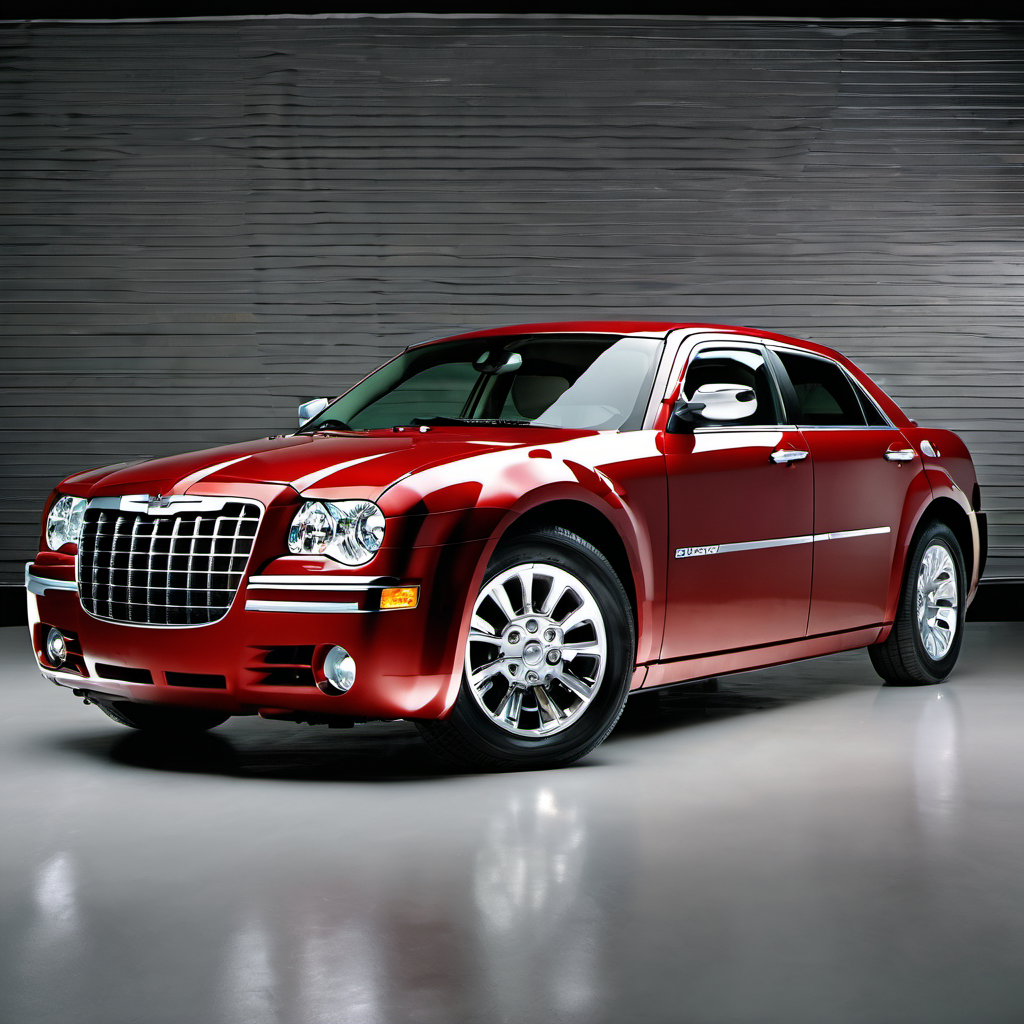
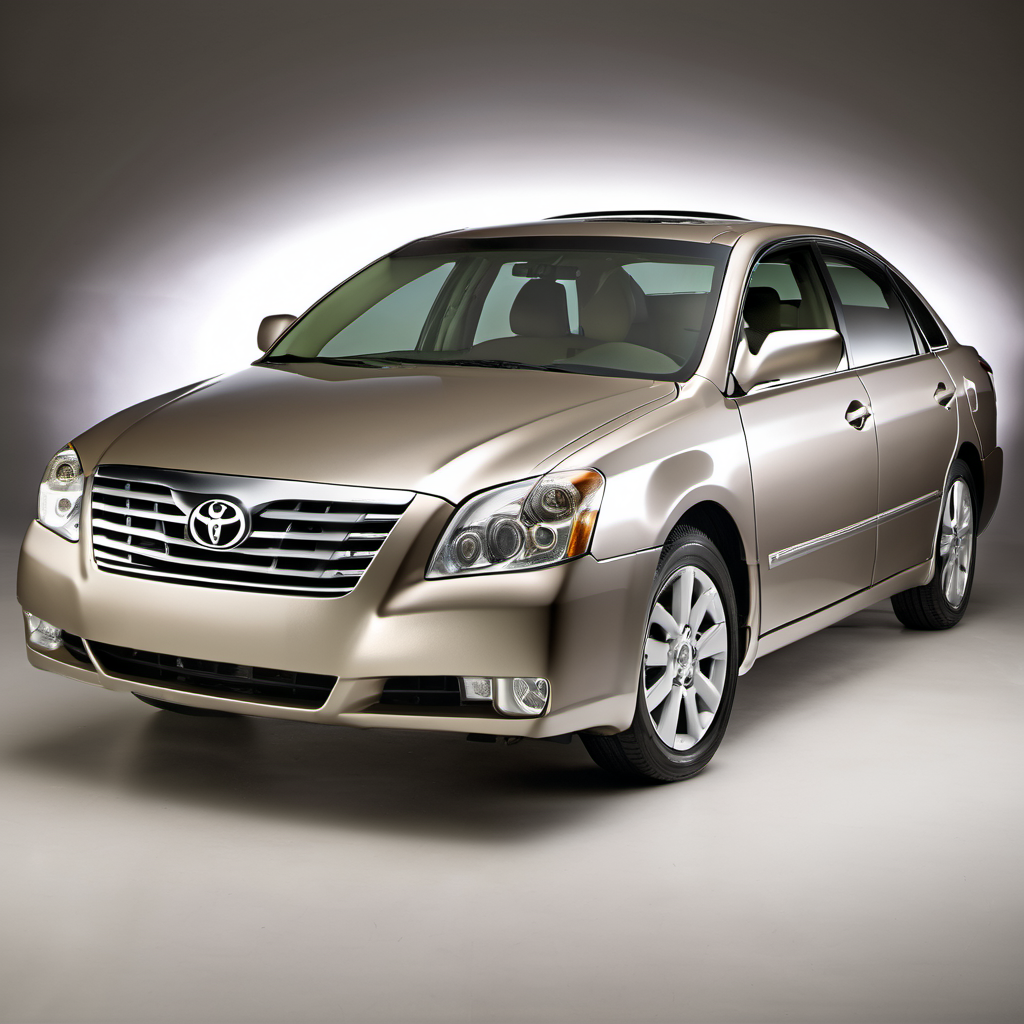
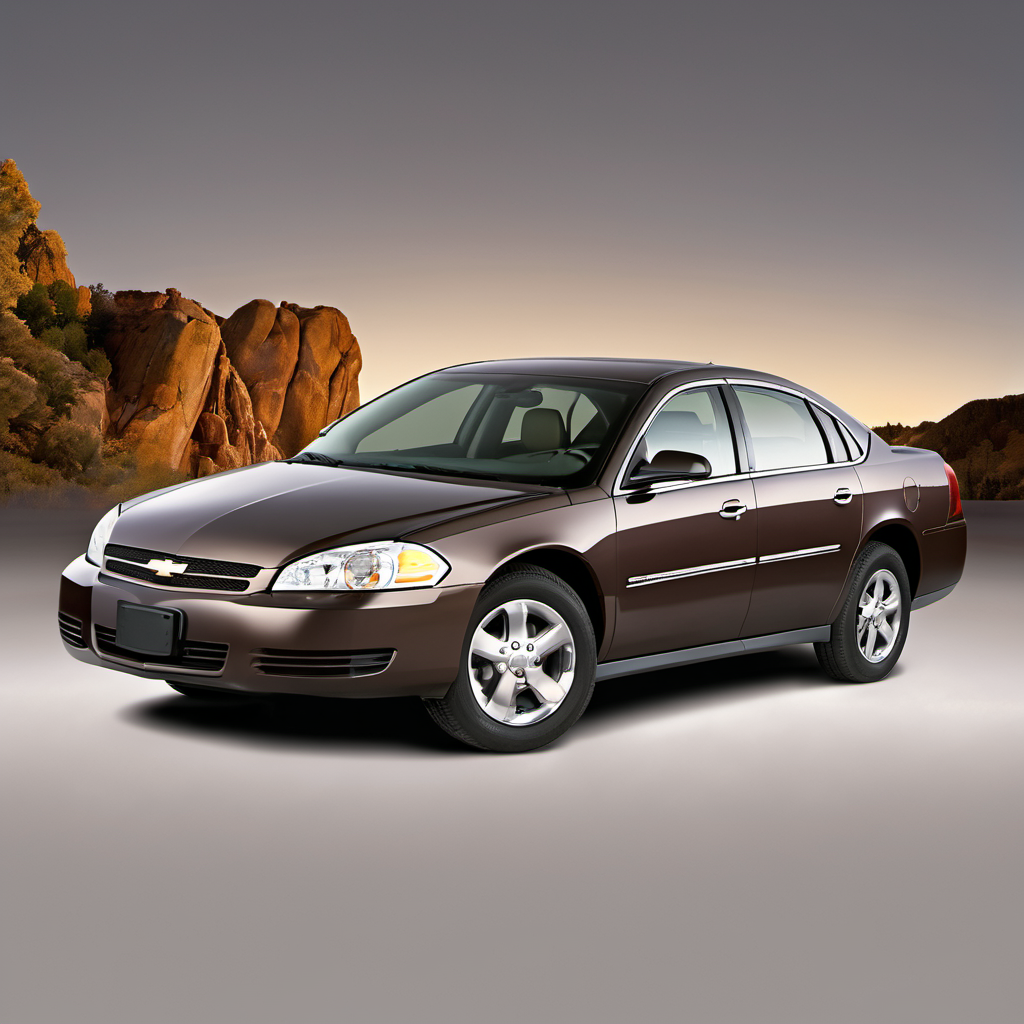
2007 Pontiac Grand Prix Sedan

2007 Pontiac

Grand PrixSedan

Sedan

The 2007 Pontiac Grand Prix is the final model year of a nameplate that ran for decades. This front-wheel-drive full-size sedan is powered by GM's proven 3.8L V6 — one of the most durable engines the company ever produced — and was positioned as an affordable, roomy alternative to import sedans. By 2007 Pontiac was already in decline, and Grand Prix production ended that year when GM axed the model line. For a used buyer, the Grand Prix offers genuine value: the 3800 Series III engine is well-understood, parts are plentiful and cheap, and independent shops know it cold. The four-speed automatic that backs it up is similarly simple and tough. Ride quality is soft and comfortable, interior space is generous, and the GXP trim's 5.3L V8 option gives it surprising performance credentials. The flip side is age — the youngest of these is now nearly 20 years old. Corrosion is a real concern in Wisconsin, electronics are aging, and Pontiac-specific trim pieces are getting hard to find. Buy one that's been maintained, inspect it thoroughly underneath, and budget for deferred work.

Reliability
3/5
Verified data
Specs shown for Grand Prix — the most common configuration. Other trims may vary in engine, drivetrain, or fuel economy. Sign in to see your vehicle's exact specs.
Engine
[object Object]
Drivetrain
FWD
Fuel
Premium gasoline
MPG
17 city / 26 hwy / 20 combined
Seats
Doors
Body
Midsize Cars

Overview

AI-curated

The 2007 Pontiac Grand Prix is the final model year of a nameplate that ran for decades. This front-wheel-drive full-size sedan is powered by GM's proven 3.8L V6 — one of the most durable engines the company ever produced — and was positioned as an affordable, roomy alternative to import sedans. By 2007 Pontiac was already in decline, and Grand Prix production ended that year when GM axed the model line. For a used buyer, the Grand Prix offers genuine value: the 3800 Series III engine is well-understood, parts are plentiful and cheap, and independent shops know it cold. The four-speed automatic that backs it up is similarly simple and tough. Ride quality is soft and comfortable, interior space is generous, and the GXP trim's 5.3L V8 option gives it surprising performance credentials. The flip side is age — the youngest of these is now nearly 20 years old. Corrosion is a real concern in Wisconsin, electronics are aging, and Pontiac-specific trim pieces are getting hard to find. Buy one that's been maintained, inspect it thoroughly underneath, and budget for deferred work.

Known for
  • GM 3800 Series III V6 — one of the most reliable domestic engines ever built
  • Roomy, comfortable cabin with good highway manners
  • Low purchase price relative to size and capability
  • Simple, well-documented mechanicals that independent shops handle easily
  • Final year of an iconic American nameplate
Best for
  • Budget-conscious buyers who want a full-size comfortable sedan
  • Highway commuters who prioritize fuel economy over performance
  • Owners who plan to DIY maintain and want an easy-to-work-on platform
  • Buyers who don't need AWD and operate primarily in city/suburb environments
Watch for
  • Rust and underbody corrosion — especially in Wisconsin salt country
  • Aging intake manifold gaskets (a known 3.8L failure point)
  • Power window regulators and door lock actuators failing with age
  • Deferred maintenance on a neglected high-mileage example
  • Discontinued nameplate means some trim/interior pieces are NLA (no longer available)

Common issues by mileage

6 known

Intake Manifold Gasket Failure / Coolant Leak

high
Typically appears
80–150k mi
Estimated repair
$400 – $750

Power Steering Rack Leak or Failure

medium
Typically appears
100–150k mi
Estimated repair
$500 – $900

Power Window Regulator Failure

high
Typically appears
80–180k mi
Estimated repair
$150 – $300

Oxygen Sensor Heater Circuit Fault

medium
Typically appears
100–160k mi
Estimated repair
$150 – $350

Strut and Strut Mount Wear

high
Typically appears
90–150k mi
Estimated repair
$500 – $900

Maintenance schedule

  1. 1
    Every 5,000 mi or 6 months Engine oil and filter change

    The 3800 V6 rewards consistent oil changes above all else. Use the OEM-spec 5W-30. Extended intervals on a high-mileage engine accelerate sludge buildup and gasket wear.

  2. 2
    Every 2 years or 30,000 mi Coolant system inspection and flush

    GM's Dex-Cool degrades and becomes acidic over time, attacking intake manifold gaskets and the plastic intake plenum. Keep it fresh and check for milky oil or white exhaust, which signal a leaking gasket.

  3. 3
    Every 30,000–45,000 mi Transmission fluid and filter service

    The 4T65-E is durable but fluid-sensitive. Burnt or dark fluid shortens clutch pack life significantly. Use GM-spec Dexron VI.

  4. 4
    Every 60,000 mi (platinum plugs) Spark plugs and ignition wires

    The 3.8L uses a coil-pack ignition system. Worn plugs and cracked plug wires cause misfires and rough idle. On a high-mileage car, do this proactively.

  5. 5
    Every 60,000 mi or at visible cracking Serpentine belt and tensioner inspection

    A snapped belt strands you instantly and can cause overheating. Tensioners weaken with age and may allow belt slap before full failure.

  6. 6
    Every 30,000 mi or annually Front suspension and steering inspection (tie rods, struts, sway bar links)

    Wisconsin roads are punishing. Strut mounts and end links take a beating. Worn front-end components affect steering feel and tire wear.

  7. 7
    Every 2–3 years Brake fluid flush

    Brake fluid absorbs moisture over time, lowering its boiling point. On a car this age, a flush is cheap insurance, especially before Wisconsin winter driving.

  8. 8
    Every spring (after road salt season) Underbody and rocker panel rust inspection

    Salt exposure is this car's biggest longevity threat in Wisconsin. Inspect brake lines, fuel lines, and frame rails annually. Treat any surface rust before it penetrates.

Always defer to the manufacturer's service manual for warranty-mandated intervals.

Cost of ownership

Annual maintenance
$600 – $1,400
Fuel
At 20 mpg combined and typical Wisconsin driving, expect roughly $1,800–$2,400/year at current gas prices. The 3.8L is rated for regular 87 octane despite the EPA listing 'premium' — confirm with your owner's manual and use the lowest octane the engine doesn't knock on.
Insurance
Generally low — full coverage on a car this age and value typically runs $900–$1,400/year in the Lake Geneva area depending on driver history. Liability-only is even less.

This is a low cost-of-entry vehicle with manageable upkeep when maintained proactively. The biggest budget risk is deferred work stacking up — intake gaskets, power steering, and struts can hit all at once on a neglected example. Budget $800–$1,200 in catch-up work when buying used unless records prove recent service.
Seasonal care

Lake Geneva, WI
Winter
  • Switch to a 5W-30 full-synthetic oil if not already running it — thinner cold-weather viscosity helps the 3.8L turn over faster at sub-zero starts common in Lake Geneva
  • Test the battery before November — a battery over 4 years old or showing less than 12.4V at rest should be replaced proactively; cold cranking amps drop dramatically below 0°F
  • Use winter-rated windshield washer fluid rated to at least -20°F; the reservoir and lines can freeze with summer fluid still in the system
  • Inspect and replace wiper blades with winter-style blades before first snowfall — the standard blades ice up and streak
  • Check brake lines and fuel lines for corrosion or weeping before winter; salt accelerates any existing pinhole leaks into failures
  • Keep the gas tank above half when possible — it adds weight over the front wheels (this is FWD) and prevents fuel line freeze in extreme cold
Summer
  • Check tire pressure monthly — pressure drops roughly 1 PSI for every 10°F change in temperature; Wisconsin summer heat inflates tires beyond spec
  • Inspect the A/C system for proper cooling — the system is R-134a and may need a recharge on a car this age; a weak A/C system also stresses the engine at highway speeds
  • Check coolant level and condition before summer heat arrives — a marginal intake gasket that weeps all winter can fail quickly when the engine runs hotter in July
  • Inspect the serpentine belt for cracking or glazing; heat accelerates rubber degradation and a summer breakdown is just as bad as a winter one

Comparable vehicles

If you're shopping for one

Red flags
  • Any sign of coolant in the oil (milky dipstick or cap) — intake gasket failure is expensive and can indicate deeper engine damage if run too long
  • Rust holes or severe scale on brake lines, fuel lines, or the frame — structural rust is a safety issue and often costs more to repair than the car is worth
  • Transmission that slips, hunts for gears, or has delayed engagement — the 4T65-E is durable but failed fluid maintenance causes clutch pack damage that's expensive to fix
  • Check engine light with U0100–U0104 network codes — these CAN bus faults can indicate failing BCM or wiring harness corrosion, which is labor-intensive to chase on a car this age
  • No service records and visibly neglected — at 15–20 years old, unknown history means budgeting $1,500+ in catch-up maintenance immediately
What to inspect
  • Rocker panels, rear wheel arches, and underbody brake/fuel lines for rust perforation — this is the #1 concern on any Wisconsin-kept example
  • Coolant condition and oil cap for milky residue — signals intake manifold gasket failure
  • Power steering fluid level and reservoir for foam or dark color — rack leaks are common
  • All four power windows and door locks — regulators and actuators fail frequently at this age
  • Strut bounce test at all four corners and listen for clunks over bumps — strut mounts go bad and are often deferred
  • Ask for any service records, especially coolant flushes and transmission service
AI profile generated 1 hr ago · claude-sonnet-4-6 · v2.