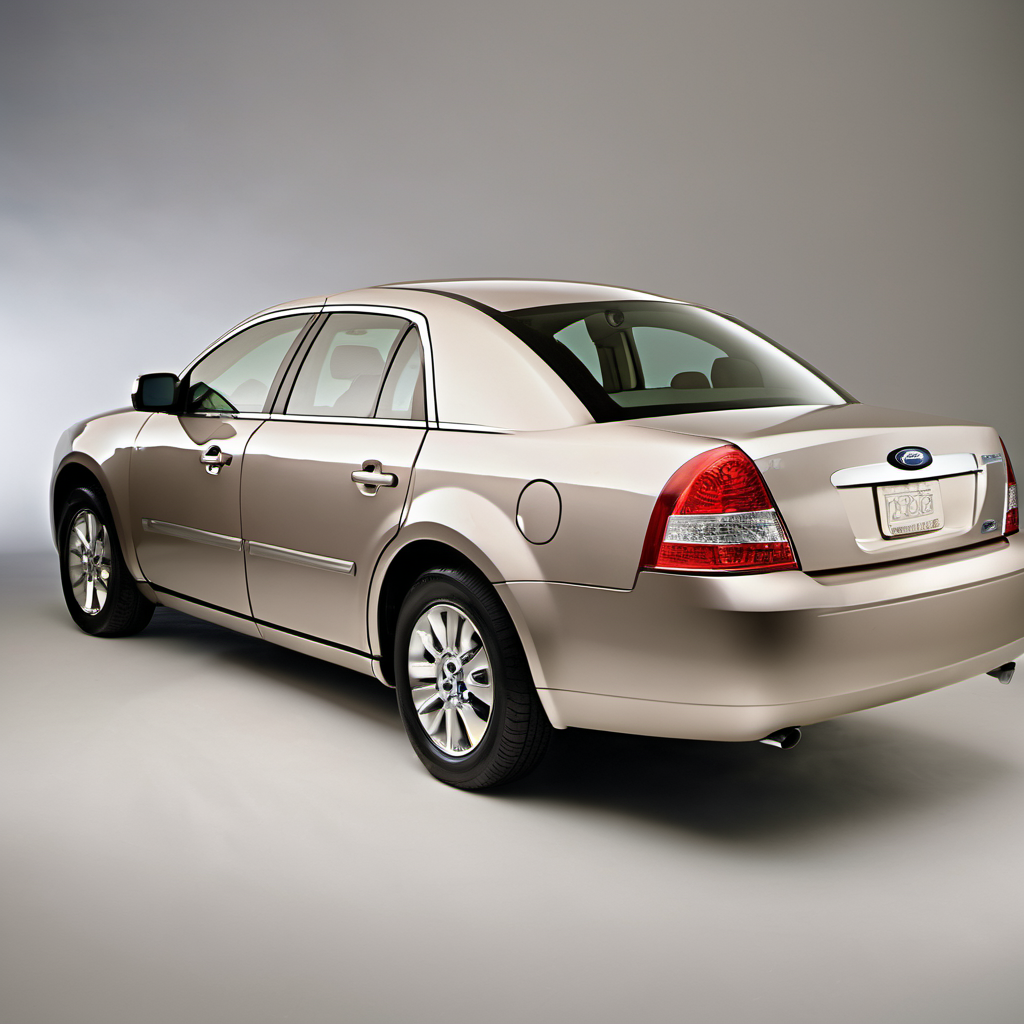
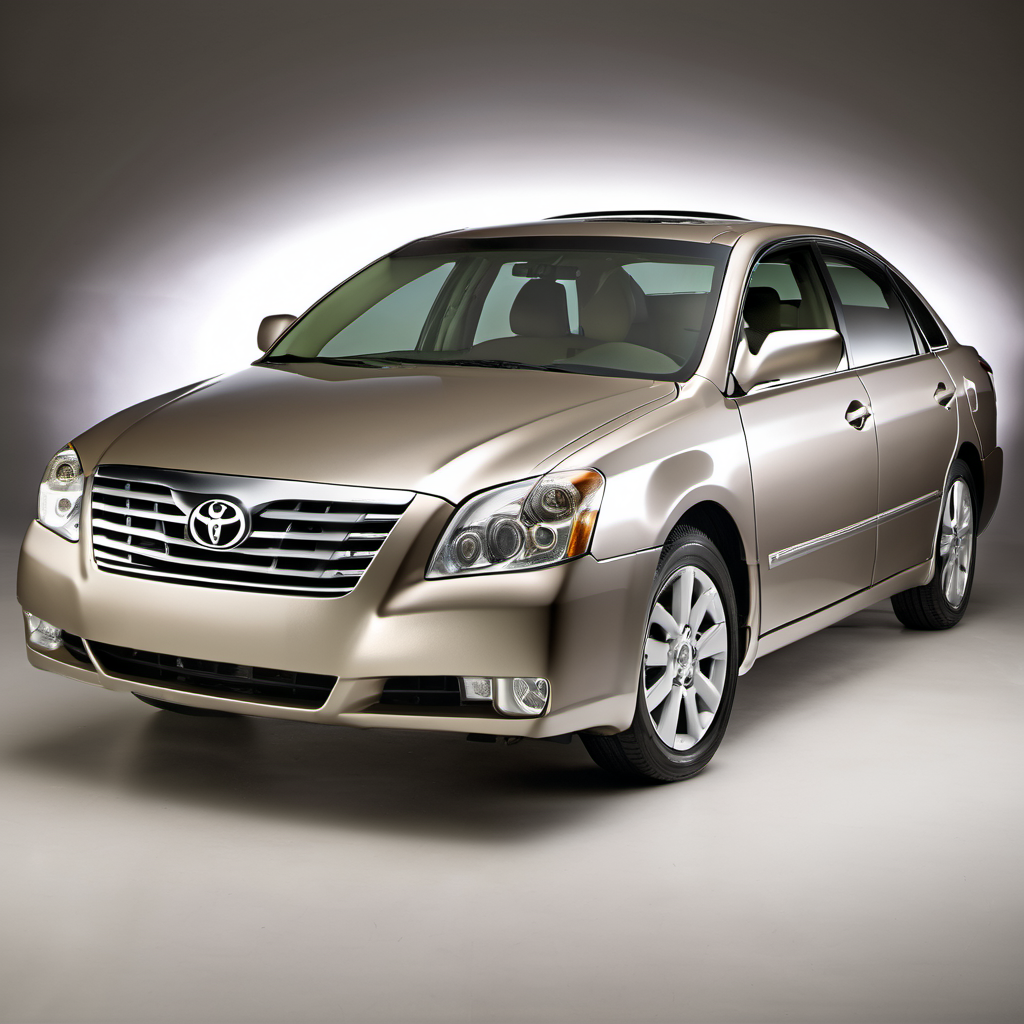
2007 Ford Five Hundred Sedan

2007 Ford

Five HundredSedan

Sedan

The 2007 Ford Five Hundred is a full-size front-wheel-drive or all-wheel-drive sedan that Ford produced from 2005 through 2007 before renaming it the Taurus. It was designed to fill the void left by the retiring Crown Victoria in Ford's passenger car lineup, and it brought an unusually roomy, car-based platform with optional AWD at a price point that undercut most competitors. The Five Hundred never generated much excitement — its 3.0L Duratec V6 was adequate but not energetic — yet it offered genuine practicality: one of the tallest interiors in its class, strong crash ratings, and an available AWD system shared with Volvo platforms. By 2007, the model was in its final year before Ford phased out the Five Hundred name. That means parts availability is now blended with the Taurus/Taurus X supply chain, which is actually a positive — many components cross-reference with higher-volume Ford products. Depreciation hit this car hard when new, so used examples offer strong value per square foot of interior space. For a Wisconsin buyer, the AWD model is worth the premium over FWD: the Haldex-style rear coupling adds meaningful traction on packed snow and ice without the complexity or fuel penalty of a traditional 4WD system. Fuel economy is modest at best, so budget accordingly.

Reliability
3/5
Verified data
Specs shown for Five Hundred AWD — the most common configuration. Other trims may vary in engine, drivetrain, or fuel economy. Sign in to see your vehicle's exact specs.
Engine
[object Object]
Drivetrain
AWD
Fuel
Gasoline
MPG
17 city / 23 hwy / 19 combined
Seats
Doors
Body
Large Cars

Overview

AI-curated

The 2007 Ford Five Hundred is a full-size front-wheel-drive or all-wheel-drive sedan that Ford produced from 2005 through 2007 before renaming it the Taurus. It was designed to fill the void left by the retiring Crown Victoria in Ford's passenger car lineup, and it brought an unusually roomy, car-based platform with optional AWD at a price point that undercut most competitors. The Five Hundred never generated much excitement — its 3.0L Duratec V6 was adequate but not energetic — yet it offered genuine practicality: one of the tallest interiors in its class, strong crash ratings, and an available AWD system shared with Volvo platforms. By 2007, the model was in its final year before Ford phased out the Five Hundred name. That means parts availability is now blended with the Taurus/Taurus X supply chain, which is actually a positive — many components cross-reference with higher-volume Ford products. Depreciation hit this car hard when new, so used examples offer strong value per square foot of interior space. For a Wisconsin buyer, the AWD model is worth the premium over FWD: the Haldex-style rear coupling adds meaningful traction on packed snow and ice without the complexity or fuel penalty of a traditional 4WD system. Fuel economy is modest at best, so budget accordingly.

Known for
  • Exceptionally tall, airy cabin — one of the roomiest interiors in its class
  • Available AWD system derived from Ford's Volvo platform partnership
  • Strong 5-star NHTSA crash test ratings for its era
  • Smooth, quiet highway ride with a well-tuned suspension
  • Low purchase price relative to its size
Best for
  • Buyers who prioritize interior space over performance
  • Midwest/Wisconsin drivers who want sedan AWD traction
  • High-mileage commuters looking for a budget full-size sedan
  • Families needing rear-seat headroom without buying an SUV
Watch for
  • CVT transmission (early 2005–2006 models) — 2007 uses a 6-speed automatic, but verify
  • AWD rear coupling wear and seal leaks at higher mileage
  • Throttle body carbon buildup on the Duratec 3.0L reducing idle quality
  • Rust on subframe, brake lines, and rocker panels — Wisconsin salt exposure is severe on this generation

Common issues by mileage

6 known

Throttle Body Carbon Buildup / Idle Surge

high
Typically appears
60–120k mi
Estimated repair
$80 – $200

AWD Rear Coupling Seal Leak / Failure

medium
Typically appears
80–140k mi
Estimated repair
$350 – $900

Oxygen Sensor / Heater Circuit Failure

medium
Typically appears
80–150k mi
Estimated repair
$120 – $320

Brake Line and Subframe Rust (Wisconsin Salt Exposure)

high
Typically appears
60–120k mi
Estimated repair
$400 – $1,800

6-Speed Automatic Transmission Shudder / Harsh Shifts

medium
Typically appears
100–160k mi
Estimated repair
$200 – $2,800

Maintenance schedule

  1. 1
    Every 60k miles — do not trust Ford's 'lifetime' fluid claim on a used vehicle Transmission fluid change (6-speed automatic)

    Deferred ATF changes are the leading cause of shift quality deterioration and premature solenoid wear on this transmission. On a used purchase, change it immediately regardless of mileage.

  2. 2
    Every 30–45k miles AWD rear coupling fluid change

    The Haldex-style coupling runs on its own fluid separate from the rear differential. Neglected fluid breaks down and causes coupling wear, binding, and eventual failure — an expensive repair.

  3. 3
    Every 45–60k miles Throttle body cleaning

    The Duratec 3.0L accumulates carbon deposits on the throttle bore, causing rough idle, idle surge, and stalling — especially on cold Wisconsin starts.

  4. 4
    Every 5 years or 100k miles Coolant flush

    Degraded coolant accelerates corrosion in the aluminum heads and water pump. Use Ford-spec orange (OAT) coolant only.

  5. 5
    Every spring after winter season Underbody rust inspection and brake line check

    Wisconsin road salt aggressively attacks the steel brake lines, fuel lines, and subframe on this generation Ford. Catching early rust means a cheap repair; missing it can mean a brake line failure.

  6. 6
    Every 60k miles Spark plug replacement

    The Duratec V6 uses platinum plugs on a 60k schedule. Extended intervals cause plugs to seize in the aluminum heads — change them on time.

  7. 7
    Every fall, before first freeze Battery test

    Wisconsin sub-zero temperatures can cut a marginal battery's cranking amps by 30–50%. A battery that starts the car fine in September may strand you in January.

  8. 8
    Every 15–20k miles or annually Cabin air filter replacement

    A clogged cabin filter strains the blower motor and reduces defrost effectiveness — a real problem during Wisconsin winters.

Always defer to the manufacturer's service manual for warranty-mandated intervals.

Cost of ownership

Annual maintenance
$600 – $1,400
Fuel
At 19 MPG combined and ~15,000 miles/year, expect roughly $1,500–$1,900/year at current Midwest gas prices. AWD adds a slight fuel penalty over FWD.
Insurance
Generally low — the Five Hundred's age, moderate performance, and family-sedan profile keep rates reasonable. Expect $900–$1,400/year for full coverage depending on your record and ZIP code.

The Five Hundred is a low-cost-to-own car as long as you stay ahead of the AWD coupling fluid and transmission service. The biggest financial risk on a Wisconsin example is underbody rust — a pre-purchase inspection focusing on brake lines and subframe is money well spent. Parts are reasonably priced due to crossover with the Ford Taurus parts bin.
Seasonal care

Lake Geneva, WI
Winter
  • Test and replace the battery if it's over 4 years old — sub-zero temps will expose any weakness immediately
  • Switch to full-synthetic 5W-20 oil if not already — it flows faster on cold starts and reduces wear during Wisconsin's below-zero mornings
  • Flush and refill washer fluid reservoir with a -20°F or colder rated fluid; the stock reservoir is large but will freeze solid with summer blend fluid
  • Inspect brake lines and connections every fall — salt corrosion on steel lines is an active safety risk on this generation
  • Check AWD coupling operation before winter — a slipping or binding coupling won't give you the traction you're counting on in snow
  • Install dedicated winter tires if possible; the AWD system helps with acceleration but not stopping — winter tires address both
Summer
  • Check tire pressure monthly — Wisconsin summer heat causes pressure to rise and fluctuate; target the door-jamb spec, not the tire sidewall max
  • Inspect the A/C system for refrigerant leaks and verify the cabin air filter is clean — a clogged filter kills cooling efficiency
  • Watch coolant temperature on hot days, especially in stop-and-go; a marginal thermostat or low coolant level will show up in summer heat
  • Check the AWD coupling vent and seals after spring potholes — rough roads can dislodge seals and allow contamination of the coupling fluid

Comparable vehicles

If you're shopping for one

Red flags
  • Any active brake warning light combined with visible brake line rust underneath — do not drive the car home
  • AWD coupling that whines, binds in parking lot turns, or causes a shudder during low-speed cornering — coupling replacement is $350–$900
  • Transmission that slips, flares between gears, or clunks on engagement — fluid neglect at this mileage often means the damage is already done
  • Evidence of oil sludge on the oil cap or dipstick — the Duratec 3.0L can develop sludge with extended OCI intervals, and sludge accelerates VCT solenoid failure
  • Rust perforation on rocker panels or floor — cosmetic rust is manageable, but structural rust means the car is near the end of its economical life
What to inspect
  • Lift the car and visually inspect all steel brake lines for rust bubbling, pitting, or cracks — this is the top priority on any Wisconsin example
  • Check the subframe and rear cradle for heavy corrosion; surface rust is normal, but deep pitting or flaking metal is a deal-breaker
  • Verify the AWD system engages properly — accelerate on a loose surface or use a split-traction maneuver to confirm the rear wheels are pulling
  • Scan for stored and pending DTCs before purchase — camshaft/VCT codes (P0012, P0015, P0022, P0025) can indicate oil maintenance neglect
  • Check transmission fluid condition and color — brown or burnt-smelling fluid means deferred service and potential shift quality problems ahead
  • Listen for throttle body roughness at idle when cold — a stumble or surge on startup often means the throttle body needs cleaning or the idle air control is fouled
AI profile generated 1 hr ago · claude-sonnet-4-6 · v2.