Head gasket failure (external coolant/oil leak or internal combustion gas leak)
high- Typically appears
- 80–140k mi
- Estimated repair
- $1,400 – $2,200
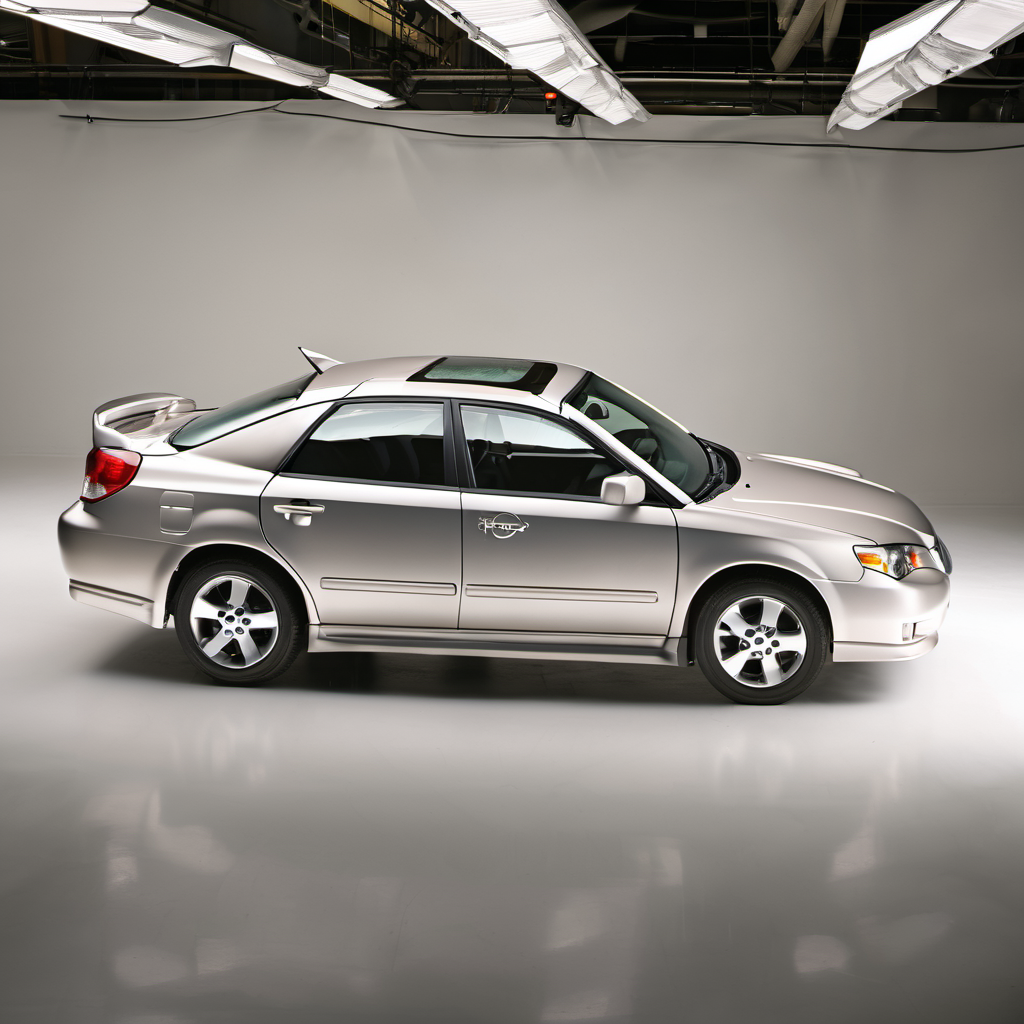
2006 Subaru
2.5L H4 (EJ253) · Wagon
The 2006 Subaru Legacy Wagon (sold as the Outback's sportier sibling) is a practical all-wheel-drive wagon built on the third-generation BP/BL platform. It pairs everyday versatility with Subaru's symmetrical AWD system, making it a genuinely capable year-round hauler without the bulk of an SUV. In the upper Midwest it earned a devoted following for exactly that reason — it handles Wisconsin winters well without burning truck-level fuel. Under the hood the base Legacy Wagon uses a 2.5L horizontally-opposed four-cylinder. The flat-four layout keeps the center of gravity low and contributes to the car's composed handling. A 2.5GT turbocharged variant was also available, though the naturally aspirated version is far more common on the used market and meaningfully more reliable long-term. At nearly 20 years old, these cars have separated into two camps: well-maintained survivors with 120–180k miles that still have plenty of life left, and neglected examples with deferred oil changes, head gasket damage, and rust eating the subframe. The difference between those two worlds is huge, so condition and service history matter more than anything else on this vehicle.
The 2006 Subaru Legacy Wagon (sold as the Outback's sportier sibling) is a practical all-wheel-drive wagon built on the third-generation BP/BL platform. It pairs everyday versatility with Subaru's symmetrical AWD system, making it a genuinely capable year-round hauler without the bulk of an SUV. In the upper Midwest it earned a devoted following for exactly that reason — it handles Wisconsin winters well without burning truck-level fuel. Under the hood the base Legacy Wagon uses a 2.5L horizontally-opposed four-cylinder. The flat-four layout keeps the center of gravity low and contributes to the car's composed handling. A 2.5GT turbocharged variant was also available, though the naturally aspirated version is far more common on the used market and meaningfully more reliable long-term. At nearly 20 years old, these cars have separated into two camps: well-maintained survivors with 120–180k miles that still have plenty of life left, and neglected examples with deferred oil changes, head gasket damage, and rust eating the subframe. The difference between those two worlds is huge, so condition and service history matter more than anything else on this vehicle.
The EJ253 is sensitive to oil quality and interval. Sludge from extended changes accelerates head gasket seepage and clogs VVT oil passages. Shorter intervals are cheap insurance on a car this age.
This is an interference engine. A snapped belt destroys valves and pistons. On a used car, replace it immediately if you cannot confirm the last service date.
The EJ253 head gasket failures are partly accelerated by degraded coolant chemistry. Using the wrong coolant type shortens gasket life. Always verify no combustion gases are present in the coolant.
Subaru's 5-speed automatic is not a sealed-for-life unit despite what some service schedules suggest. Dark, burnt-smelling fluid at this mileage means the transmission is already stressed.
Symmetrical AWD transfers load through the center and rear differentials constantly. Old fluid causes binding and premature wear, and many used examples have never had this done.
Subaru specifies this interval. Moisture-laden brake fluid lowers boiling point and corrodes ABS hardware from the inside — a real issue on salt-belt cars.
Wisconsin road salt attacks the rear subframe and brake lines on these cars. Catching light surface rust before it becomes structural perforation saves thousands of dollars.
The boxer engine's horizontal cylinder orientation makes plug replacement more involved than most cars. Do not skip — worn plugs stress ignition coils and can cause misfires the owner often mistakes for a head gasket issue.
Always defer to the manufacturer's service manual for warranty-mandated intervals.
A well-maintained 2006 Legacy Wagon is an inexpensive daily driver in normal years — routine service runs $600–$1,200 annually at an independent shop. The wildcard is deferred major maintenance: a timing belt job runs $550–$900, and a head gasket repair at an honest shop runs $1,400–$2,200. Buyers who inherit a car without service records should budget $1,500–$2,500 upfront to bring it current on all time/mileage items.
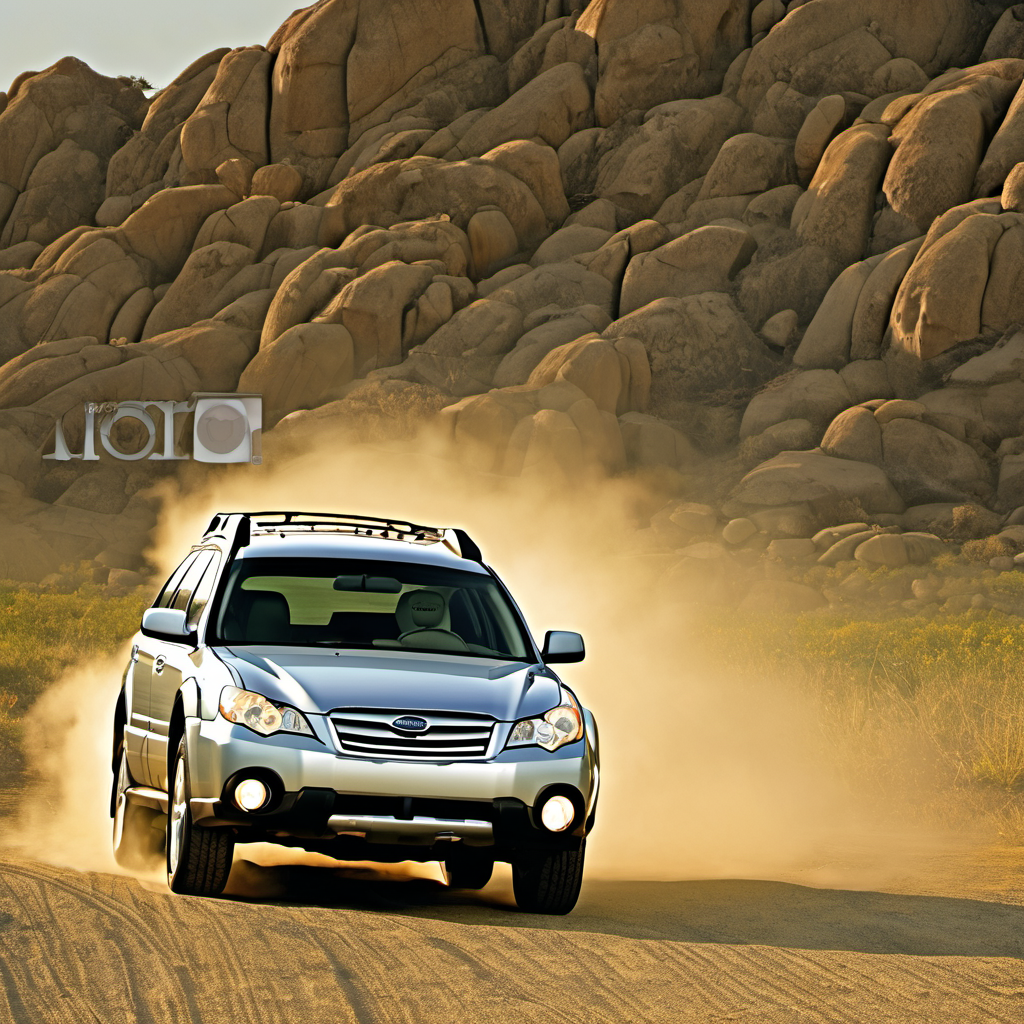
Same BP platform, same AWD system, slightly higher ride height and more wagon-focused interior. If you need more ground clearance the Outback is the natural alternative — but shares all the same mechanical strengths and weaknesses including the head gasket concern.
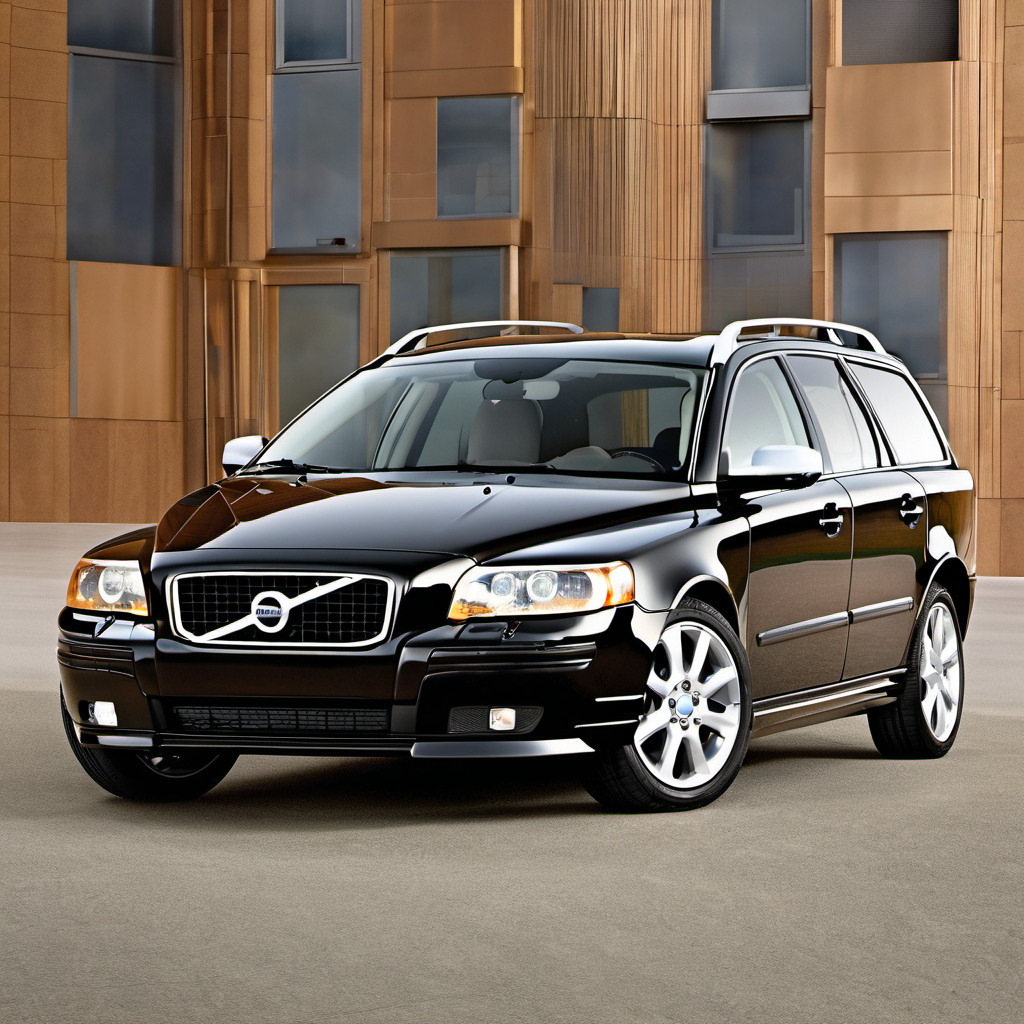
Euro wagon with AWD at a similar used price point. More refined interior, but higher parts costs and more complex electronics make it more expensive to own long-term.
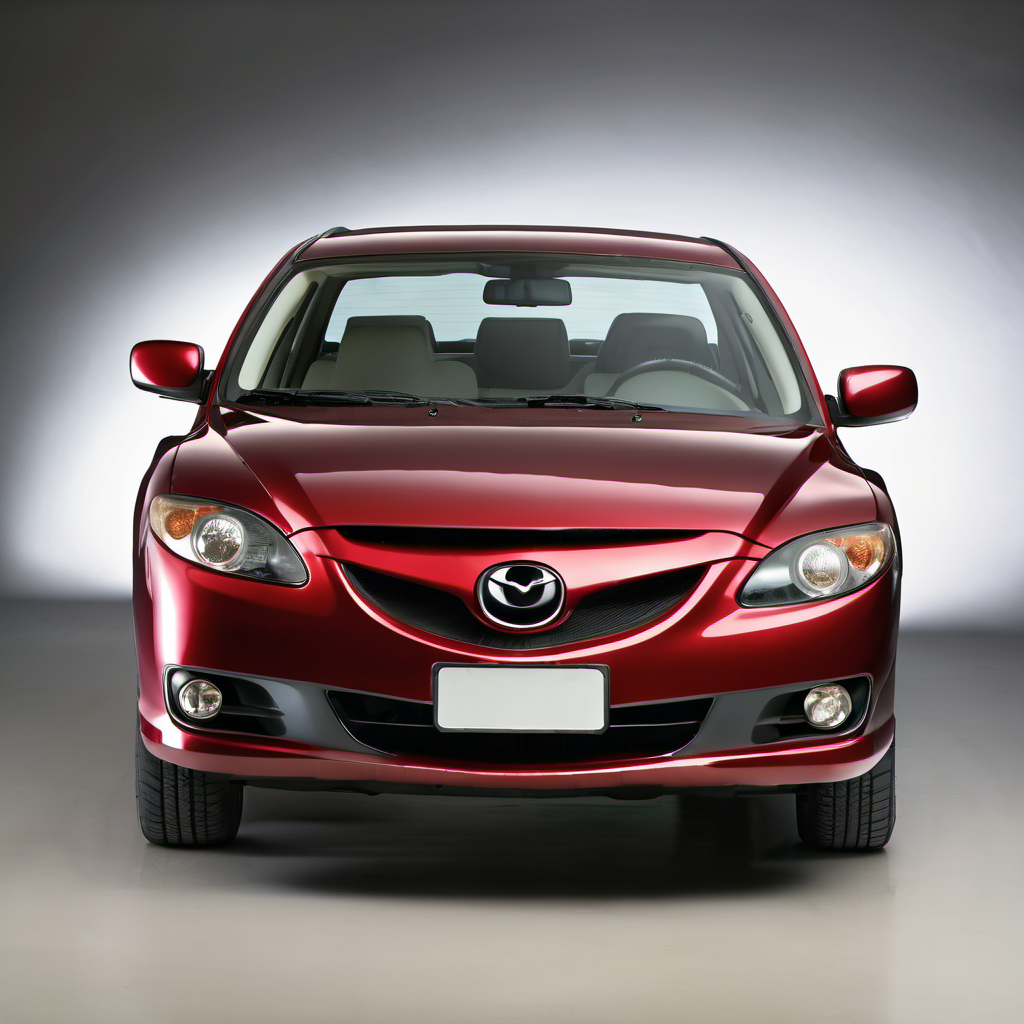
Sporty wagon alternative in the same price range. Front-wheel drive only, so less capable in snow, but the engine is meaningfully more reliable than the EJ253 and cheaper to maintain.
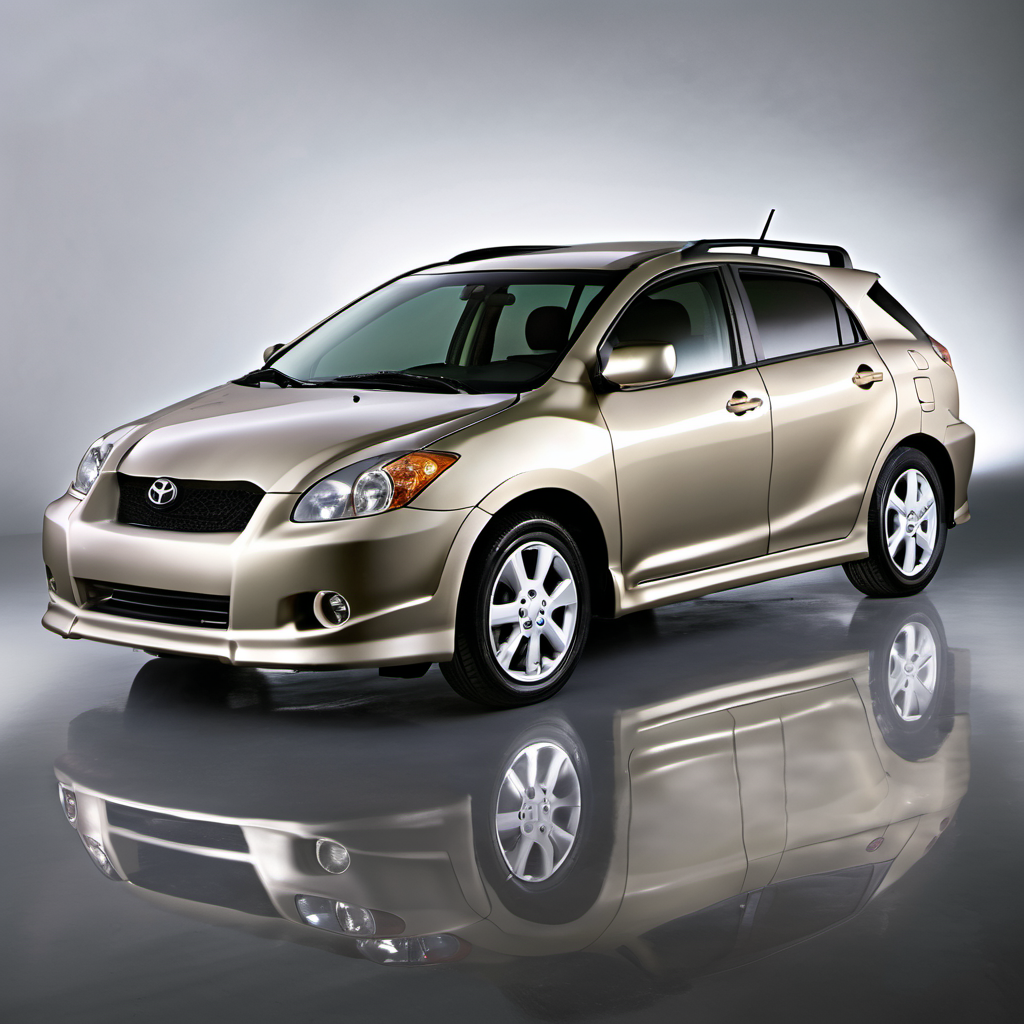
Smaller but more reliable AWD wagon option. Lower cargo capacity, but Toyota's reliability record in this era is stronger and parts are cheaper and more available in rural Wisconsin.