Variable Valve Timing (VVT) system sludging / camshaft timing faults
medium- Typically appears
- 80–130k mi
- Estimated repair
- $150 – $600
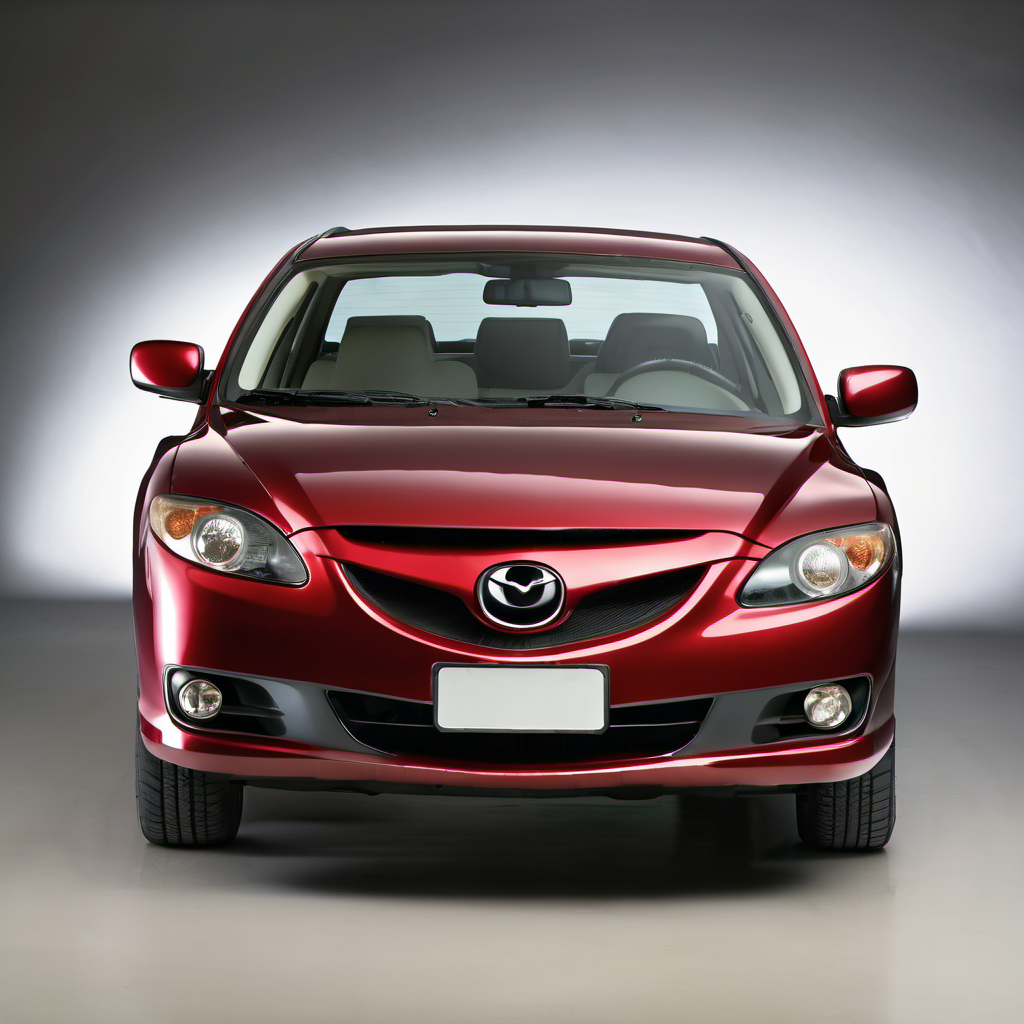
2006 MAZDA
2.3L I4 · Sedan
The 2006 Mazda6 is a front-wheel-drive mid-size sedan that earned a loyal following for its sharp handling and sporty feel — qualities rare in the family sedan segment at the time. Mazda positioned it directly against the Accord and Camry but with a more driver-focused character. The 2.3L inline-four is the bread-and-butter engine, smooth and reliable; the optional 3.0L V6 adds punch but also adds complexity and running costs. By 2006, the Mazda6 (first generation, GG platform) was in its third full model year with minor refinements already dialed in from early production gremlins. It drives well, holds together respectably, and parts are reasonably priced thanks to shared Ford-era platform components. It's not bulletproof, but a well-maintained example is a solid used buy. At nearly 20 years old, any surviving 2006 Mazda6 in Wisconsin has been exposed to significant road salt. Rust — particularly on underbody subframe points, brake lines, and rocker panels — is the single biggest concern for buyers. Mechanical issues are manageable; hidden corrosion is not.
The 2006 Mazda6 is a front-wheel-drive mid-size sedan that earned a loyal following for its sharp handling and sporty feel — qualities rare in the family sedan segment at the time. Mazda positioned it directly against the Accord and Camry but with a more driver-focused character. The 2.3L inline-four is the bread-and-butter engine, smooth and reliable; the optional 3.0L V6 adds punch but also adds complexity and running costs. By 2006, the Mazda6 (first generation, GG platform) was in its third full model year with minor refinements already dialed in from early production gremlins. It drives well, holds together respectably, and parts are reasonably priced thanks to shared Ford-era platform components. It's not bulletproof, but a well-maintained example is a solid used buy. At nearly 20 years old, any surviving 2006 Mazda6 in Wisconsin has been exposed to significant road salt. Rust — particularly on underbody subframe points, brake lines, and rocker panels — is the single biggest concern for buyers. Mechanical issues are manageable; hidden corrosion is not.
The 2.3L VVT system is oil-pressure-sensitive. Dirty or low oil is the leading cause of VVT solenoid sludging and camshaft timing codes. This is the single most important maintenance item on this car.
Mazda originally called this fluid 'lifetime' — it is not. Used fluid turns dark and contributes to shift quality degradation. Fresh fluid extends transmission life significantly.
Steel brake lines corrode from the inside out on Wisconsin vehicles. Failure is sudden and dangerous. Catching soft spots or surface rust early allows cost-effective repair vs. emergency replacement.
Aged coolant loses corrosion inhibitors and can damage the aluminum components in the cooling system. Critical before another Wisconsin winter.
The 2.3L I4 uses iridium plugs with a 60k interval. Worn plugs cause rough idle and reduced fuel economy, and can stress ignition coils.
Wisconsin road conditions (dust, debris, pollen) clog filters faster than the manufacturer's generic interval assumes.
Lake Geneva roads are heavily salted. Regular underwash is the cheapest rust-prevention step available and dramatically extends the life of brake lines, fuel lines, and body panels.
FWD cars wear front tires faster. Regular rotation keeps wear even. Wisconsin pothole season can knock alignment out — uneven wear is an early warning sign.
Always defer to the manufacturer's service manual for warranty-mandated intervals.
A well-maintained 2006 Mazda6 is an inexpensive car to own mechanically — parts are affordable and the 2.3L four is not exotic. The hidden cost risk is rust remediation, which can turn a $2,000 car into a $5,000 repair decision quickly. Budget for a brake line inspection every fall and don't defer underbody rust treatment.
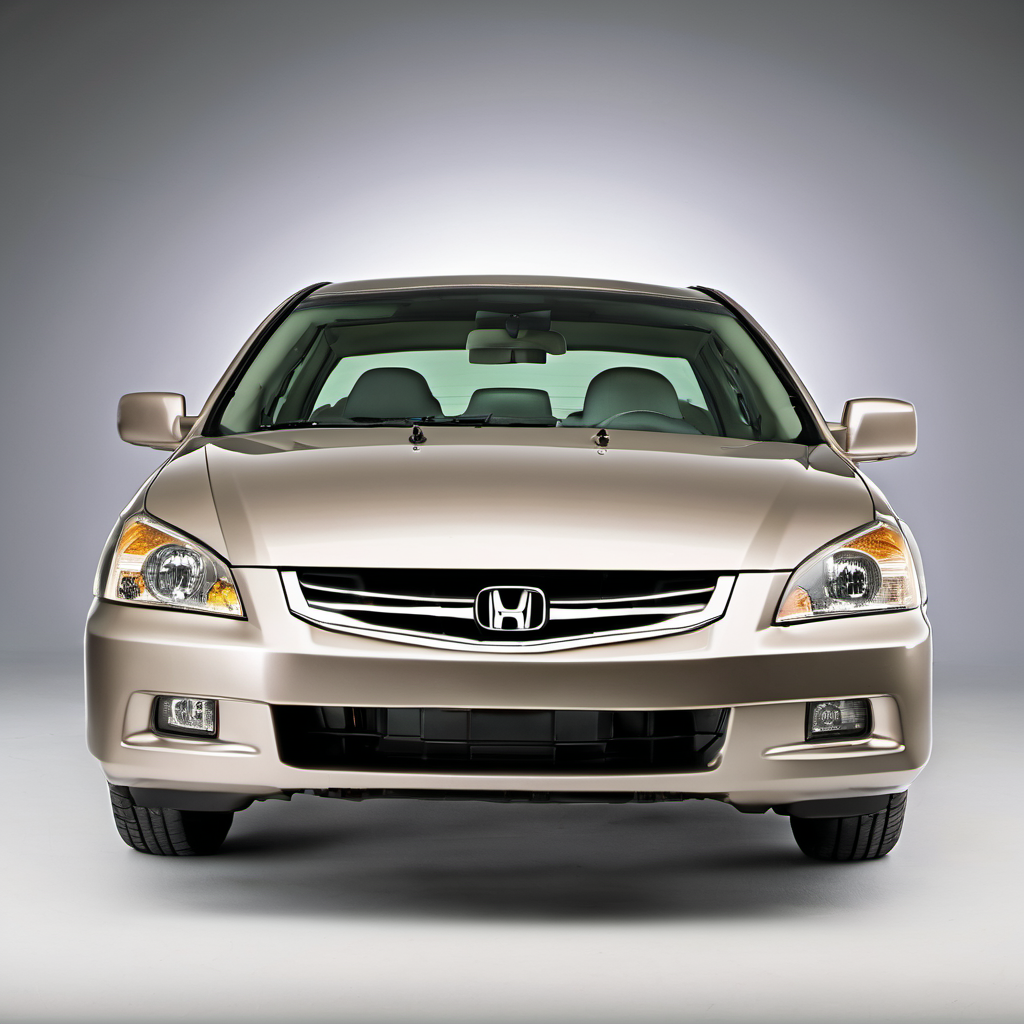
Same segment, similar price used, stronger long-term reliability reputation and easier to find well-maintained examples. Less sporty to drive but more proven at high mileage.
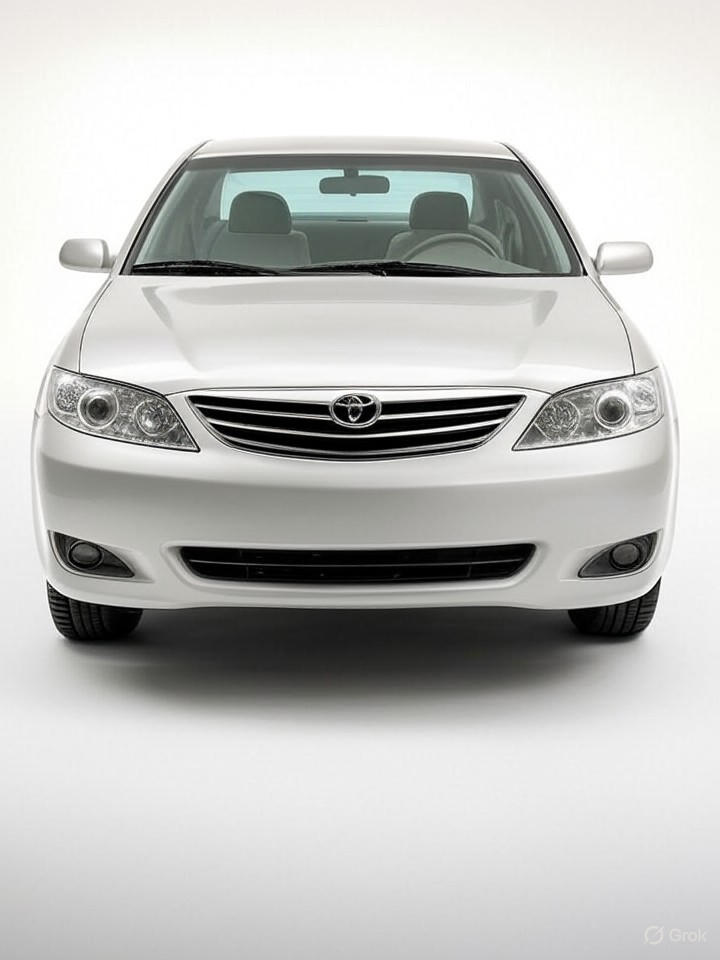
The go-to alternative for buyers prioritizing durability over driving feel. More conservative, but transmission and engine reliability edge out the Mazda6 at very high mileage.
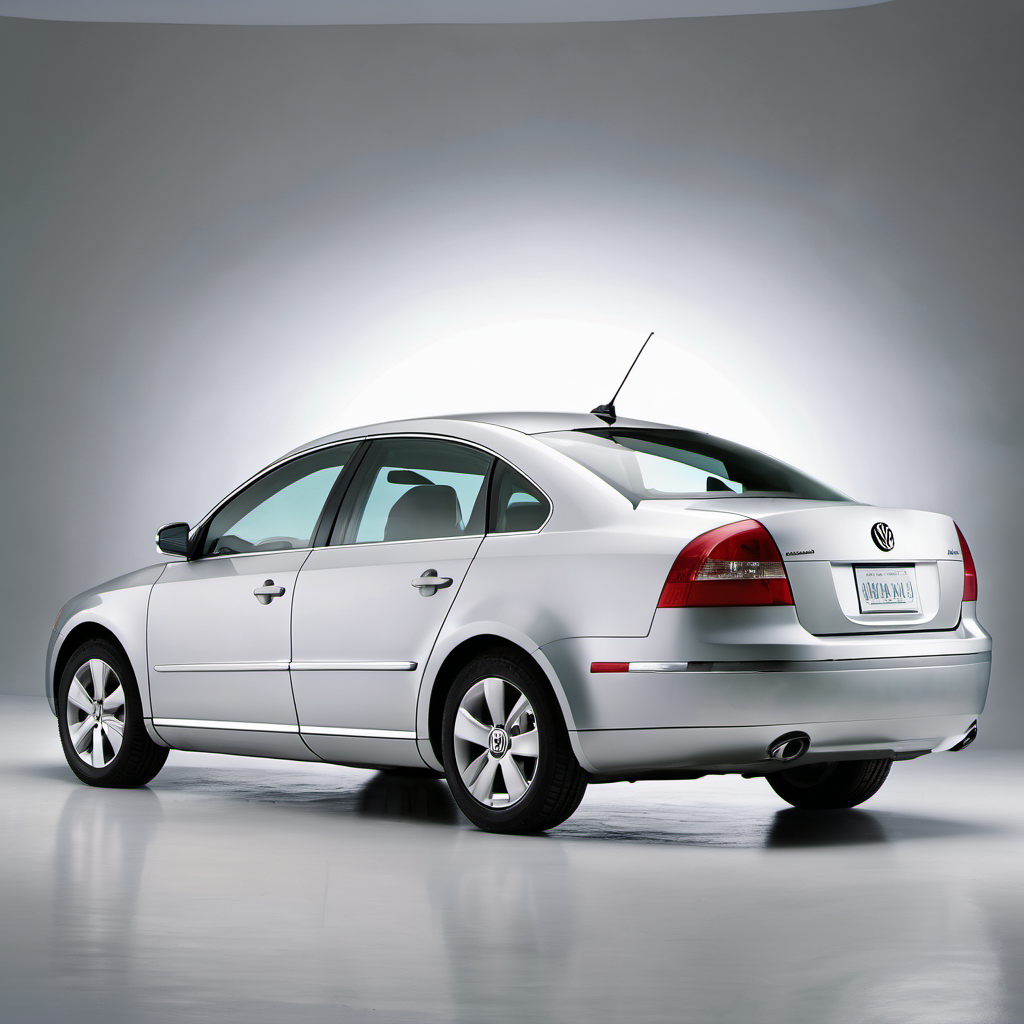
Similar sporty-sedan positioning and European driving feel. German engineering can be pricier to service but offers comparable driver engagement. Avoid if the service history is unknown.
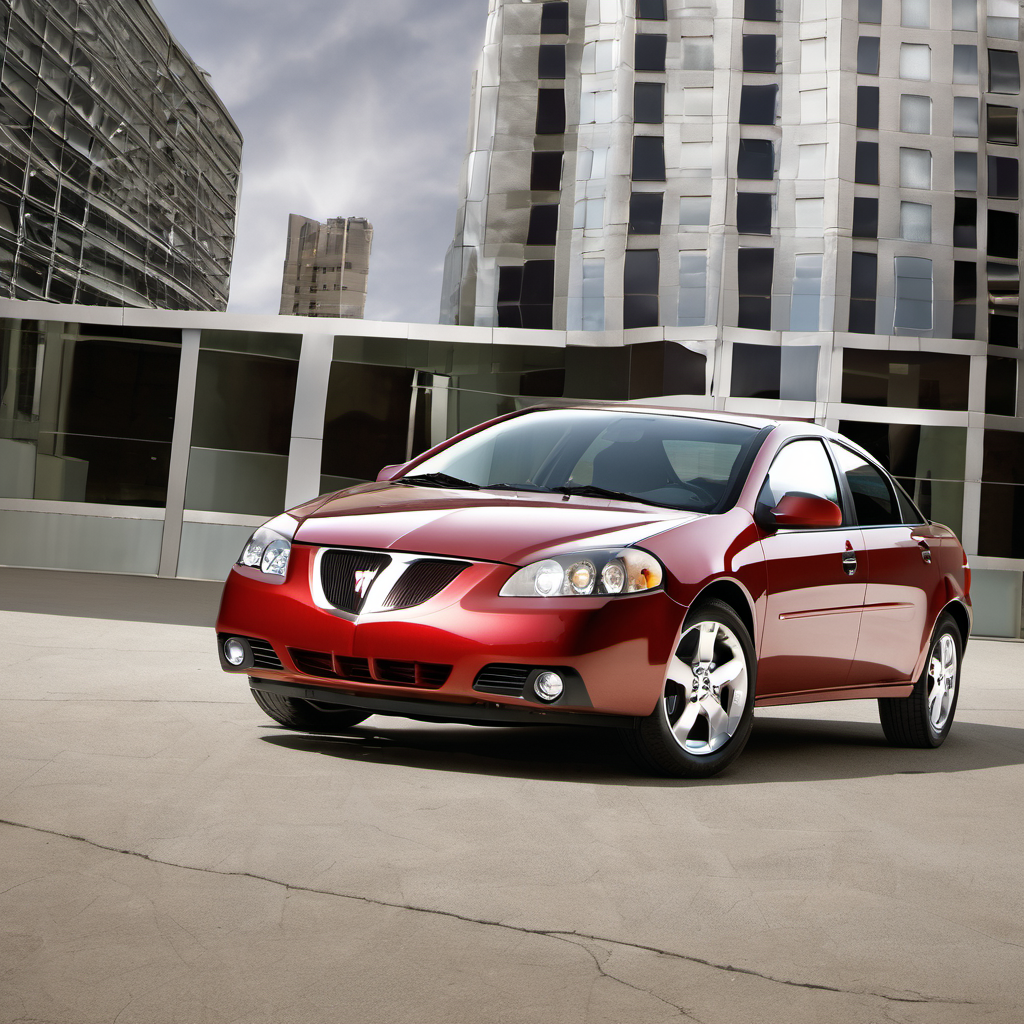
Direct domestic competitor at the same price point. Typically cheaper to buy used, parts are plentiful, but reliability is generally rated below the Mazda6. A reasonable alternative for pure budget buyers.