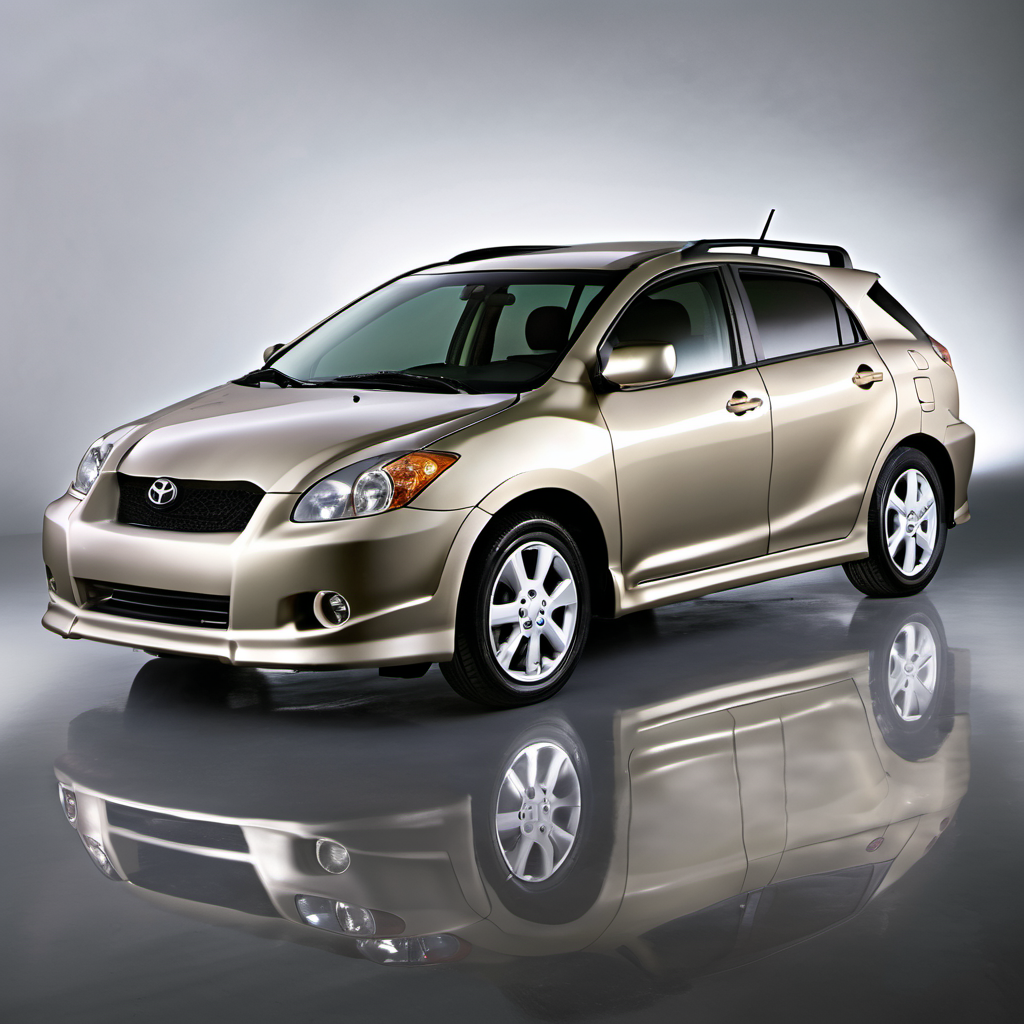
2006 Toyota Matrix Wagon

2006 Toyota

MatrixWagon

Wagon

The 2006 Toyota Matrix is a compact hatchback/wagon built on the Corolla platform and sold as a Toyota-badged twin of the Pontiac Vibe. It was designed to appeal to younger buyers who wanted Corolla-level reliability in a more versatile, cargo-friendly package. The tall roofline and fold-flat rear seats give it a usable cargo area that punches well above its class size. Powered by Toyota's proven 1ZZ-FE 1.8L four-cylinder, the FWD base trim is efficient and low-drama. It's not a performance vehicle — 0-60 takes around 9 seconds — but it does what it promises: cheap to run, easy to park, and hard to kill with normal maintenance. By 2006 this generation was near the end of its first-gen run (redesigned for 2009), so most examples in the used market are well into high mileage. The good news is that the Corolla underpinnings mean parts are plentiful and cheap, and a well-maintained example can run 200k+ miles without drama.

Reliability
4/5
Verified data
Specs shown for Matrix — the most common configuration. Other trims may vary in engine, drivetrain, or fuel economy. Sign in to see your vehicle's exact specs.
Engine
[object Object]
Drivetrain
FWD
Fuel
Gasoline
MPG
25 city / 31 hwy / 27 combined
Seats
Doors
Body
Small Station Wagons

Overview

AI-curated

The 2006 Toyota Matrix is a compact hatchback/wagon built on the Corolla platform and sold as a Toyota-badged twin of the Pontiac Vibe. It was designed to appeal to younger buyers who wanted Corolla-level reliability in a more versatile, cargo-friendly package. The tall roofline and fold-flat rear seats give it a usable cargo area that punches well above its class size. Powered by Toyota's proven 1ZZ-FE 1.8L four-cylinder, the FWD base trim is efficient and low-drama. It's not a performance vehicle — 0-60 takes around 9 seconds — but it does what it promises: cheap to run, easy to park, and hard to kill with normal maintenance. By 2006 this generation was near the end of its first-gen run (redesigned for 2009), so most examples in the used market are well into high mileage. The good news is that the Corolla underpinnings mean parts are plentiful and cheap, and a well-maintained example can run 200k+ miles without drama.

Known for
  • Corolla-level long-term reliability
  • Tall, versatile cargo area with fold-flat rear seats
  • Excellent parts availability and low repair costs
  • Frugal fuel economy for a practical hatchback
  • Tight, tossable handling for a wagon
Best for
  • Budget-conscious buyers who need daily utility
  • College students or single commuters with occasional hauling
  • High-mileage shoppers looking for a proven, cheap-to-fix platform
  • City dwellers who want parking-friendly size with hatchback practicality
Watch for
  • Oil consumption on high-mileage 1ZZ-FE engines — check before buying
  • Rust on underbody, rear wheel arches, and subframe from road salt
  • VVT-i sludge issues if oil changes were skipped or extended
  • Worn motor mounts causing vibration — common past 100k
  • Weak OEM battery that struggles in Wisconsin sub-zero temps

Common issues by mileage

6 known

VVT-i sludge / oil starvation

medium
Typically appears
80–150k mi
Estimated repair
$400 – $1,200

Excessive oil consumption (1ZZ-FE piston rings)

medium
Typically appears
100–180k mi
Estimated repair
$800 – $2,500

Motor mount wear / excessive engine vibration

high
Typically appears
90–140k mi
Estimated repair
$150 – $400

Rear wheel arch and underbody rust

high
Typically appears
Any mileage, age-related
Estimated repair
$200 – $1,500

Oxygen sensor / O2 heater circuit faults

medium
Typically appears
100–160k mi
Estimated repair
$120 – $350

Power steering rack leak or looseness

low
Typically appears
120k+ mi
Estimated repair
$350 – $900

Maintenance schedule

  1. 1
    Every 5,000 miles or 6 months — do not stretch Engine oil and filter change

    The 1ZZ-FE is sensitive to oil quality. Extended intervals accelerate VVT-i sludge buildup. Use 5W-30 full synthetic and don't skip this one.

  2. 2
    At any oil change where sludge is suspected, or at purchase VVT-i screen and oil gallery inspection

    A blocked VVT-i oil control valve screen is the first domino in expensive camshaft timing failures. Cleaning the screen is cheap; ignoring it is not.

  3. 3
    Every 50,000 miles or 5 years Coolant flush

    Toyota's long-life coolant still degrades. Old coolant becomes acidic and attacks the water pump impeller and radiator — both known weak points on aging 1ZZ-FE engines.

  4. 4
    Every 60,000 miles (iridium OEM spec) Spark plug replacement

    Worn plugs increase misfires and stress the ignition coils. Staying on schedule keeps the engine running clean and efficient.

  5. 5
    Every 2 years regardless of mileage Brake fluid flush

    Brake fluid is hygroscopic — it absorbs moisture. In Wisconsin winters with dramatic temperature swings, degraded fluid can lead to soft pedal feel or caliper corrosion.

  6. 6
    Every spring after winter; spot-check in fall Underbody wash and rust inspection

    Salt accumulation on the subframe, brake lines, and fuel lines is the biggest long-term threat to Wisconsin-driven examples. Wash the undercarriage at a touchless wand bay monthly in winter.

  7. 7
    Every fall, or at 4 years old Battery test

    Wisconsin winters are brutal on batteries. A battery that starts the car fine in October may fail at -10°F in January. Test cold cranking amps each fall.

  8. 8
    Every 15,000–20,000 miles Cabin air filter replacement

    Often overlooked on this generation. A clogged filter reduces defroster effectiveness — a safety issue in winter — and strains the blower motor.

Always defer to the manufacturer's service manual for warranty-mandated intervals.

Cost of ownership

Annual maintenance
$350 – $800
Fuel
At 27 MPG combined and ~12,000 miles/year, expect roughly $1,400–$1,700/year at $3.20–$3.80/gallon (regular unleaded).
Insurance
Typically $900–$1,400/year for full coverage in Wisconsin on a 2006 model, depending on driver history and zip code. Low vehicle value keeps comprehensive/collision costs modest.

The Matrix is one of the cheaper compact cars to own. Parts are Corolla-priced, labor is straightforward for any import-familiar shop, and fuel costs are low. If the engine is consuming oil or has sludge, that's the one scenario that can turn this budget car into an expensive project — screen for that up front and ownership costs stay predictable.
Seasonal care

Lake Geneva, WI
Winter
  • Switch to a full synthetic 5W-30 oil before temperatures drop — cold-start oil flow protects the VVT-i system on frigid mornings.
  • Test the battery every fall. The stock battery is modest; anything over 4 years old should be load-tested before first freeze.
  • Install a dedicated set of winter tires. The FWD Matrix handles winter well but stock all-seasons are a significant compromise below 20°F.
  • Use a winter-rated washer fluid (rated to at least -20°F) — the flat windshield catches a lot of road spray.
  • Check and replace wiper blades with winter-style blades; the rear wiper is small but critical for visibility.
  • Rinse the undercarriage at a touchless wand bay every 2–3 weeks during salting season to protect brake lines, subframe, and floor pans from accelerated corrosion.
Summer
  • Check tire pressure monthly — expect a 1–2 PSI rise for every 10°F increase in ambient temperature; the Matrix's narrow tires are sensitive to overinflation.
  • Inspect the A/C system at the start of the season — the condenser sits low and is prone to debris impact. Recharge if cooling is weak; do not let a refrigerant-low system run dry.
  • Check coolant level and condition; hot Wisconsin summers combined with highway driving can stress the aging cooling system on high-mileage engines.
  • Inspect the cabin air filter — a clogged filter reduces A/C effectiveness noticeably in a small cabin.

Comparable vehicles

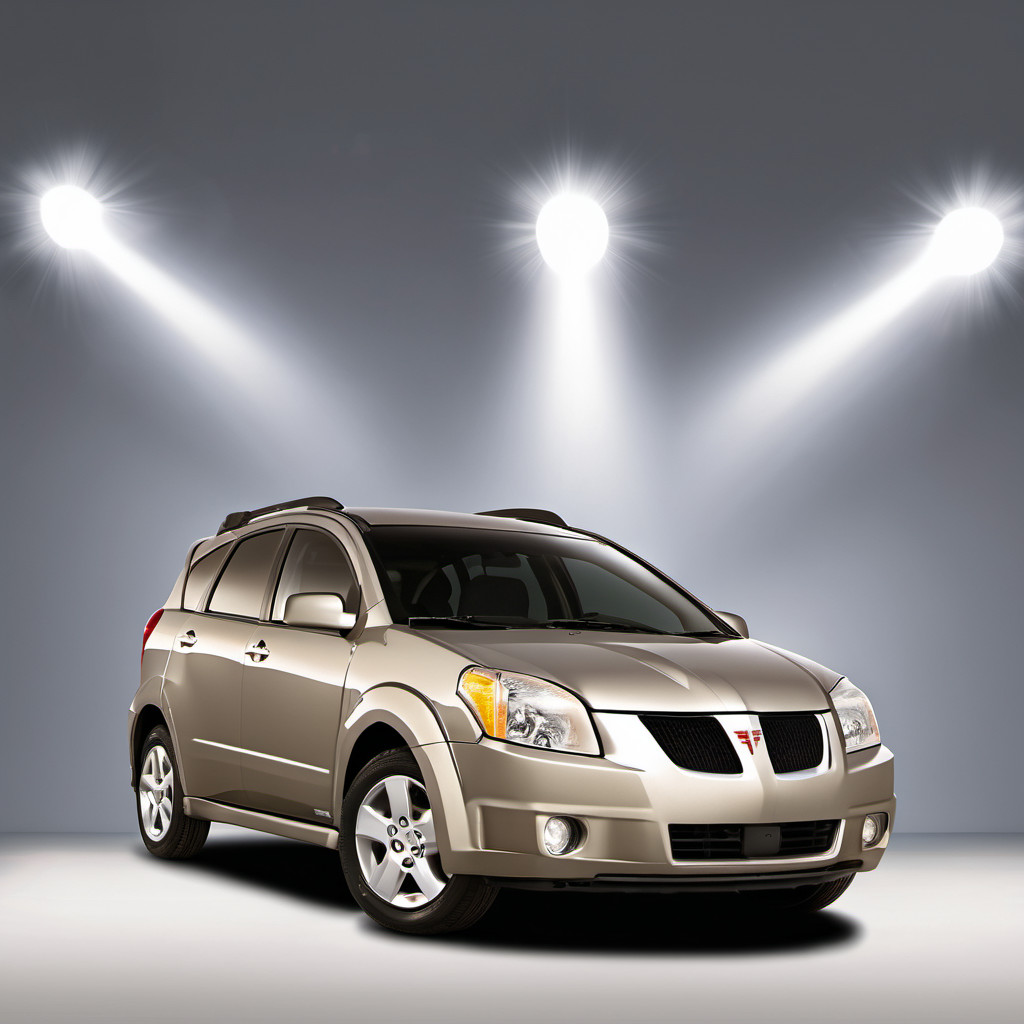
2006 Pontiac Vibe
2006 Pontiac
Vibe

Mechanical twin of the Matrix — same platform, same 1.8L engine, built on the same assembly line. Parts are slightly harder to find as GM wound it down, but it's the closest comparable.

2006 Honda
Fit

Smaller footprint but even more clever cargo packaging. Slightly lower running costs, similar reliability reputation, and comparably priced used.

No catalog match
2006 Mazda
3

Sportier feel and similar price bracket. Hatchback version rivals the Matrix on cargo practicality. Slightly higher maintenance costs but strong reliability.

No catalog match
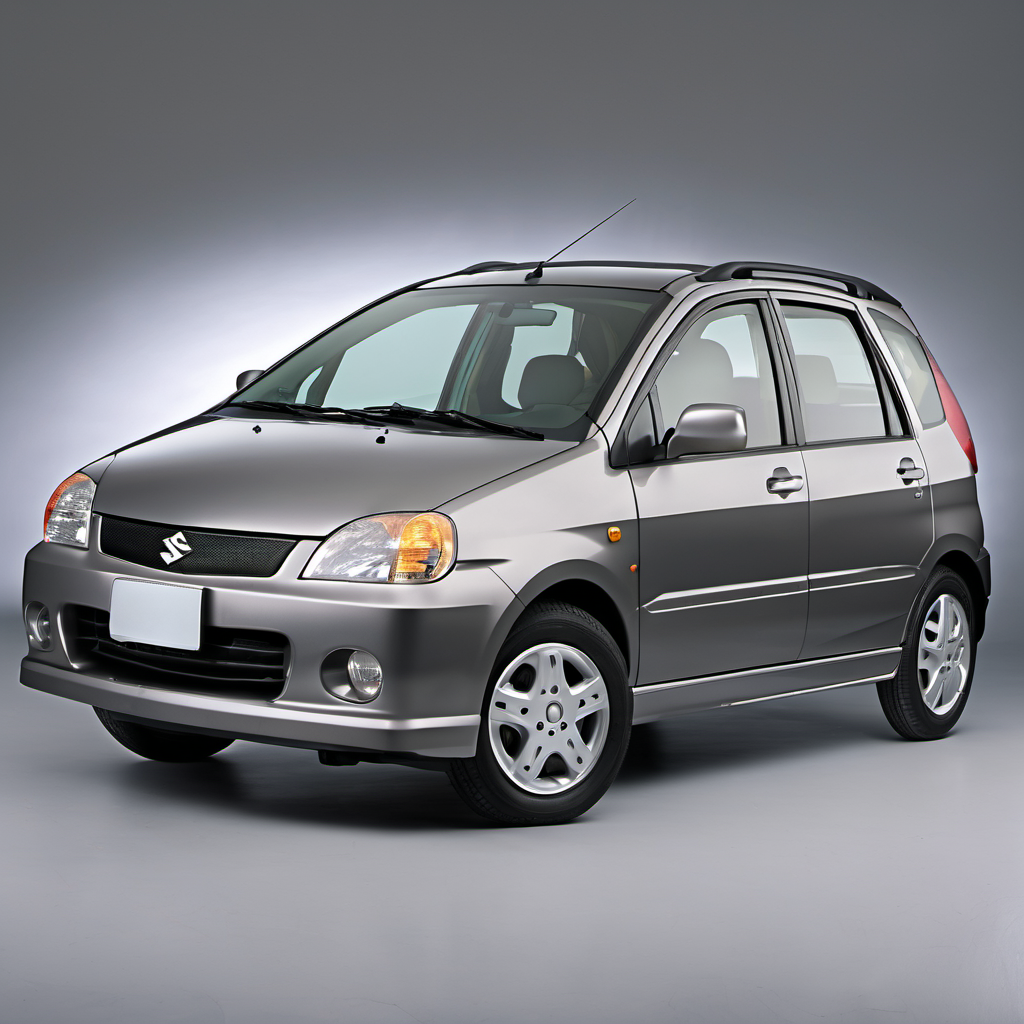
2006 Suzuki Aerio
2006 Suzuki
Aerio

Direct size and price competitor in the compact wagon space. Less reliable long-term than the Matrix and harder to find parts for, but worth cross-shopping if budget is tight.

If you're shopping for one

Red flags
  • Check engine light on — even if 'minor,' get the codes pulled before buying.
  • Oil level low on dipstick at time of inspection — suggests active consumption or neglect.
  • Any signs of rust perforation on floor pans or subframe — structural corrosion is a deal-breaker.
  • Rough or loping idle on a cold start — VVT-i sludge or timing issues.
  • Evidence of coolant in the oil (milky residue on the oil cap) — potential head gasket issue.
  • Clunking or knocking from the engine bay on startup — timing chain or mount wear.
What to inspect
  • Pull the oil dipstick and check for milky, sludgy, or very dark oil — sign of skipped changes or head gasket seepage.
  • Check oil level before startup and again after a short drive to gauge active consumption.
  • Inspect the VVT-i oil control valve and screen for sludge buildup — your shop can do this quickly during a pre-purchase inspection.
  • Get under the car and look at the subframe mounting points, rear wheel arches, floor pans, and brake lines for rust — this is the highest-risk item on a Wisconsin-used example.
  • Start the car cold and listen for a rattling camshaft chain on startup — indicates timing chain tensioner or VVT-i oil pressure issues.
  • Test the A/C and heater blower on all settings; blower resistors fail on this generation.
  • Check all four motor mounts for cracking or collapse — grab the engine at idle and check for excessive movement.
AI profile generated 2 hr ago · claude-sonnet-4-6 · v2.