Turbo bypass (diverter) valve failure
high- Typically appears
- 60,000–120,000 mi
- Estimated repair
- $150 – $400
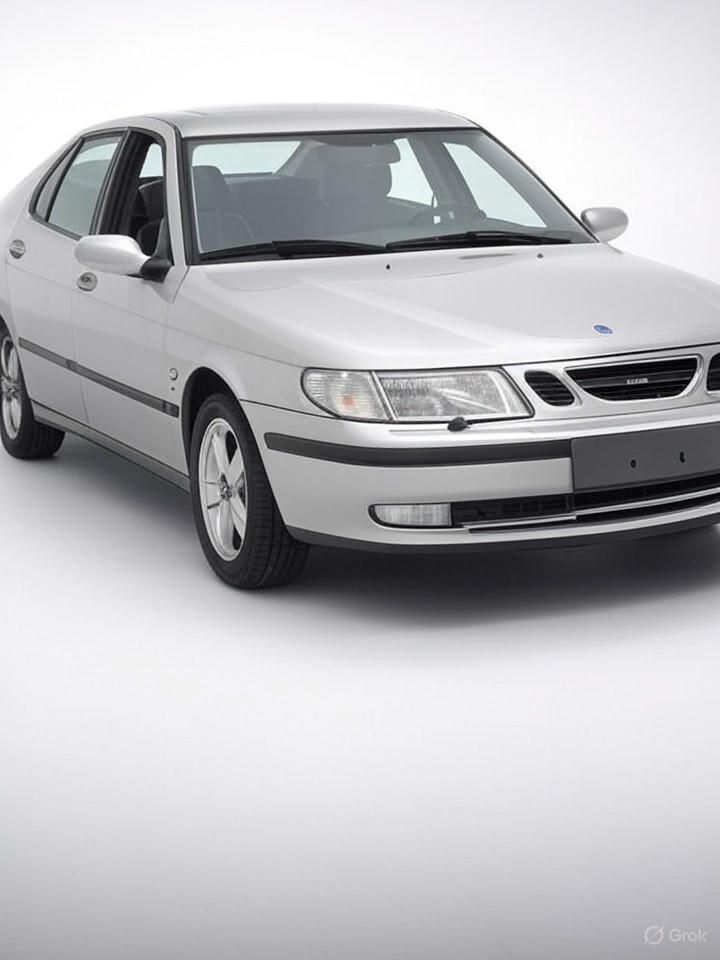
2006 Saab
Sedan
The 2006 Saab 9-5 is a front-wheel-drive turbocharged mid-size sedan that carries the distinctive Saab character: quirky Swedish ergonomics, a strong turbocharged four-cylinder, and a solid safety focus. By 2006, the 9-5 platform was well into its run (the body debuted in 1998), which means the engineering was mature but the design was aging relative to German competitors. General Motors ownership by this point had brought some cost-cutting, but the 9-5 remained a genuine driver's car with a well-sorted suspension and the punchy 2.3L Saab-tuned turbo engine. Owners who maintain them well often get 150,000–200,000 miles without catastrophic failures. The catch is that when things go wrong — and on an aging, low-production-volume car they will — parts are harder to source and specialty knowledge is required. Independent shops familiar with European cars are your best ally; general shops often struggle with Saab diagnostics. For Lake Geneva drivers, the FWD setup with good winter tires handles Wisconsin winters adequately, and the turbocharged engine warms up reasonably quickly. Rust on the undercarriage from road salt is a real concern on any example that spent its life in the upper Midwest — budget for inspection every season.
The 2006 Saab 9-5 is a front-wheel-drive turbocharged mid-size sedan that carries the distinctive Saab character: quirky Swedish ergonomics, a strong turbocharged four-cylinder, and a solid safety focus. By 2006, the 9-5 platform was well into its run (the body debuted in 1998), which means the engineering was mature but the design was aging relative to German competitors. General Motors ownership by this point had brought some cost-cutting, but the 9-5 remained a genuine driver's car with a well-sorted suspension and the punchy 2.3L Saab-tuned turbo engine. Owners who maintain them well often get 150,000–200,000 miles without catastrophic failures. The catch is that when things go wrong — and on an aging, low-production-volume car they will — parts are harder to source and specialty knowledge is required. Independent shops familiar with European cars are your best ally; general shops often struggle with Saab diagnostics. For Lake Geneva drivers, the FWD setup with good winter tires handles Wisconsin winters adequately, and the turbocharged engine warms up reasonably quickly. Rust on the undercarriage from road salt is a real concern on any example that spent its life in the upper Midwest — budget for inspection every season.
The 2.3L turbo engine is extremely sensitive to oil quality and change intervals. Neglect causes sludge that restricts the turbo oil feed line and kills turbos prematurely. This is the single most important maintenance item on this car.
Rubber hoses in the turbo system crack with age and heat cycling. A split hose causes boost leaks, poor performance, and potential turbo over-spin. Easy to inspect visually.
Turbocharged engines are harder on plugs than naturally aspirated engines. Worn plugs cause misfires that can be mistaken for more serious issues.
Belt failure leaves you stranded and can damage other accessories. Tensioner wear is common on higher-mileage examples.
Thermostat failures cause overheating that is very damaging to the turbocharged engine. Fresh coolant protects aluminum components from corrosion.
Brake fluid absorbs moisture over time, lowering boiling point. Critical for Wisconsin winter driving where brakes work harder on cold, slippery roads.
Wisconsin road salt accelerates rust on rocker panels, subframe, and brake lines. Catching rust early is far cheaper than letting it spread.
Turbocharged engines and aging European electronics draw more from the battery than average. A marginal battery that starts fine in October will fail at -10°F in January.
Always defer to the manufacturer's service manual for warranty-mandated intervals.
The 2006 9-5 is inexpensive to purchase but carries above-average running costs for its class. Parts prices are elevated because of low production volumes and dwindling OEM stock. Labor costs are higher because fewer shops can work on them competently. Budget on the higher end of the maintenance range if the car has unknown service history, and set aside a repair reserve — a turbo replacement or module failure can run $800–$2,500 at an independent shop.
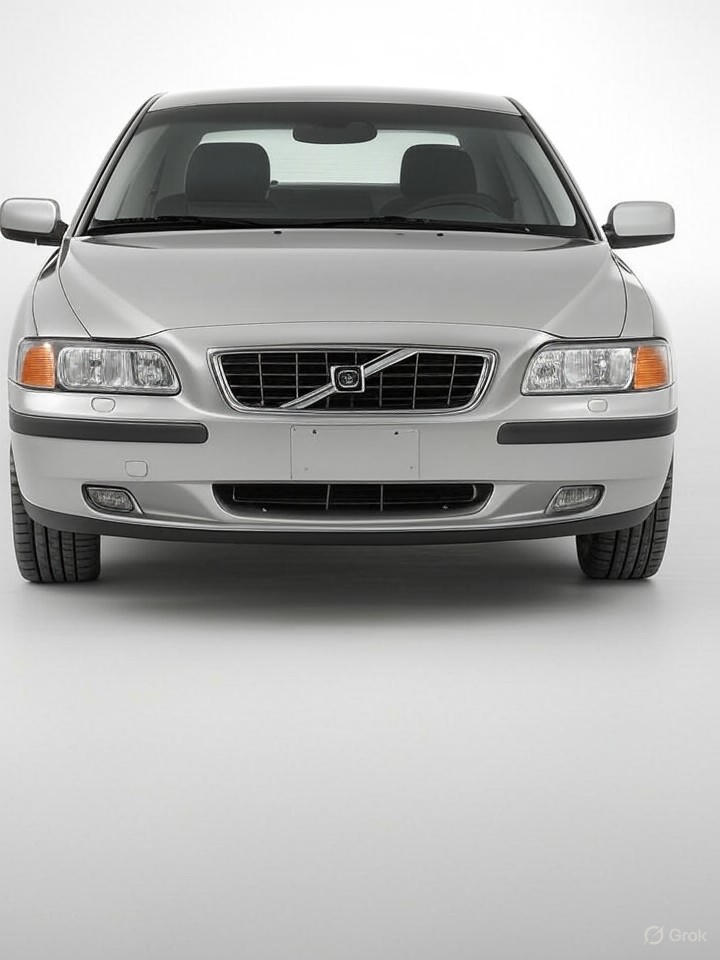
Same segment, similar Swedish premium character, turbocharged four-cylinder, FWD-based. Parts availability is better for Volvo. Direct head-to-head competitor.
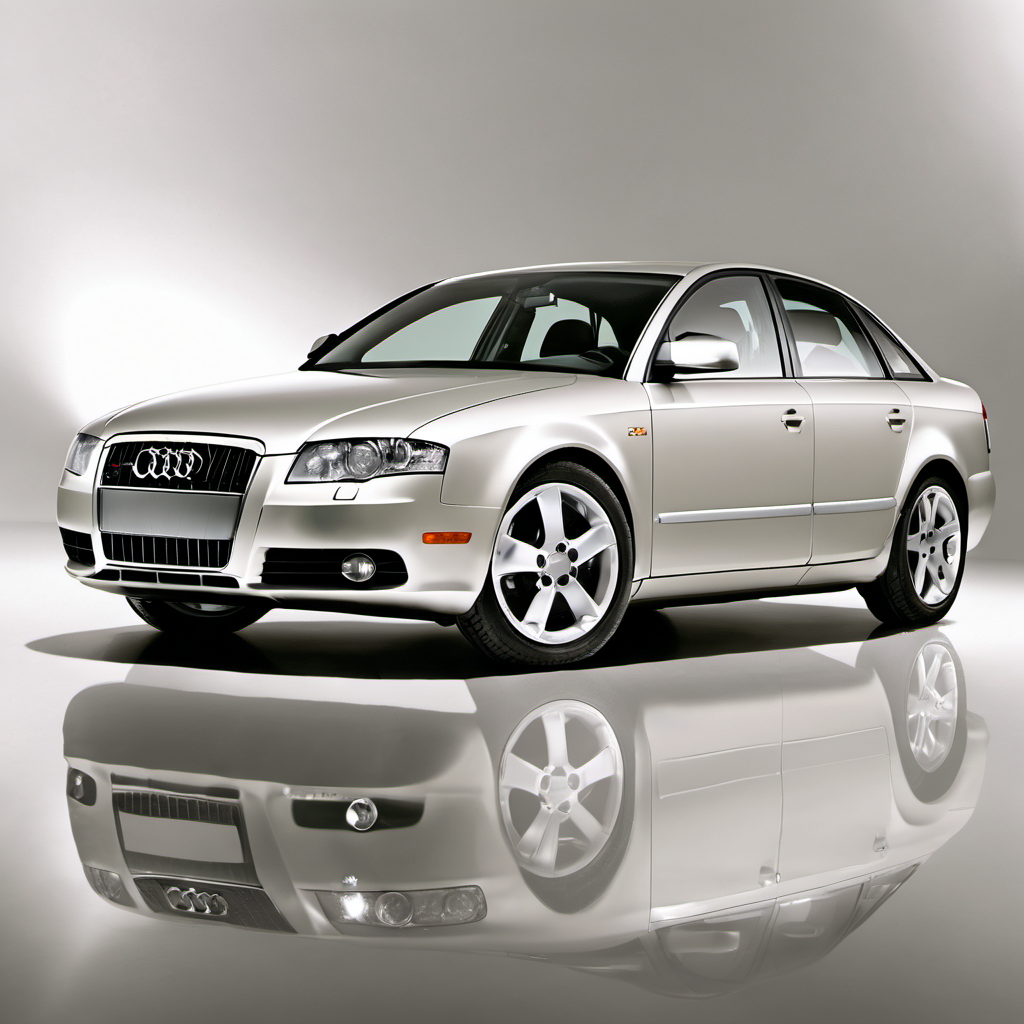
European premium mid-size sedan with a turbocharged engine. AWD available for better winter traction. Higher parts costs but stronger dealer/independent shop network.
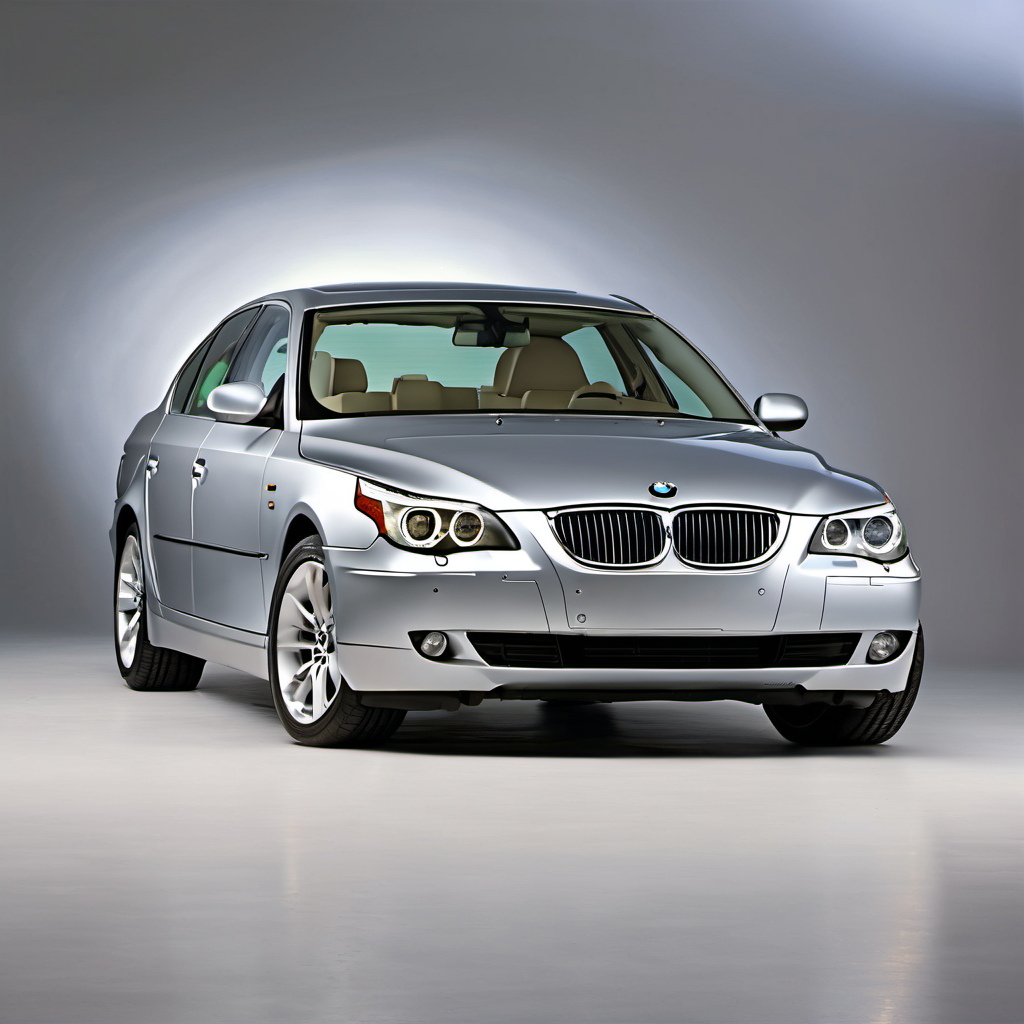
Similar price point and driver focus, stronger brand support network. RWD requires winter tires but rewards more in spirited driving. Better long-term parts supply.
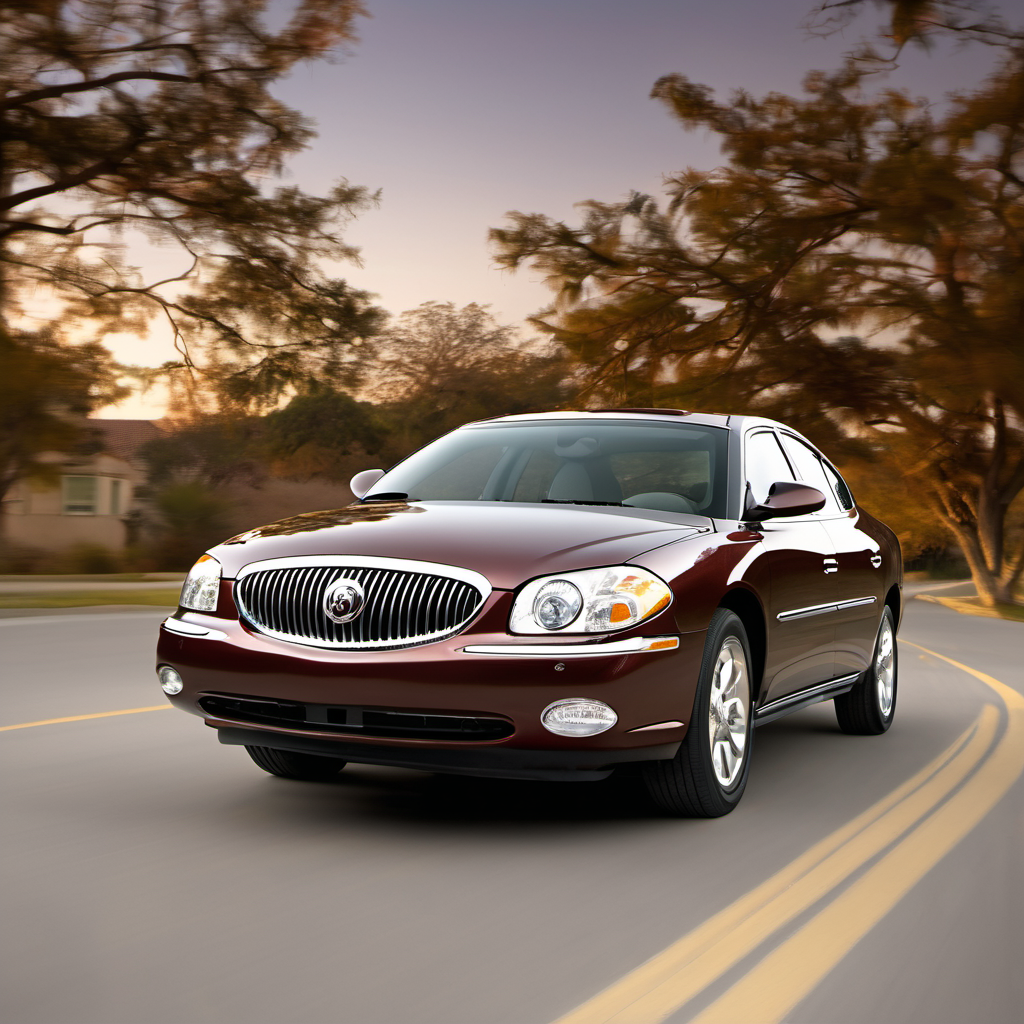
For buyers who want a comfortable mid-size sedan on a similar budget without the parts-availability headache. Less exciting but far easier and cheaper to maintain in the upper Midwest.