Engine Oil Sludge (1.8T)
high- Typically appears
- 60–150k mi
- Estimated repair
- $800 – $4,500
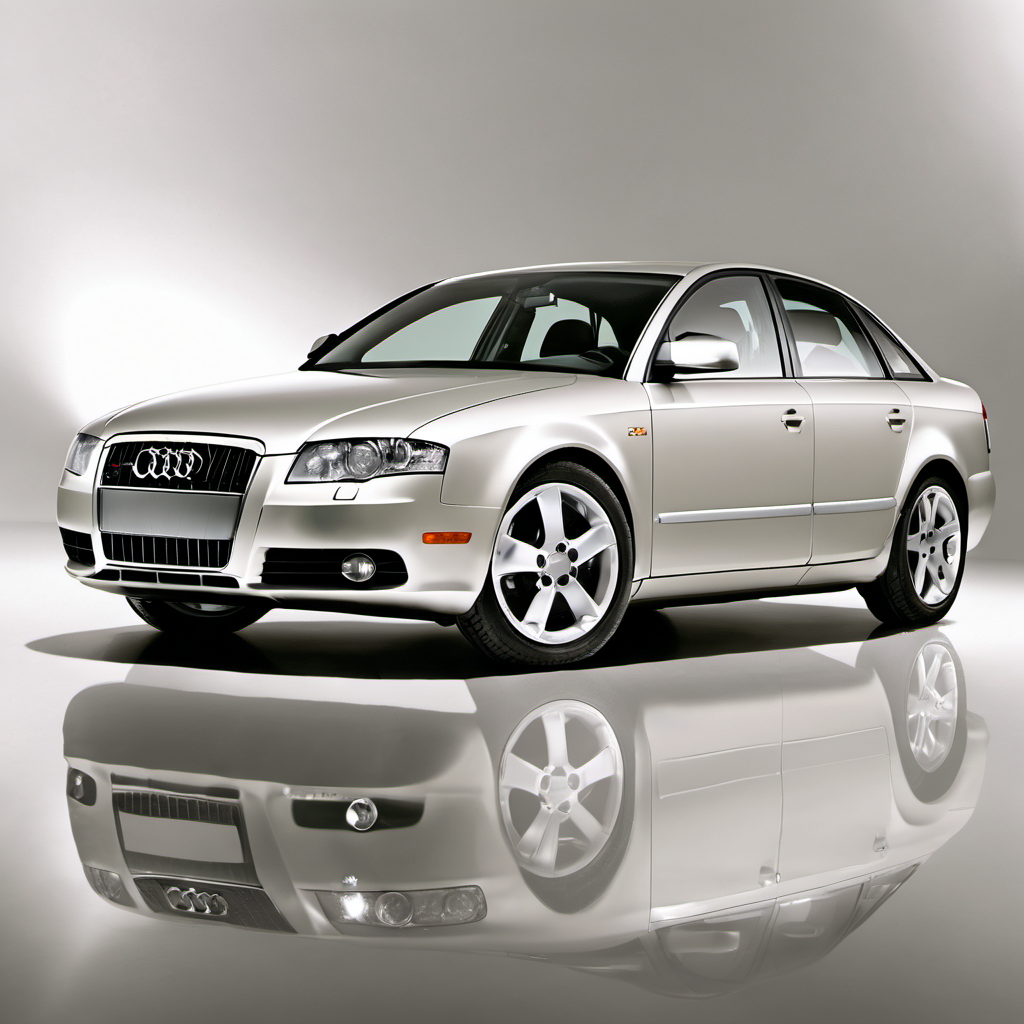
2006 Audi
Convertible
The 2006 Audi A4 Cabriolet is the B6/B7-generation convertible version of Audi's compact luxury sedan. Powered here by the 1.8T four-cylinder turbo, it offers a blend of European style, open-air driving, and all-season capability that few competitors matched at the price. The power-folding soft top operates in seconds and the interior quality — leather, Audi's MMI predecessor, and solid switchgear — still impresses nearly 20 years later. That said, this is a high-maintenance luxury vehicle with genuine complexity. The 1.8T engine has a well-documented sludge history on older examples, the convertible top mechanism adds its own set of hydraulic and sensor gremlins, and Audi's multi-layer electrical architecture can make diagnosis expensive. Parts availability is decent but labor rates add up fast. In Lake Geneva, the combination of road salt and a soft-top that seals (or fails to seal) against Wisconsin winters makes ownership demanding. Budget honestly, keep up with oil changes religiously, and this car rewards you with a genuinely enjoyable driving experience. Let maintenance slide and the repair bills stack up quickly.
The 2006 Audi A4 Cabriolet is the B6/B7-generation convertible version of Audi's compact luxury sedan. Powered here by the 1.8T four-cylinder turbo, it offers a blend of European style, open-air driving, and all-season capability that few competitors matched at the price. The power-folding soft top operates in seconds and the interior quality — leather, Audi's MMI predecessor, and solid switchgear — still impresses nearly 20 years later. That said, this is a high-maintenance luxury vehicle with genuine complexity. The 1.8T engine has a well-documented sludge history on older examples, the convertible top mechanism adds its own set of hydraulic and sensor gremlins, and Audi's multi-layer electrical architecture can make diagnosis expensive. Parts availability is decent but labor rates add up fast. In Lake Geneva, the combination of road salt and a soft-top that seals (or fails to seal) against Wisconsin winters makes ownership demanding. Budget honestly, keep up with oil changes religiously, and this car rewards you with a genuinely enjoyable driving experience. Let maintenance slide and the repair bills stack up quickly.
The 1.8T's sludge problem is directly tied to extended oil changes. The factory oil life monitor can allow intervals too long for this engine's real-world operating conditions. Strict 5k-mile changes with the correct spec oil are the single most important thing you can do to extend engine life.
Plastic thermostat housings, the expansion tank, and coolant flanges are age-limited. Flush the system and inspect everything when you do — catching a hairline crack before it becomes a leak on a Wisconsin winter morning saves you a tow.
Check the hydraulic reservoir in the trunk area for proper level and absence of contamination. Clean and condition the soft-top rubber seals with a dedicated rubber conditioner to maintain their pliability after winter cold cycles.
The 1.8T is sensitive to plug condition. Running worn plugs causes misfires that can damage the catalytic converter. Use OEM-specified plugs — non-spec plugs can cause running issues on this engine.
Plastic guides wear and crack. A rattle on cold start is the warning sign. Replacing the tensioner and guides proactively is far cheaper than an engine rebuild from a jumped chain.
The four soft-top drain tubes (front and rear) clog with leaves and debris. Clogged drains back up into the cabin, saturating carpets and risking electronics damage. Clear them with compressed air or a flexible brush every fall.
Brake fluid absorbs moisture over time, lowering its boiling point. On a convertible that may sit through harsh winters, moisture ingress accelerates. Fresh fluid maintains consistent brake pedal feel and protects ABS components.
Cold-cranking amps drop sharply in sub-zero Wisconsin temps. A marginal battery that starts fine in October may leave you stranded in January. The 1.8T also draws on the battery to hold the convertible top control module in memory — a weak battery can trigger top malfunctions.
Always defer to the manufacturer's service manual for warranty-mandated intervals.
This car is inexpensive to buy but not cheap to own. Routine maintenance — oil changes, coolant service, spark plugs, brake fluid — runs $900–$1,400 on a healthy car at an independent shop. When the inevitable European-car repairs arrive (convertible top hydraulics, cooling system components, suspension bushings), annual costs jump to $1,500–$2,800 or more. Budget a repair reserve of at least $100/month above routine maintenance. A well-maintained example bought with full service history is the only way to avoid early surprises.
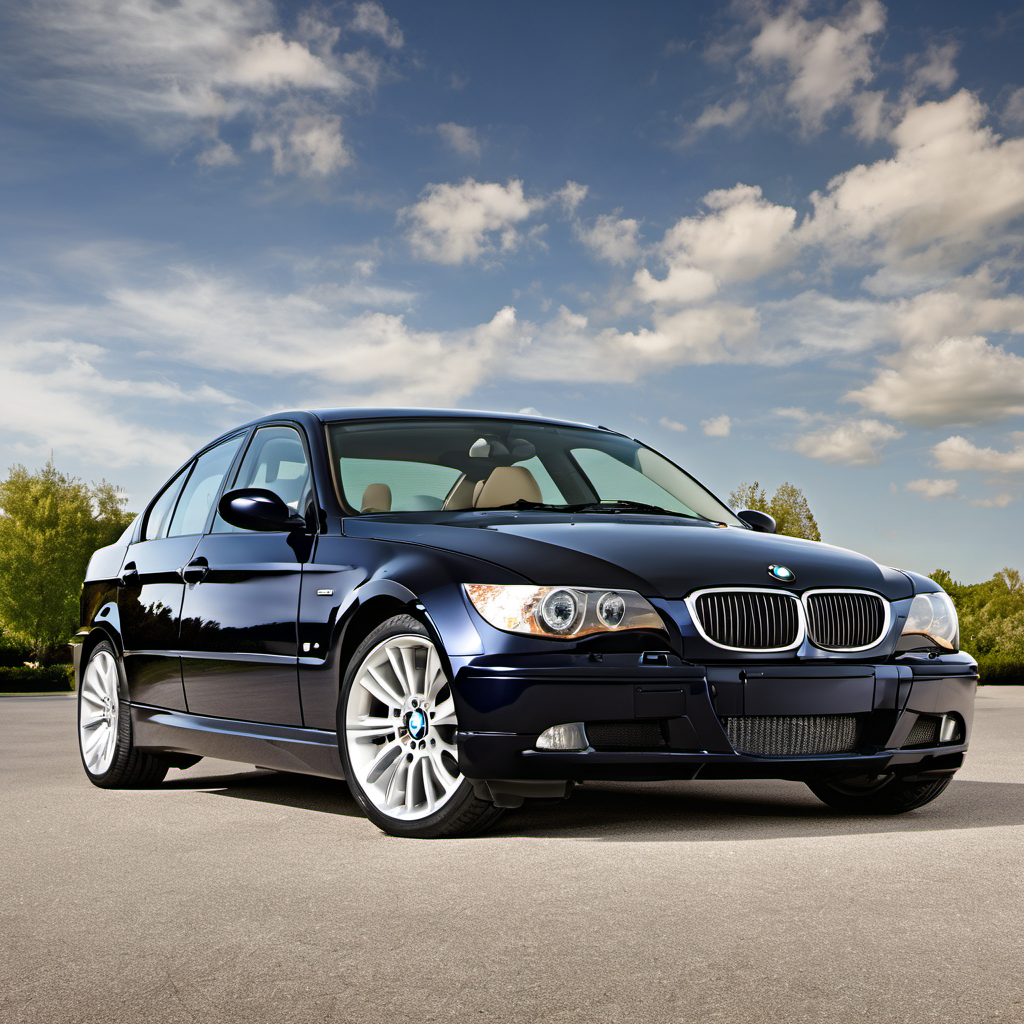
Direct European luxury convertible rival; E46/E90 325Ci offers similar price point, rear-wheel drive adds driving fun, but comparable maintenance demands and complexity
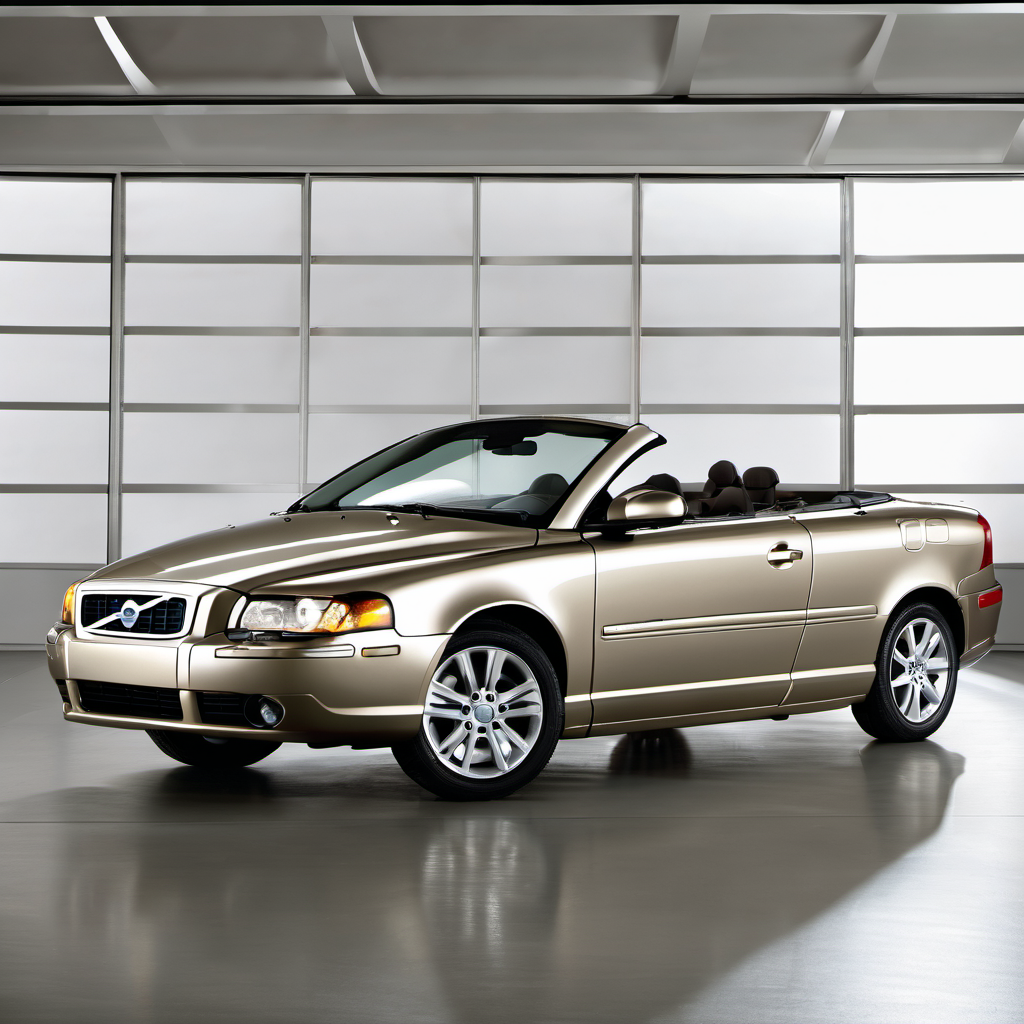
Hardtop convertible alternative in the same price range; simpler mechanically but the retractable hardtop has its own failure modes; generally considered more reliable overall
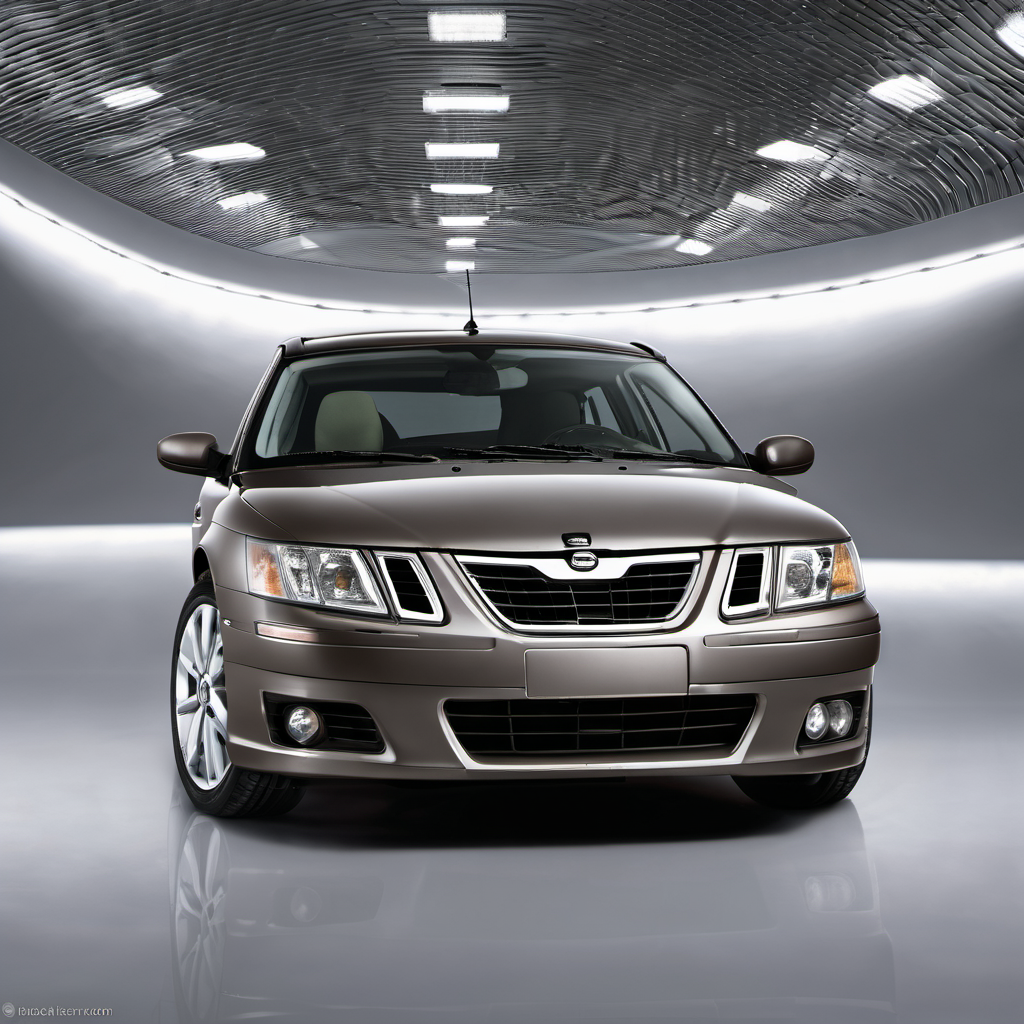
Turbocharged European convertible at a similar used-market price; parts availability has declined since GM wound down the brand but platforms share some GM components
Shares the same PQ35 VW Group platform and 1.8T/2.0T engines; retractable hardtop instead of soft top; parts and mechanics overlap significantly with the A4, slightly lower prestige
No catalog match