PCV / Oil Separator (Oil Trap) Clogging
high- Typically appears
- 80–150k mi
- Estimated repair
- $250 – $600
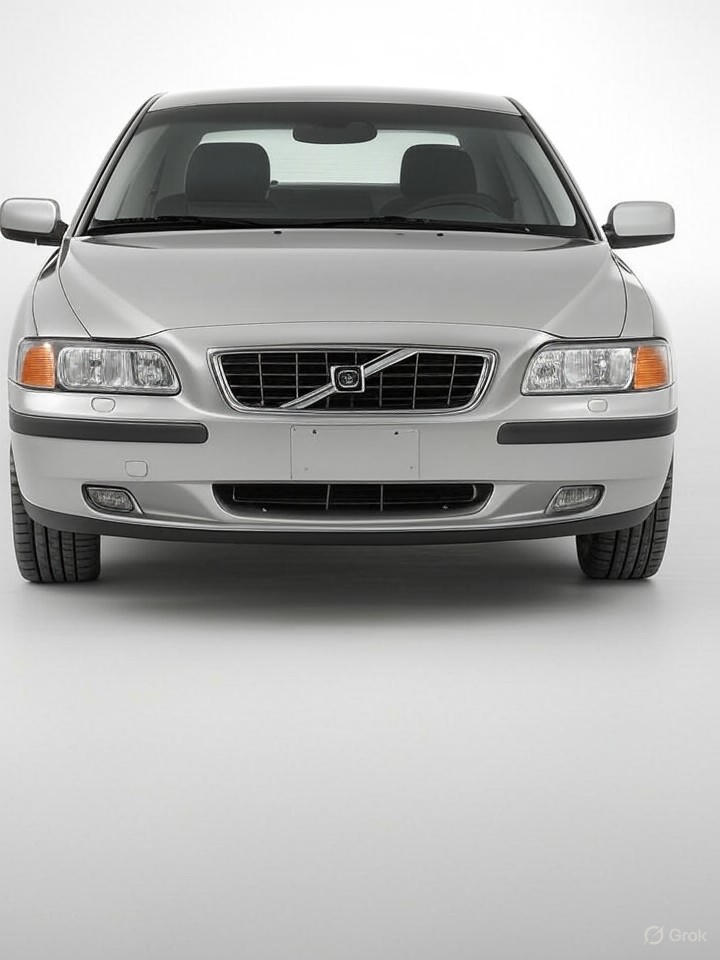
2006 Volvo
2.5L Turbocharged I5 · Sedan
The 2006 Volvo S60 is a compact executive sedan built on Volvo's P2 platform, shared with the S80, V70, and XC70. It was Volvo's attempt to blend Scandinavian safety engineering with a sportier driving character, and largely succeeded — it handles well for its era and the interior is comfortable and durable. By 2006, the S60 was in its final years of this generation, which means most of the early teething problems had been sorted but the cars were also accumulating age-related wear. The base S60 used a 2.5L turbocharged inline-5, while the performance-oriented T5 used a higher-boost version of the same architecture. The AWD (S60 AWD) variant added all-wheel drive via Haldex coupling — a welcome feature in Wisconsin winters. These are genuinely safe cars with strong crash ratings, but they require more maintenance attention than Japanese competitors of the same era. At nearly 20 years old now, the 2006 S60 is an affordable used buy, but ownership costs can spike if deferred maintenance catches up. Parts availability is decent thanks to a loyal enthusiast base, and independent Volvo specialists are far more affordable than the dealer. Plan for regular attention to the PCV/oil trap system, cooling system, and transmission fluid — neglect those and repair bills climb fast.
The 2006 Volvo S60 is a compact executive sedan built on Volvo's P2 platform, shared with the S80, V70, and XC70. It was Volvo's attempt to blend Scandinavian safety engineering with a sportier driving character, and largely succeeded — it handles well for its era and the interior is comfortable and durable. By 2006, the S60 was in its final years of this generation, which means most of the early teething problems had been sorted but the cars were also accumulating age-related wear. The base S60 used a 2.5L turbocharged inline-5, while the performance-oriented T5 used a higher-boost version of the same architecture. The AWD (S60 AWD) variant added all-wheel drive via Haldex coupling — a welcome feature in Wisconsin winters. These are genuinely safe cars with strong crash ratings, but they require more maintenance attention than Japanese competitors of the same era. At nearly 20 years old now, the 2006 S60 is an affordable used buy, but ownership costs can spike if deferred maintenance catches up. Parts availability is decent thanks to a loyal enthusiast base, and independent Volvo specialists are far more affordable than the dealer. Plan for regular attention to the PCV/oil trap system, cooling system, and transmission fluid — neglect those and repair bills climb fast.
This is an interference engine. A broken timing belt means bent valves and a multi-thousand-dollar repair. If the belt history is unknown on a used purchase, replace it immediately regardless of mileage.
The turbocharged inline-5 and the PCV system both depend on clean oil. Extended oil change intervals accelerate PCV clogging and turbo wear. Use full synthetic.
This is the most common maintenance item on the P2 Volvo platform. A clogged oil trap causes oil to be ingested into the intake, leading to consumption, smoke, and potential catalytic converter damage.
Plastic coolant elbows and the thermostat housing become brittle with age. Flush with Volvo-compatible coolant and visually inspect all plastic fittings — a failed fitting can cause rapid overheating and head gasket damage.
Volvo listed this as a 'lifetime' fill, but real-world experience shows the fluid degrades and the transmission suffers. An independent Volvo shop fluid service is cheap insurance against a very expensive rebuild.
The T5's boost levels accelerate plug wear. Worn plugs increase stress on coil packs, which are a known failure item. Replace plugs and inspect coils at the same time.
Volvo's brake systems are excellent, but the fluid is hygroscopic and absorbs moisture over time. In Wisconsin's temperature extremes, degraded fluid can cause spongy pedal feel and corrosion in the ABS modulator.
Belt failure leaves you stranded and can damage the power steering pump and alternator. Idler and tensioner pulleys often wear at the same interval — replace together to avoid a second labor charge.
Always defer to the manufacturer's service manual for warranty-mandated intervals.
The 2006 S60 is inexpensive to purchase but carries above-average maintenance costs for its class. Routine years with just fluid services and wear items fall in the $900–$1,200 range. Any year that requires timing belt service, cooling system work, or transmission attention can push $1,500–$3,000+. The key to keeping costs manageable is staying ahead of the PCV system, cooling system, and transmission fluid — all three are cheap to maintain proactively and expensive to fix reactively.
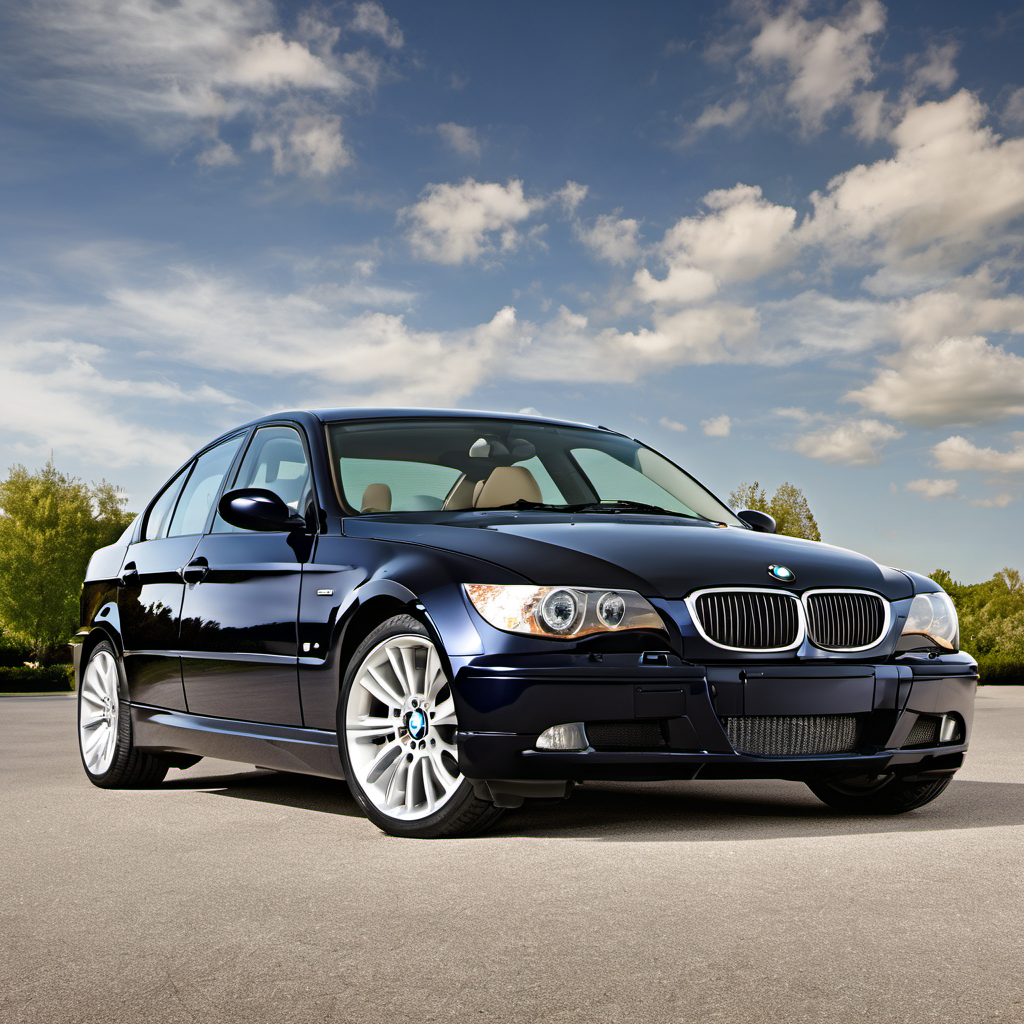
Similar compact executive sedan positioning, European driving feel, and used price range. The E90 3 Series is sportier but has its own maintenance demands — comparable ownership cost profile.
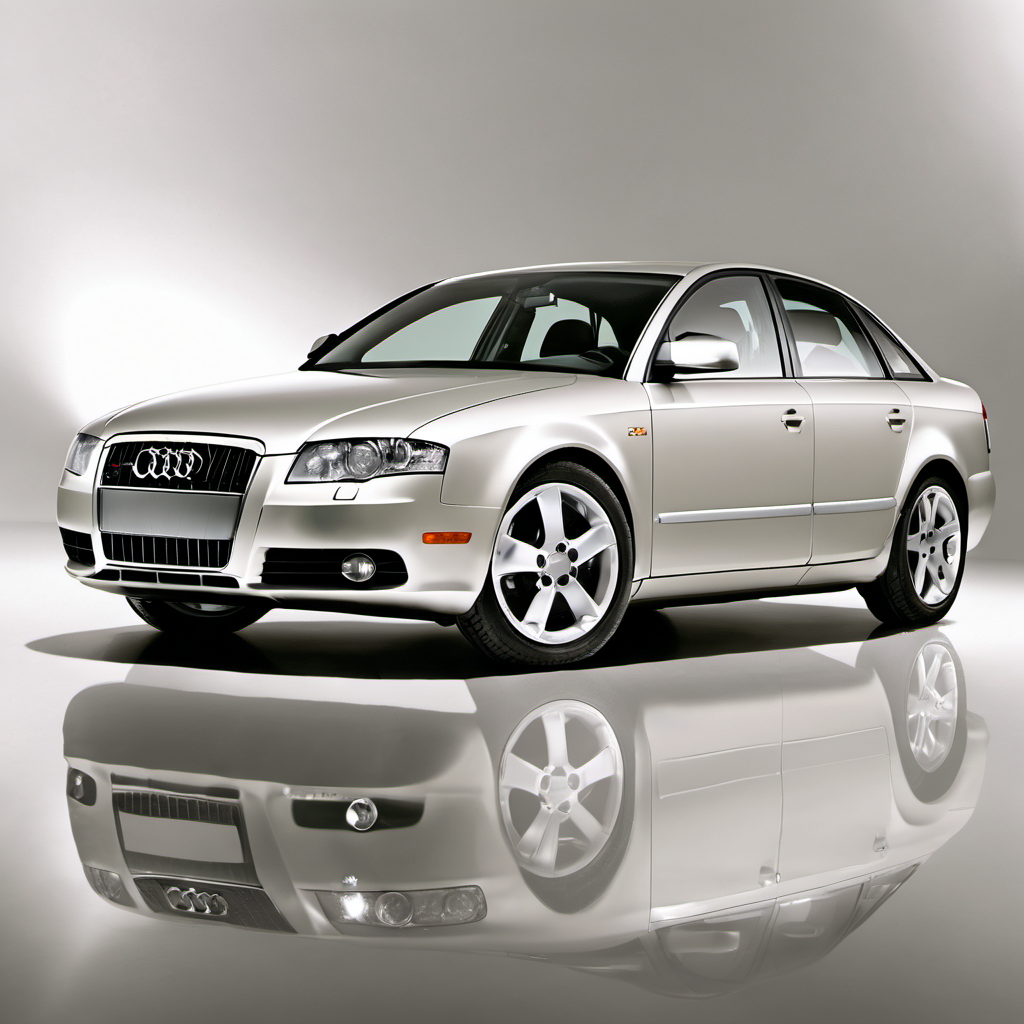
Direct segment competitor with available AWD (Quattro). Strong winter performer like the S60 AWD, but parts and labor costs run slightly higher. Both reward owners with a good independent European shop.
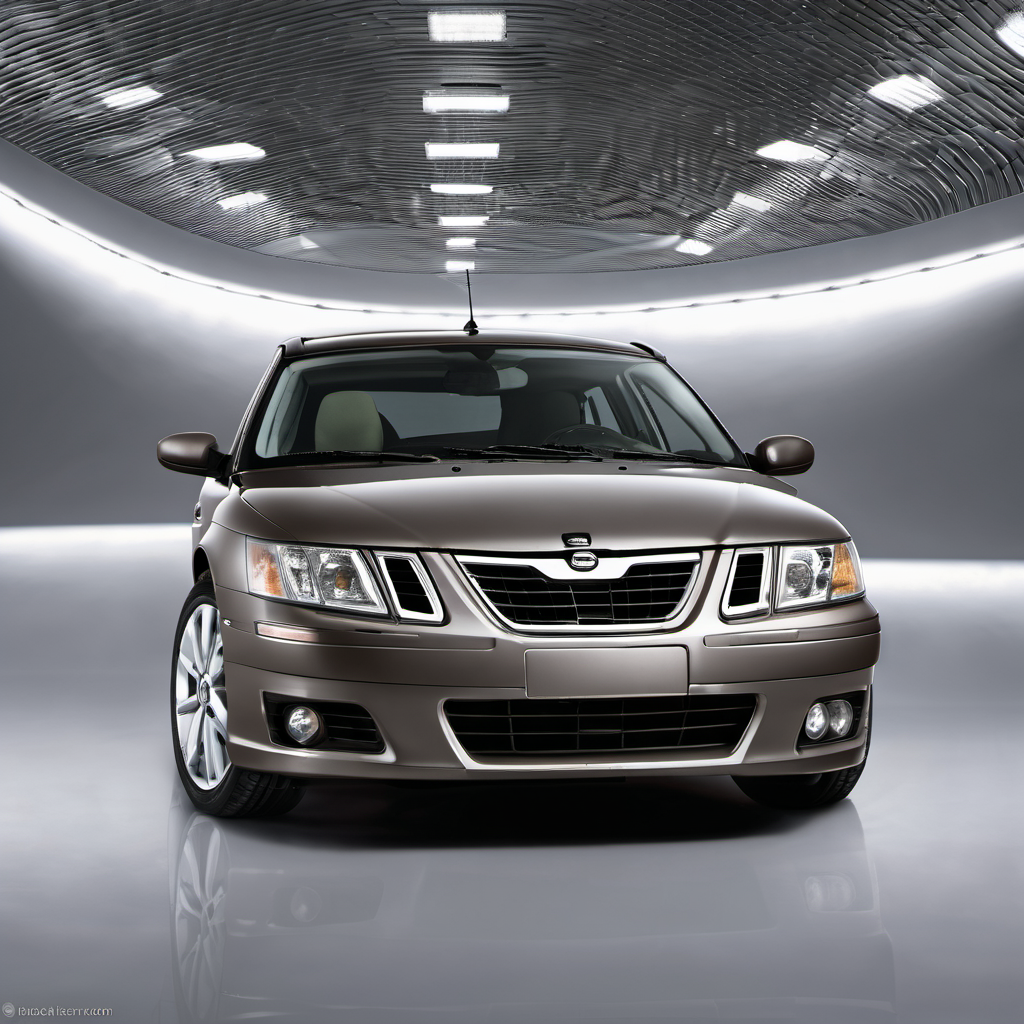
Swedish turbocharged compact sedan at a similar price point and mission. Parts availability is now a concern with Saab's closure, giving the S60 a meaningful advantage in long-term supportability.
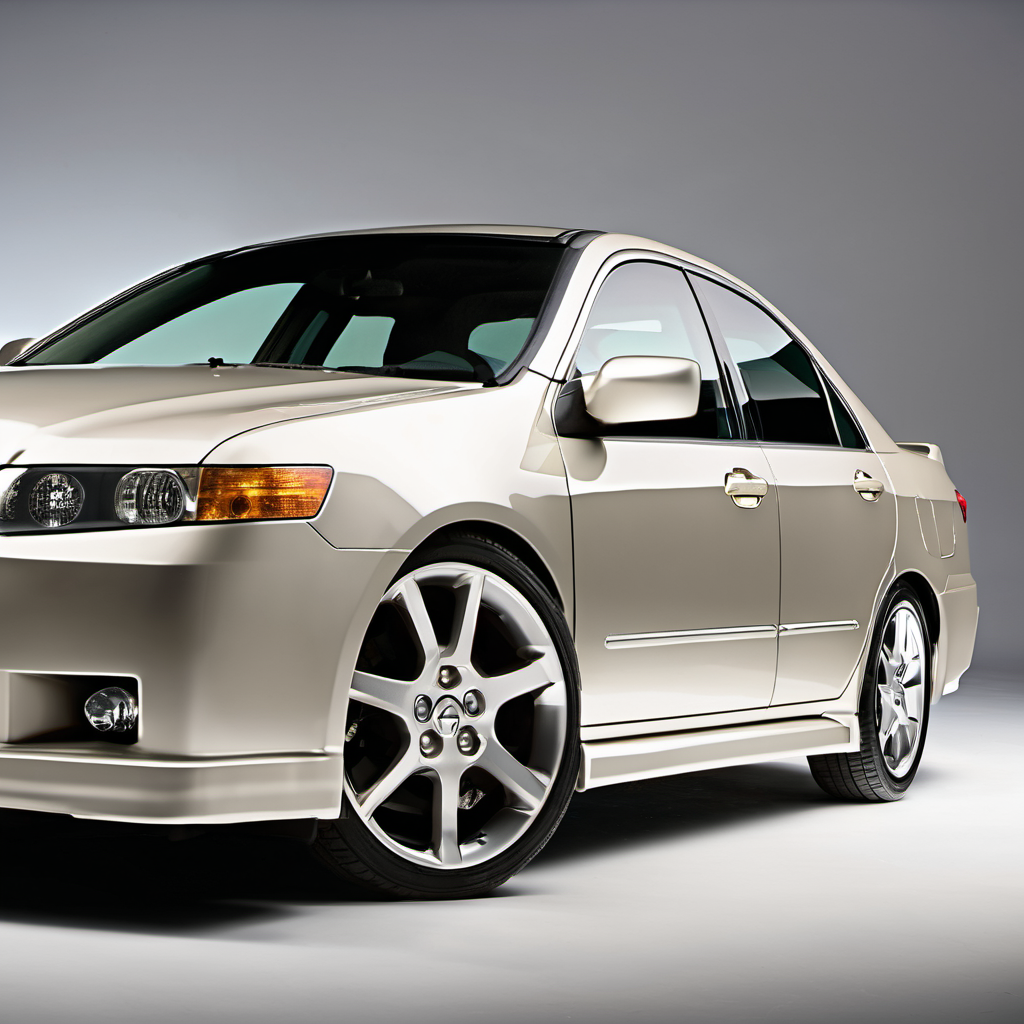
Similar size and comfort level with lower overall maintenance costs and better long-term reliability. The TSX lacks AWD and the S60's safety pedigree but wins on ownership simplicity.