VANOS (Variable Valve Timing) Solenoid Wear and Failure
high- Typically appears
- 60–120k mi
- Estimated repair
- $400 – $1,200
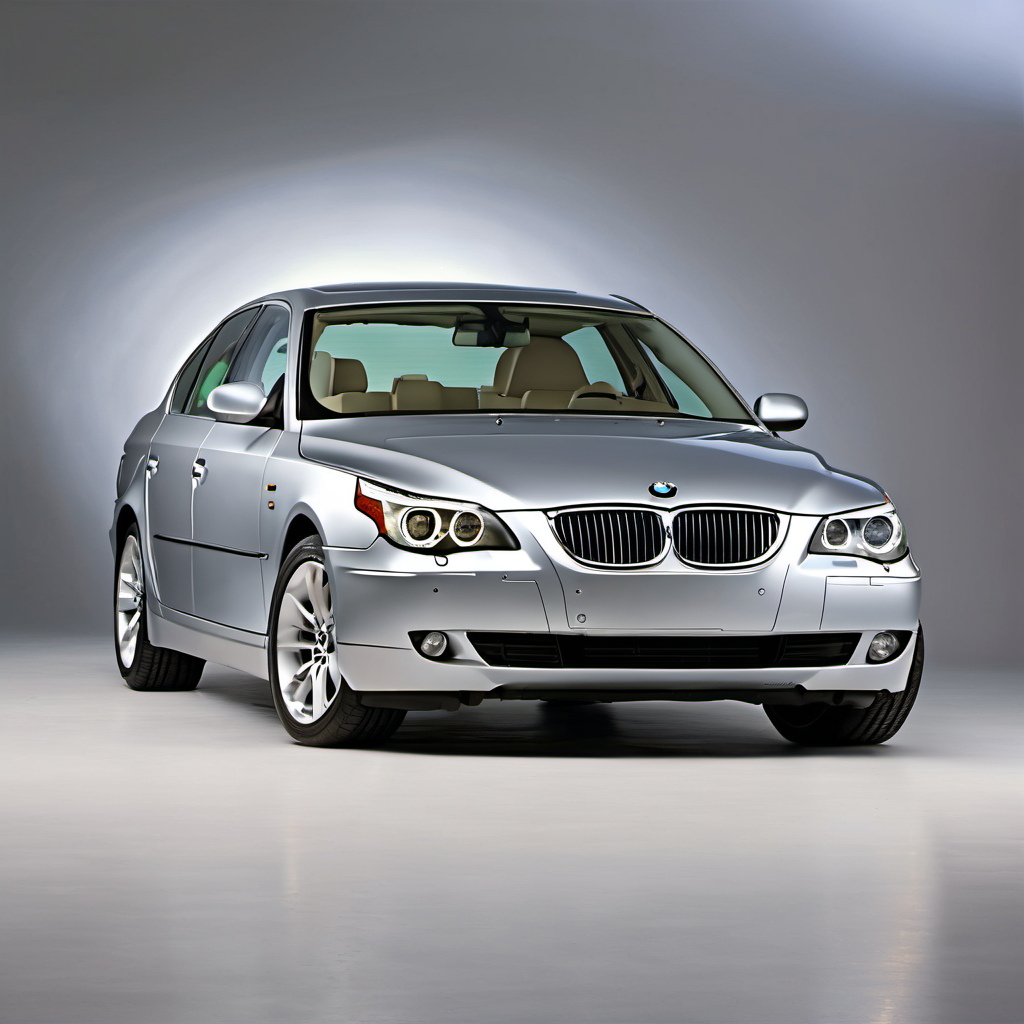
2006 BMW
Sedan
The 2006 BMW 5 Series (E60 generation) is a rear-wheel-drive executive sedan that represented BMW's most ambitious — and controversial — redesign of the nameplate. Styled by Chris Bangle, the E60 packed serious performance and one of the most technically sophisticated chassis of its era, with optional features like Active Steering, Dynamic Drive, and a head-up display that were rare at this price in 2006. The base engine is the 3.0L inline-six (528i / 530i), a smooth and capable unit. The 525i used a slightly smaller 2.5L six, while the 545i and M5 stepped up to a V8 and V10 respectively. All E60s share BMW's characteristic balance of sport and comfort, with a well-weighted steering feel and composed highway manners. These cars reward drivers who maintain them properly — and punish those who don't. At nearly 20 years old, the E60 is now deep into used-car territory. Parts availability is generally good but repair costs at a dealership can be eye-watering. Budget for maintenance as a fixed cost of ownership and use a shop experienced with European vehicles.
The 2006 BMW 5 Series (E60 generation) is a rear-wheel-drive executive sedan that represented BMW's most ambitious — and controversial — redesign of the nameplate. Styled by Chris Bangle, the E60 packed serious performance and one of the most technically sophisticated chassis of its era, with optional features like Active Steering, Dynamic Drive, and a head-up display that were rare at this price in 2006. The base engine is the 3.0L inline-six (528i / 530i), a smooth and capable unit. The 525i used a slightly smaller 2.5L six, while the 545i and M5 stepped up to a V8 and V10 respectively. All E60s share BMW's characteristic balance of sport and comfort, with a well-weighted steering feel and composed highway manners. These cars reward drivers who maintain them properly — and punish those who don't. At nearly 20 years old, the E60 is now deep into used-car territory. Parts availability is generally good but repair costs at a dealership can be eye-watering. Budget for maintenance as a fixed cost of ownership and use a shop experienced with European vehicles.
VANOS and Valvetronic components are oil-pressure dependent. Using the correct spec oil (BMW LL-01 rated) and changing it more frequently than CBS suggests is the single biggest thing you can do to extend this engine's life.
The water pump, thermostat, and plastic expansion tank are all similar age and material. Replacing one and leaving the others is a false economy — plan to do them together to avoid a second labor bill within a year.
Sludge from delayed oil changes clogs the solenoid screens and starves the variable valve timing system. Cleaning or replacing these solenoids proactively prevents the more expensive timing chain and actuator damage downstream.
Wisconsin road salt accelerates metal corrosion around the subframe mounting points. Catching bushing deterioration early prevents the more serious (and expensive) subframe reinforcement or replacement scenario.
BMW specifies longer intervals, but on a used car with unknown history, fresh plugs improve combustion efficiency, reduce misfires, and protect the catalytic converters.
BMW's DSC (stability control) and ABS systems are sensitive to moisture-contaminated brake fluid. Two-year flush intervals are especially important here.
Restricted airflow affects both engine performance and HVAC efficiency. The cabin filter in particular traps road salt particulates common to Wisconsin winters.
Fluid degradation in the ZF automatic transmission and rear differential accelerates wear significantly past 100k miles. Fresh fluid is cheap insurance against a $3,000+ transmission repair.
Always defer to the manufacturer's service manual for warranty-mandated intervals.
The E60 5 Series is a genuinely affordable car to buy used, but the gap between purchase price and total cost of ownership is wide. A well-maintained example running smoothly might cost $1,200–$1,800/year in routine maintenance. One that has been deferred on service — which describes many examples at this age — can easily generate $3,000–$5,000 in catch-up repairs in the first year of ownership. Budget for surprises and build a relationship with a shop experienced in BMWs before you need an emergency repair.
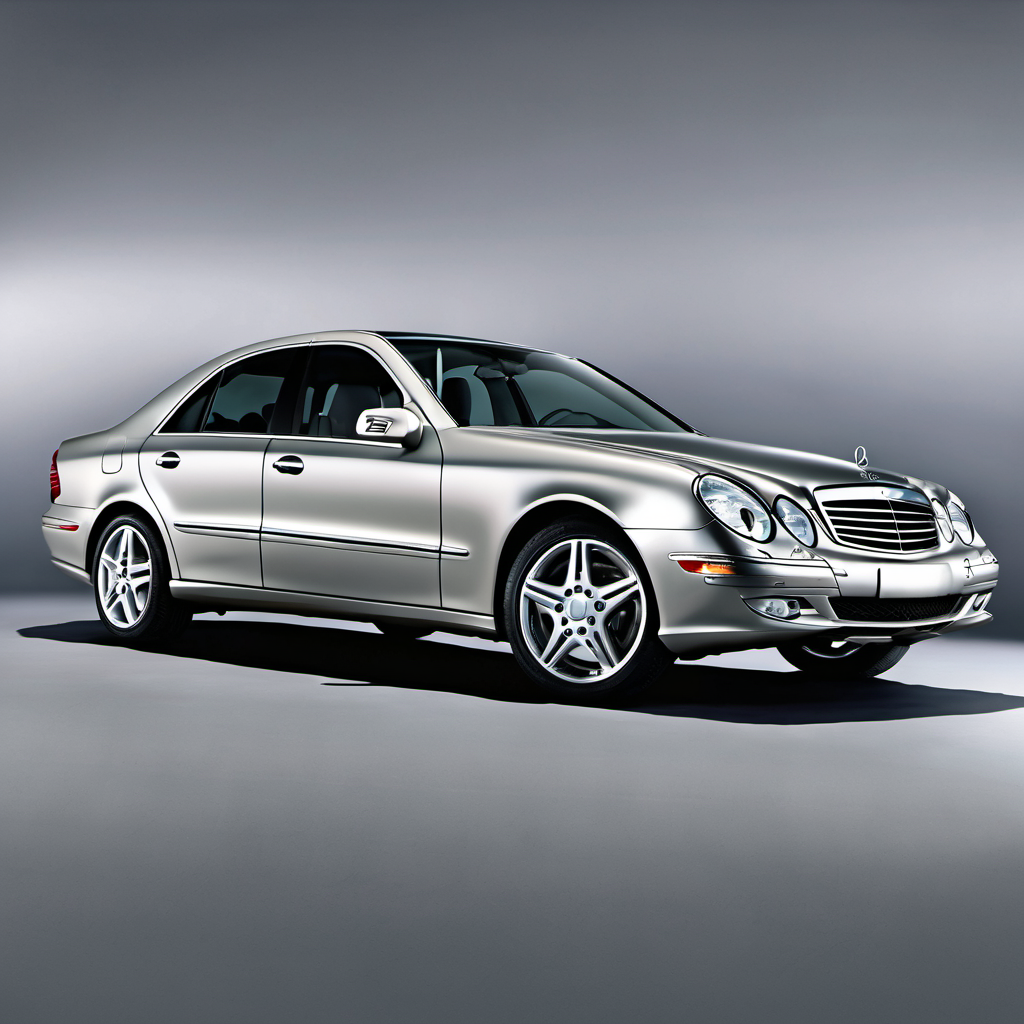
Direct segment rival. The W211 E-Class offers similar luxury and performance with a slightly more comfort-biased character. Maintenance costs are comparable; airmatic suspension on optioned cars adds complexity.
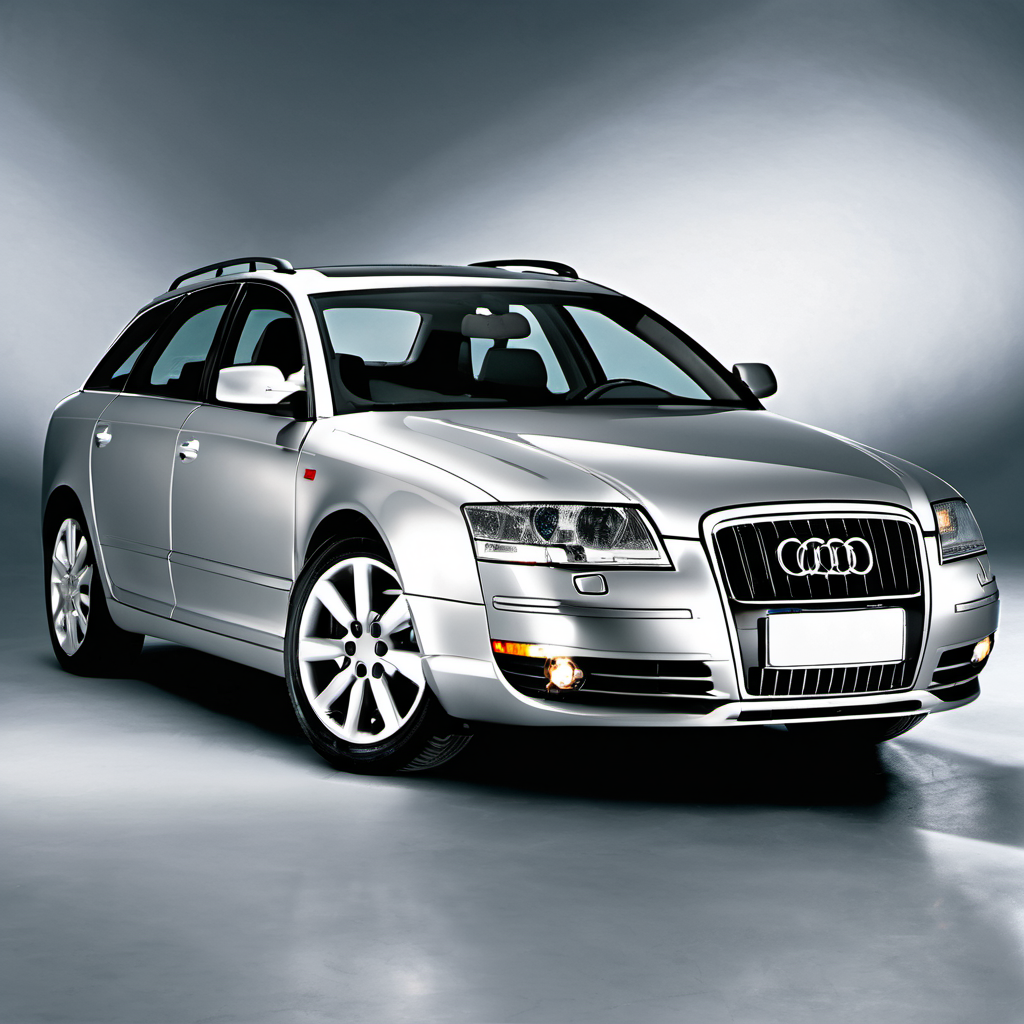
The C6 A6 competes directly in the executive sedan class with the added traction benefit of Quattro AWD — a real advantage in Wisconsin winters. Multitronic CVT on V6 models has its own reliability concerns.
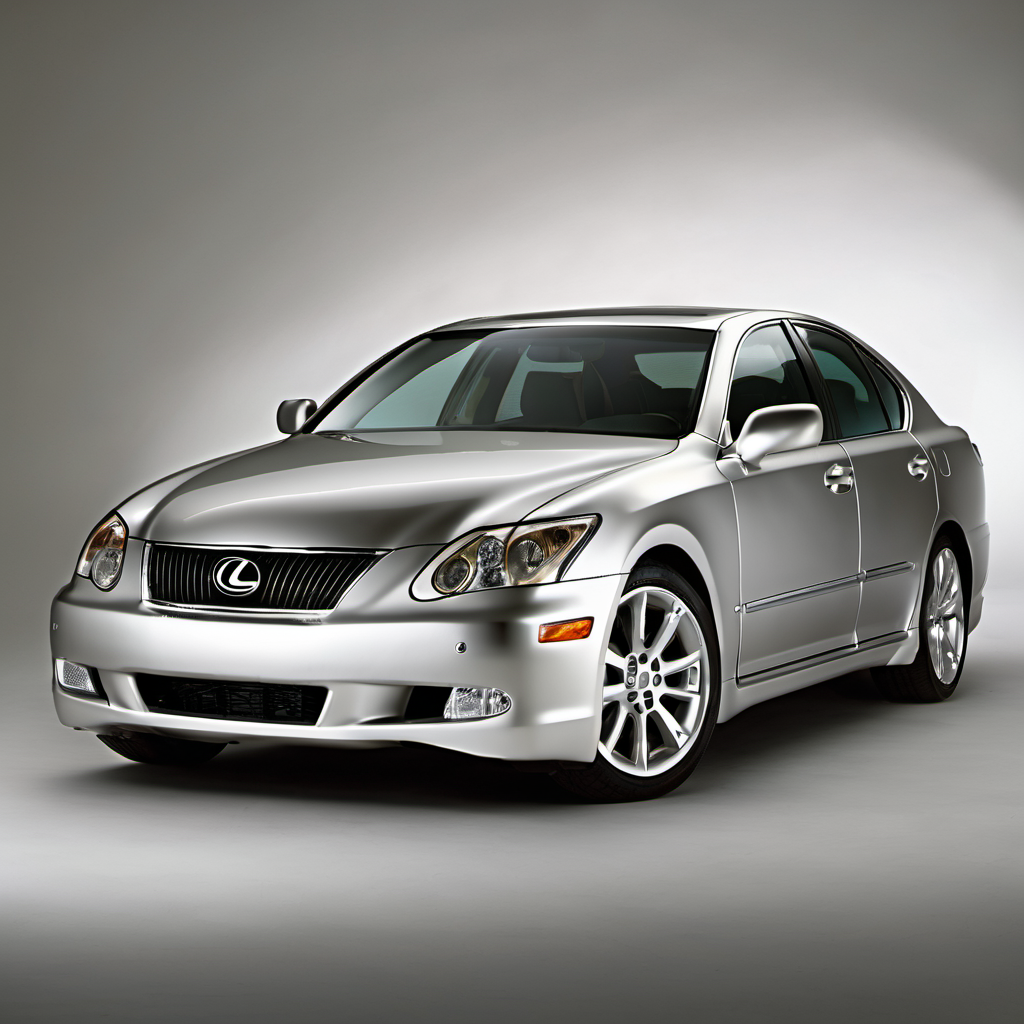
The GS 300 is a rear-wheel-drive executive sedan with significantly better long-term reliability, lower maintenance costs, and Toyota's proven 3.0L inline-six. Gives up some driving engagement but gains peace of mind.
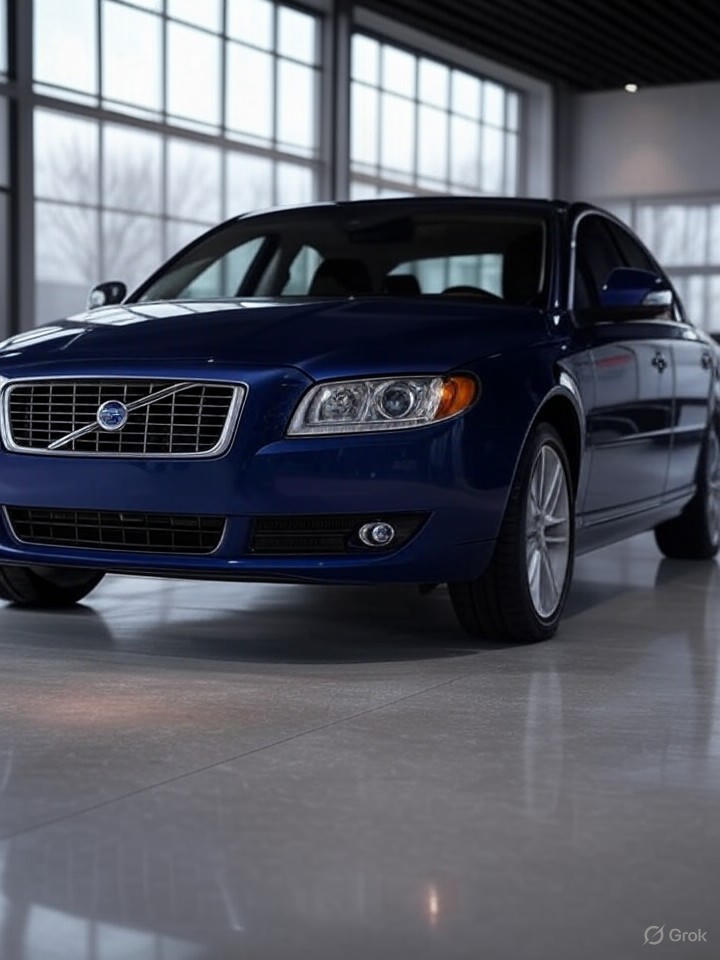
Similar price range, front-wheel-drive or AWD options, and strong passive safety credentials. Less sporty than the 5 Series but substantially less expensive to maintain and more approachable in winter conditions.