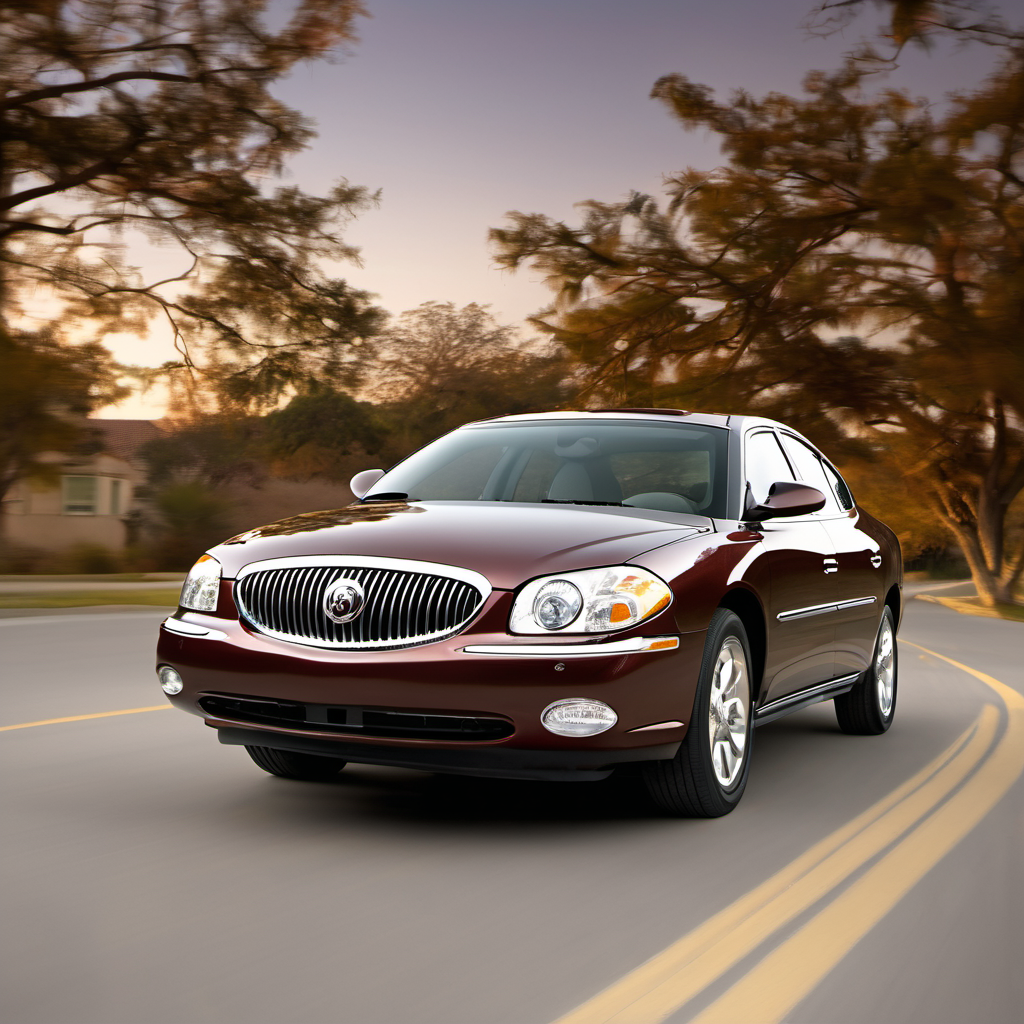
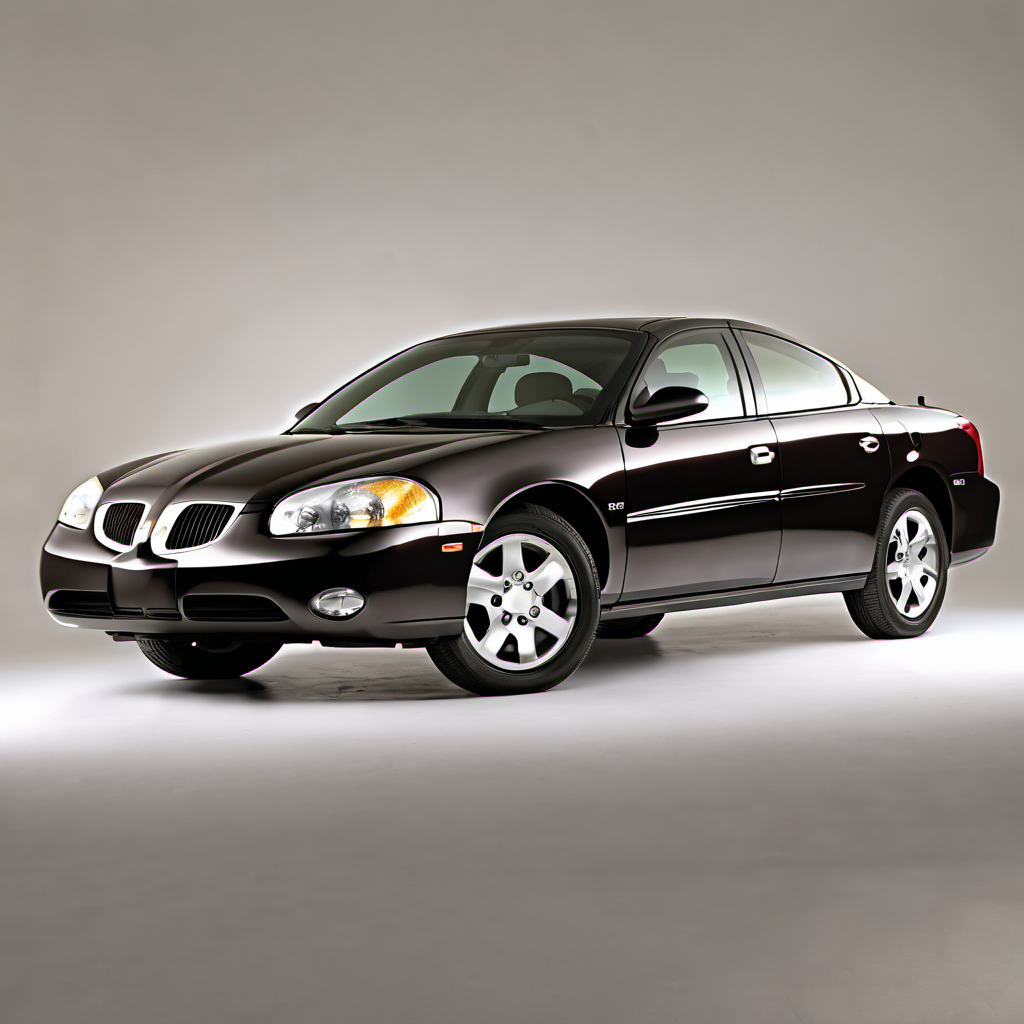
2006 Buick LaCrosse Sedan

2006 Buick

LaCrosseSedan

3.8L V6 · Sedan

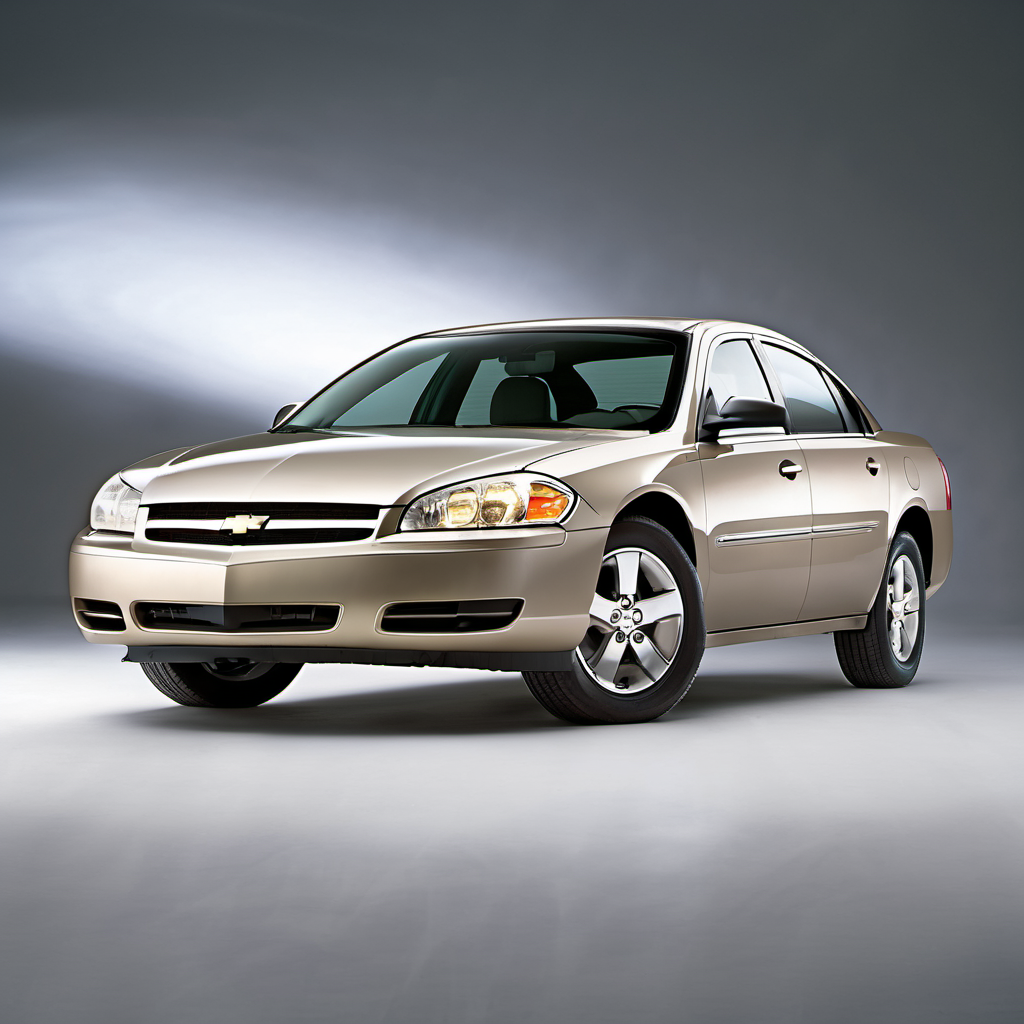
The 2006 Buick LaCrosse is a full-size front-wheel-drive sedan that replaced the Century and Regal in GM's lineup. It sits on the W-body platform shared with the Pontiac Grand Prix and Chevrolet Impala, which means parts are plentiful and most independent shops know the car well. It was aimed squarely at older Buick loyalists who wanted a quiet, comfortable ride with a traditional American feel — and it delivers on that promise. For 2006, the LaCrosse came in CX, CXL, and CXS trims. The base CX used a 3.8L V6, the mid-grade CXL shared that engine, and the sporty CXS stepped up to a 3.6L V6 with VVT. The 3.8L is one of GM's most proven engines and will go well past 200k miles with basic maintenance. The 3.6L is capable but more complex and more sensitive to oil changes. At 18-plus years old, most LaCrosses in circulation are high-mileage examples. They tend to rust around the wheel wells and rocker panels in Wisconsin, so a thorough undercarriage inspection is non-negotiable before buying one here.

Reliability
3/5
Verified data
Engine
3.8L V6
Drivetrain
FWD
Fuel
Gasoline
MPG
18 city / 28 hwy / 22 combined
Seats
6
Doors
4
Body
Sedan
MSRP
$23,990

Overview

AI-curated

The 2006 Buick LaCrosse is a full-size front-wheel-drive sedan that replaced the Century and Regal in GM's lineup. It sits on the W-body platform shared with the Pontiac Grand Prix and Chevrolet Impala, which means parts are plentiful and most independent shops know the car well. It was aimed squarely at older Buick loyalists who wanted a quiet, comfortable ride with a traditional American feel — and it delivers on that promise. For 2006, the LaCrosse came in CX, CXL, and CXS trims. The base CX used a 3.8L V6, the mid-grade CXL shared that engine, and the sporty CXS stepped up to a 3.6L V6 with VVT. The 3.8L is one of GM's most proven engines and will go well past 200k miles with basic maintenance. The 3.6L is capable but more complex and more sensitive to oil changes. At 18-plus years old, most LaCrosses in circulation are high-mileage examples. They tend to rust around the wheel wells and rocker panels in Wisconsin, so a thorough undercarriage inspection is non-negotiable before buying one here.

Known for
  • Smooth, quiet ride tuned for comfort
  • Bulletproof 3.8L V6 in CX/CXL trims
  • Roomy interior with good rear-seat legroom
  • Plentiful and affordable parts due to shared W-body platform
  • Strong resale durability on well-maintained examples
Best for
  • Retired or low-mileage drivers wanting affordable comfort
  • Buyers needing a reliable daily driver on a tight budget
  • Those who prefer a traditional sedan over an SUV or crossover
  • Highway commuters who value a smooth, quiet cabin
Watch for
  • Rust on rockers, wheel arches, and subframe — serious concern in Wisconsin
  • 3.6L VVT engine oil sludge if oil changes were skipped
  • Intake manifold gasket leaks (3.8L)
  • Worn struts and control arm bushings on higher-mileage cars
  • Sagging headliner and worn driver's seat bolster on older examples

Common issues by mileage

6 known

Intake Manifold Gasket Leak (3.8L V6)

high
Typically appears
70–130k mi
Estimated repair
$250 – $500

Strut and Strut Mount Wear

high
Typically appears
80–120k mi
Estimated repair
$400 – $800

Oxygen Sensor / Heater Circuit Failure

medium
Typically appears
80–150k mi
Estimated repair
$150 – $350

Power Steering Rack Leak / Noise

medium
Typically appears
100–160k mi
Estimated repair
$500 – $950

Maintenance schedule

  1. 1
    Every 5,000 miles or 6 months Oil and filter change — 5W-30, 4.5 qt capacity

    The 3.8L tolerates conventional oil fine, but the 3.6L is very sensitive to dirty oil. Stretched intervals on the 3.6L accelerate timing chain and VVT solenoid wear. Don't skip this one.

  2. 2
    Every 30,000 miles Transmission fluid change (4-speed automatic)

    GM's spec says 'lifetime,' but in practice these transmissions last much longer when fluid is swapped every 30k on a used vehicle with unknown history.

  3. 3
    Every 2 years or 30,000 miles Coolant flush

    The 3.8L is prone to intake manifold gasket failure, and old or low coolant accelerates internal gasket degradation. Use GM's orange DEX-COOL only.

  4. 4
    Every 30,000 miles Inspect and replace serpentine belt and tensioner

    At 18+ years old, the belt and tensioner spring are likely original on many cars. A snapped belt on a Wisconsin highway in winter is a dangerous situation.

  5. 5
    Every 50,000 miles or as needed Inspect front struts, strut mounts, and control arm bushings

    Wisconsin roads are hard on suspension. Worn strut mounts cause clunking and reduce braking stability — inspect carefully on any used purchase.

  6. 6
    Every 2 years Inspect undercarriage and rocker panels for rust and rust-through

    Road salt in Lake Geneva is relentless. Subframe rust on W-body cars is a known issue and can become a safety and cost-prohibitive repair problem.

  7. 7
    Every fall Test battery and charging system

    A battery that's borderline in September will likely fail in January. The LaCrosse's 3.8L starts easily when healthy, but a weak battery leaves you stranded in sub-zero temps.

  8. 8
    Every 2 years Inspect brake lines and calipers for corrosion

    Salt exposure rusts brake lines from the outside in. Calipers also seize on cars that sit. Brake system integrity is critical and often overlooked on budget-priced used sedans.

Always defer to the manufacturer's service manual for warranty-mandated intervals.

Cost of ownership

Annual maintenance
$600 – $1,400
Fuel
At ~22 MPG combined and typical driving in the Lake Geneva area, expect roughly $1,800–$2,400/year in fuel at current prices. Highway driving brings that down noticeably.
Insurance
Generally low — this is an older, low-value sedan. Full coverage on a well-maintained example typically runs $900–$1,400/year depending on your driving record and coverage level.

The LaCrosse is an inexpensive car to own when things are going well. Routine maintenance is cheap, parts are readily available, and labor hours on W-body cars are well understood. The risk is a big-ticket repair — timing chain job on the 3.6L or a rust-related structural fix — that can quickly exceed the car's market value. Buy one with records and budget a small cushion for deferred maintenance catch-up.
Seasonal care

Lake Geneva, WI
Winter
  • Test the battery every fall — cold cranking amps drop fast in sub-zero temps and this car's battery is typically tucked under the hood where it takes the full cold hit.
  • Switch to a winter-rated washer fluid rated to at least -20°F. The LaCrosse's heated washer jets (if equipped on CXL/CXS) should be verified working before first freeze.
  • Inspect the block heater if the car has one — plug it in overnight when temps drop below 10°F to ease cold starts and protect the 3.8L's valve train on first startup.
  • Check all door and trunk seals for cracking; aging rubber seals on an 18-year-old car let in moisture that freezes door frames shut and causes carpet dampness.
  • Flush and refill coolant to the correct DEX-COOL mixture for freeze protection to at least -34°F — a 50/50 mix is standard.
  • Inspect the undercarriage and rocker panels for rust before winter; new rust-through spots should be treated before salt season makes them significantly worse.
Summer
  • Check tire pressure monthly — ambient temperature swings between Wisconsin winters and summers can shift pressure by 5–8 PSI, affecting handling and tire wear.
  • Inspect the A/C system before Memorial Day — recharging a system that leaked over winter is a common spring job on cars this age.
  • Watch for signs of heat soak at idle, especially with the 3.6L — a marginal cooling system fan or low coolant shows up first in stop-and-go summer traffic.
  • Check the cabin air filter; a clogged filter cuts A/C performance and makes the blower motor work harder in hot weather.

Comparable vehicles

If you're shopping for one

Red flags
  • Any rust-through on the rocker panels or visible floor pan — structural rust makes a car uneconomical to fix
  • No service records and high mileage on a 3.6L CXS — oil change history is critical on that engine
  • Milky oil or coolant — head gasket or intake manifold gasket failure in progress
  • Active check engine light with camshaft timing codes (P0012, P0015, P0022, P0025) — timing chain jobs on the 3.6L often cost more than the car is worth
  • Smoke from the exhaust on startup or under load — worn rings or valve seals on an aged engine
  • CAN bus or BCM fault codes (U01xx series) without a clear cause — can be difficult and expensive to diagnose and repair
What to inspect
  • Undercarriage, rocker panels, and subframe for rust-through — this is the single most important inspection item on any Wisconsin example
  • Coolant condition and level — milky or sweet-smelling coolant points to intake manifold gasket failure on the 3.8L
  • Engine oil condition on 3.6L-equipped cars — dark, gritty oil with no records is a red flag for timing chain and VVT wear
  • Strut and suspension feel during a test drive — listen for clunks over bumps and feel for vagueness in steering
  • All power accessories: windows, locks, mirrors, heated seats — body electrical gremlins are common at this age and add up fast
  • Scan for stored DTCs before buying — especially any P0012/P0015/P0022/P0025 camshaft timing codes which indicate expensive repairs ahead
AI profile generated 2 hr ago · claude-sonnet-4-6 · v2.