Intake Manifold Gasket Failure (Coolant / Oil Leak)
high- Typically appears
- 60–120k mi
- Estimated repair
- $350 – $650
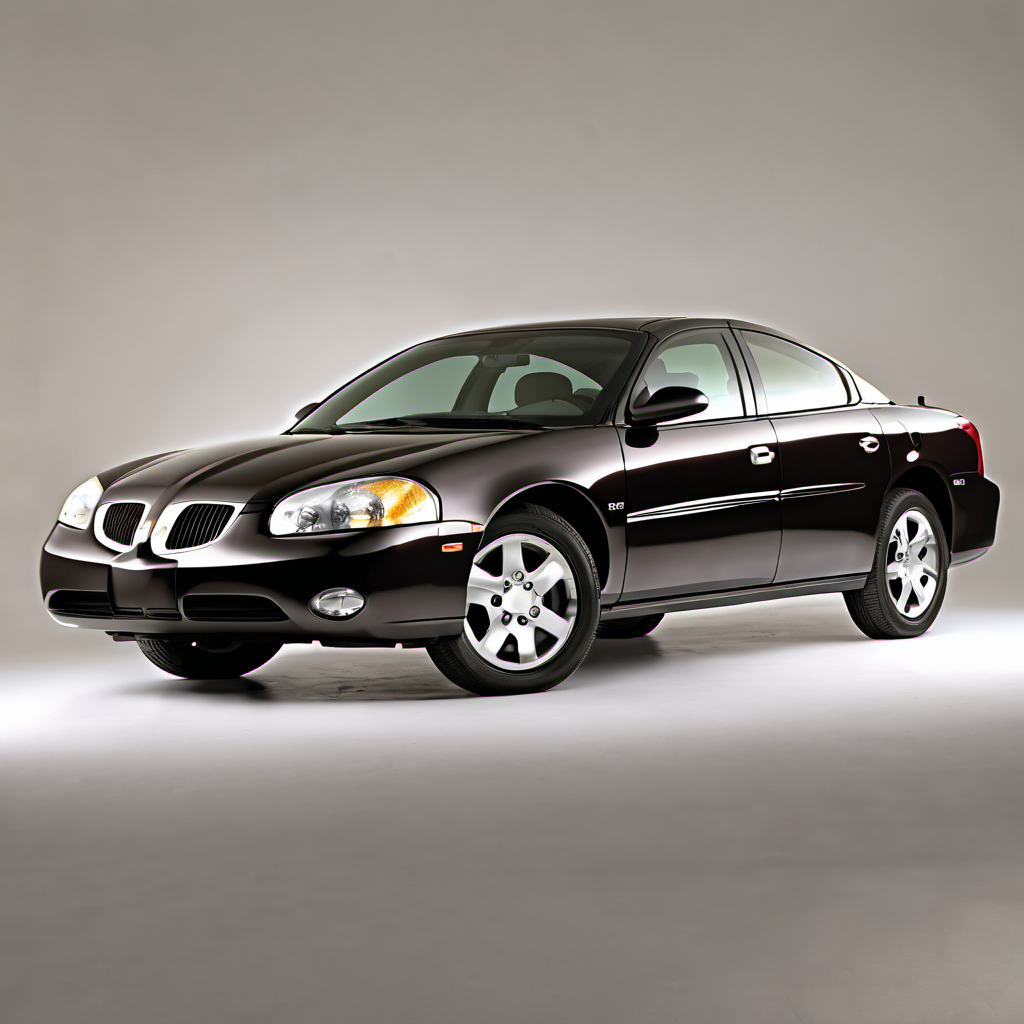
2006 Pontiac
Sedan
The 2006 Pontiac Grand Prix is a front-wheel-drive full-size sedan built on GM's W-body platform, a design it shared with the Buick LaCrosse and Chevrolet Impala. By 2006, this was the final generation of Grand Prix before Pontiac's eventual discontinuation, and it had matured into a comfortable, roomy cruiser with a standard 3.8L V6 — one of GM's most proven engines. It offers more interior space than a midsize sedan and was popular with buyers who wanted a sporty look without sports-car running costs. The 3800 Series III V6 (3.8L) in the base Grand Prix is genuinely robust and was still being produced because GM had been refining it for decades. The GTP trim added a supercharged version for more performance, but the naturally aspirated 3.8L is the one to own for long-term reliability. Fuel economy is modest by modern standards but typical for a large V6 sedan of this era. At this point in its life, most surviving 2006 Grand Prix examples are in the 80,000–160,000 mile range. Age-related wear — intake manifold gaskets, power steering, and cooling system components — is the biggest story on these cars, not catastrophic mechanical failure. A well-maintained example is a solid, inexpensive used buy; a neglected one can surprise you with deferred work.
The 2006 Pontiac Grand Prix is a front-wheel-drive full-size sedan built on GM's W-body platform, a design it shared with the Buick LaCrosse and Chevrolet Impala. By 2006, this was the final generation of Grand Prix before Pontiac's eventual discontinuation, and it had matured into a comfortable, roomy cruiser with a standard 3.8L V6 — one of GM's most proven engines. It offers more interior space than a midsize sedan and was popular with buyers who wanted a sporty look without sports-car running costs. The 3800 Series III V6 (3.8L) in the base Grand Prix is genuinely robust and was still being produced because GM had been refining it for decades. The GTP trim added a supercharged version for more performance, but the naturally aspirated 3.8L is the one to own for long-term reliability. Fuel economy is modest by modern standards but typical for a large V6 sedan of this era. At this point in its life, most surviving 2006 Grand Prix examples are in the 80,000–160,000 mile range. Age-related wear — intake manifold gaskets, power steering, and cooling system components — is the biggest story on these cars, not catastrophic mechanical failure. A well-maintained example is a solid, inexpensive used buy; a neglected one can surprise you with deferred work.
The 3.8L's intake manifold gaskets are the first casualty of cooling system neglect. Fresh DexCool and a pressure-tested system catch leaks before they become engine damage.
This is the single highest-probability repair on the 3800 V6. Catching a weeping gasket early keeps a $400 job from becoming a $1,500 overheating recovery.
The 4T65-E is durable but dislikes neglected fluid. Dark, burnt fluid accelerates clutch pack wear. Independent shops can do this affordably; don't skip it.
The rack is sensitive to low or degraded fluid. Low fluid accelerates seal and rack wear — the leading cause of power steering leaks on this car.
The 3.8L runs smoothly on the correct plugs at the right gap. Worn plugs cause rough idle and slight fuel economy loss that owners often attribute to other problems.
A failed belt takes out the alternator, power steering, and A/C at once. Tensioners on this engine age out around 90–100k mi regardless of belt condition.
Wisconsin's temperature swings cause brake fluid to absorb moisture faster. Contaminated fluid lowers boiling point and corrodes ABS components from the inside.
The 3.8L is a mild cold-start load, but a marginal battery fails hard at -10°F. Load testing in October catches weak batteries before you're stranded in a Lake Geneva parking lot in January.
Always defer to the manufacturer's service manual for warranty-mandated intervals.
The base 3.8L Grand Prix is one of the cheaper large sedans to own over time. Routine maintenance is straightforward and parts are plentiful and inexpensive. The main financial risk is a neglected example needing intake gaskets, power steering work, and cooling system repairs all at once — budget $1,500–$2,500 for deferred maintenance when buying a used example with unknown service history.
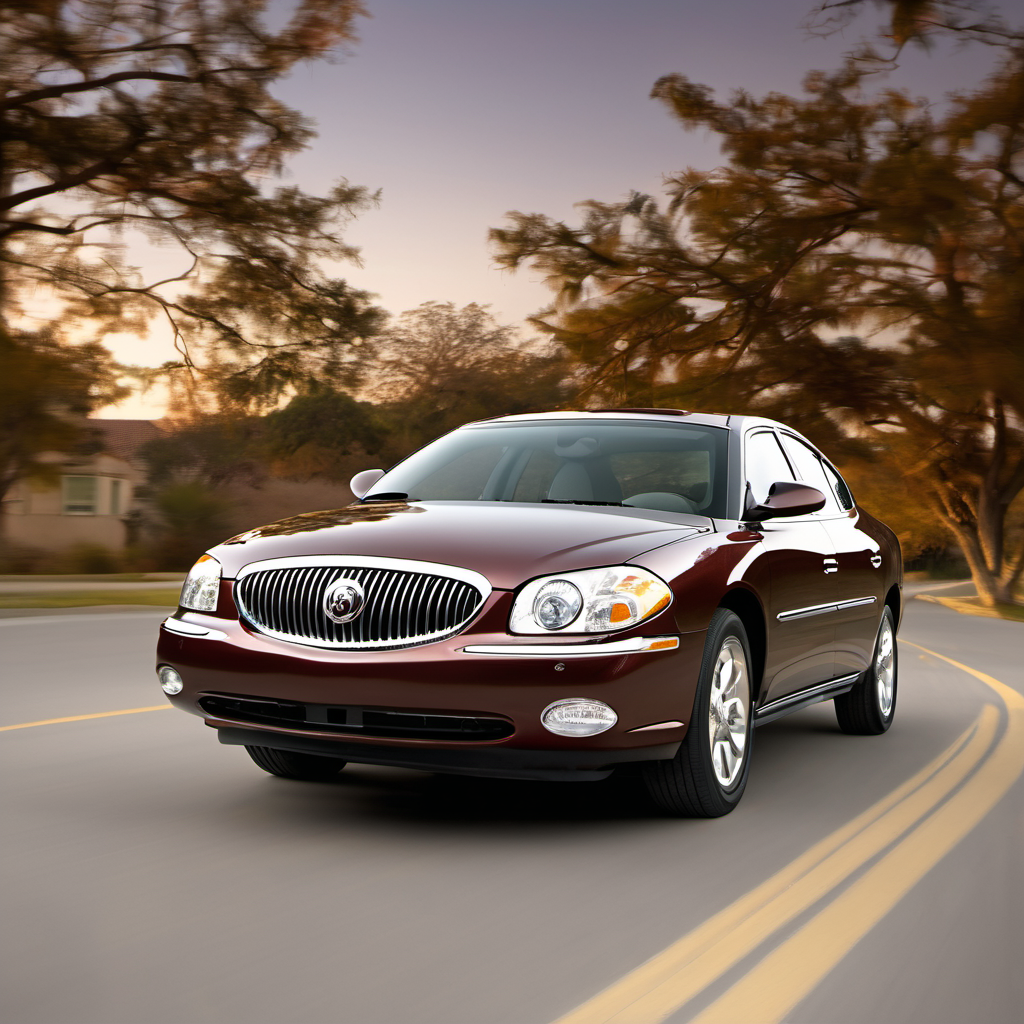
Shares the same W-body platform and 3.8L V6, nearly identical to drive and maintain, but with a quieter, more upscale interior. Often cheaper to buy used because of lower name recognition among younger buyers.
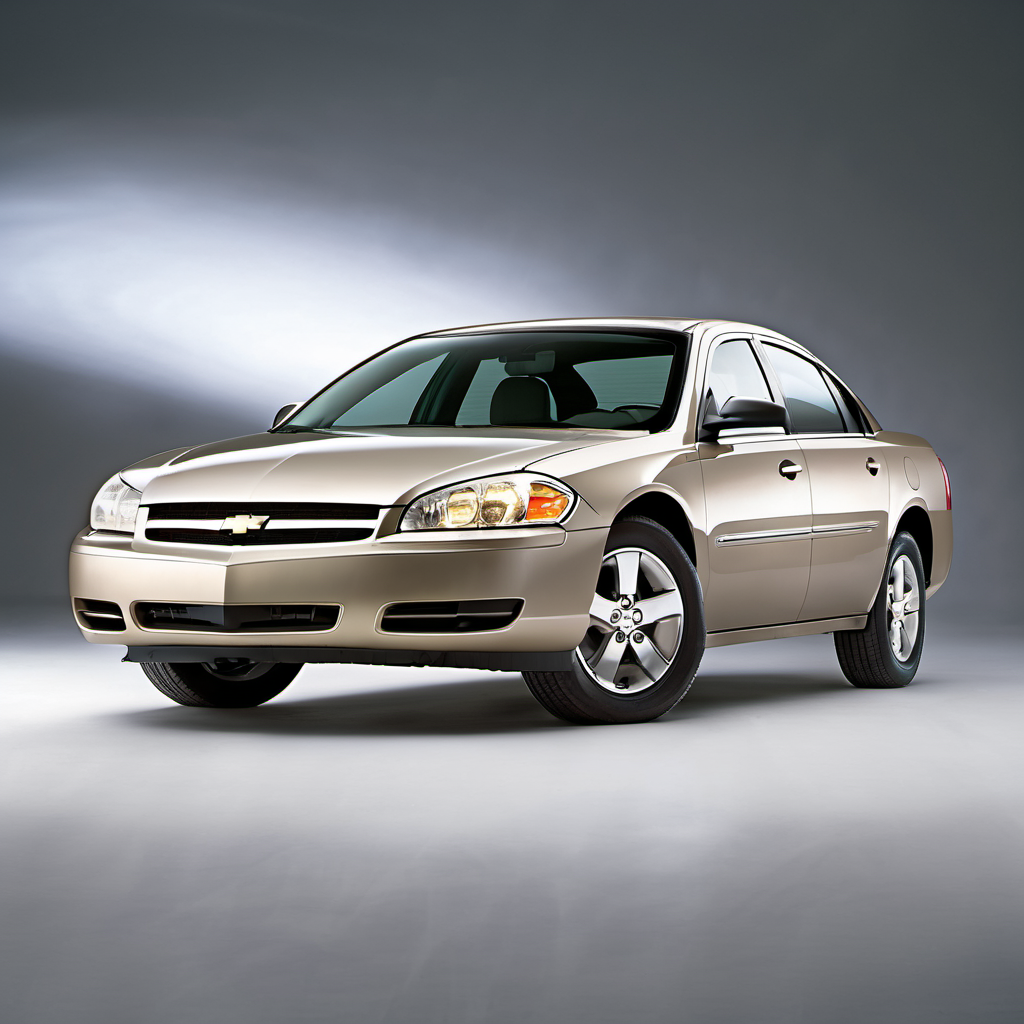
Same platform, same engine family, similar space and reliability profile. Impala has a slight edge in parts availability and aftermarket support, and insurance is often a touch lower.
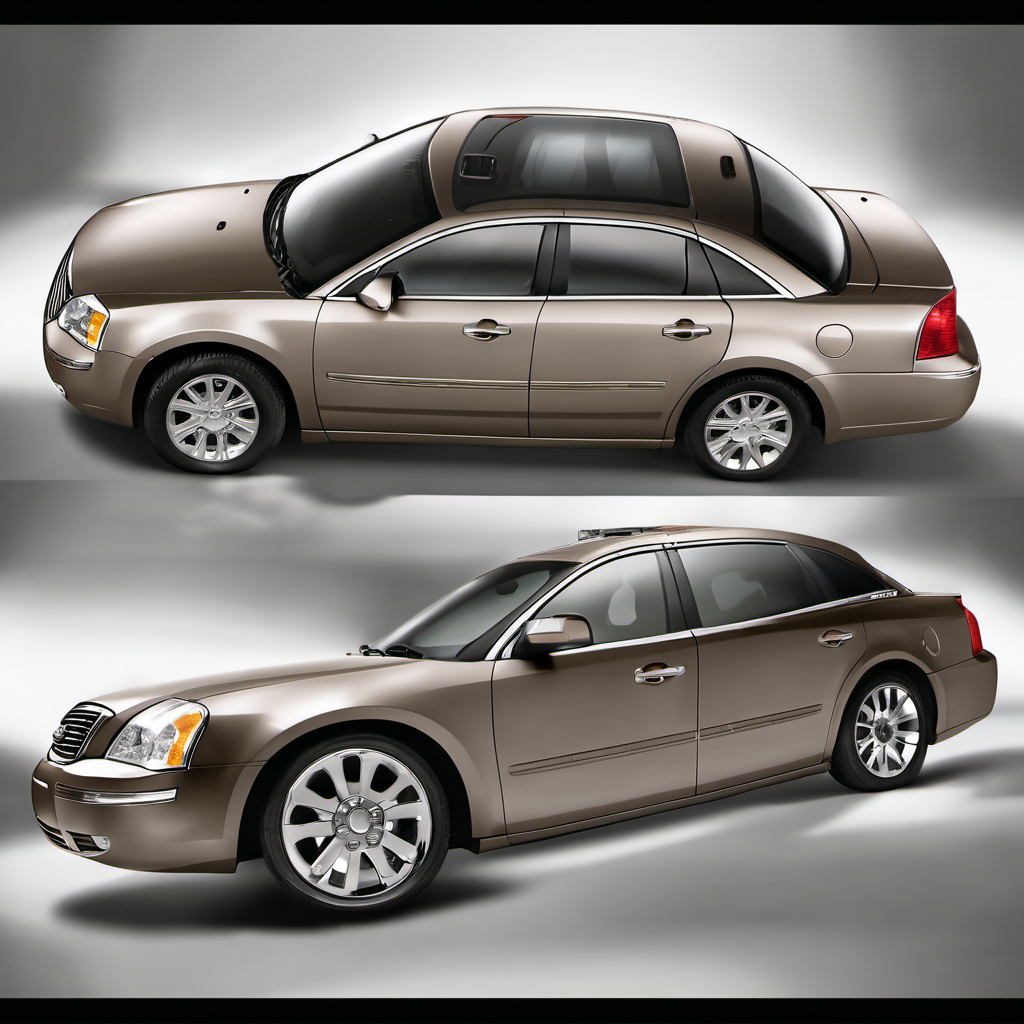
Comparable full-size FWD sedan with a smooth V6 and excellent interior room. Different platform and ownership experience but targets the same buyer at a similar used price point.
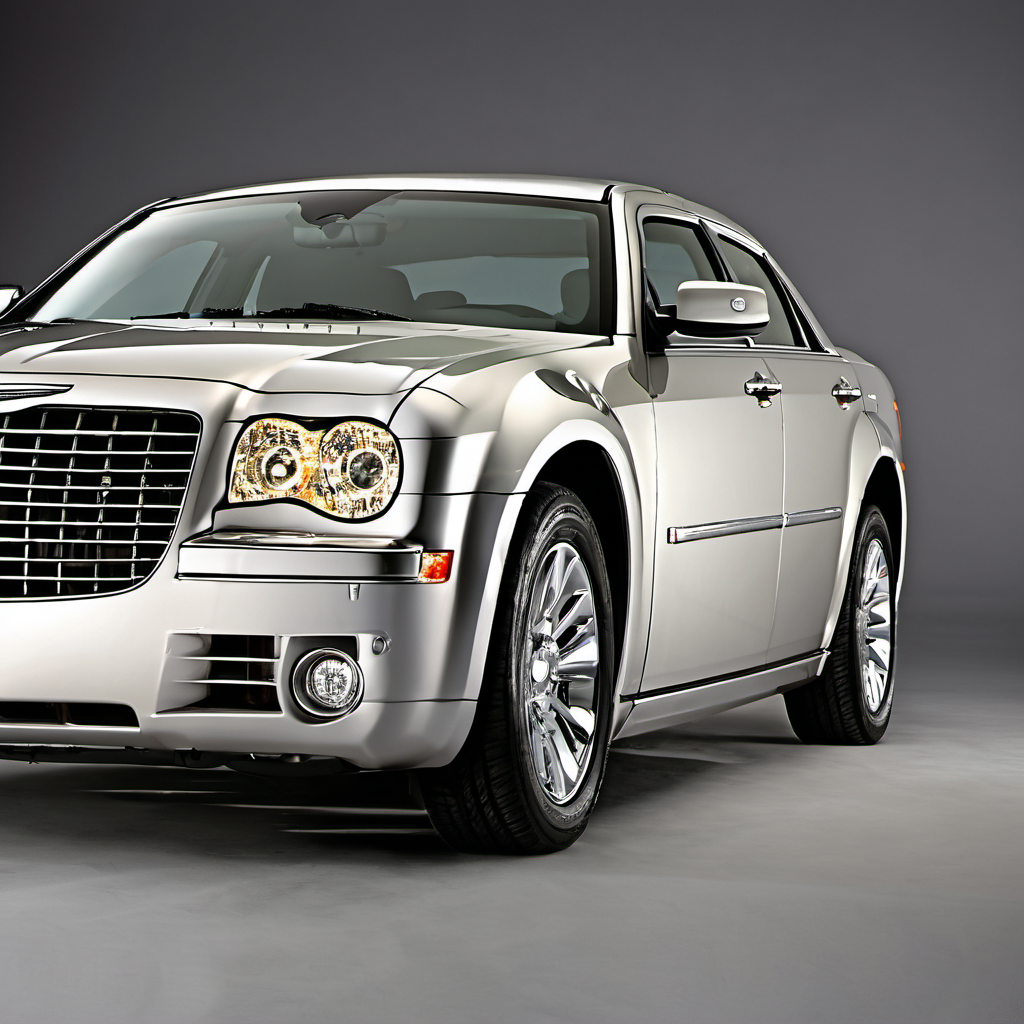
RWD vs. FWD is the key difference, and the 300 brings a more premium feel. More expensive to maintain but a direct competitor in the large sedan segment at similar used prices.