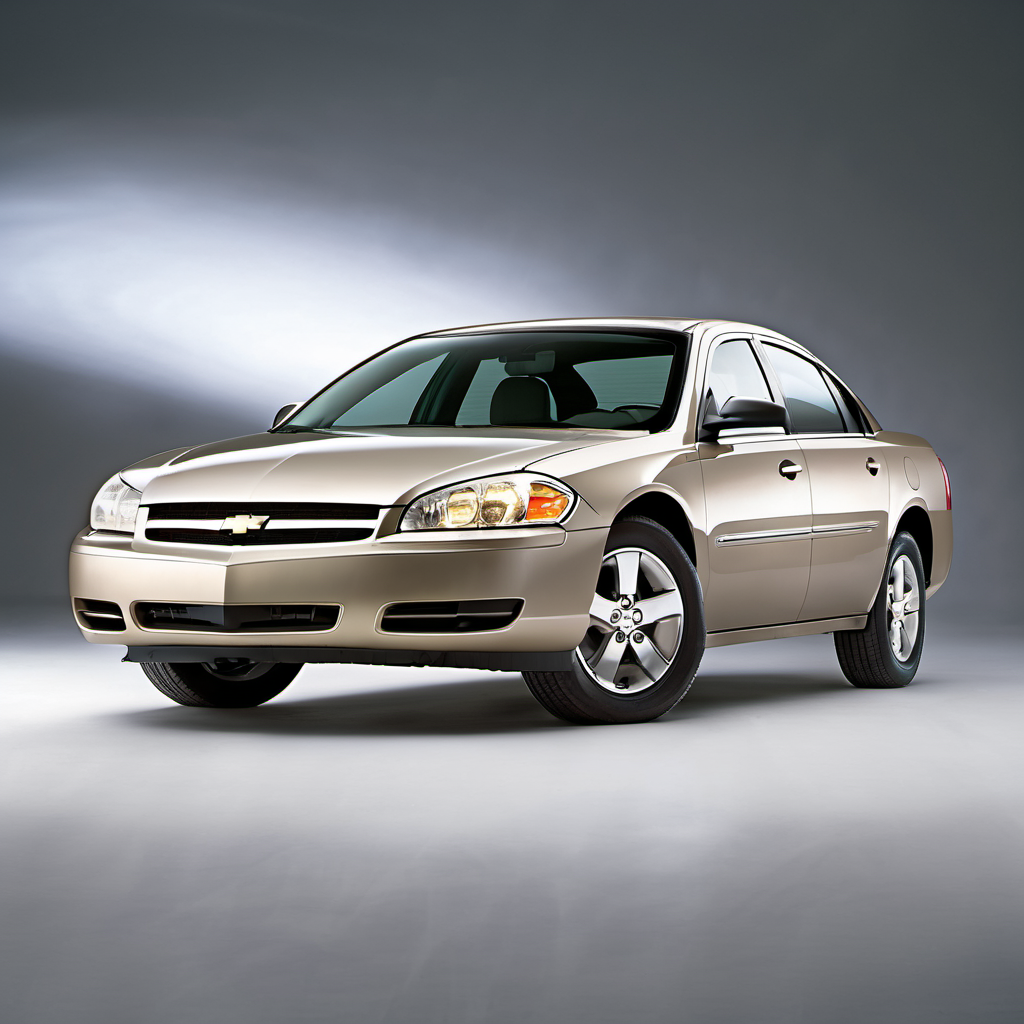
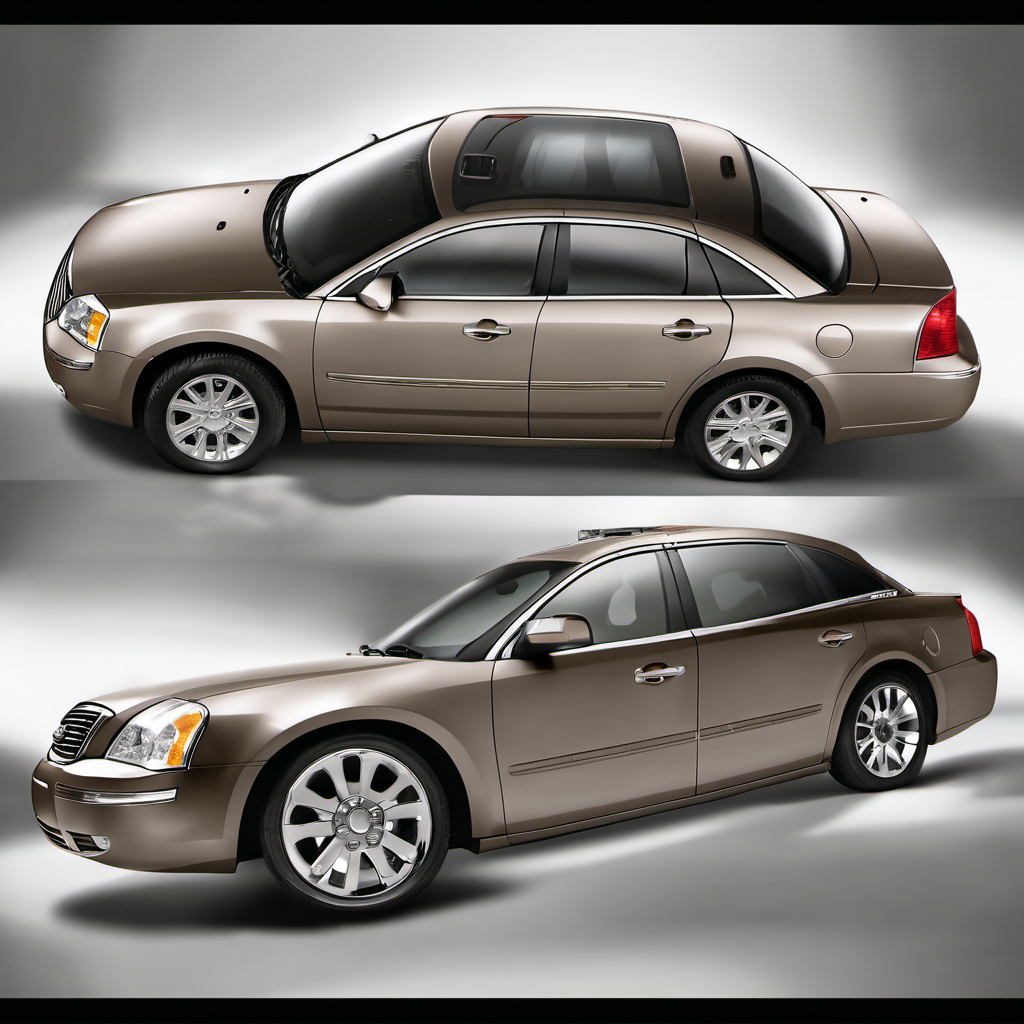
2006 Chevrolet Impala Sedan

2006 Chevrolet

ImpalaSedan

Sedan

The 2006 Chevrolet Impala is a full-size front-wheel-drive sedan built on GM's W-body platform. This generation (2006–2013) was a significant refresh of the platform, bringing a more modern interior, improved safety ratings, and a wider engine lineup. It was one of the best-selling cars in America during its run, favored heavily by rental fleets, police departments, and family buyers who needed a roomy, affordable sedan. With the 3.9L V6, the 2006 Impala delivers adequate power for everyday driving and highway cruising. It's not sporty, but it's comfortable over long distances and offers a genuinely large back seat — a real advantage for families. Fuel economy is decent for a full-size car of its era at around 17 city / 25 highway. Because so many of these were fleet vehicles, condition varies wildly on the used market. A private-owner example with documented service history is worth seeking out. High-mileage fleet survivors are common and can be reliable, but they also tend to have deferred maintenance that shows up quickly after purchase.

Reliability
3/5
Verified data
Specs shown for Impala — the most common configuration. Other trims may vary in engine, drivetrain, or fuel economy. Sign in to see your vehicle's exact specs.
Engine
[object Object]
Drivetrain
FWD
Fuel
Gasoline
MPG
17 city / 25 hwy / 20 combined
Seats
Doors
Body
Large Cars

Overview

AI-curated

The 2006 Chevrolet Impala is a full-size front-wheel-drive sedan built on GM's W-body platform. This generation (2006–2013) was a significant refresh of the platform, bringing a more modern interior, improved safety ratings, and a wider engine lineup. It was one of the best-selling cars in America during its run, favored heavily by rental fleets, police departments, and family buyers who needed a roomy, affordable sedan. With the 3.9L V6, the 2006 Impala delivers adequate power for everyday driving and highway cruising. It's not sporty, but it's comfortable over long distances and offers a genuinely large back seat — a real advantage for families. Fuel economy is decent for a full-size car of its era at around 17 city / 25 highway. Because so many of these were fleet vehicles, condition varies wildly on the used market. A private-owner example with documented service history is worth seeking out. High-mileage fleet survivors are common and can be reliable, but they also tend to have deferred maintenance that shows up quickly after purchase.

Known for
  • Spacious, comfortable interior with a large rear seat
  • Smooth, highway-friendly ride quality
  • Wide availability of affordable parts
  • Strong sales numbers — one of America's top-selling sedans of the era
Best for
  • Budget-conscious families needing a roomy sedan
  • High-mileage highway commuters
  • First-time car buyers looking for a reliable beater
  • Buyers who prioritize interior space over driving dynamics
Watch for
  • Heavy fleet/rental history — many examples have hard lives
  • Intake manifold gasket and coolant system issues on the 3.5L/3.9L V6
  • Passlock security system faults that can strand the vehicle
  • Power steering pump noise and wear on higher-mileage examples
  • Rust on the undercarriage and wheel wells from Wisconsin road salt

Common issues by mileage

6 known

Intake Manifold Gasket Failure / Coolant Leak

high
Typically appears
80–130k mi
Estimated repair
$400 – $750

Passlock / Theft Deterrent System Causing No-Start

high
Typically appears
60–150k mi
Estimated repair
$100 – $350

Power Steering Pump Whine / Failure

medium
Typically appears
90–140k mi
Estimated repair
$250 – $500

Oxygen Sensor Heater Circuit Failure

medium
Typically appears
80–120k mi
Estimated repair
$150 – $350

Maintenance schedule

  1. 1
    Every 5,000 miles or per Oil Life Monitor Engine oil and filter change

    The 3.9L V6 does not tolerate extended oil changes well — sludge buildup accelerates wear on valve train components. Use the GM Oil Life Monitor but never exceed 7,500 miles regardless.

  2. 2
    Every 50,000 miles or 5 years Coolant system inspection and flush

    The 3.9L is prone to intake manifold gasket failure and coolant seepage. Fresh Dex-Cool at the correct concentration helps protect gaskets and prevents the 'chocolate milk' contamination that happens when coolant and oil mix.

  3. 3
    Every 45,000–50,000 miles Transmission fluid change

    GM's 4T65-E automatic is dependable but suffers when fluid is dark and depleted. Many fleet cars never had this done — check color and smell on any used purchase.

  4. 4
    Every 50,000 miles or if whining is noticed Power steering fluid check and flush

    The hydraulic power steering system on this generation is prone to pump wear. Keeping clean fluid reduces pump strain and extends rack-and-pinion life.

  5. 5
    Every 60,000 miles (conventional) or 100,000 miles (AC Delco iridium) Spark plug replacement

    The 3.9L V6 has rear plugs that are moderately difficult to access. Addressing them on schedule prevents the far more expensive job of extracting broken plugs from a cold, corroded engine.

  6. 6
    Every 60,000 miles or annually Serpentine belt and tensioner inspection

    Belt cracking accelerates in Wisconsin winters. A snapped belt on a sub-zero morning stops the alternator, water pump, and power steering simultaneously.

  7. 7
    Every spring after winter season Undercarriage and brake line inspection

    Road salt in Lake Geneva and surrounding areas aggressively attacks brake lines, exhaust hangers, and frame seams on this era of GM product. Early detection of line rust prevents a brake failure or costly emergency repair.

  8. 8
    Every fall before winter season Battery load test

    The 3.9L requires good cranking amps in cold weather. A battery that tests marginal in October will often fail to start the car in January.

Always defer to the manufacturer's service manual for warranty-mandated intervals.

Cost of ownership

Annual maintenance
$500 – $1,100
Fuel
At 20 MPG combined and ~15,000 miles/year, expect roughly $1,800–$2,200/year in fuel at current Midwest prices.
Insurance
Typically low — full-size sedan with no sports designation. Expect $900–$1,400/year for full coverage on a car of this age and value.

The Impala is one of the cheaper full-size sedans to maintain when it's healthy. Parts are plentiful and cheap, and most independent shops know this platform well. The risk is deferred maintenance from prior fleet use — a coolant system job or transmission service on a neglected car can spike your first-year costs to $1,500–$2,500. Budget accordingly on a used purchase.
Seasonal care

Lake Geneva, WI
Winter
  • Load-test the battery every October — the 3.9L draws serious cranking amps below 0°F and a weak battery won't make it through a Lake Geneva winter.
  • Switch to a 5W-30 full synthetic if not already used; it flows faster on cold starts and reduces wear during the critical first seconds of a sub-zero start.
  • Fill the washer fluid reservoir with a rated -20°F or colder formula — standard fluid will freeze in the lines and leave you blind on salted roads.
  • Inspect brake lines and wheel well areas for rust each fall; road brine accelerates perforation on steel lines, and a rusted-through line is a brake failure waiting to happen.
  • Keep the fuel tank at least half full to reduce moisture condensation inside the tank and ensure the fuel pump stays submerged and cool.
  • Check tire pressure weekly — for every 10°F drop in temperature, tires lose roughly 1 PSI, and underinflated tires on winter roads reduce traction significantly.
Summer
  • Check A/C refrigerant charge and cabin air filter before hot weather — the evaporator on this generation can underperform if the system is even slightly low on refrigerant.
  • Inspect coolant concentration with a tester strip or refractometer; a 50/50 Dex-Cool mix protects to around -34°F and up to 265°F, both of which matter in Wisconsin's seasonal extremes.
  • Check tire pressure after any rapid temperature swing — tires inflated in cold weather will be overinflated once summer heat arrives.
  • Inspect the serpentine belt for cracking and glazing; heat soak in a hot parking lot accelerates belt aging on this era of engine.
  • Clean out the drain channels in the trunk and door sills — debris buildup traps moisture and accelerates the floor pan rust that's already a risk on upper-Midwest cars.

Comparable vehicles

If you're shopping for one

Red flags
  • Any sign of coolant in the oil or oil in the coolant — gasket repair on a neglected engine is rarely a permanent fix.
  • Passlock warning light on the dash or a history of no-start complaints from the seller.
  • Transmission that slips, flares between gears, or clunks into drive — the 4T65-E is rebuildable but a full rebuild runs $1,500–$2,500.
  • More than 2 previous owners or clear evidence of fleet/rental use with no service records.
  • Rust perforation on brake lines, fuel lines, or the subframe — these are safety issues and often cost more to fix than the car is worth.
What to inspect
  • Pull the coolant cap cold and look for oil sheen or tan sludge — a sign of intake gasket failure or worse.
  • Check transmission fluid color on the dipstick; dark brown or burnt-smelling fluid means a service is overdue and possible internal wear.
  • Start the engine cold and listen for power steering pump whine — it's loudest when the fluid is cold and the pump is worn.
  • Ask for the CarFax or AutoCheck and look for rental or fleet codes (J, U, X title brands or rental company ownership).
  • Scan for stored and pending DTCs before purchase — codes in the U (network) and B (body) range can indicate expensive module issues.
  • Check all four door sills, the trunk floor, and the rear wheel wells for active rust or bondo repairs — salt damage is endemic on Wisconsin-registered cars of this age.
AI profile generated 1 hr ago · claude-sonnet-4-6 · v2.