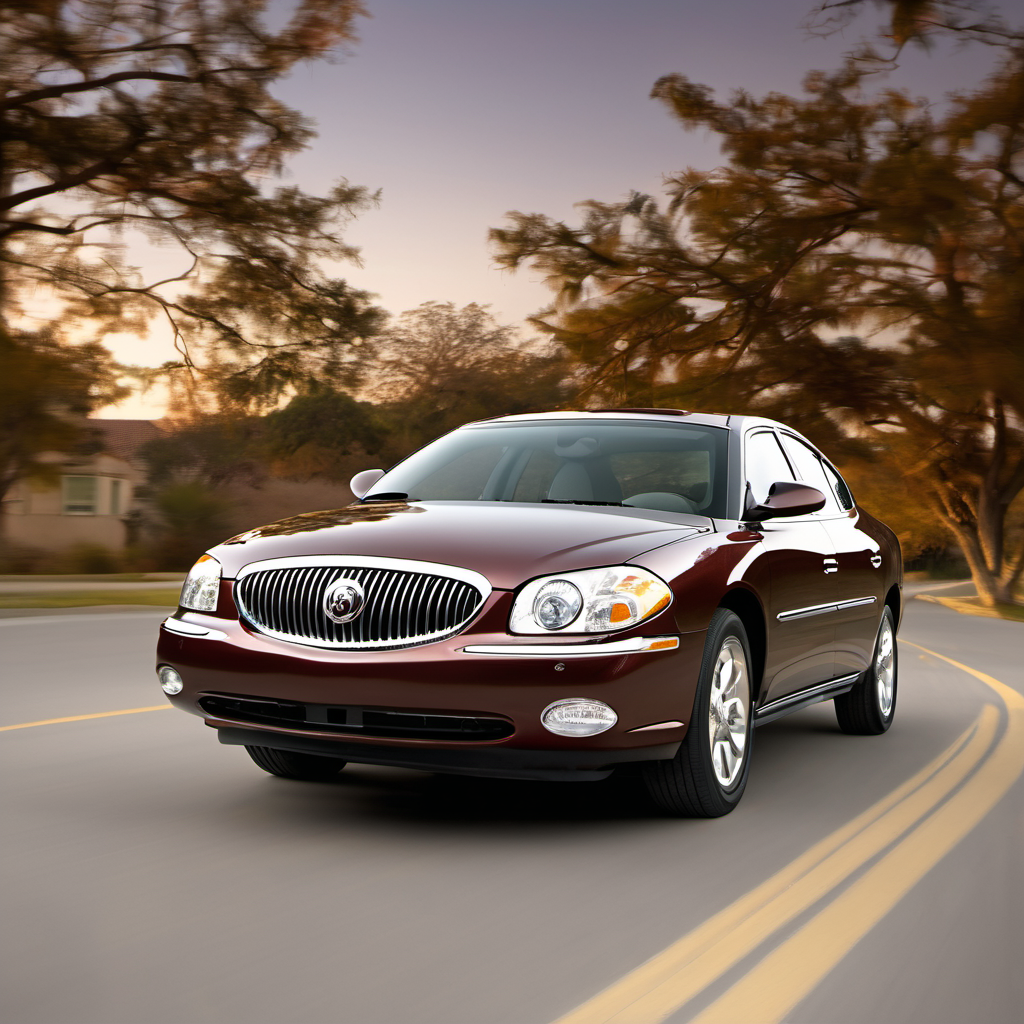
2006 Ford Five Hundred Sedan

2006 Ford

Five HundredSedan

Sedan

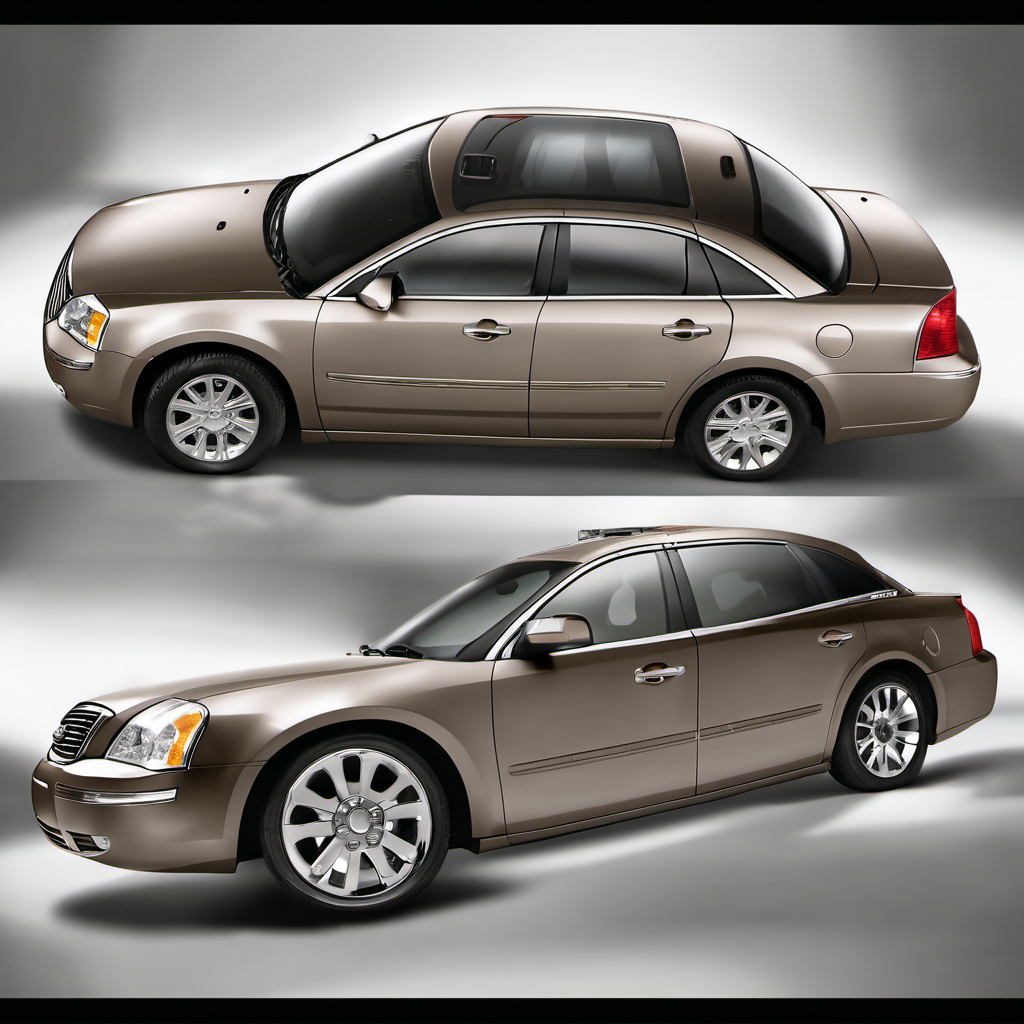
The 2006 Ford Five Hundred is a full-size front- or all-wheel-drive sedan that Ford positioned as a roomier, safer alternative to the Taurus. Built on the Volvo-derived D3 platform, it offered genuinely adult rear-seat space and a low, wide stance that made it easy to get in and out of. The 3.0L Duratec V6 is a known quantity — unspectacular but durable when maintained — and the optional AWD system (supplied here) was a real differentiator in Midwest winters. The Five Hundred had a short run (2005–2007) before Ford rebadged it as the Taurus in 2008, which says more about Ford's marketing than the car's engineering. In 2006 trim it was already a reasonably refined, safe family hauler, though it never earned the enthusiast following it deserved. At this age these cars are deep into their depreciation curve, making them cheap to buy but potentially expensive to keep up if deferred maintenance has piled up. The CVT transmission (available on FWD models) was a known weak point, but AWD models pair with a conventional 6-speed automatic, which is far more robust. Focus your pre-purchase inspection on the transmission, AWD system, and underbody rust — this is Wisconsin, after all.

Reliability
3/5
Verified data
Specs shown for Five Hundred AWD — the most common configuration. Other trims may vary in engine, drivetrain, or fuel economy. Sign in to see your vehicle's exact specs.
Engine
[object Object]
Drivetrain
AWD
Fuel
Gasoline
MPG
17 city / 23 hwy / 19 combined
Seats
Doors
Body
Large Cars

Overview

AI-curated

The 2006 Ford Five Hundred is a full-size front- or all-wheel-drive sedan that Ford positioned as a roomier, safer alternative to the Taurus. Built on the Volvo-derived D3 platform, it offered genuinely adult rear-seat space and a low, wide stance that made it easy to get in and out of. The 3.0L Duratec V6 is a known quantity — unspectacular but durable when maintained — and the optional AWD system (supplied here) was a real differentiator in Midwest winters. The Five Hundred had a short run (2005–2007) before Ford rebadged it as the Taurus in 2008, which says more about Ford's marketing than the car's engineering. In 2006 trim it was already a reasonably refined, safe family hauler, though it never earned the enthusiast following it deserved. At this age these cars are deep into their depreciation curve, making them cheap to buy but potentially expensive to keep up if deferred maintenance has piled up. The CVT transmission (available on FWD models) was a known weak point, but AWD models pair with a conventional 6-speed automatic, which is far more robust. Focus your pre-purchase inspection on the transmission, AWD system, and underbody rust — this is Wisconsin, after all.

Known for
  • Volvo-platform-derived build quality and safety structure
  • Cavernous rear-seat and trunk room for a sedan
  • Refined, low-drama 3.0L Duratec V6
  • AWD option that genuinely helps in snow
  • Good NHTSA and IIHS safety scores for its era
Best for
  • Families needing max passenger room in a sedan
  • Midwest buyers who want AWD without an SUV
  • High-mileage commuters on a tight budget
  • Drivers who prioritize comfort and safety over performance
Watch for
  • CVT transmission failures on FWD trims (not applicable to this AWD example)
  • Underbody and subframe rust common in salt-belt states
  • Throttle body carbon buildup causing rough idle
  • Worn AWD rear differential seals leading to fluid loss
  • Age-related electrical gremlins (window regulators, HVAC blend doors)

Common issues by mileage

6 known

Throttle Body Carbon Buildup / Rough Idle

high
Typically appears
80–150k mi
Estimated repair
$80 – $200

Oxygen Sensor / Heater Circuit Failure

medium
Typically appears
80–130k mi
Estimated repair
$120 – $300

Rear AWD Differential Seal Leak

medium
Typically appears
100–180k mi
Estimated repair
$200 – $500

Front Struts and Suspension Bushings Worn Out

high
Typically appears
100k+ mi
Estimated repair
$400 – $900

HVAC Blend Door Actuator Failure (no heat/AC control)

medium
Typically appears
80k+ mi
Estimated repair
$150 – $350

Maintenance schedule

  1. 1
    Every 5,000 mi or 6 months Engine oil and filter change

    The Duratec 3.0L is oil-sensitive. The VCT (variable cam timing) system relies on clean, properly pressurized oil — dirty oil is the #1 cause of camshaft timing codes on this engine.

  2. 2
    Every 30,000 mi or if any leak is found AWD rear differential fluid change

    The rear Haldex-style unit is often neglected. Low or contaminated fluid accelerates wear and is a common cause of AWD shudder or failure in older Five Hundreds.

  3. 3
    Every 60,000 mi or 5 years Coolant flush and fill

    At this vehicle's age the coolant is likely well overdue. Degraded coolant corrodes the water pump and aluminum heads, and cold-weather starts accelerate the damage.

  4. 4
    Every 60,000 mi Spark plugs and ignition coils

    Worn plugs cause misfires, rough idle, and can trigger cam timing codes. On this V6 with individual coil-on-plug, replace all six plugs together.

  5. 5
    Every 40,000–50,000 mi or at rough idle symptoms Throttle body cleaning

    Carbon buildup is routine on the Duratec V6. A simple cleaning restores idle quality and throttle response without parts replacement.

  6. 6
    Every 2–3 years Brake fluid flush

    Brake fluid absorbs moisture over time, lowering its boiling point. In Wisconsin winters, moisture also accelerates internal caliper and ABS modulator corrosion.

  7. 7
    Every winter season (before and after) Undercarriage wash and inspection

    Salt-belt rust is this car's biggest long-term threat. Check brake lines, fuel lines, subframe mounting points, and exhaust hangers. Catching surface rust early is cheap; replacing a rusted brake line or subframe is not.

  8. 8
    Every fall, or if battery is 4+ years old Battery load test

    A marginal battery that starts fine at 60°F will fail at 0°F. Wisconsin winters demand a healthy battery; test it before the cold arrives.

Always defer to the manufacturer's service manual for warranty-mandated intervals.

Cost of ownership

Annual maintenance
$600 – $1,400
Fuel
At 19 MPG combined and typical local driving, expect roughly $1,800–$2,400/year at current Wisconsin gas prices, depending on mileage.
Insurance
Full coverage on an 18-year-old sedan typically runs $900–$1,400/year in the Lake Geneva area depending on driver profile. At this value level, many owners drop to liability-only.

The Five Hundred is an inexpensive car to buy but it's aging into the phase where deferred maintenance catches up. Budget $600–$900/year for routine upkeep in good years, but keep $1,000–$1,400 in reserve for the suspension, AWD drivetrain service, and age-related repairs that a car this old will need. Parts are still widely available and reasonably priced — this platform shares a lot with the Fusion and Freestyle.
Seasonal care

Lake Geneva, WI
Winter
  • Test the battery every fall — this AWD system draws more current than a FWD car, and cold-cranking a 3.0L V6 in sub-zero temps with a weak battery is a losing proposition.
  • Switch to a full-synthetic 5W-30 if not already — it flows faster on cold starts and protects the VCT solenoids until oil pressure builds.
  • Flush washer fluid and fill with a rated -20°F or colder formula; the washer system freezes in lines and can crack the reservoir if it isn't rated for Wisconsin temps.
  • Inspect and replace wiper blades with winter-specific blades before the first freeze — worn blades streak and reduce visibility dangerously.
  • Wash the undercarriage every 2–3 weeks during salting season; pay extra attention to the rear differential housing, brake lines, and exhaust mounting points.
  • Keep the fuel tank above 1/4 at all times — it reduces condensation in the tank and keeps the fuel pump cooler; also prevents you from being stranded if you get stuck.
Summer
  • Check tire pressure monthly — tires naturally gain 1–2 PSI for every 10°F rise in temperature, and the stock tire size on this sedan can run dangerously overinflated in July heat.
  • Inspect the A/C system for proper cooling; the Duratec V6 runs warm in traffic and a failing A/C compressor clutch or low refrigerant will make summer commuting miserable.
  • Check coolant level and condition — heat soak after highway driving stresses any coolant that's approaching its service limit, and a low level on this aluminum-head V6 can cause overheating quickly.
  • Inspect the serpentine belt and tensioner; heat accelerates rubber belt degradation and a failed belt kills the alternator, power steering, and cooling in one shot.

Comparable vehicles

If you're shopping for one

Red flags
  • Any active check engine light — scan it before buying, not after. Cam timing codes (P0012, P0015, P0022, P0025) on a high-mileage example can mean oil sludge damage that cleaning alone won't fix.
  • Rust perforation on the subframe or brake lines — walk away. Repair costs exceed the car's value.
  • Transmission shudder, slipping, or delayed engagement — the 6-speed automatic on this AWD car is not cheap to rebuild.
  • AWD system warning light or rear-end shudder in turns — differential service is affordable, but a damaged rear diff unit is not.
  • Evidence of coolant leaks around the water pump or intake manifold gaskets — common at high mileage and a sign the cooling system hasn't been maintained.
  • Any sign of flood damage: musty smell, water stains under carpet, corrosion on underdash connectors — this car's electrical system is already aging.
What to inspect
  • Transmission: drive it for at least 20 minutes, including highway speeds. The 6-speed automatic should shift smoothly with no slipping, flaring, or clunking. Any hesitation or shudder warrants a fluid check and further diagnosis.
  • AWD system: on a loose or gravel surface, or during a tight low-speed turn, feel for any shudder or binding from the rear — this is the first sign of rear differential trouble.
  • Undercarriage: put it on a lift. Look at brake lines, fuel lines, subframe bolts, and the rear differential housing for rust scale, leaks, or perforation.
  • Engine oil: pull the dipstick and look for milky or sludgy oil. Check the oil fill cap for white mayo-like residue, which signals a head gasket leak.
  • Throttle body and intake: if the idle is rough or surging at warm idle, budget for a throttle body cleaning at minimum.
  • HVAC: test heat and A/C on all zones and blend settings. Blend door actuator failures are common and annoying, though usually not dangerous.
AI profile generated 1 hr ago · claude-sonnet-4-6 · v2.