Timing chain stretch / camshaft position faults (3.5L V6)
medium- Typically appears
- 80–140k mi
- Estimated repair
- $600 – $1,400
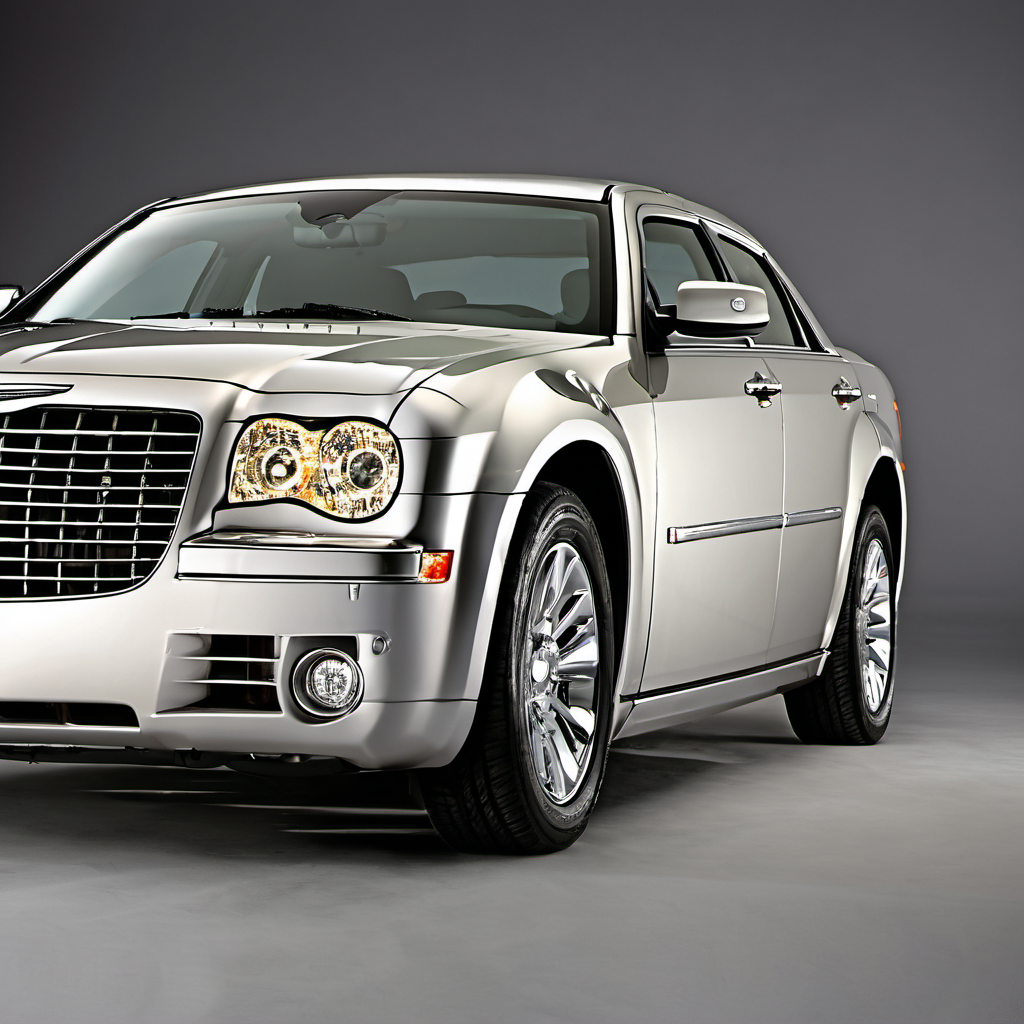
2006 Chrysler
Sedan
The 2006 Chrysler 300 is a full-size rear-wheel-drive (or available AWD) sedan that made a splash when it debuted in 2005 by bringing bold, upright styling and a surprisingly driver-focused platform to the American market. Built on a platform shared with the Mercedes-Benz E-Class (from Chrysler's Daimler partnership era), it offered a level of chassis sophistication uncommon for domestic sedans of its price. The AWD variant pairs the 3.5L V6 with a full-time all-wheel-drive system, making it a reasonable year-round choice in cold-weather climates. By 2006, the 300 had already earned a reputation as a comfortable highway cruiser with strong curb appeal. The interior quality was a step above typical Chrysler fare of the era, though fit and finish still lagged behind European and Japanese competitors. Fuel economy with AWD is notably poor by modern standards — expect real-world numbers close to the EPA ratings, which aren't impressive. Now pushing nearly 20 years old, a used 2006 300 AWD requires careful inspection. The good news is that these cars are fairly simple to work on and parts are widely available and affordable. The bad news is that rust, worn suspension components, and deferred maintenance are common on high-mileage examples in the upper Midwest.
The 2006 Chrysler 300 is a full-size rear-wheel-drive (or available AWD) sedan that made a splash when it debuted in 2005 by bringing bold, upright styling and a surprisingly driver-focused platform to the American market. Built on a platform shared with the Mercedes-Benz E-Class (from Chrysler's Daimler partnership era), it offered a level of chassis sophistication uncommon for domestic sedans of its price. The AWD variant pairs the 3.5L V6 with a full-time all-wheel-drive system, making it a reasonable year-round choice in cold-weather climates. By 2006, the 300 had already earned a reputation as a comfortable highway cruiser with strong curb appeal. The interior quality was a step above typical Chrysler fare of the era, though fit and finish still lagged behind European and Japanese competitors. Fuel economy with AWD is notably poor by modern standards — expect real-world numbers close to the EPA ratings, which aren't impressive. Now pushing nearly 20 years old, a used 2006 300 AWD requires careful inspection. The good news is that these cars are fairly simple to work on and parts are widely available and affordable. The bad news is that rust, worn suspension components, and deferred maintenance are common on high-mileage examples in the upper Midwest.
The 3.5L V6's timing chain and VVT solenoids are oil-pressure dependent. Dirty or low oil is the #1 cause of early timing chain stretch and solenoid failure.
Chrysler's 5-speed automatic is reliable when fluid is fresh but degrades quickly with burned fluid. Most used examples have never had this done — treat it as overdue.
These are almost always neglected on used AWD 300s. Contaminated fluid leads to transfer case wear and differential failure — both expensive repairs.
Degraded coolant corrodes the aluminum components in the 3.5L's cooling system. Overheating is a serious risk on neglected examples.
Worn plugs on the 3.5L cause rough idle, poor fuel economy, and can trigger misfires that stress the catalytic converters.
Brake fluid is hygroscopic — absorbed moisture lowers boiling point and accelerates internal corrosion in the ABS modulator, which is expensive to replace.
Wisconsin road salt aggressively attacks the 300's exposed brake lines, fuel lines, and suspension hardware. Annual inspection catches problems before they become failures.
The 3.5L AWD draws significant current on cold starts. A weak battery that passes a simple voltage test can still fail at -10°F — leave yourself stranded.
Always defer to the manufacturer's service manual for warranty-mandated intervals.
The 2006 300 AWD is inexpensive to buy used but carries moderate-to-high ongoing costs for a nearly 20-year-old vehicle. Budget for at least one significant repair per year on a high-mileage example. Parts are cheap and independent shops know this platform well, which keeps labor costs reasonable compared to European alternatives in its class.
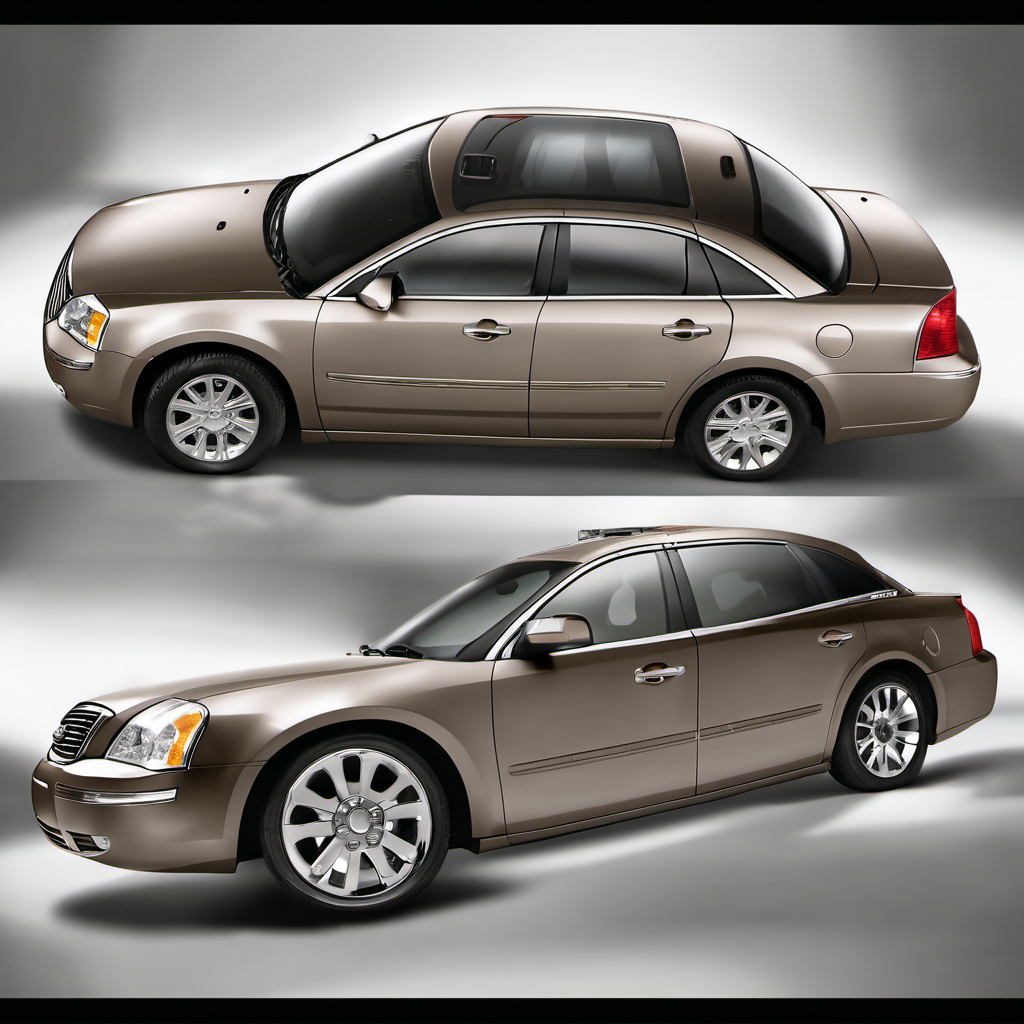
Same full-size sedan segment, similar AWD availability, similar price range used. More conservative styling but better interior quality in some trims.
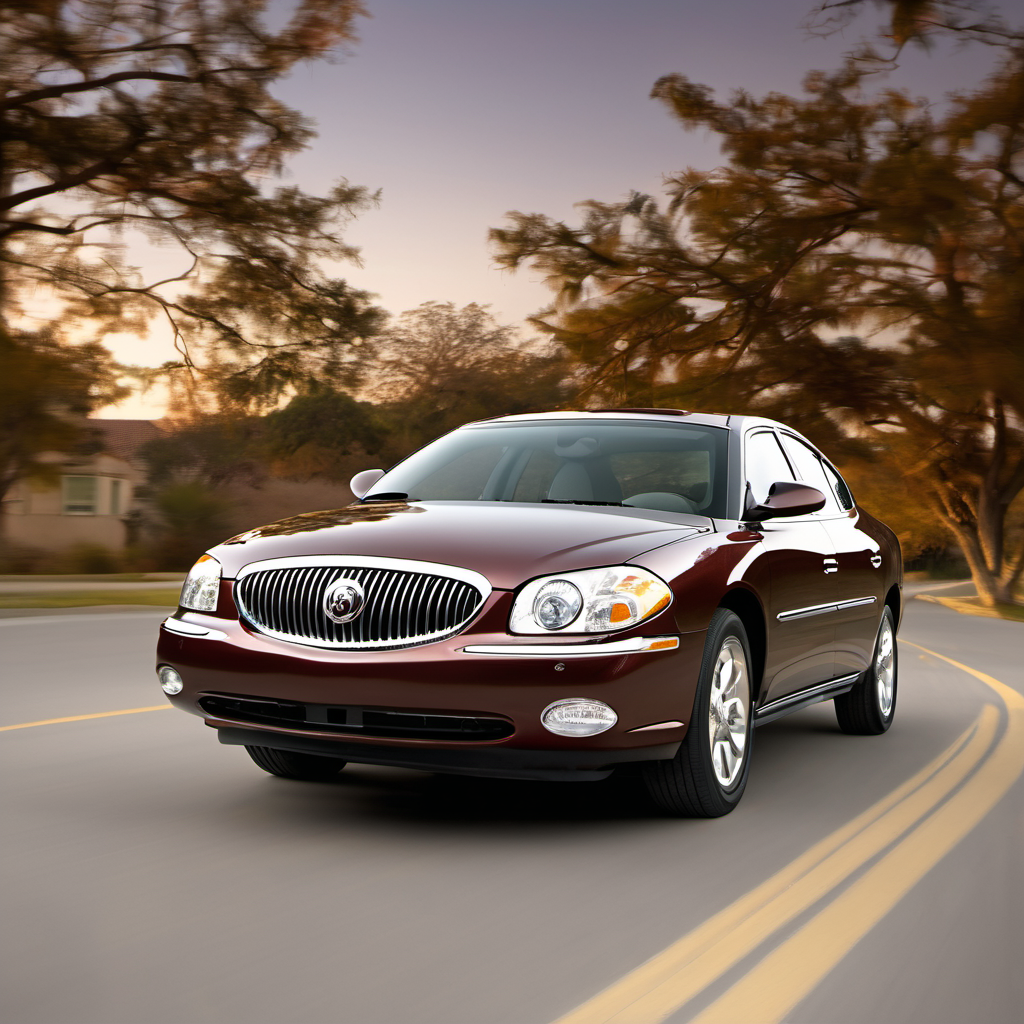
Full-size American sedan with a comparable V6, similar comfort focus, and strong resale support. FWD only but generally more reliable electronics.
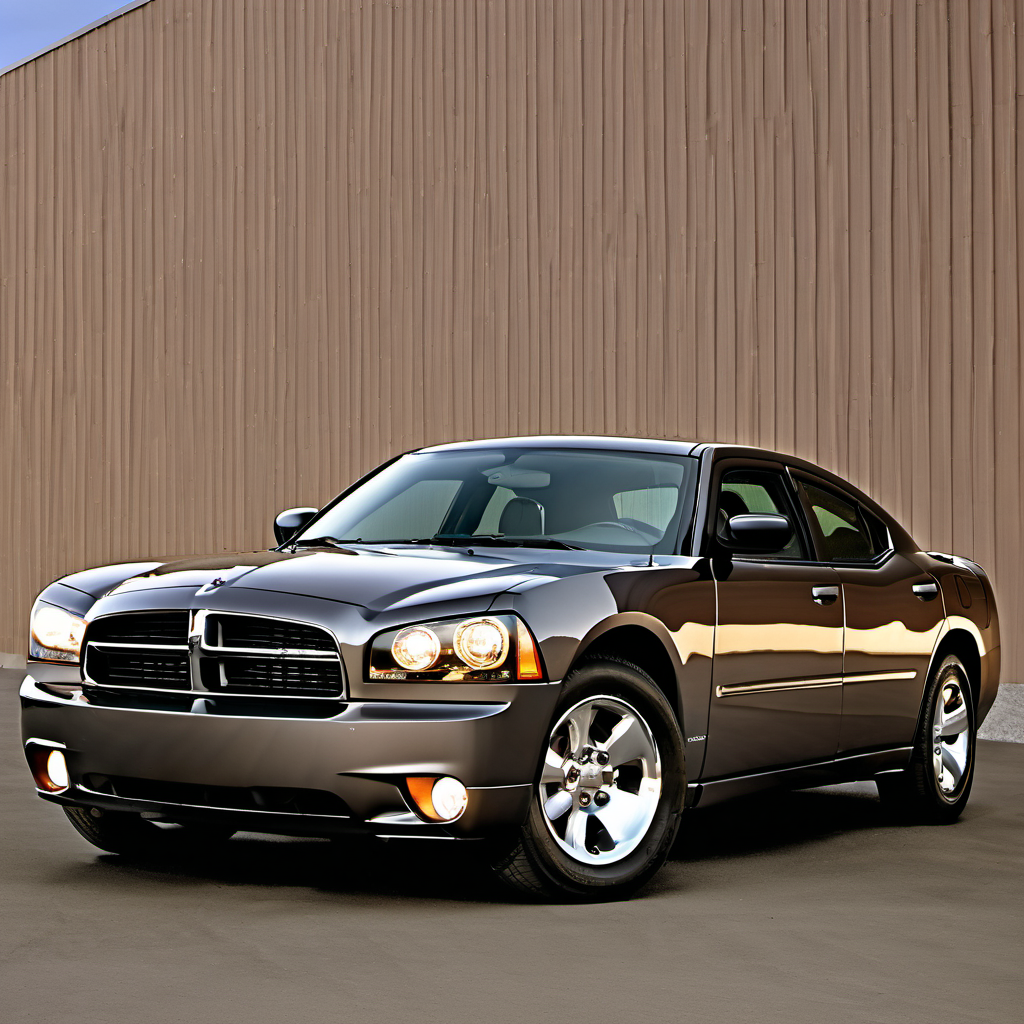
Shares the LX platform with the 300 — nearly identical mechanically. If you need more cargo flexibility or slightly different styling, the Charger is a direct platform twin.
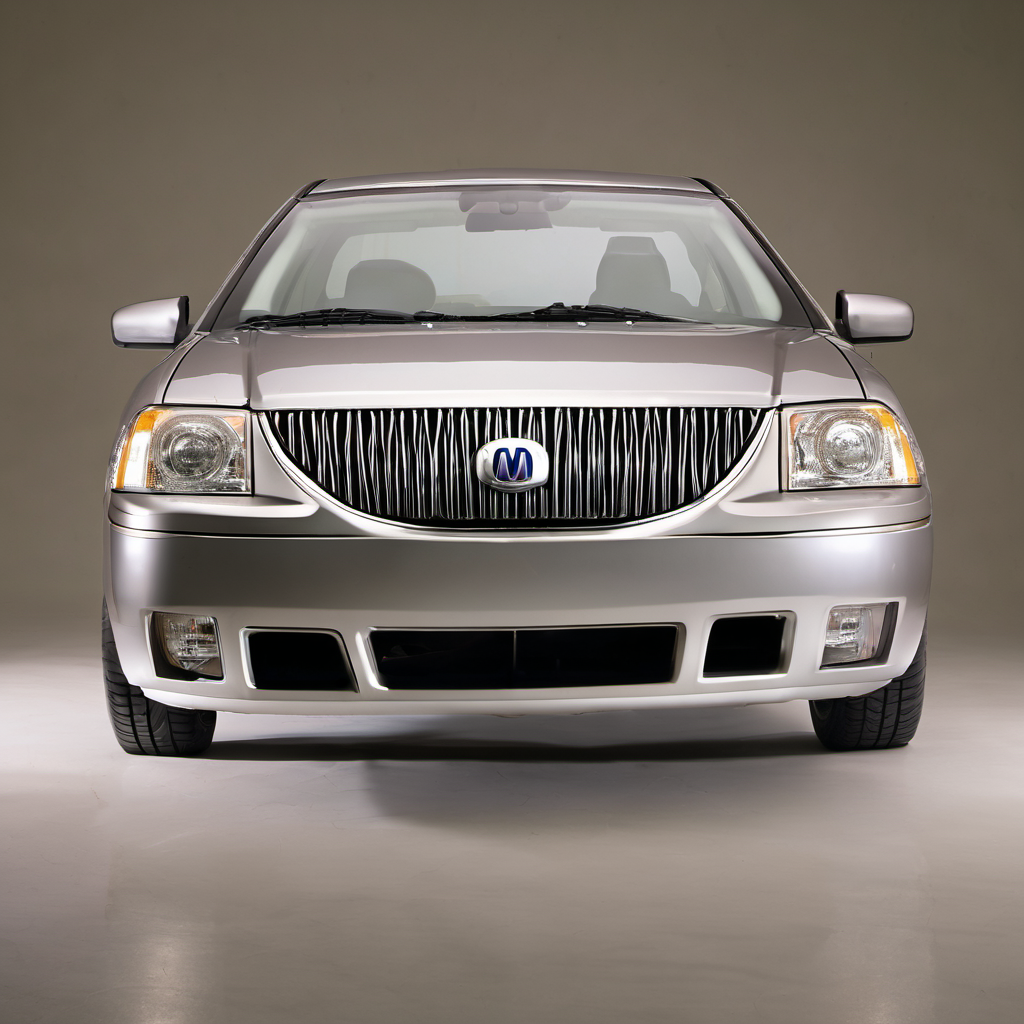
Shares the Ford Five Hundred platform with AWD; similarly priced used, quieter highway ride, though less visual presence than the 300.