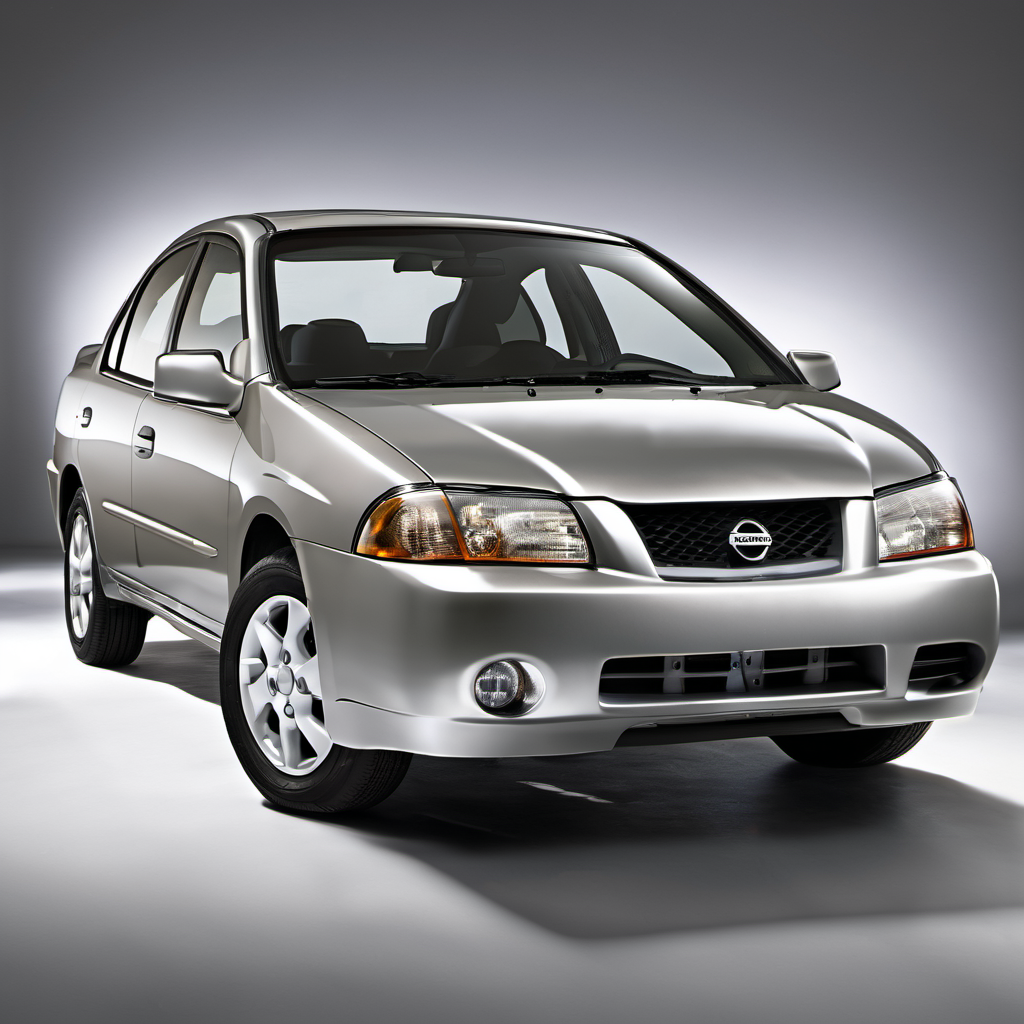
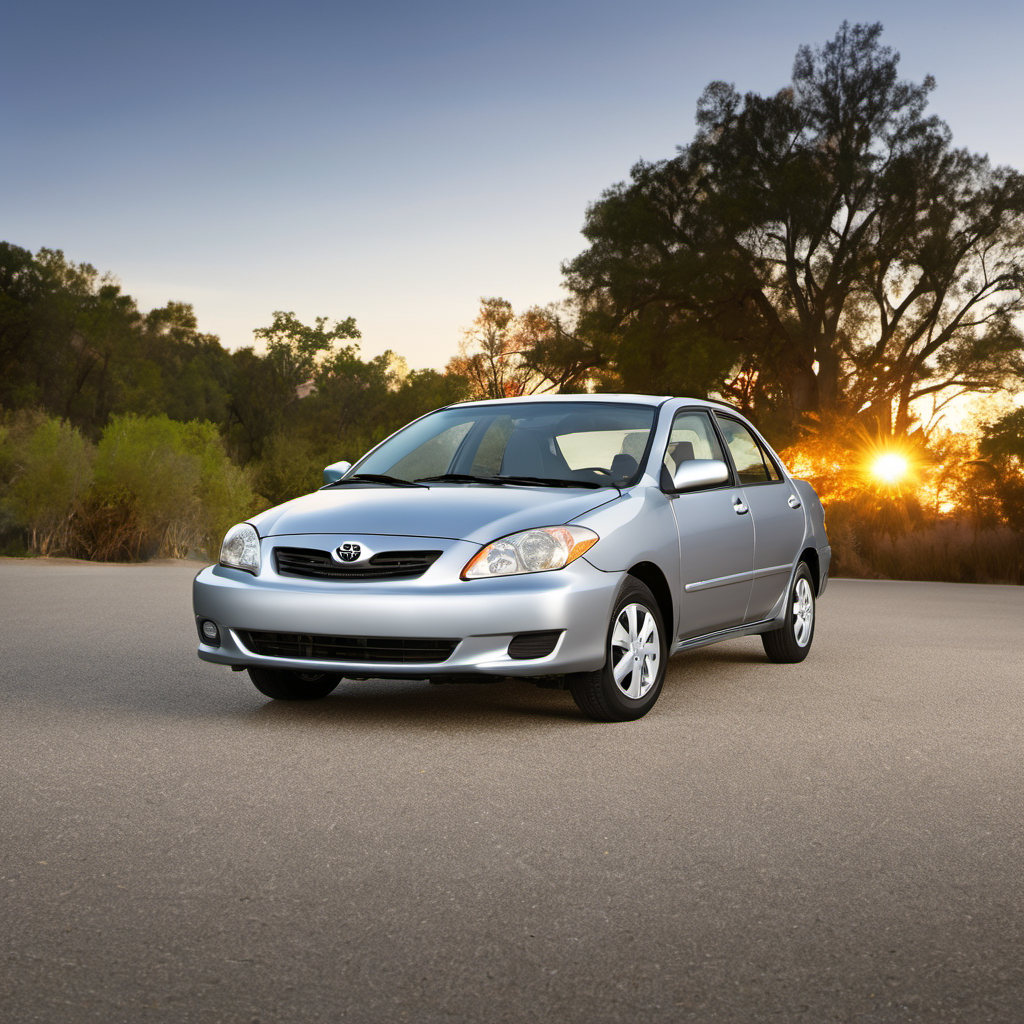
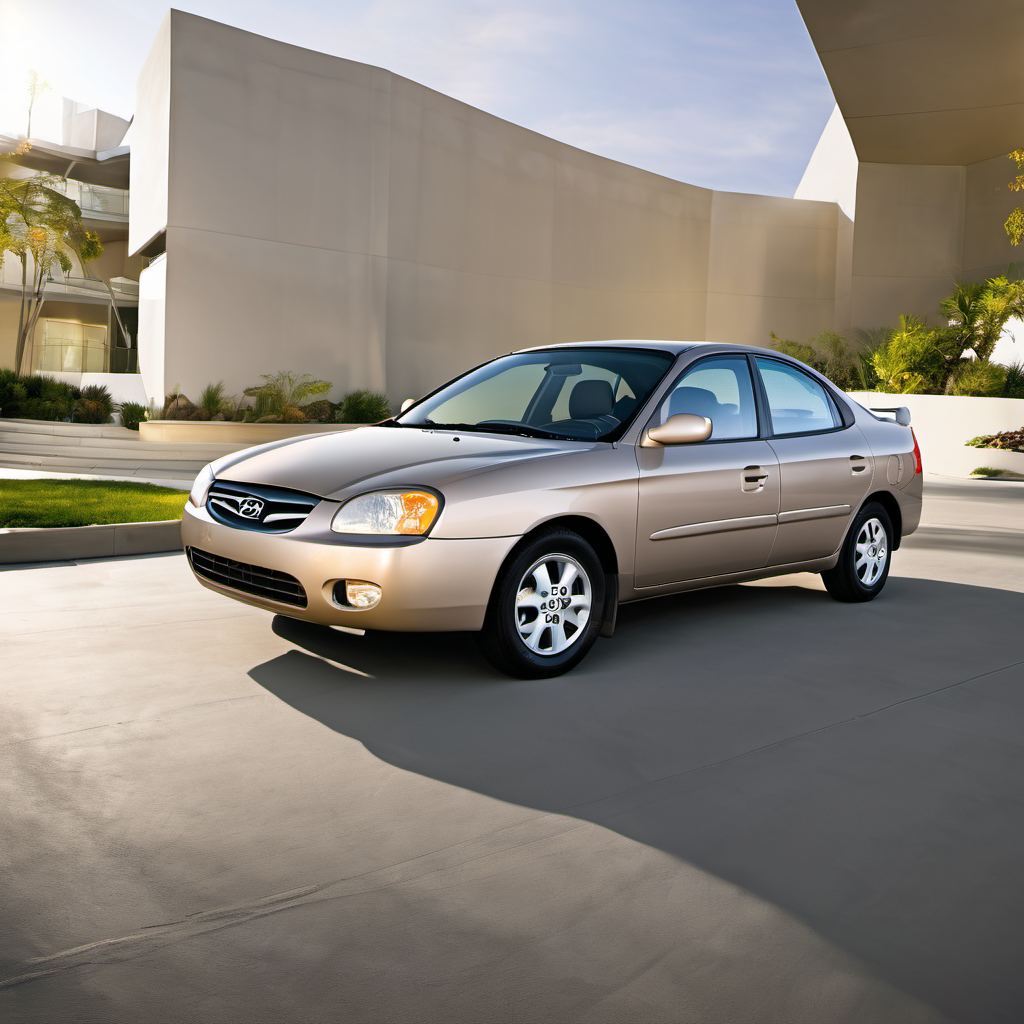
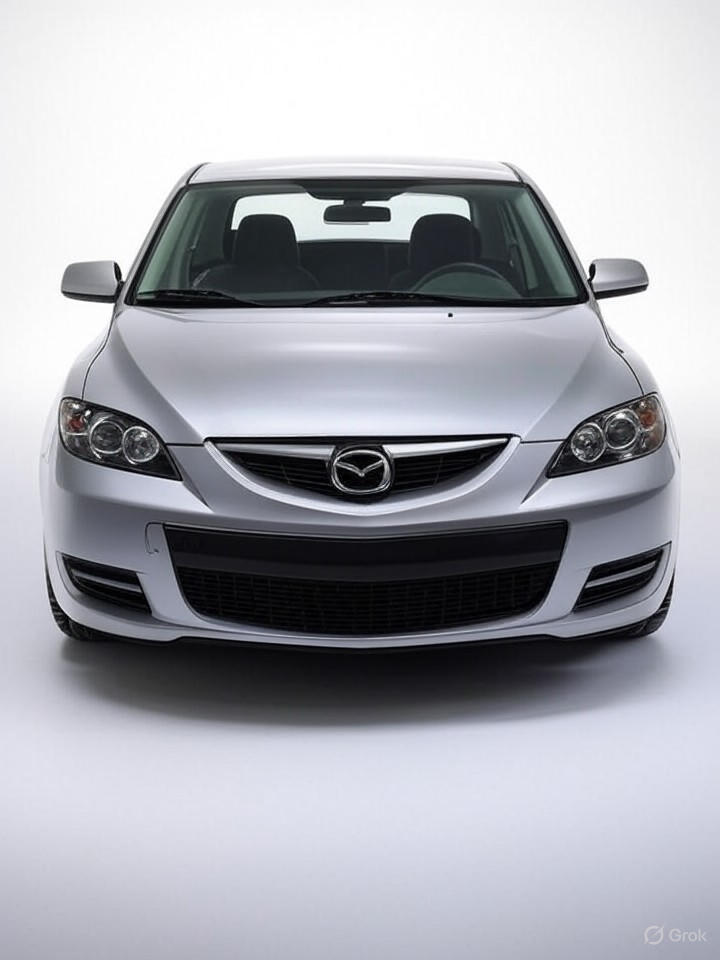
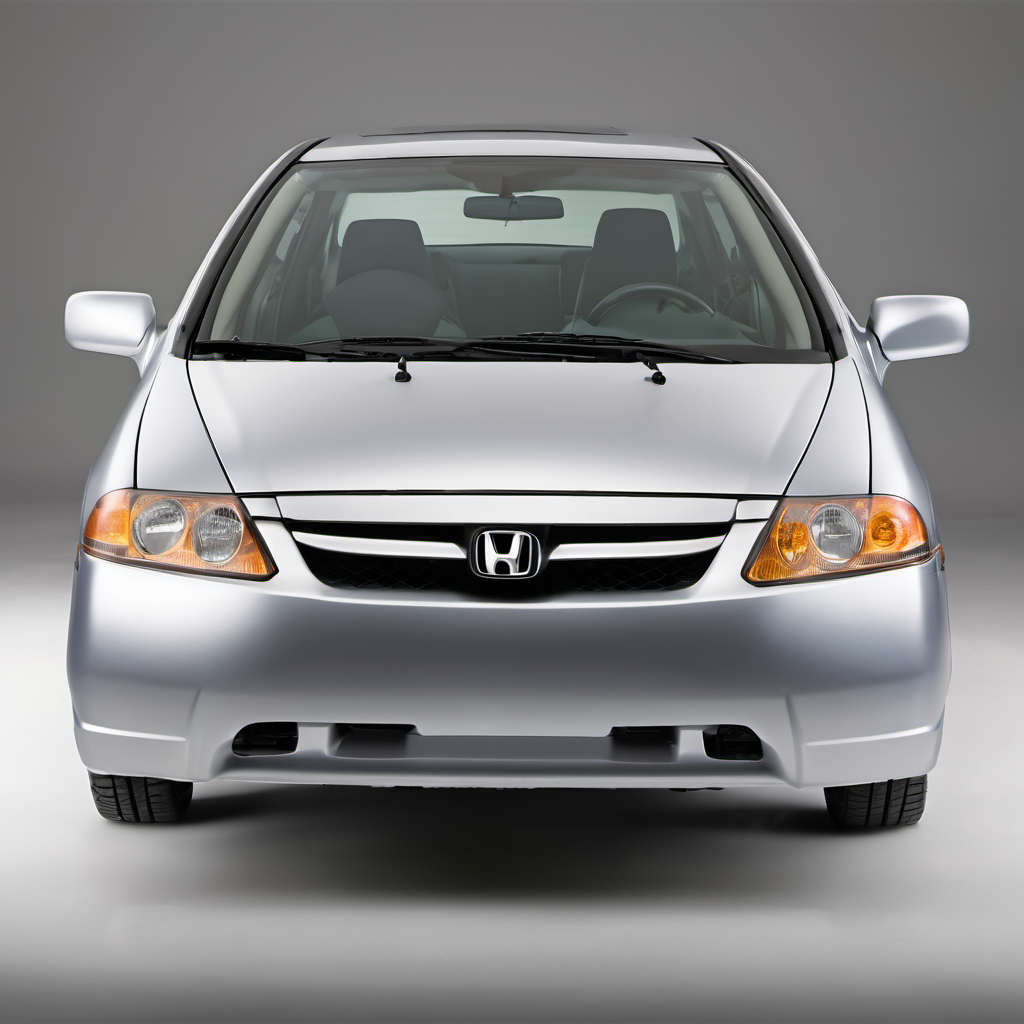
2006 Nissan Sentra Sedan

2006 Nissan

SentraSedan

Sedan

The 2006 Nissan Sentra is a compact front-wheel-drive sedan from the B15 generation (2000–2006), Nissan's final year of this body style before the complete B16 redesign arrived for 2007. It was marketed as a practical, affordable commuter with a reputation for straightforward mechanicals and decent fuel economy from its 1.8L four-cylinder. At nearly 20 years old, surviving examples are well into high-mileage territory, and most of what you'll encounter are basic daily drivers that have seen varying levels of maintenance. The B15 Sentra was never a performance standout, but it earned a following for being cheap to fix, easy on gas, and generally reliable when given routine care. The QG18DE engine under the hood is a simple, proven unit without variable valve timing or a turbocharger — less complexity means fewer expensive failure points. At this age, the biggest concerns are rust (a genuine issue in Wisconsin salt country), worn suspension consumables, and deferred maintenance on aging fuel, cooling, and ignition systems. A well-kept example can still serve as a dependable city and highway commuter, but a neglected one carries real risk of expensive catch-up repairs.

Reliability
3/5
Verified data
Specs shown for Sentra — the most common configuration. Other trims may vary in engine, drivetrain, or fuel economy. Sign in to see your vehicle's exact specs.
Engine
[object Object]
Drivetrain
FWD
Fuel
Gasoline
MPG
24 city / 31 hwy / 27 combined
Seats
Doors
Body
Compact Cars

Overview

AI-curated

The 2006 Nissan Sentra is a compact front-wheel-drive sedan from the B15 generation (2000–2006), Nissan's final year of this body style before the complete B16 redesign arrived for 2007. It was marketed as a practical, affordable commuter with a reputation for straightforward mechanicals and decent fuel economy from its 1.8L four-cylinder. At nearly 20 years old, surviving examples are well into high-mileage territory, and most of what you'll encounter are basic daily drivers that have seen varying levels of maintenance. The B15 Sentra was never a performance standout, but it earned a following for being cheap to fix, easy on gas, and generally reliable when given routine care. The QG18DE engine under the hood is a simple, proven unit without variable valve timing or a turbocharger — less complexity means fewer expensive failure points. At this age, the biggest concerns are rust (a genuine issue in Wisconsin salt country), worn suspension consumables, and deferred maintenance on aging fuel, cooling, and ignition systems. A well-kept example can still serve as a dependable city and highway commuter, but a neglected one carries real risk of expensive catch-up repairs.

Known for
  • Simple, low-tech 1.8L QG18DE engine that is easy to service
  • Good fuel economy for a 2006-era compact
  • Low parts and labor costs at independent shops
  • Tight interior but nimble city handling
  • Long production run with widely available parts
Best for
  • Budget-conscious commuters looking for a low-cost daily driver
  • New or younger drivers who need affordable and simple transportation
  • City driving with occasional highway use
  • Owners comfortable with basic DIY maintenance
Watch for
  • Rust on rocker panels, wheel wells, and subframe — serious in Wisconsin
  • Catalytic converter degradation on high-mileage examples
  • Worn or leaking valve cover gasket (very common at this age)
  • Deferred timing chain and tensioner service
  • Cracked or deteriorated rubber in suspension bushings and engine mounts

Common issues by mileage

6 known

Valve cover gasket oil leak

high
Typically appears
80–150k mi
Estimated repair
$80 – $180

Oxygen sensor failure (upstream or downstream)

high
Typically appears
90–160k mi
Estimated repair
$120 – $280

Catalytic converter degradation / failure

medium
Typically appears
100–180k mi
Estimated repair
$350 – $750

Cracked or leaking intake manifold gasket

medium
Typically appears
80–140k mi
Estimated repair
$150 – $350

Worn struts and shock absorbers

high
Typically appears
80–130k mi
Estimated repair
$300 – $650

Underbody and rocker panel rust (especially in salt-belt states)

high
Typically appears
Any mileage on Wisconsin/Midwest vehicles
Estimated repair
$300 – $2,000

Maintenance schedule

  1. 1
    Every 5,000 miles or 6 months Engine oil and filter change

    The QG18DE is tolerant but at this age, shorter oil change intervals protect against sludge buildup, especially if the car does a lot of short-trip driving.

  2. 2
    Every 30,000 miles Spark plug replacement

    OEM-spec plugs wear gradually; degraded plugs cause misfires and drop fuel economy noticeably on this small engine.

  3. 3
    Every 30,000 miles or 2 years Coolant flush and refill

    Old coolant loses its corrosion inhibitors and can cause internal cooling system corrosion on aluminum components. Critical before a Wisconsin winter.

  4. 4
    Every 2 years Brake fluid flush

    Brake fluid absorbs moisture over time, lowering its boiling point. Wet fluid can cause brake fade and accelerate internal caliper corrosion.

  5. 5
    Every 15,000–20,000 miles Air filter replacement

    A clogged air filter robs this small engine of power and efficiency. Inexpensive and quick to replace.

  6. 6
    Every 30,000 miles on used/unknown-history vehicles Transmission fluid service (automatic)

    Nissan's RE4F03B 4-speed automatic benefits from fresh fluid. If the history is unknown, service it now regardless of mileage.

  7. 7
    Every oil change Inspect valve cover gasket for oil seepage

    This gasket is a known leaker at this age. Catching it early prevents oil from reaching hot exhaust components and causing smoke or fire risk.

  8. 8
    Every fall before winter Inspect and treat underbody / rocker panels for rust

    Wisconsin road salt is aggressive. Annual undercoating or rust inhibitor application on exposed metal dramatically extends the car's structural life.

Always defer to the manufacturer's service manual for warranty-mandated intervals.

Cost of ownership

Annual maintenance
$500 – $1,200
Fuel
At 27 MPG combined and ~12,000 miles/year, expect roughly $1,400–$1,700/year at current Upper Midwest gas prices. Premium is not required.
Insurance
Typically low — compact sedans in this age range often fall in the $800–$1,400/year range for full coverage in Wisconsin, depending on driver profile.

The 2006 Sentra is one of the cheaper cars to own on a day-to-day basis. Parts are inexpensive and widely available. The main financial risk at this age is deferred maintenance catching up all at once — rust repairs, suspension, and cooling system work can stack up quickly if the car hasn't been cared for. Budget conservatively if the service history is unknown.
Seasonal care

Lake Geneva, WI
Winter
  • Test the battery before first freeze — cold-cranking capacity drops sharply below 20°F and this battery is likely original or near end of life on a 2006 vehicle.
  • Switch to a full-synthetic 5W-30 oil if not already using one; it flows much better on sub-zero Wisconsin mornings.
  • Fill washer fluid reservoir with a -20°F or colder rated fluid; the stock reservoir cap often traps slush and can crack if frozen solid.
  • Inspect wiper blades and consider winter-specific blades — standard blades pack with ice and streak badly below freezing.
  • Check antifreeze concentration with a tester; confirm protection to at least -34°F for the Lake Geneva climate.
  • Inspect brake lines and fuel lines for rust-through during fall undercarriage inspection — salt accelerates corrosion on any exposed metal at this age.
Summer
  • Check tire pressure monthly — summer heat causes pressure to rise and can mask slow leaks that become dangerous.
  • Inspect the A/C system for proper cooling; the refrigerant charge and cabin air filter are often neglected on older budget cars.
  • Monitor coolant temperature gauge on hot days — a 2006 Sentra with a marginal thermostat or low coolant can run warm in stop-and-go traffic.
  • Check the cabin air filter (if equipped) — a clogged filter kills A/C airflow and puts extra load on the blower motor.

Comparable vehicles

If you're shopping for one

Red flags
  • Any active check-engine light — get the codes pulled before purchase, not after.
  • Visible rust perforation on rocker panels or floorboards — structural rust on an 18-year-old Wisconsin car can cost more to fix than the car is worth.
  • No maintenance records and high mileage (over 120k) — the risk of immediate catch-up repairs is very high.
  • Smoke from the tailpipe at startup (blue = oil burning, white = coolant) — both indicate internal engine wear or damage.
  • Soft or spongy brake pedal — could indicate a failing master cylinder or air in the lines.
What to inspect
  • Lift the car and inspect rocker panels, subframe, and wheel wells for rust — this is the most important check on any Wisconsin-market 2006 Sentra.
  • Check under the oil cap and on the dipstick for milky residue (coolant intrusion) or thick sludge (oil neglect).
  • Look for oil staining around the valve cover and at the front of the engine — leaking gaskets are common and visible.
  • Test the A/C and heater blower on all speeds — blower motors and resistors fail frequently at this age.
  • Road test: listen for clunking over bumps (worn struts/sway bar links) and pulling under braking (warped rotors or uneven pad wear).
  • Pull the transmission dipstick if accessible — dark, burnt-smelling fluid indicates a transmission that's been neglected.
AI profile generated 24 days ago · claude-sonnet-4-6 · v2.