Undercarriage and subframe rust
high- Typically appears
- Any mileage, age-dependent
- Estimated repair
- $200 – $2,500
2006 Hyundai
Hatchback
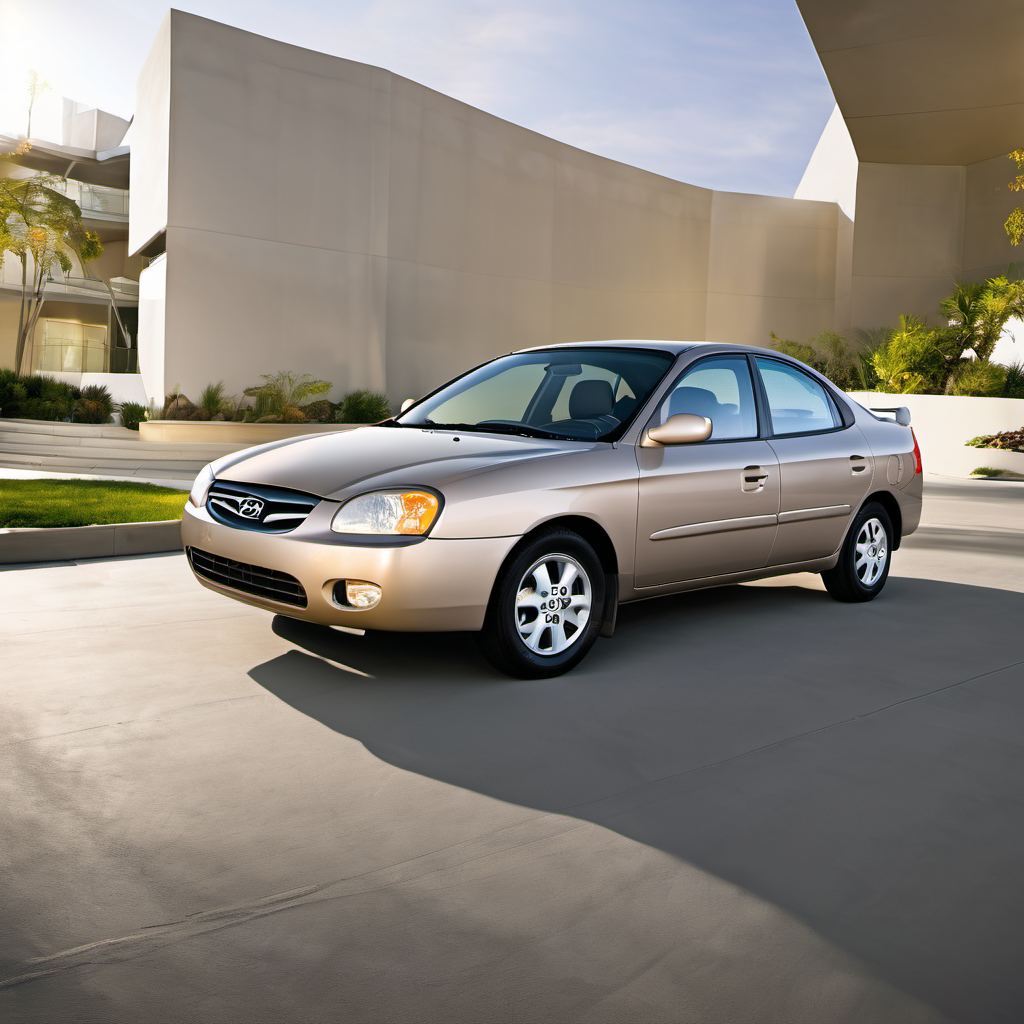
The 2006 Hyundai Elantra Hatchback (sold as the Elantra GT in the U.S.) is a compact five-door that sits on the third-generation HD platform. It pairs a 2.0L four-cylinder with either a five-speed manual or four-speed automatic, offering a roomy cabin and usable cargo area for the class. Hyundai was deep into its reliability-improvement era by this point, and the third-gen Elantra benefited from better fit-and-finish and powertrain durability than earlier models. For budget-conscious buyers, this generation delivers solid everyday transportation. Running costs are low, parts are widely available, and independent shop labor rates are friendly. The hatchback body adds practicality over the sedan without meaningfully changing the driving character. At this age — nearly 20 years old — the car lives or dies by how well it was maintained and how much Wisconsin road salt has attacked its undercarriage. A rust-free, well-serviced example can still rack up miles reliably; a neglected one can turn into a money pit quickly.
The 2006 Hyundai Elantra Hatchback (sold as the Elantra GT in the U.S.) is a compact five-door that sits on the third-generation HD platform. It pairs a 2.0L four-cylinder with either a five-speed manual or four-speed automatic, offering a roomy cabin and usable cargo area for the class. Hyundai was deep into its reliability-improvement era by this point, and the third-gen Elantra benefited from better fit-and-finish and powertrain durability than earlier models. For budget-conscious buyers, this generation delivers solid everyday transportation. Running costs are low, parts are widely available, and independent shop labor rates are friendly. The hatchback body adds practicality over the sedan without meaningfully changing the driving character. At this age — nearly 20 years old — the car lives or dies by how well it was maintained and how much Wisconsin road salt has attacked its undercarriage. A rust-free, well-serviced example can still rack up miles reliably; a neglected one can turn into a money pit quickly.
The Beta II 2.0L is sensitive to oil sludge if intervals are stretched. Regular changes are the single best thing you can do for longevity, especially in Wisconsin's cold-start conditions.
Hyundai's service interval is conservative; at 18+ years old, fresh fluid every 30k helps the 4-speed automatic shift cleanly and extends clutch pack life.
Aging coolant turns acidic and attacks the aluminum head. Old hoses on a car this age should be inspected and replaced proactively before a Wisconsin winter.
Factory iridium plugs last 60k. Worn plugs cause misfires and hard cold starts — a real problem at sub-zero Wisconsin temps.
Belt failure strands you and can damage the alternator. Cold weather accelerates rubber cracking.
Road salt and freeze-thaw cycles crack boots quickly. A torn boot leads to CV joint failure within months. Catching it early is a $100 fix vs. a $400+ axle replacement.
Inspect brake lines, fuel lines, subframe mounting points, and rear beam for rust. Brake line rust is a safety-critical failure mode on Midwest cars this old.
The factory battery is long gone. Any battery over 4 years old should be load-tested before temps drop below zero — a weak battery that starts fine at 50°F will often fail at -10°F.
Always defer to the manufacturer's service manual for warranty-mandated intervals.
This is one of the cheaper cars to own on a day-to-day basis. Parts are inexpensive and widely stocked. The main financial wildcard at this age is rust repair and a potential automatic transmission service or rebuild. Budget a rust inspection every spring and set aside a small emergency fund for the trans — those two items separate the cheap keepers from the money pits.
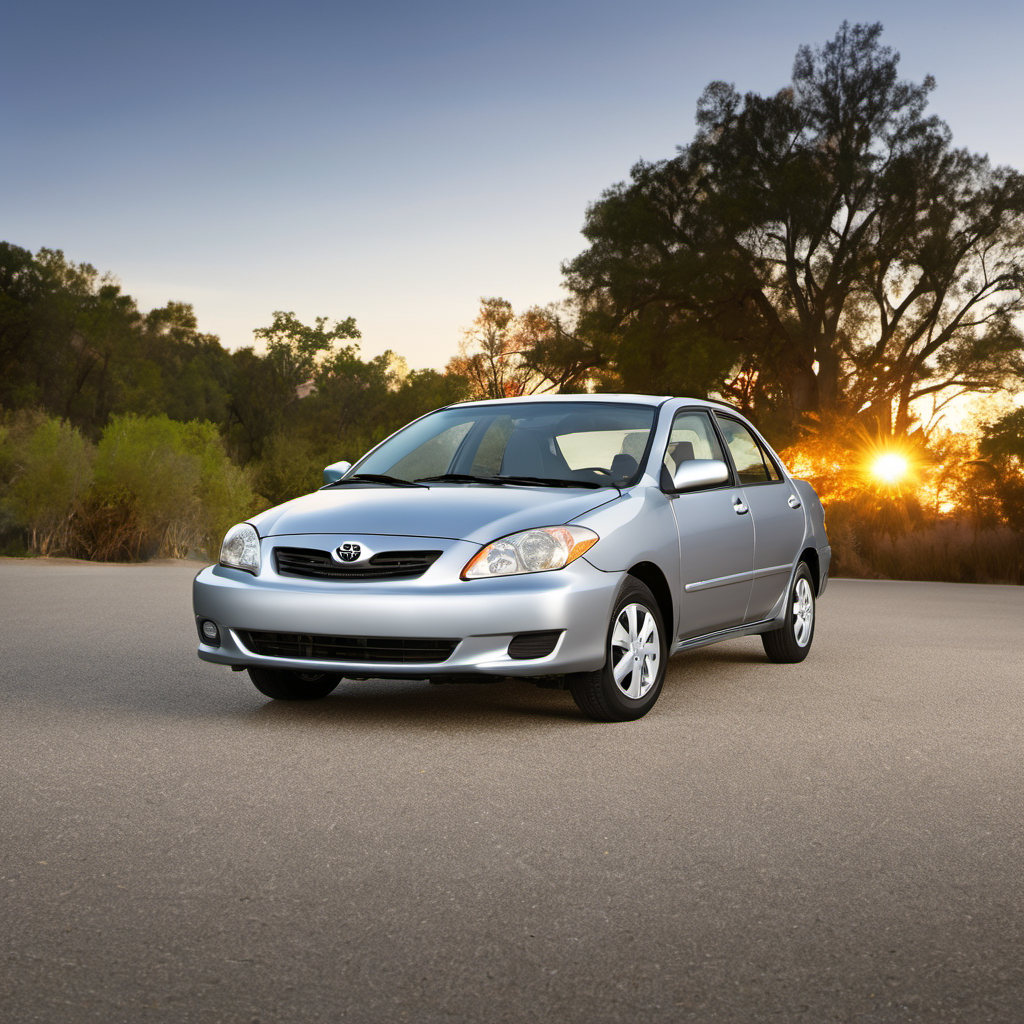
Same compact-car class, similar pricing, slightly better long-term reliability reputation. Sedan only at this vintage, but the go-to alternative if longevity is the top priority.
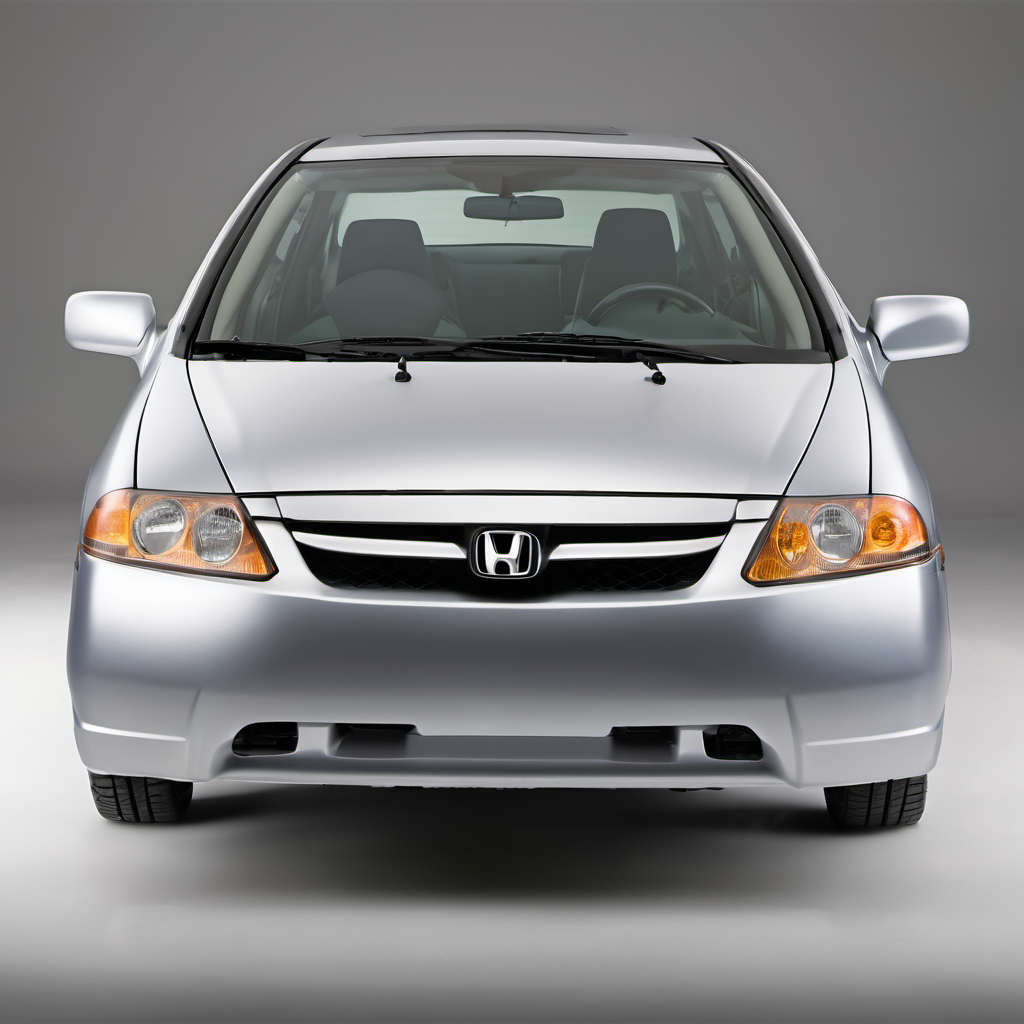
Direct competitor — available as a hatchback (Si) or sedan, slightly more refined driving feel, similarly strong long-term parts availability and mechanic familiarity.
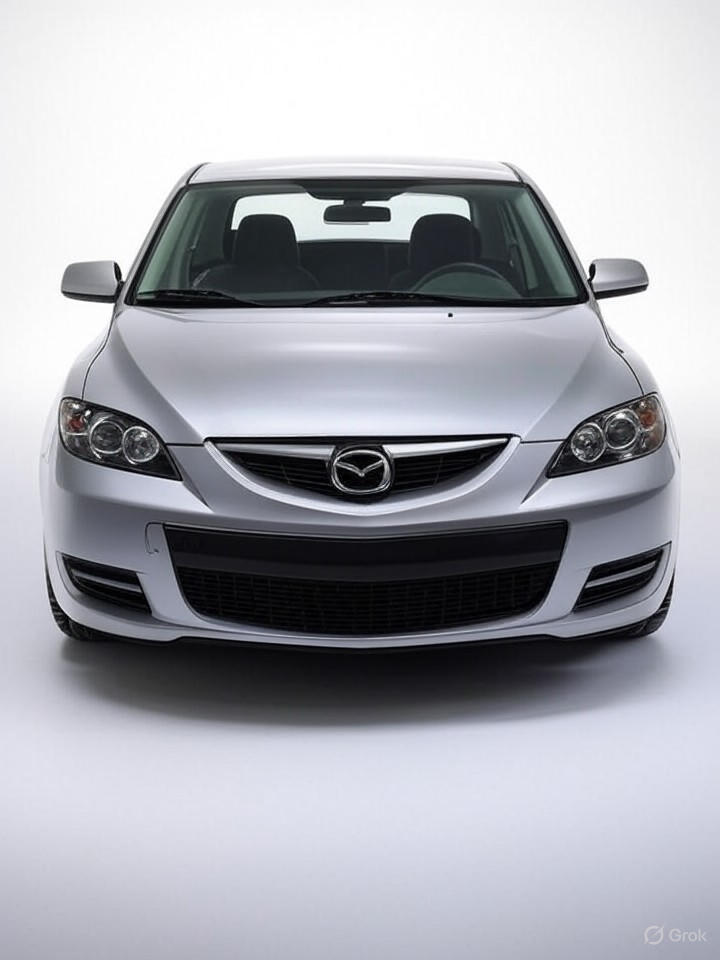
Available as a five-door hatchback in the same price band, more engaging to drive, comparable reliability. Rust resistance is a slight concern on older Mazda3s in the Midwest as well.
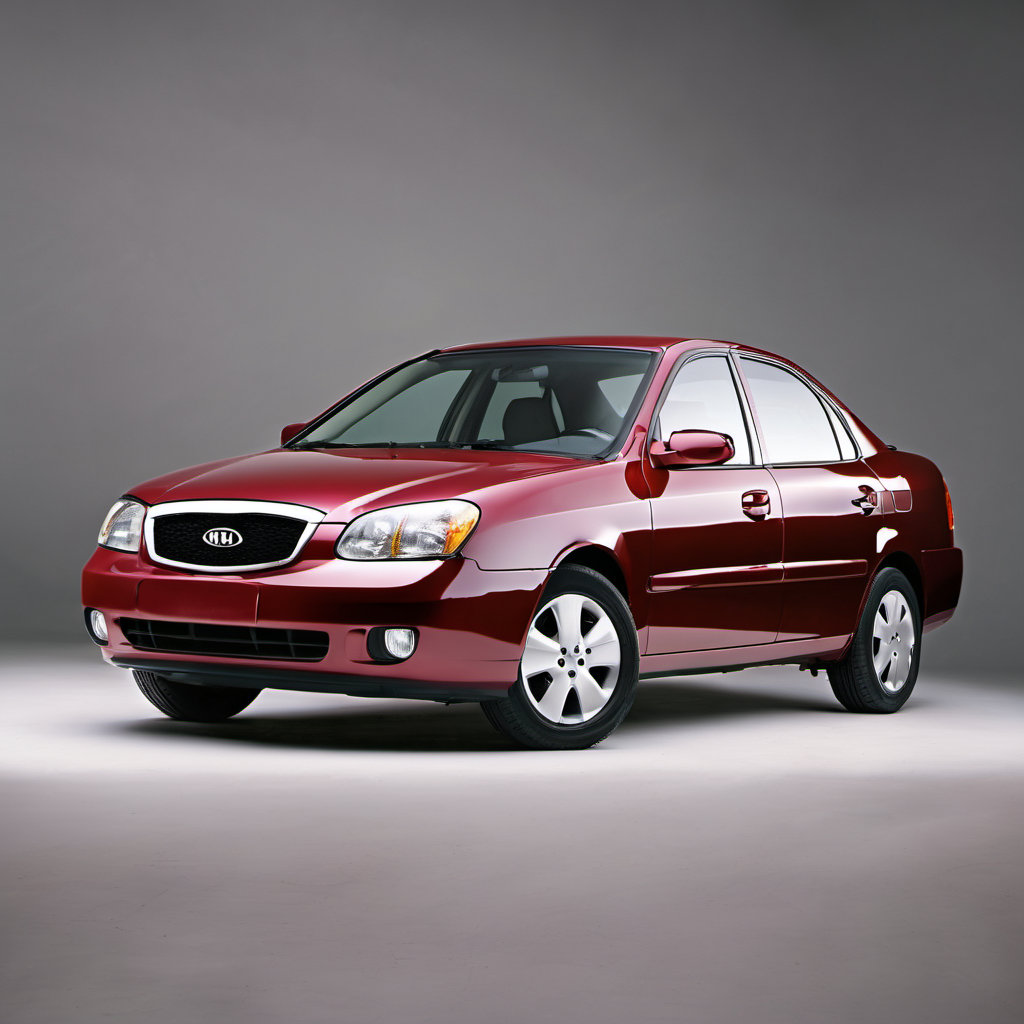
Built on a nearly identical platform to the Elantra (same corporate parent), available as a five-door hatchback, shares many parts. A fair cross-shop but not an upgrade — choose based on condition and price.