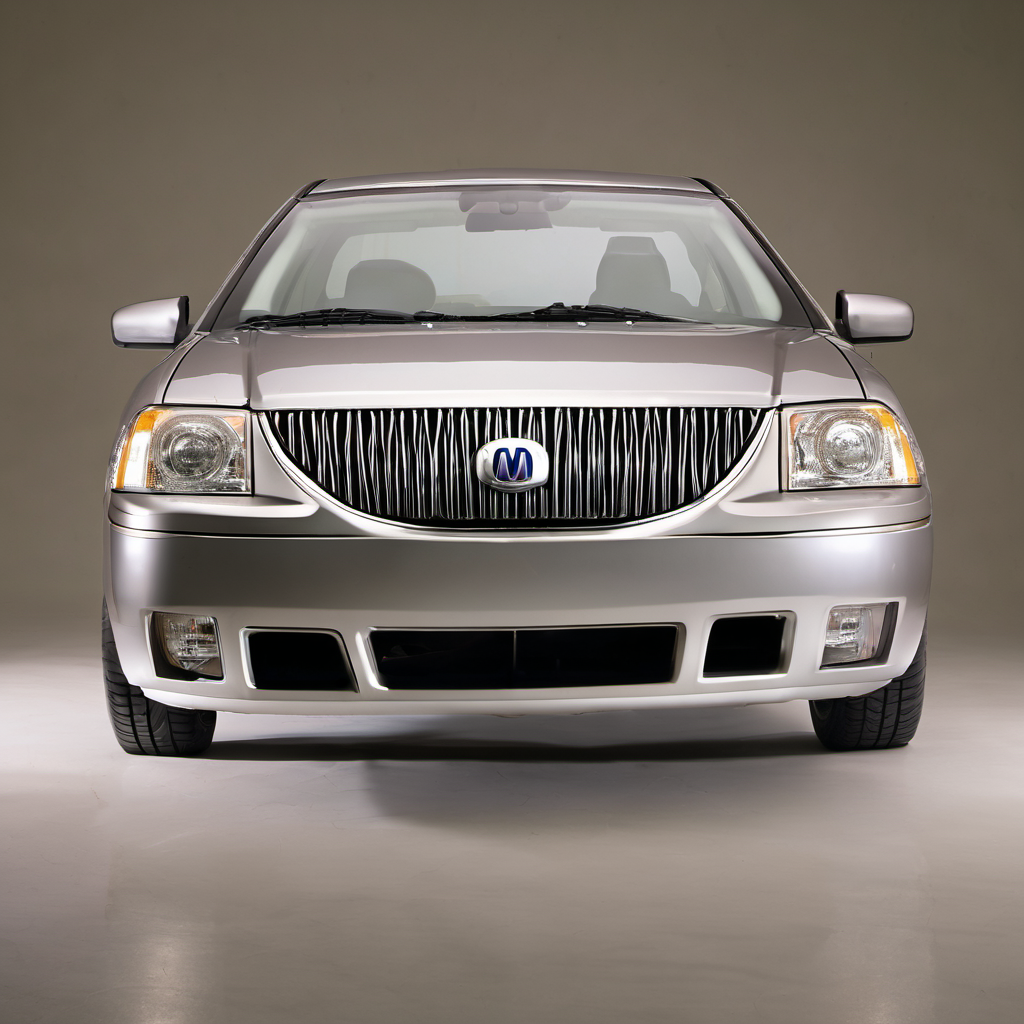
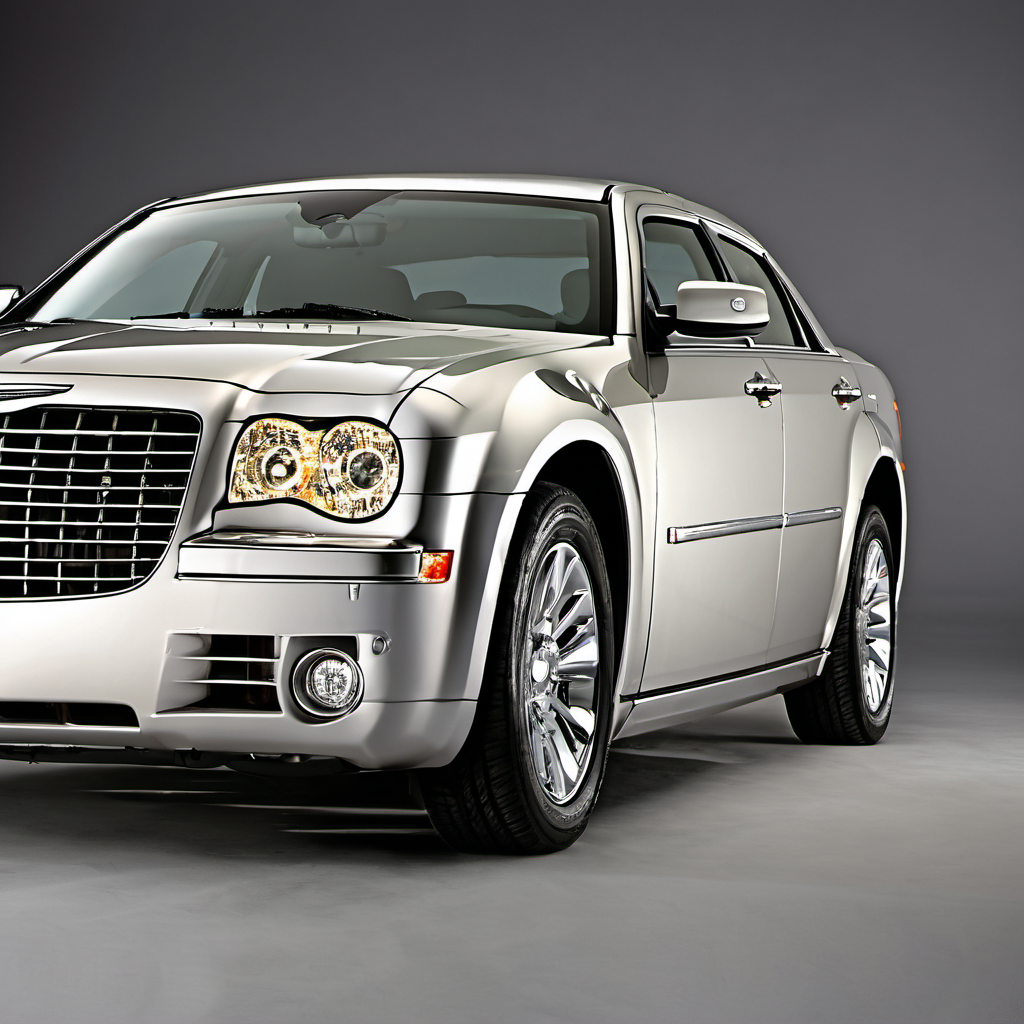
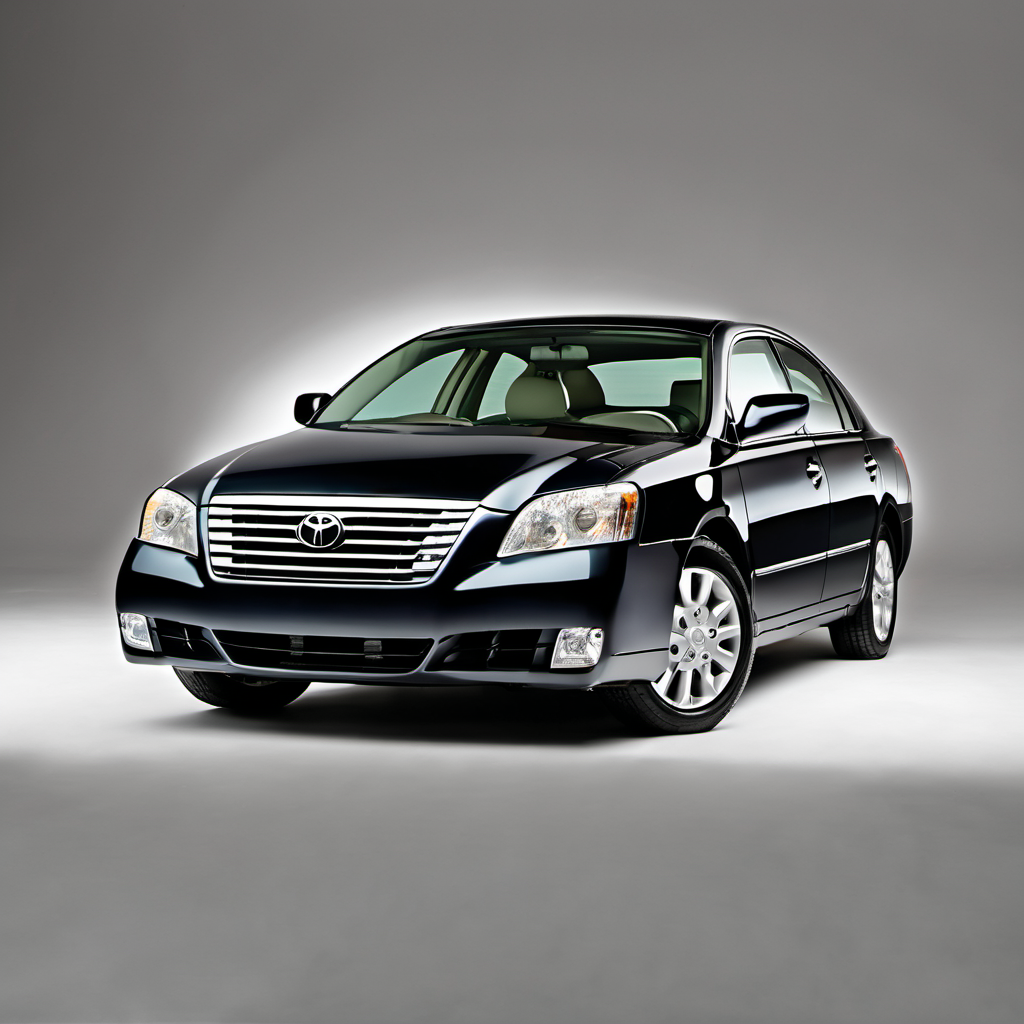
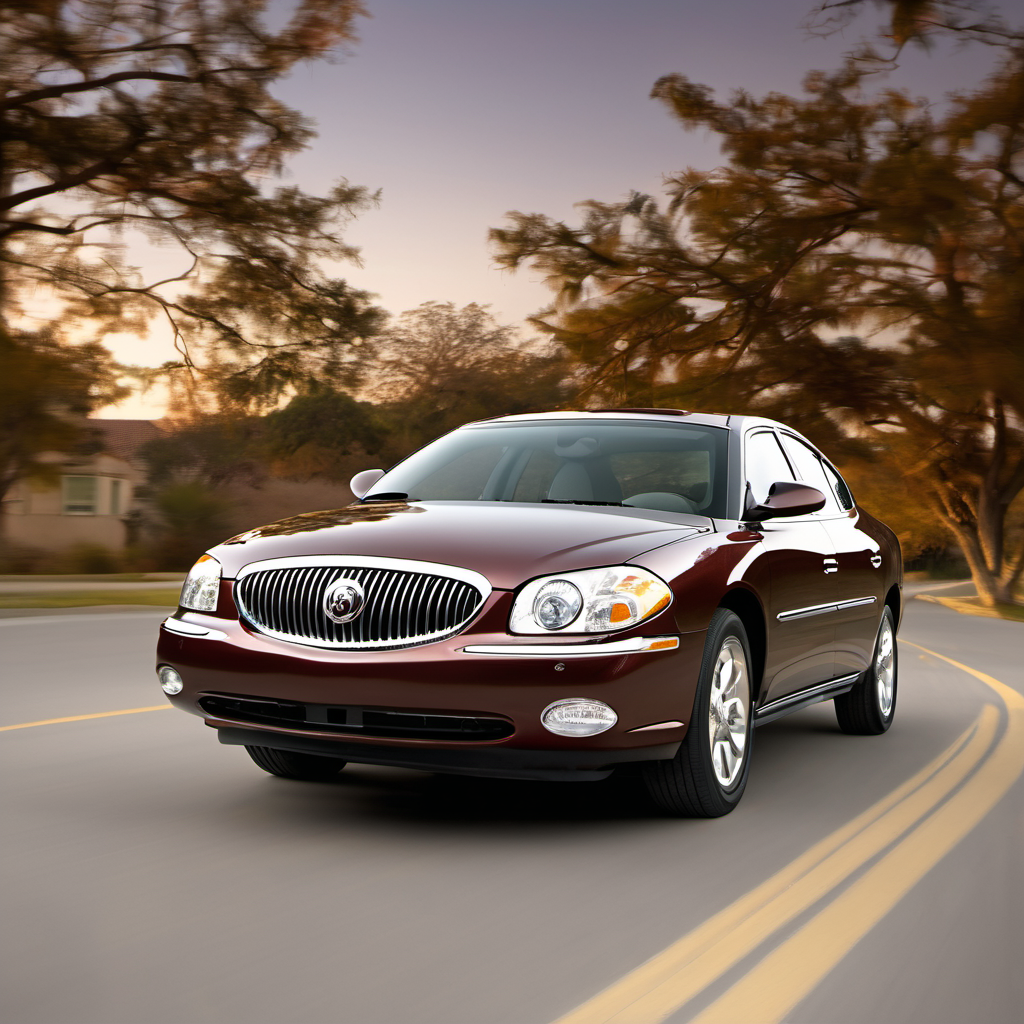
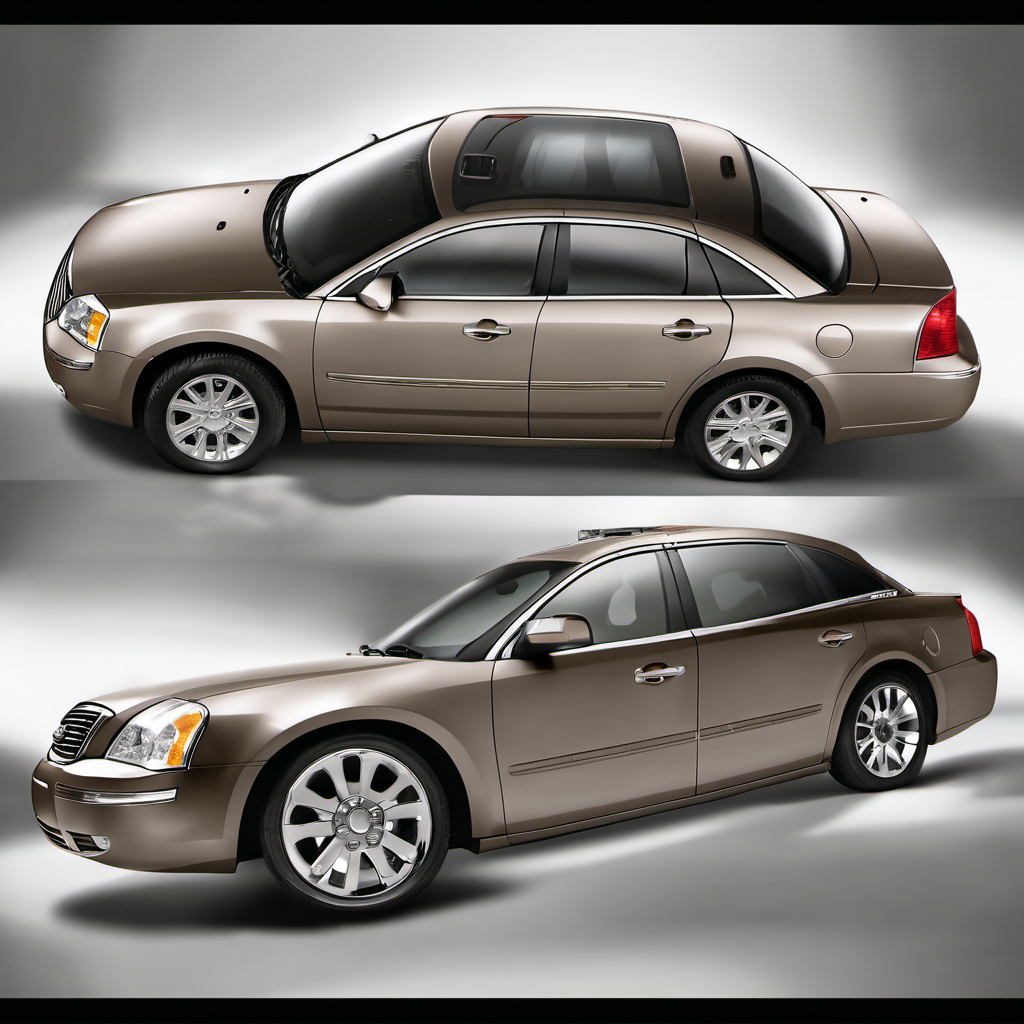
2006 Mercury Montego Sedan

2006 Mercury

MontegoSedan

Sedan

The 2006 Mercury Montego is a full-size front-wheel-drive (or optional AWD) sedan that shared its platform with the Ford Five Hundred and Volvo S80. It was positioned as a near-luxury family hauler with an uncommonly roomy, upright cabin and a car-like ride — a deliberate step away from the sporty pretensions of many competitors. Mercury sold it for only three model years (2005–2007) before Ford revived the Taurus name and replaced the lineup. Under the hood sits Ford's 3.0L Duratec V6 mated to a CVT (continuously variable transmission) — a combination that prioritized smoothness and fuel economy but proved controversial for long-term durability. The AWD variant, which routes power through a Haldex-style rear coupling, adds meaningful winter traction but also adds complexity to the drivetrain that requires attention. As a used buy, the Montego occupies a narrow niche: depreciation is steep (a positive for buyers), but parts availability is thinning as the model fades from mainstream consciousness. It works best as a low-stress daily driver where its quiet ride and generous interior space are appreciated, provided the CVT has been properly maintained.

Reliability
2/5
Verified data
Specs shown for Montego AWD — the most common configuration. Other trims may vary in engine, drivetrain, or fuel economy. Sign in to see your vehicle's exact specs.
Engine
[object Object]
Drivetrain
AWD
Fuel
Gasoline
MPG
17 city / 23 hwy / 19 combined
Seats
Doors
Body
Large Cars

Overview

AI-curated

The 2006 Mercury Montego is a full-size front-wheel-drive (or optional AWD) sedan that shared its platform with the Ford Five Hundred and Volvo S80. It was positioned as a near-luxury family hauler with an uncommonly roomy, upright cabin and a car-like ride — a deliberate step away from the sporty pretensions of many competitors. Mercury sold it for only three model years (2005–2007) before Ford revived the Taurus name and replaced the lineup. Under the hood sits Ford's 3.0L Duratec V6 mated to a CVT (continuously variable transmission) — a combination that prioritized smoothness and fuel economy but proved controversial for long-term durability. The AWD variant, which routes power through a Haldex-style rear coupling, adds meaningful winter traction but also adds complexity to the drivetrain that requires attention. As a used buy, the Montego occupies a narrow niche: depreciation is steep (a positive for buyers), but parts availability is thinning as the model fades from mainstream consciousness. It works best as a low-stress daily driver where its quiet ride and generous interior space are appreciated, provided the CVT has been properly maintained.

Known for
  • Exceptionally spacious, upright interior — class-leading headroom
  • Quiet, compliant highway ride
  • AWD option for winter traction
  • Shared Volvo S80 platform underpinnings
  • Quick and steep depreciation curve
Best for
  • Families needing rear-seat legroom on a budget
  • Highway commuters who prioritize ride comfort
  • Wisconsin winter drivers who want AWD without SUV bulk
  • Buyers seeking a low-cost entry into a near-luxury-sized sedan
Watch for
  • CVT reliability — neglected fluid changes accelerate failure
  • AWD rear coupling wear on high-mileage examples
  • VCT (variable cam timing) solenoid sludging from infrequent oil changes
  • Rust on underbody, subframe, and exhaust — especially in salt-belt cars
  • Dwindling dealer/parts support as the model ages

Common issues by mileage

6 known

CVT Transmission Failure or Shudder

high
Typically appears
80,000–130,000 mi
Estimated repair
$2,800 – $5,500

Oxygen Sensor / Heater Circuit Failure

medium
Typically appears
80,000–150,000 mi
Estimated repair
$150 – $400

AWD Rear Coupling (PTU / RDU) Wear or Leak

medium
Typically appears
90,000–150,000 mi
Estimated repair
$400 – $1,800

Underbody / Subframe Rust (Salt Belt)

high
Typically appears
Any mileage on Wisconsin/Midwest cars
Estimated repair
$300 – $2,500

Suspension / Strut Wear

medium
Typically appears
80,000–120,000 mi
Estimated repair
$400 – $900

Maintenance schedule

  1. 1
    Every 30,000–40,000 mi (do not follow 'lifetime' guidance on used examples) CVT Fluid Change

    Ford's CVT of this era is extremely sensitive to degraded fluid. Neglected fluid is the #1 cause of CVT failure. On any used purchase, change it immediately regardless of claimed history.

  2. 2
    Every 5,000 mi with conventional oil, 7,500 mi with full synthetic Engine Oil Change

    The 3.0L Duratec's VCT solenoids clog with sludge from extended oil change intervals. Regular, on-time oil changes are the single best defense against expensive VCT and timing issues.

  3. 3
    Every 30,000 mi or at annual service AWD Rear Differential / PTU Fluid Check

    The Haldex-style AWD coupling is often ignored; low or degraded fluid causes premature wear of the rear unit, which is expensive to replace.

  4. 4
    Every 5 years / 100,000 mi Coolant Flush

    The Duratec engine has a history of coolant degradation leading to thermostat housing and water pump issues. Fresh coolant maintains proper pH and prevents corrosion.

  5. 5
    Every 60,000 mi Spark Plugs

    Worn plugs increase misfires and place extra load on the ignition coils. On a CVT-equipped car, rough running is easy to misdiagnose as transmission shudder.

  6. 6
    Every spring (post-salt-season) Underbody / Brake Line Inspection

    Wisconsin road salt aggressively attacks brake lines, fuel lines, subframe, and exhaust on cars this age. Catching rust-through early prevents a safety failure or catastrophic repair bill.

  7. 7
    Every fall, before temperatures drop below freezing Battery Load Test

    A battery that passes a basic voltage test in summer can still fail a load test — and a weak battery in a sub-zero Wisconsin morning is stranded-driver territory, especially with the CVT's electrical demands.

  8. 8
    Every 15,000–20,000 mi Air Filter & Cabin Air Filter

    Dirty cabin filters are often neglected on older cars, reducing heat/defrost airflow — a real comfort and safety issue in Wisconsin winters.

Always defer to the manufacturer's service manual for warranty-mandated intervals.

Cost of ownership

Annual maintenance
$700 – $1,600
Fuel
At 19 MPG combined and typical upper Midwest driving, expect roughly $2,000–$2,600/year at current gas prices. Highway-heavy use will push closer to the lower end.
Insurance
Generally low — the Montego's low popularity and modest performance profile mean modest premiums. Expect $900–$1,400/year for full coverage on a driver with a clean record, depending on age and zip code.

Day-to-day costs are manageable if the CVT and VCT systems are healthy — routine maintenance runs $700–$1,600/year. However, a CVT replacement alone can run $3,000–$5,500 and is the financial wildcard that defines ownership of this vehicle. Buy it only if the CVT fluid history is documented or you can budget for that risk.
Seasonal care

Lake Geneva, WI
Winter
  • Test and replace the battery before first hard freeze — the CVT's electronics and cold-start demands stress a marginal battery immediately.
  • Switch to a full synthetic 5W-30 engine oil if not already; it flows faster at sub-zero temps, protecting the VCT solenoids on cold starts.
  • Inspect and flush brake lines and calipers for salt corrosion each fall — rust-compromised brake lines are a serious safety hazard on an 18+ year old car.
  • Verify the AWD system is engaging properly before winter; a sluggish or failed rear coupling provides no snow traction benefit.
  • Top off washer fluid with a rated -20°F or lower concentrate — Wisconsin winters regularly exceed standard washer fluid freeze points.
  • Check antifreeze freeze-point protection with a tester; the Duratec's cooling system should be protected to at least -34°F.
Summer
  • Inspect the A/C system for refrigerant leaks and compressor function — the Montego's cabin is large and will be uncomfortable quickly without a properly working A/C.
  • Check tire pressure monthly; summer heat causes pressure to rise roughly 1 PSI per 10°F increase, and overinflated tires reduce wet-road grip.
  • Inspect the CVT cooler lines for leaks or cracking; heat accelerates fluid degradation in an already-stressed system.
  • Check coolant level and condition — the Duratec can run warm in traffic, and a low coolant level risks overheating damage to the engine or head gaskets.

Comparable vehicles

If you're shopping for one

Red flags
  • CVT fluid that is dark brown, burnt-smelling, or has never been changed on a 60,000+ mile example — walk away or price in a likely CVT replacement.
  • Any active or recently cleared VCT timing codes (P0012, P0015, P0022, P0025) without a repair receipt — suggests oil neglect and internal engine sludge.
  • Heavy underbody rust, especially on brake lines or subframe mounting points — repair costs can exceed the vehicle's value.
  • Signs of overheating history: white residue on radiator cap, cloudy coolant, or oil with milky appearance.
  • Non-functional AWD on an AWD model — rear coupling replacement is $400–$1,800+ and sellers sometimes don't disclose the failure.
What to inspect
  • CVT: Check for shudder, hesitation, or slipping during gentle acceleration from a stop — these are early failure signs. Verify fluid is clean and pink/red, not brown or burnt-smelling.
  • Oil cap and dipstick: Look for sludge or mayonnaise-like residue indicating neglected oil changes, which predicts VCT solenoid problems.
  • Underbody: Crawl underneath and inspect subframe, brake lines, fuel lines, and exhaust for rust-through. Wisconsin salt-belt cars this age commonly have serious underbody corrosion.
  • AWD engagement: Do a slow-speed turn on a loose surface to confirm the rear axle is pulling — a dead rear coupling defeats the purpose of AWD.
  • Scan for DTCs: Even with no check-engine light, pull codes. VCT and O2 sensor codes (P0012, P0015, P0022, P0025) that have been cleared may reappear within a short test drive.
  • Cooling system: Check for white residue around hoses, the thermostat housing, and overflow tank — signs of past overheating or coolant weepage.
AI profile generated 1 hr ago · claude-sonnet-4-6 · v2.