VVT-i Oil Control Valve (OCV) Sludge / Cam Timing Faults
high- Typically appears
- 80–150k mi
- Estimated repair
- $200 – $900
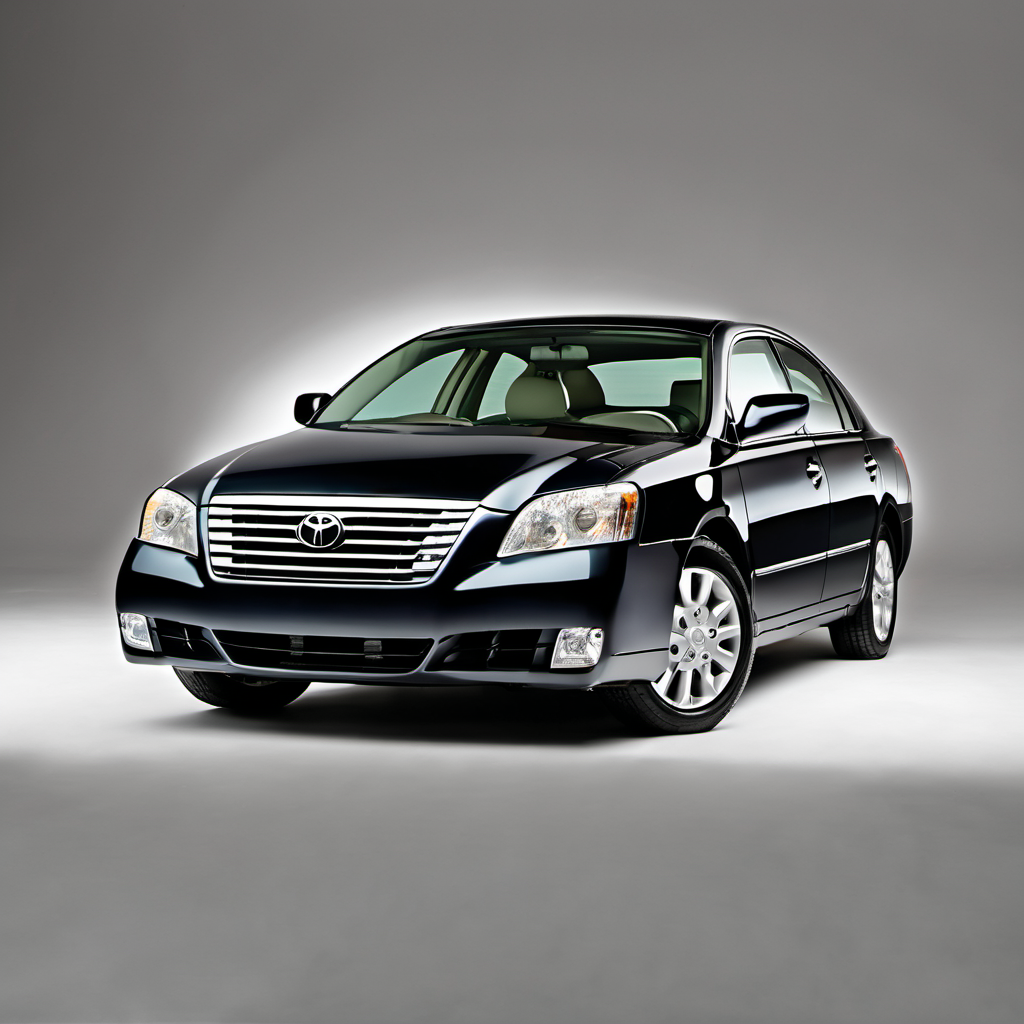
2006 Toyota
Sedan
The 2006 Toyota Avalon is a full-size front-wheel-drive sedan built around Toyota's 3.5L 2GR-FE V6 — the same engine found in the Camry V6 and Sienna of that era. It was Toyota's flagship American-market sedan, positioned above the Camry to compete with the Buick LaCrosse and Chrysler 300. For 2006 it received a complete redesign over the prior generation, gaining a longer wheelbase, a quieter cabin, and a generous standard feature set that made it punch well above its price point when new. The Avalon earned a reputation for bulletproof mechanicals paired with a genuinely comfortable ride — it attracted buyers who wanted near-luxury refinement without the luxury price tag or maintenance cost. The 2GR-FE is a robust, over-square aluminum V6 that responds well to regular oil changes and is largely free of the serious internal failures that plagued some competitors of the same era. By now these cars are well into their second or third ownership, and mileage can range wildly. A well-kept 2006 Avalon with documented oil change history is a legitimate high-value buy; a neglected one — especially if VVT-i oil passages are sludged — can become expensive quickly. Know what you're buying.
The 2006 Toyota Avalon is a full-size front-wheel-drive sedan built around Toyota's 3.5L 2GR-FE V6 — the same engine found in the Camry V6 and Sienna of that era. It was Toyota's flagship American-market sedan, positioned above the Camry to compete with the Buick LaCrosse and Chrysler 300. For 2006 it received a complete redesign over the prior generation, gaining a longer wheelbase, a quieter cabin, and a generous standard feature set that made it punch well above its price point when new. The Avalon earned a reputation for bulletproof mechanicals paired with a genuinely comfortable ride — it attracted buyers who wanted near-luxury refinement without the luxury price tag or maintenance cost. The 2GR-FE is a robust, over-square aluminum V6 that responds well to regular oil changes and is largely free of the serious internal failures that plagued some competitors of the same era. By now these cars are well into their second or third ownership, and mileage can range wildly. A well-kept 2006 Avalon with documented oil change history is a legitimate high-value buy; a neglected one — especially if VVT-i oil passages are sludged — can become expensive quickly. Know what you're buying.
The 2GR-FE's VVT-i passages are the first casualty of dirty oil. Frequent changes are the single most important thing you can do to prevent expensive cam timing failures.
Toyota's WS ATF is long-life but not lifetime. High-mileage cars with dark, burnt-smelling fluid should have a drain-and-fill (not a flush) performed carefully to avoid disturbing accumulated debris.
Toyota's Super Long Life coolant degrades over time; old coolant turns acidic and can cause water pump seal and radiator issues.
Glycol-based brake fluid absorbs moisture over time, lowering the boiling point and corroding the ABS actuator internals — already a known failure point on this car.
The 2GR-FE uses iridium plugs with a long service life, but the rear bank (firewall side) requires significant labor to access — budget accordingly.
Wisconsin road dust and debris clog both filters faster than the manufacturer's interval suggests. A dirty cabin filter strains the HVAC blower motor.
Road salt attacks ball joints, tie rod ends, and strut mounts. Catching wear early avoids alignment damage and prevents a safety issue.
A marginal battery that passes a basic voltage test can still fail to crank at -10°F. Annual load testing before Lake Geneva winters is cheap insurance.
Always defer to the manufacturer's service manual for warranty-mandated intervals.
The 2006 Avalon sits in a sweet spot: luxury-adjacent comfort with Toyota's mainstream parts costs. Routine maintenance is affordable. The big-ticket risks — brake actuator, cam phasers — are avoidable with documented service history and proper oil change intervals. A well-maintained example is one of the cheapest ways to drive a genuinely quiet, large, comfortable sedan.
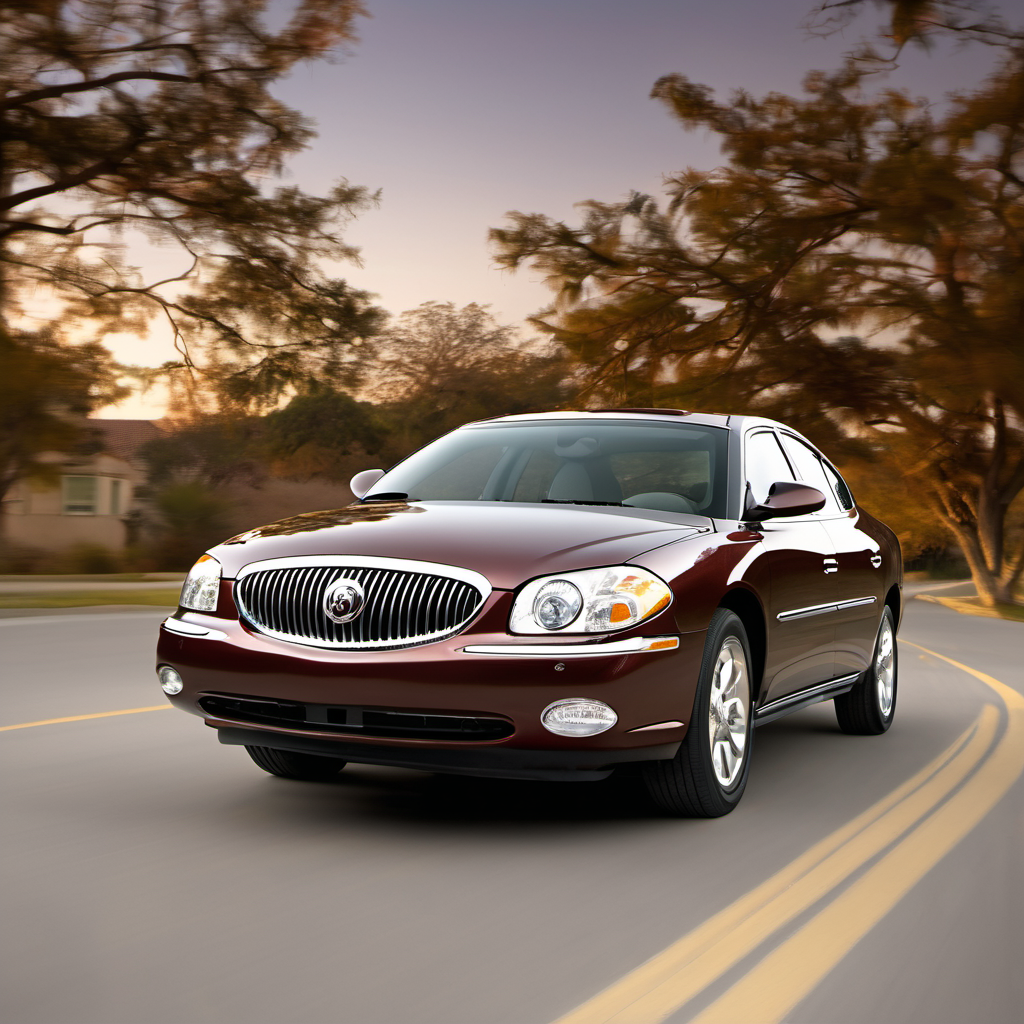
Direct market competitor — same full-size FWD comfort-sedan mission, similar pricing used, American luxury-adjacent positioning. The 3.8L V6 LaCrosse is comparably reliable but costs more for parts.
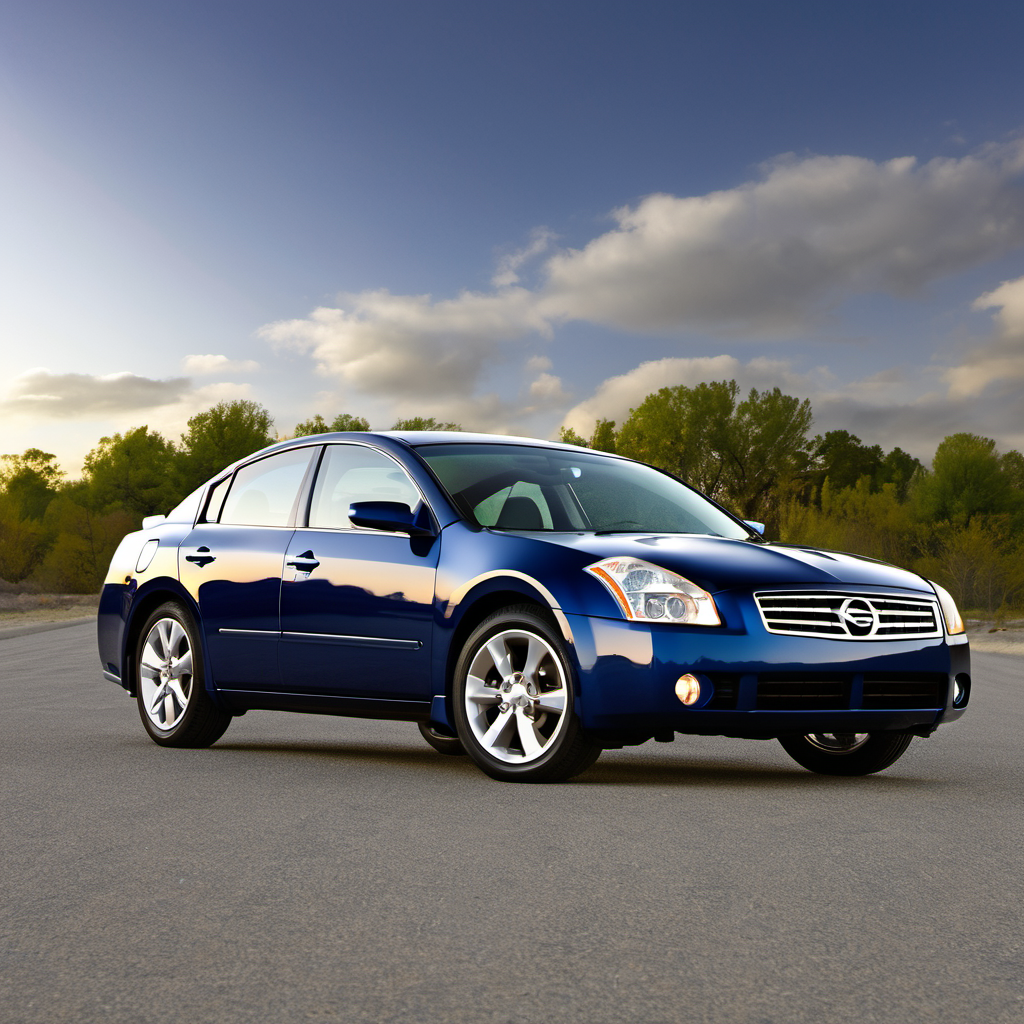
Front-wheel-drive V6 performance sedan in the same price band. Sportier feel than the Avalon but a smaller, less isolating cabin. CVT models from this era have transmission longevity concerns.
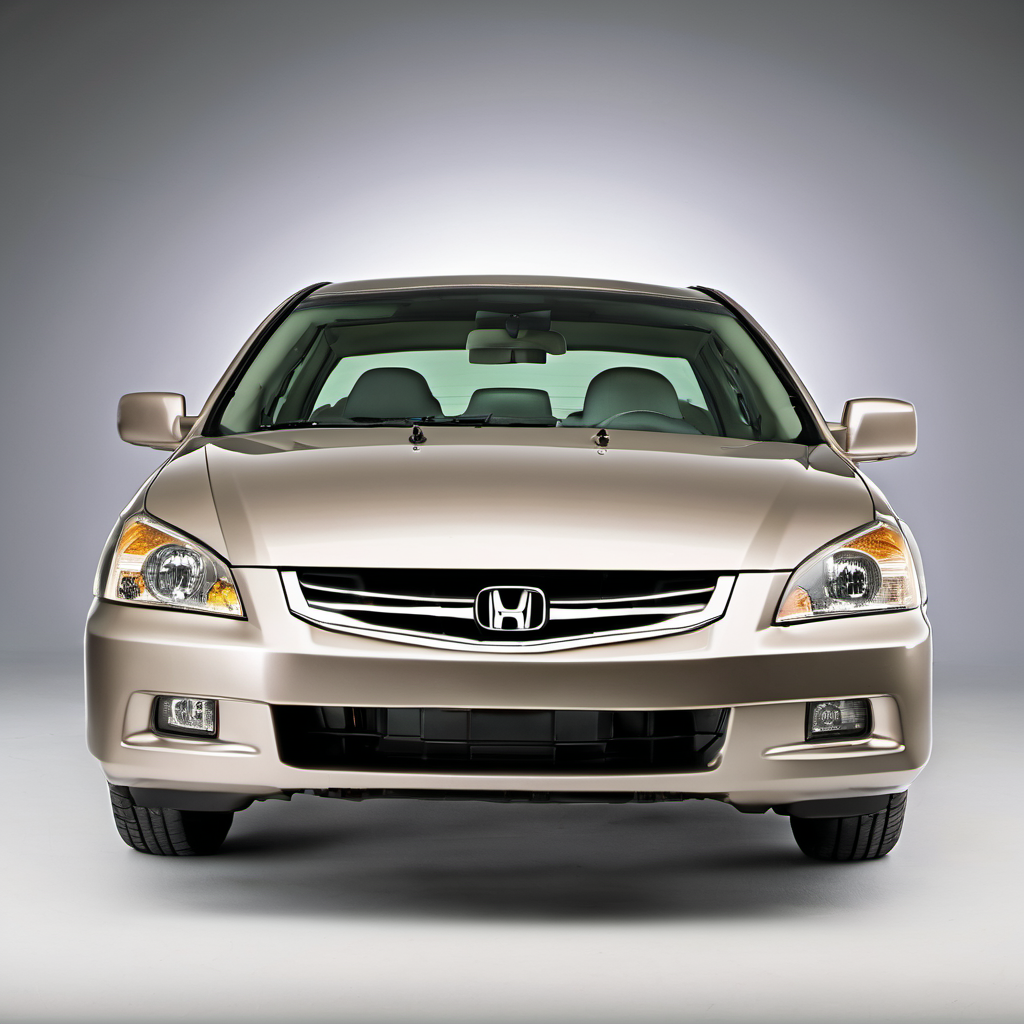
A step down in size but a direct alternative for buyers wanting Toyota-tier reliability in a sedan. The V6 Accord is quicker and similarly durable; the Avalon wins on interior space and refinement.
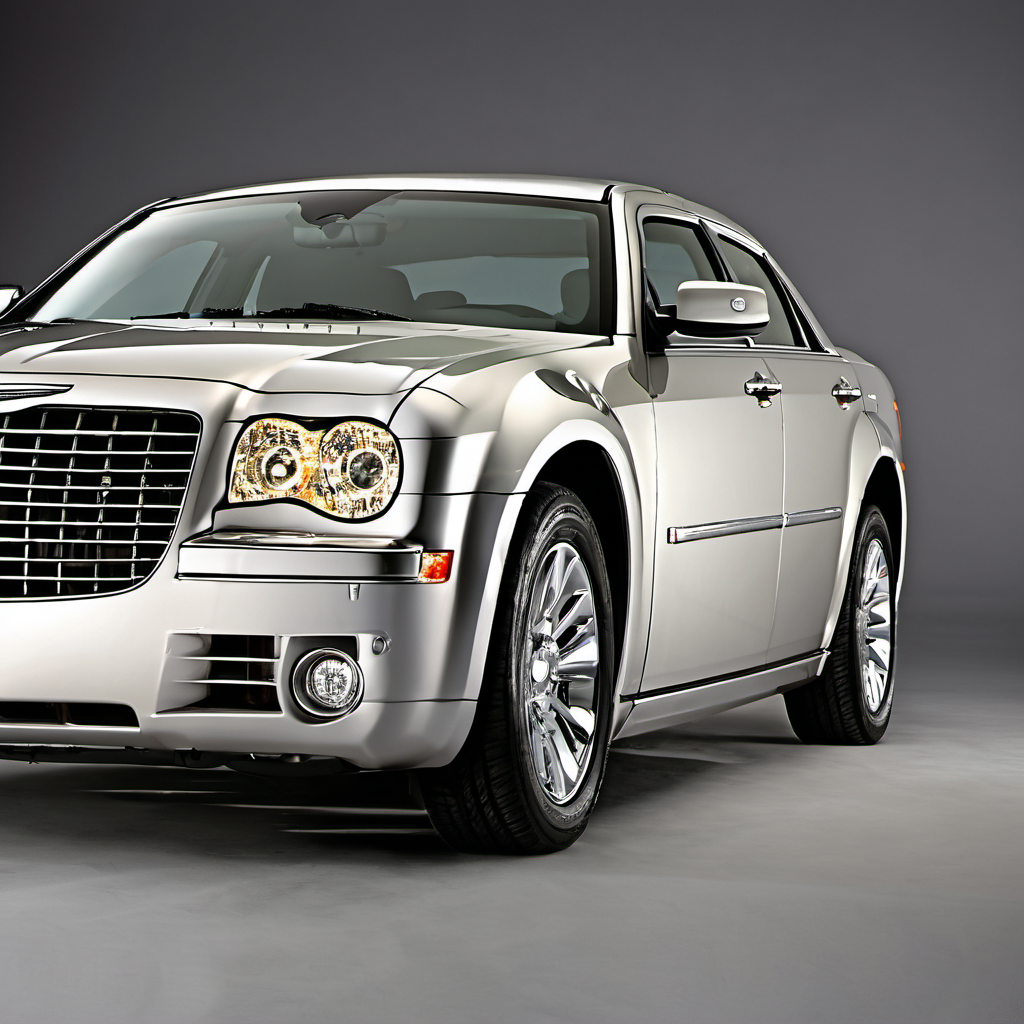
Full-size sedan in the same used price bracket, offering RWD and a more dramatic presence. Less reliable long-term than the Avalon; transmission and electrical issues are more common after 100k mi.