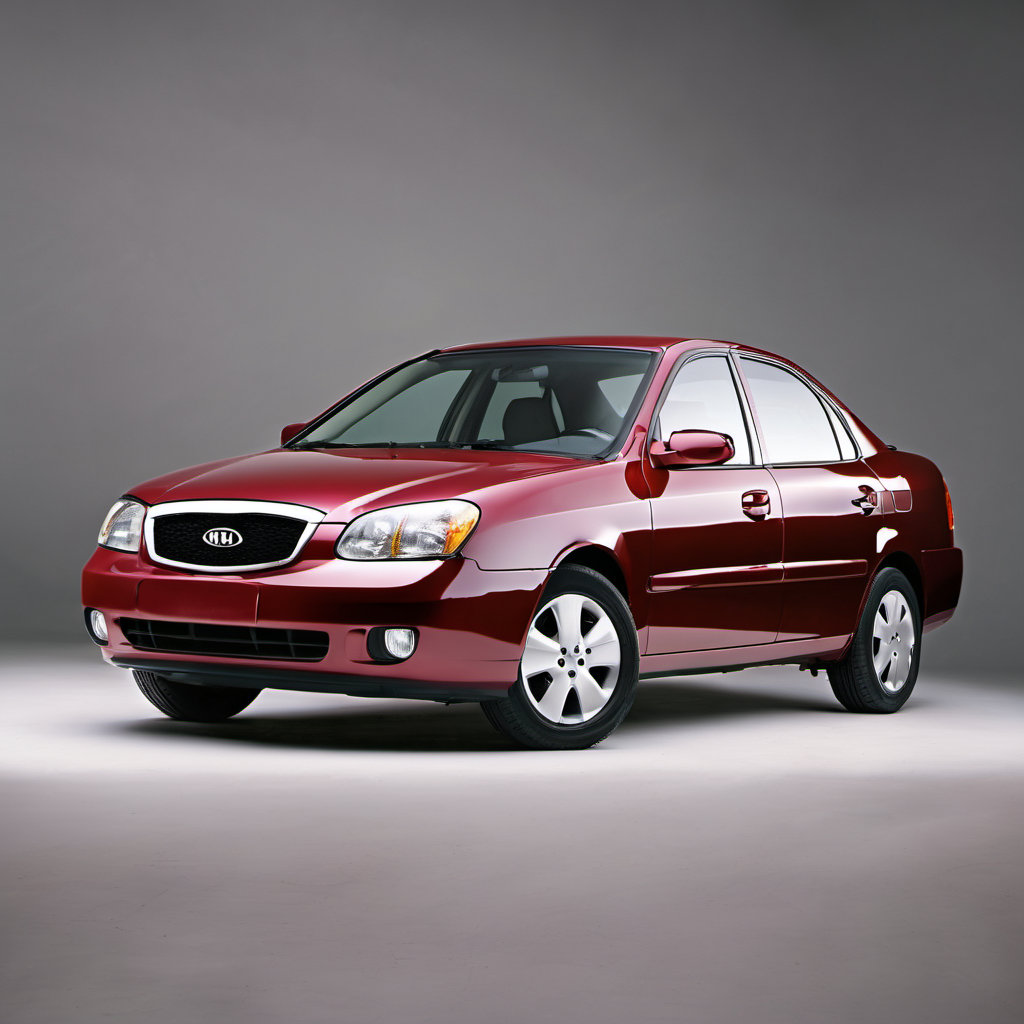
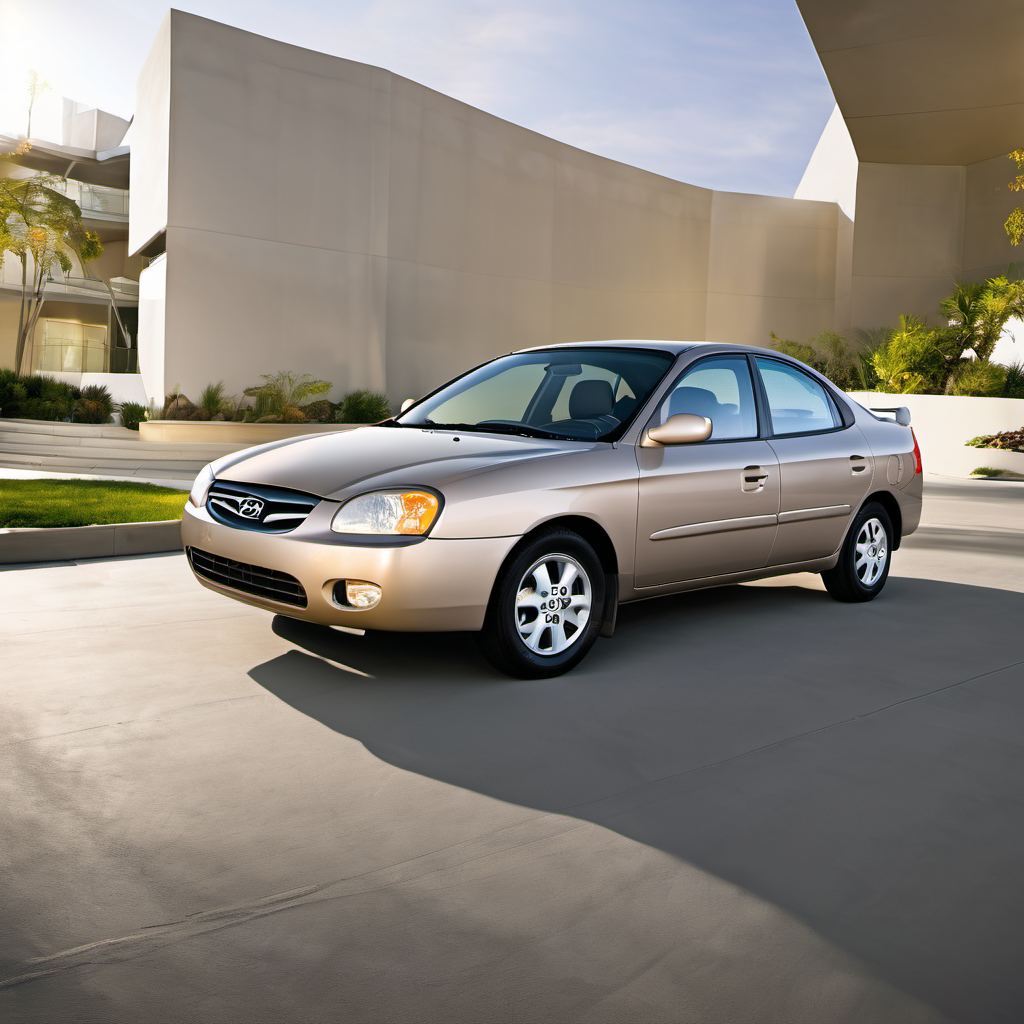
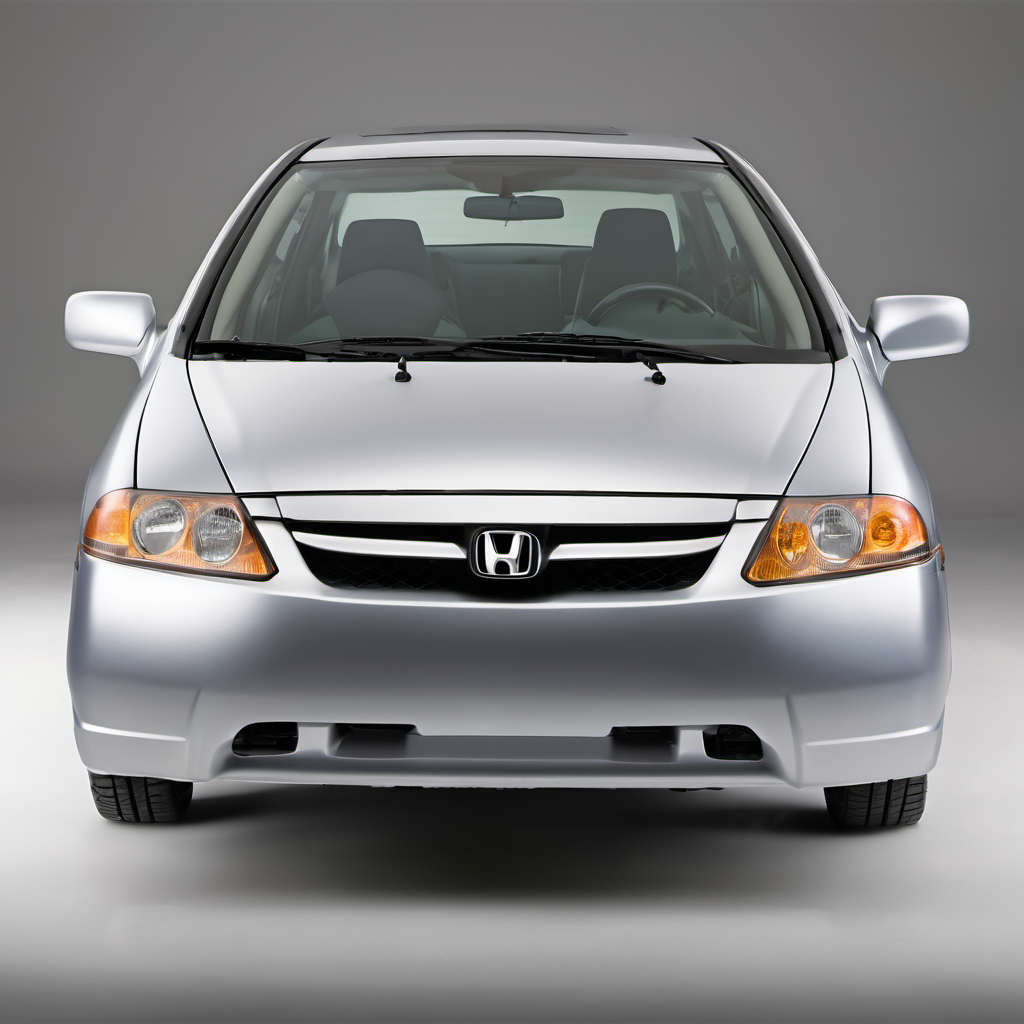
2006 Kia Spectra Sedan

2006 Kia

SpectraSedan

Sedan

The 2006 Kia Spectra is a compact front-wheel-drive sedan that represented Kia's push into the mainstream value segment in the mid-2000s. Powered by a 2.0L four-cylinder paired to either a 5-speed manual or 4-speed automatic, it offered respectable fuel economy and a decent feature set for the price — making it a popular choice for first-time buyers and budget-conscious commuters. By 2006 Kia had matured considerably from its reputation as a disposable economy brand. The Spectra received a full redesign for the 2004 model year, giving it sharper styling and improved interior quality. It's not an exciting car, but it's honest transportation that, when maintained, can reach 150k+ miles without drama. At this age (now 18+ years old), most Spectras on the road have high mileage and varying maintenance histories. Rust from Wisconsin road salt is a legitimate concern, and wear items like struts, CV axles, and cooling system components are likely overdue or recently replaced. Inspect carefully before buying.

Reliability
3/5
Verified data
Specs shown for Spectra — the most common configuration. Other trims may vary in engine, drivetrain, or fuel economy. Sign in to see your vehicle's exact specs.
Engine
[object Object]
Drivetrain
FWD
Fuel
Gasoline
MPG
22 city / 31 hwy / 25 combined
Seats
Doors
Body
Midsize Cars

Overview

AI-curated

The 2006 Kia Spectra is a compact front-wheel-drive sedan that represented Kia's push into the mainstream value segment in the mid-2000s. Powered by a 2.0L four-cylinder paired to either a 5-speed manual or 4-speed automatic, it offered respectable fuel economy and a decent feature set for the price — making it a popular choice for first-time buyers and budget-conscious commuters. By 2006 Kia had matured considerably from its reputation as a disposable economy brand. The Spectra received a full redesign for the 2004 model year, giving it sharper styling and improved interior quality. It's not an exciting car, but it's honest transportation that, when maintained, can reach 150k+ miles without drama. At this age (now 18+ years old), most Spectras on the road have high mileage and varying maintenance histories. Rust from Wisconsin road salt is a legitimate concern, and wear items like struts, CV axles, and cooling system components are likely overdue or recently replaced. Inspect carefully before buying.

Known for
  • Affordable purchase and ownership costs
  • Decent fuel economy for the era
  • Simple, serviceable 2.0L four-cylinder engine
  • Competitive feature list relative to price
Best for
  • Budget-conscious daily commuters
  • First-time car owners
  • Low-mileage city and highway driving
  • Owners who do their own maintenance
Watch for
  • Rust on underbody, wheel wells, and subframe — especially after Wisconsin winters
  • Aging automatic transmission (4-speed) with high mileage
  • Cooling system neglect leading to head gasket issues
  • Worn or leaking CV axle boots at this age

Common issues by mileage

6 known

Oxygen sensor failure (upstream/downstream)

high
Typically appears
80–130k mi
Estimated repair
$150 – $350

Automatic transmission slipping or harsh shifting

medium
Typically appears
100–150k mi
Estimated repair
$300 – $2,200

CV axle wear / torn boots

high
Typically appears
90–150k mi
Estimated repair
$180 – $420

Cooling system failure (thermostat, water pump) leading to overheating

medium
Typically appears
100–160k mi
Estimated repair
$200 – $900

Strut and shock absorber wear

high
Typically appears
80–130k mi
Estimated repair
$400 – $800

Underbody rust (subframe, brake lines, exhaust)

high
Typically appears
Any mileage, age-dependent
Estimated repair
$200 – $1,500

Maintenance schedule

  1. 1
    Every 5,000 miles or 6 months Engine oil and filter change

    The 2.0L I4 is oil-dependent for longevity. At this age, use conventional or blend 5W-20/5W-30 per cap spec and don't stretch intervals.

  2. 2
    Every 30,000 miles or immediately if unknown history Automatic transmission fluid change

    The 4-speed automatic is the most failure-prone component on this car. Fresh fluid is the cheapest transmission insurance you can buy.

  3. 3
    Every 30,000 miles or 2 years Coolant flush and thermostat inspection

    Aging coolant turns acidic and attacks the aluminum head. A failed thermostat in a Wisconsin winter can cause overheating before you notice.

  4. 4
    Every 30,000 miles Spark plug replacement

    Standard copper/iridium plugs on this engine. Worn plugs cause rough idle and reduced fuel economy noticeably on the 2.0L I4.

  5. 5
    Every 2 years Brake fluid flush

    Brake fluid absorbs moisture over time. In a Wisconsin winter climate, this accelerates corrosion in the brake system and lowers the boiling point.

  6. 6
    Every oil change CV axle boot inspection

    Torn boots let grease escape and grit enter, destroying the joint quickly. Catching a torn boot early saves $200+ over replacing a full axle.

  7. 7
    Every fall, before winter Battery load test

    A marginal battery that starts fine at 60°F will leave you stranded at 0°F. Batteries typically last 4–5 years; test annually on any aging vehicle.

  8. 8
    Every spring, after winter road salt season Underbody wash and inspection

    Salt accelerates rust on brake lines, fuel lines, subframe, and exhaust. Catching early rust means cheap repair rather than a safety failure.

Always defer to the manufacturer's service manual for warranty-mandated intervals.

Cost of ownership

Annual maintenance
$600 – $1,400
Fuel
At 25 MPG combined and ~12,000 miles/year, expect roughly $1,400–$1,700/year at current mid-grade fuel prices in the upper Midwest.
Insurance
Typically $800–$1,200/year for full coverage on a vehicle this age and value; liability-only drops well below $600/year.

The Spectra is genuinely cheap to own when it's healthy. Parts are widely available and inexpensive, and an independent shop can handle all maintenance without specialized tools. The risk at this age is deferred work stacking up — transmission service, struts, brakes, and cooling system can all come due around the same time and push a single year's costs to $2,000+. Buy it knowing what's been done and budget accordingly.
Seasonal care

Lake Geneva, WI
Winter
  • Test the battery every fall — cold cranking amps drop sharply below 20°F and a weak battery will fail to start in Lake Geneva winters.
  • Switch to a winter-weight washer fluid rated to at least -20°F; the reservoir and lines can freeze with summer-formula fluid.
  • Inspect wiper blades before first snowfall; consider winter-specific blades that shed ice better than standard frames.
  • Check tire tread depth and consider dedicated winter tires — the FWD Spectra handles winter acceptably but all-season tires at low tread are dangerous on icy county roads.
  • Flush brake fluid if overdue; moisture-laden fluid has a lower wet boiling point and corrodes steel brake lines faster in salt environments.
  • Rinse the undercarriage regularly throughout winter to slow salt-induced rust on brake lines, subframe, and exhaust — particularly important on an 18-year-old car.
Summer
  • Inspect the cooling system (hoses, coolant level, thermostat) before summer heat — an aging 2.0L that runs warm in July will overheat before you reach the shoulder.
  • Check A/C refrigerant and cabin air filter; the evaporator on these cars can accumulate debris that reduces airflow noticeably.
  • Tire pressure rises ~1 PSI per 10°F — check cold pressure on summer mornings and don't bleed down from a hot reading.
  • Inspect CV axle boots during summer oil changes when the undercar is easier to access and any grease slinging is visible.

Comparable vehicles

If you're shopping for one

Red flags
  • Any visible rust perforation on the subframe, floor pan, or strut towers — walk away, repair costs will exceed vehicle value.
  • Transmission that slips, shudders, or has no documented fluid service history past 80k miles.
  • Overheating history or evidence of a recent head gasket repair without documentation of what caused the failure.
  • Oil that looks milky or coolant that smells burned — both point to internal engine contamination.
  • A check engine light the seller can't explain, especially O2 sensor codes that keep returning after clearing.
What to inspect
  • Lift the car and inspect the subframe, brake lines, and fuel lines for rust — this is the single biggest risk on an 18-year-old Wisconsin vehicle.
  • Check transmission behavior: cold start shifts, warm shifts under light and heavy throttle. Any slipping, flaring, or clunking warrants a fluid check and possibly a specialist evaluation.
  • Look for signs of overheating history: white residue around the coolant reservoir, milky oil on the dipstick or cap, or a warped/repaired head.
  • Inspect CV axle boots at all four corners for cracking or grease sling on the inner wheel area.
  • Test the A/C and heater — blower motors and heater cores on these cars are age-appropriate for failure.
  • Check for oil leaks around the valve cover gasket and front crank seal, both common at high mileage on the 2.0L.
AI profile generated 2 hr ago · claude-sonnet-4-6 · v2.