VCM Oil Consumption / Cylinder Misfire
high- Typically appears
- 80–180k mi
- Estimated repair
- $500 – $3,500
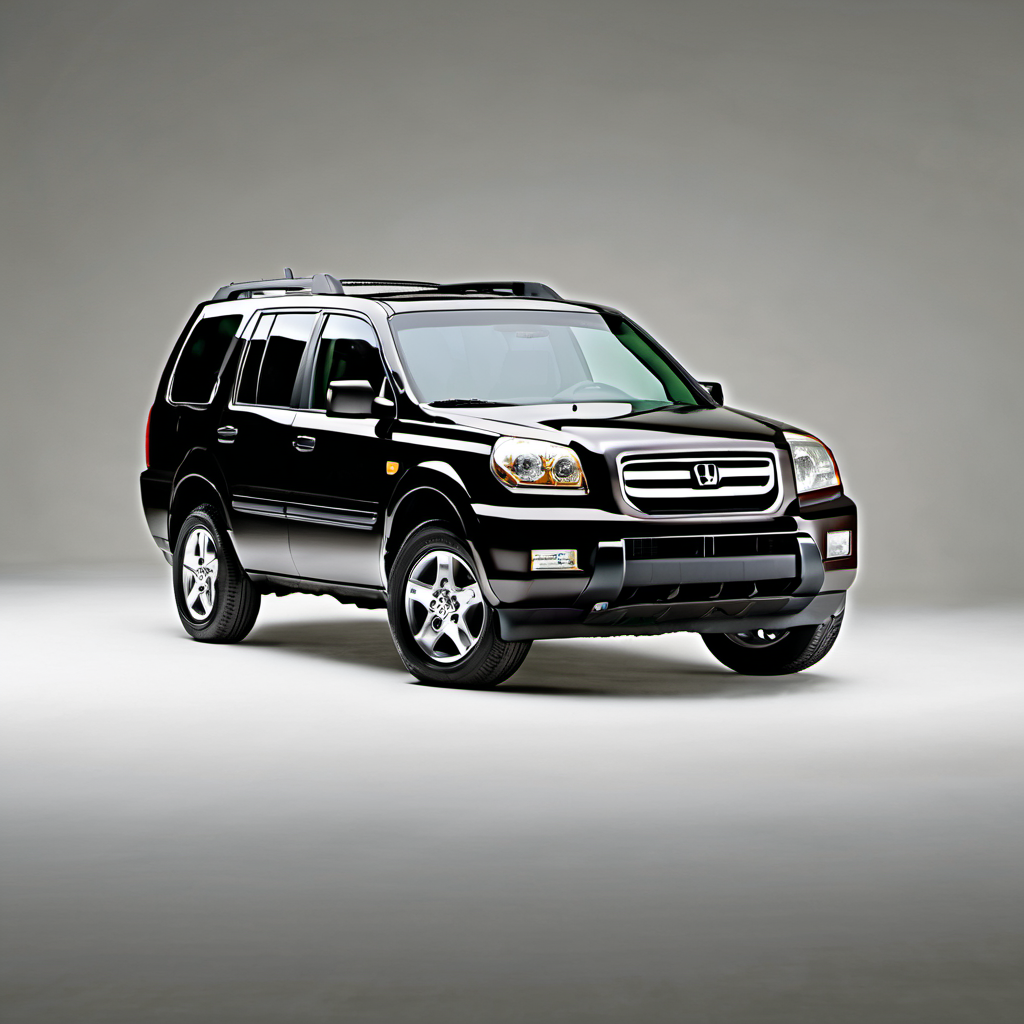
2006 Honda
SUV
The 2006 Honda Pilot is a three-row, mid-size SUV built on Honda's car-based platform — meaning it drives more like a large sedan than a traditional body-on-frame truck. This was the second model year of the first-generation Pilot (2003–2008), and by 2006 most early kinks had been sorted. It seats eight, hauls the family, and tows up to 4,500 lbs when properly equipped. The 3.5L V6 with Honda's Variable Cylinder Management (VCM) is the heart of this SUV. VCM shuts off three cylinders under light throttle to save fuel, but it's also the source of the Pilot's most talked-about long-term headache: oil consumption and engine misfires tied to cylinder deactivation. Owners who stay on top of oil changes and use the correct viscosity tend to dodge the worst of it. As a used buy in 2024, a well-maintained 2006 Pilot with under 150k miles can still be a solid family hauler. Budget for timing belt service if it hasn't been done, inspect the VCM-related components carefully, and check for rust on the frame and undercarriage — Wisconsin roads eat these.
The 2006 Honda Pilot is a three-row, mid-size SUV built on Honda's car-based platform — meaning it drives more like a large sedan than a traditional body-on-frame truck. This was the second model year of the first-generation Pilot (2003–2008), and by 2006 most early kinks had been sorted. It seats eight, hauls the family, and tows up to 4,500 lbs when properly equipped. The 3.5L V6 with Honda's Variable Cylinder Management (VCM) is the heart of this SUV. VCM shuts off three cylinders under light throttle to save fuel, but it's also the source of the Pilot's most talked-about long-term headache: oil consumption and engine misfires tied to cylinder deactivation. Owners who stay on top of oil changes and use the correct viscosity tend to dodge the worst of it. As a used buy in 2024, a well-maintained 2006 Pilot with under 150k miles can still be a solid family hauler. Budget for timing belt service if it hasn't been done, inspect the VCM-related components carefully, and check for rust on the frame and undercarriage — Wisconsin roads eat these.
VCM puts extra stress on oil by fouling cylinders. Fresh, clean oil at the right viscosity is the single best thing you can do to prevent expensive VCM-related damage. Use Honda-spec 5W-20 full synthetic.
Interference engine — belt failure destroys the engine. If you can't confirm it's been done, do it now. Replace the water pump at the same time; labor is already paid for.
Honda specifies drain-and-refill (not a full flush) with genuine Honda ATF. Skipping this is the leading cause of transmission failure on high-mileage Pilots.
VCM cylinders are especially prone to fouled plugs. Fresh plugs eliminate misfires and protect coils. Use OEM-equivalent iridium plugs.
Mechanical valves on this V6 need periodic adjustment. A ticking engine at cold start is your signal. Deferred adjustment leads to poor fuel economy and eventual valve seat damage.
Honda's long-life coolant does degrade. A 2006 Pilot is well past its first recommended interval. Old coolant leads to water pump and radiator corrosion.
Brake fluid absorbs moisture over time, which lowers boiling point and can cause ABS and brake system issues. Critical for Wisconsin winters where braking performance matters most.
Wisconsin road salt aggressively attacks the Pilot's frame, brake lines, and exhaust hangers. Catching surface rust early and treating it prevents the structural and safety failures that sideline these vehicles.
Always defer to the manufacturer's service manual for warranty-mandated intervals.
A well-maintained 2006 Pilot is a relatively affordable vehicle to own year-to-year — until something major hits. Budget for timing belt service if it's not documented (plan on $700–$950), and keep a repair reserve for VCM-related work. Routine maintenance from an independent shop runs $600–$1,400/year in normal years. Transmission or major engine work can push a single year well above $3,000, so maintenance history matters a lot when buying.
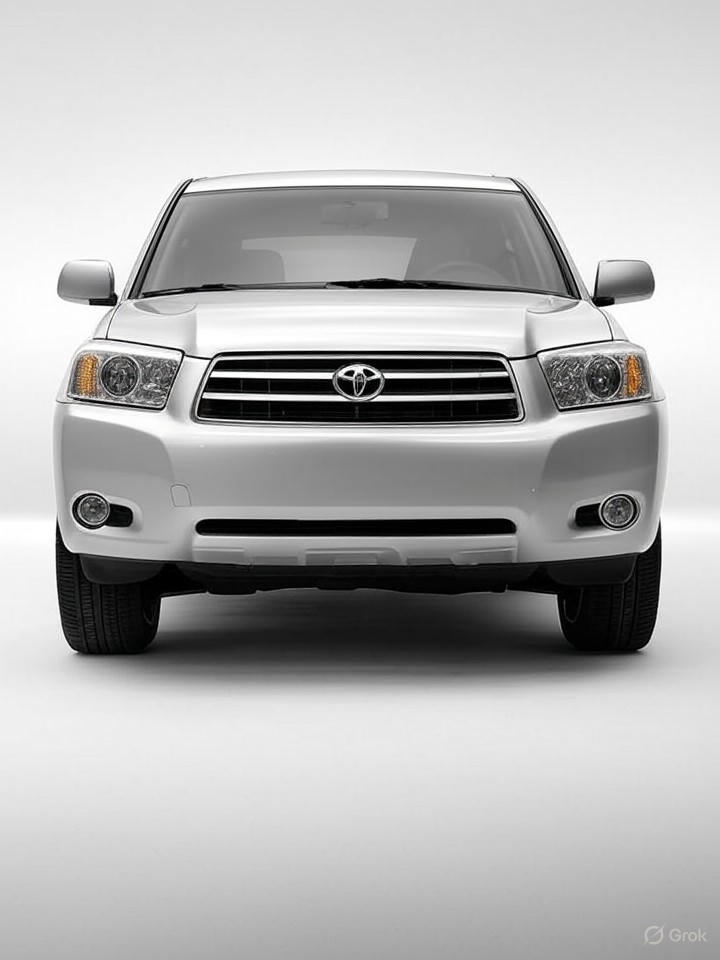
Same three-row family SUV mission, similar pricing used, Toyota's V6 has fewer VCM-related concerns. AWD versions are more capable in Wisconsin winters.
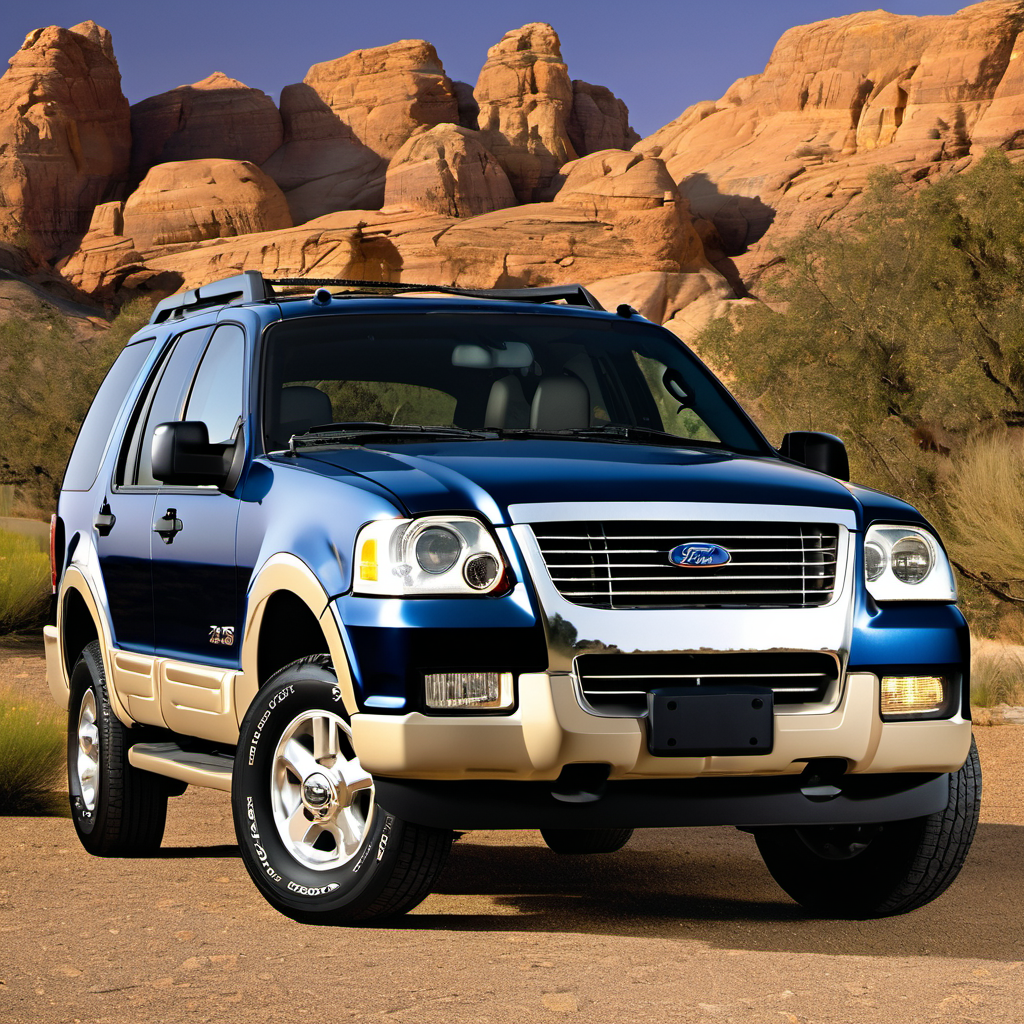
Body-on-frame alternative at similar used prices. More capable off-road and in snow with 4WD, though interior quality and ride refinement trail the Pilot.
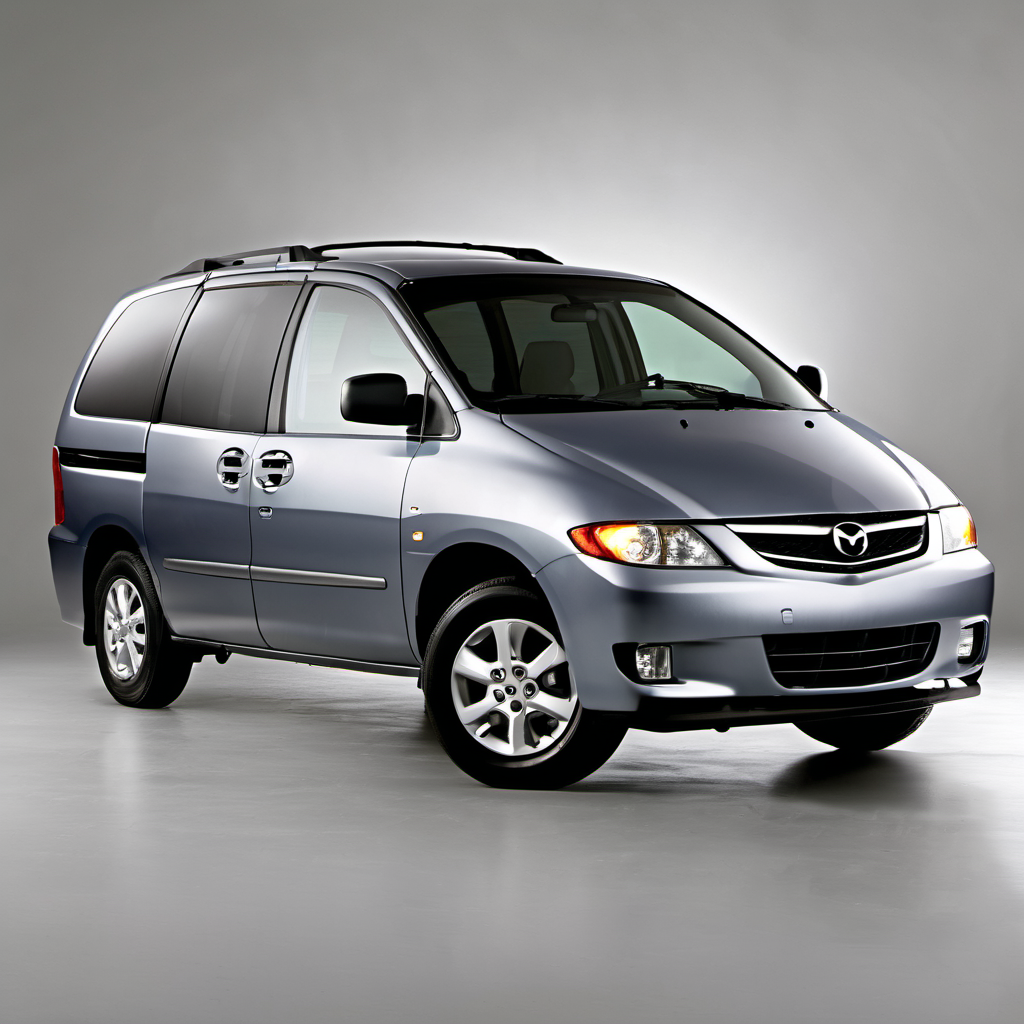
Smaller but similarly priced three-row option with a smoother ownership record; better fuel economy but less interior space and no real towing capacity.
Lower entry price used, AWD available, V6 option — though only two rows. Worth considering if third-row is rarely used and budget is the priority.