4.0L SOHC Timing Chain Stretch & VCT Solenoid Failure
high- Typically appears
- 80–150k mi
- Estimated repair
- $1,200 – $2,800
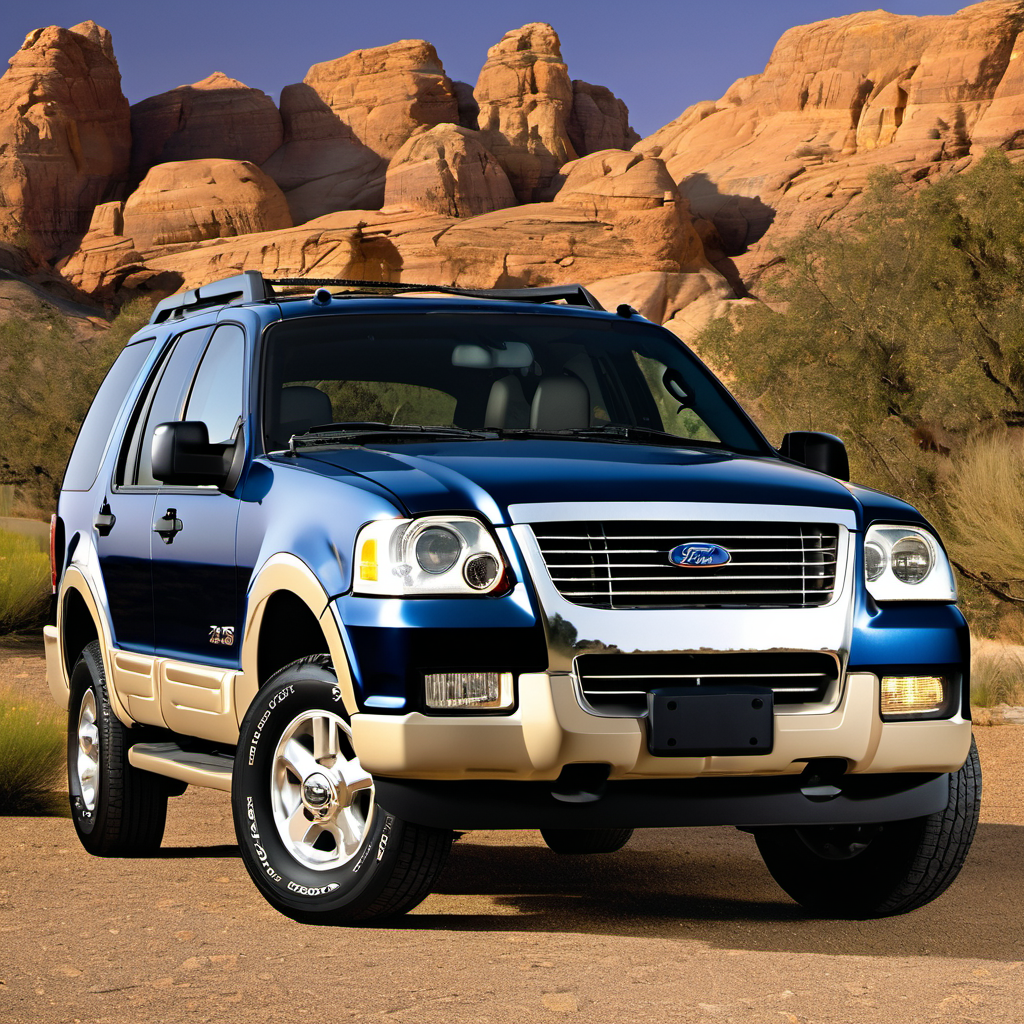
2006 Ford
4.0L SOHC V6 · SUV
The 2006 Ford Explorer is a fourth-generation body-on-frame midsize SUV that sat at the heart of Ford's lineup for years. By 2006, Ford had refined the platform with available V6 and V8 engines, a more carlike interior, and standard four-wheel disc brakes. It seats up to seven and offers genuine four-wheel-drive capability, making it useful as a daily driver and light off-road/towing rig. The fourth-gen Explorer (2006–2010) addressed some rollover-stability concerns of earlier generations by widening the track and lowering the center of gravity. It came standard with AdvanceTrac stability control, which was a meaningful safety upgrade. Towing capacity tops out around 7,300 lbs with the V8, making it competitive for boat and small trailer duty — relevant around Lake Geneva. That said, the 4.0L SOHC V6 has a well-documented timing chain and VCT (variable cam timing) problem that can be expensive. If you're buying a used 2006 Explorer, the engine under the hood matters a lot for long-term cost of ownership.
The 2006 Ford Explorer is a fourth-generation body-on-frame midsize SUV that sat at the heart of Ford's lineup for years. By 2006, Ford had refined the platform with available V6 and V8 engines, a more carlike interior, and standard four-wheel disc brakes. It seats up to seven and offers genuine four-wheel-drive capability, making it useful as a daily driver and light off-road/towing rig. The fourth-gen Explorer (2006–2010) addressed some rollover-stability concerns of earlier generations by widening the track and lowering the center of gravity. It came standard with AdvanceTrac stability control, which was a meaningful safety upgrade. Towing capacity tops out around 7,300 lbs with the V8, making it competitive for boat and small trailer duty — relevant around Lake Geneva. That said, the 4.0L SOHC V6 has a well-documented timing chain and VCT (variable cam timing) problem that can be expensive. If you're buying a used 2006 Explorer, the engine under the hood matters a lot for long-term cost of ownership.
The 4.0L SOHC timing chain and VCT solenoids are extremely sensitive to dirty oil. Sludge buildup is the #1 cause of the expensive timing chain failures on these engines.
Almost never done by prior owners. Fresh Mercon LV fluid prevents the internal wear that kills the BorgWarner transfer case. This is cheap insurance on a $900–$1,800 repair.
The 5R55S does not have a lifetime fluid — it needs regular changes to maintain shift quality and prevent early failure.
Inspect plastic thermostat housing and intake manifold area for leaks at each flush. Degraded coolant causes internal corrosion and accelerates plastic part failure.
Neglected plugs cause misfires and stress on coil packs. On the 4.0L, rear plugs are harder to access — do them on schedule to avoid a harder job later.
Four-wheel disc brakes absorb moisture in the fluid over time. Fresh fluid prevents internal caliper and ABS modulator corrosion — critical for Wisconsin winter stops.
Road salt is relentless on frame, brake lines, fuel lines, and floor pan. Catching rust early saves major repair costs. Spray exposed metal with a corrosion inhibitor each fall.
A battery that tests marginal in September will likely fail to start the Explorer at -10°F in January. At 18+ years old, most original batteries are long gone — verify the current one is up to spec.
Always defer to the manufacturer's service manual for warranty-mandated intervals.
A well-maintained 2006 Explorer with the 4.6L V8 can be a relatively affordable SUV to own day-to-day. The risk is the 4.0L V6 timing chain job, which can run $1,200–$2,800 and hits without warning on neglected examples. Budget for a transfer case fluid service, transmission service, and a thorough undercarriage rust inspection as immediate priorities on any used purchase. Fuel economy is the ongoing soft cost — this is not a frugal vehicle.
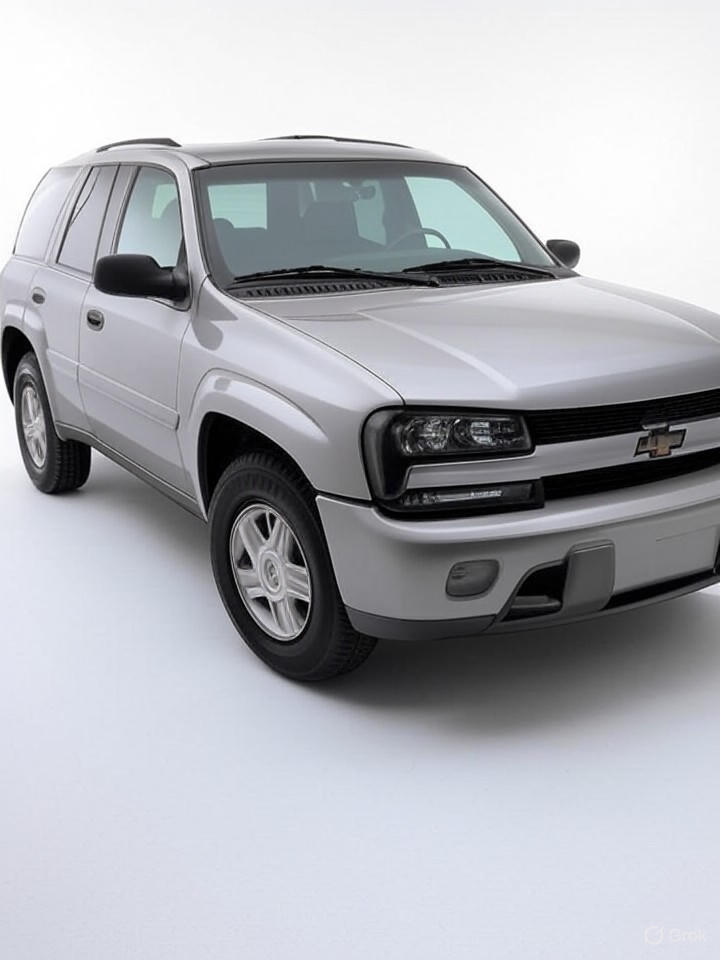
Same era, same body-on-frame midsize SUV segment, similar towing capacity. The inline-6 and LS V8 engines are more reliable than the 4.0L Ford V6. Worth cross-shopping at the same price point.
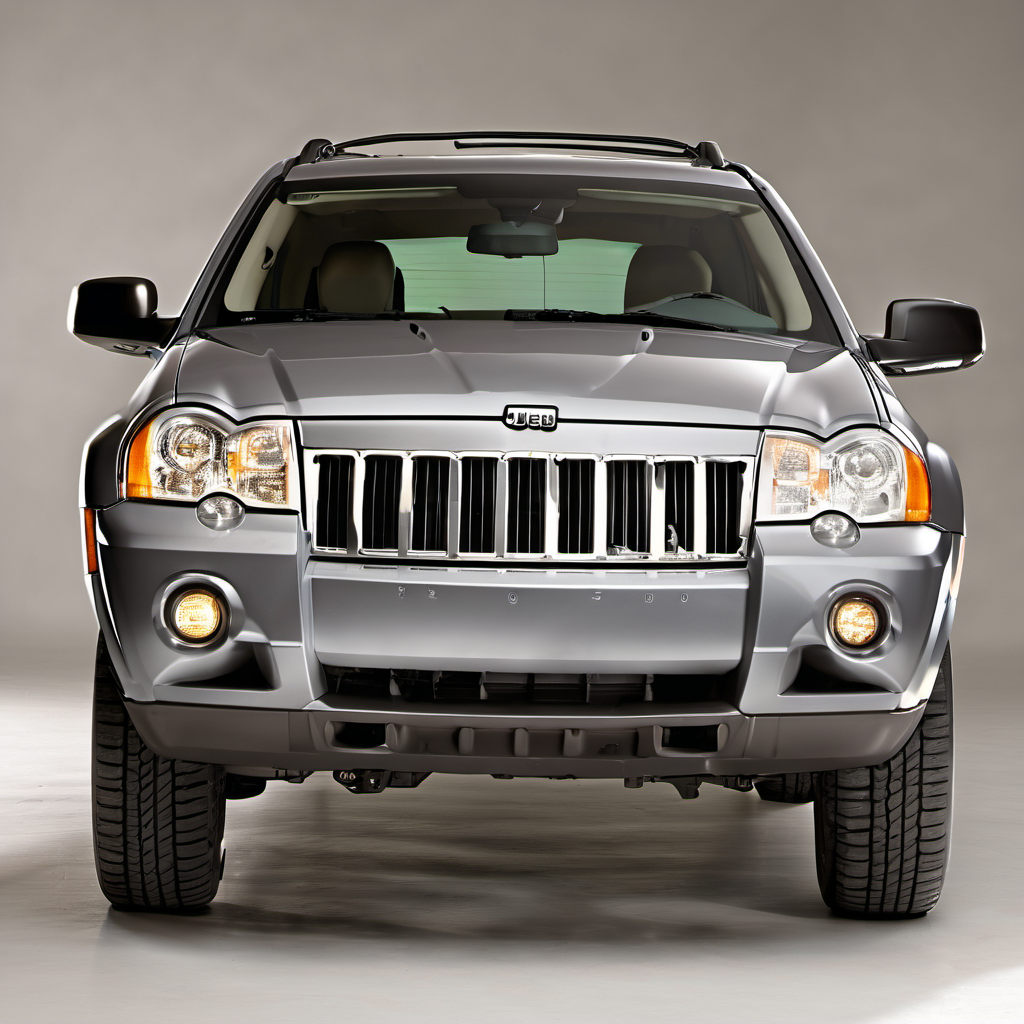
Competitive midsize SUV with available V8 and better off-road hardware. The 5.7L Hemi is a strong engine. Has its own reliability concerns (electronics, transfer case) but is a natural comparison.
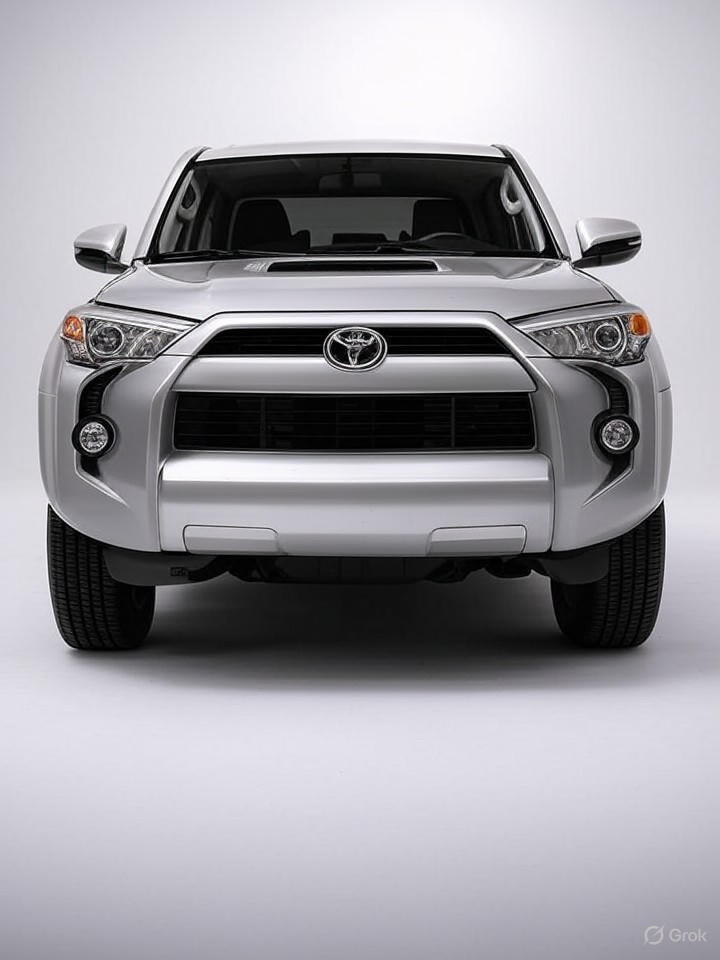
Body-on-frame, seven-passenger optional, similar 4WD capability. The 4.0L V6 in the 4Runner is far more reliable than Ford's 4.0L SOHC and commands higher resale for a reason.
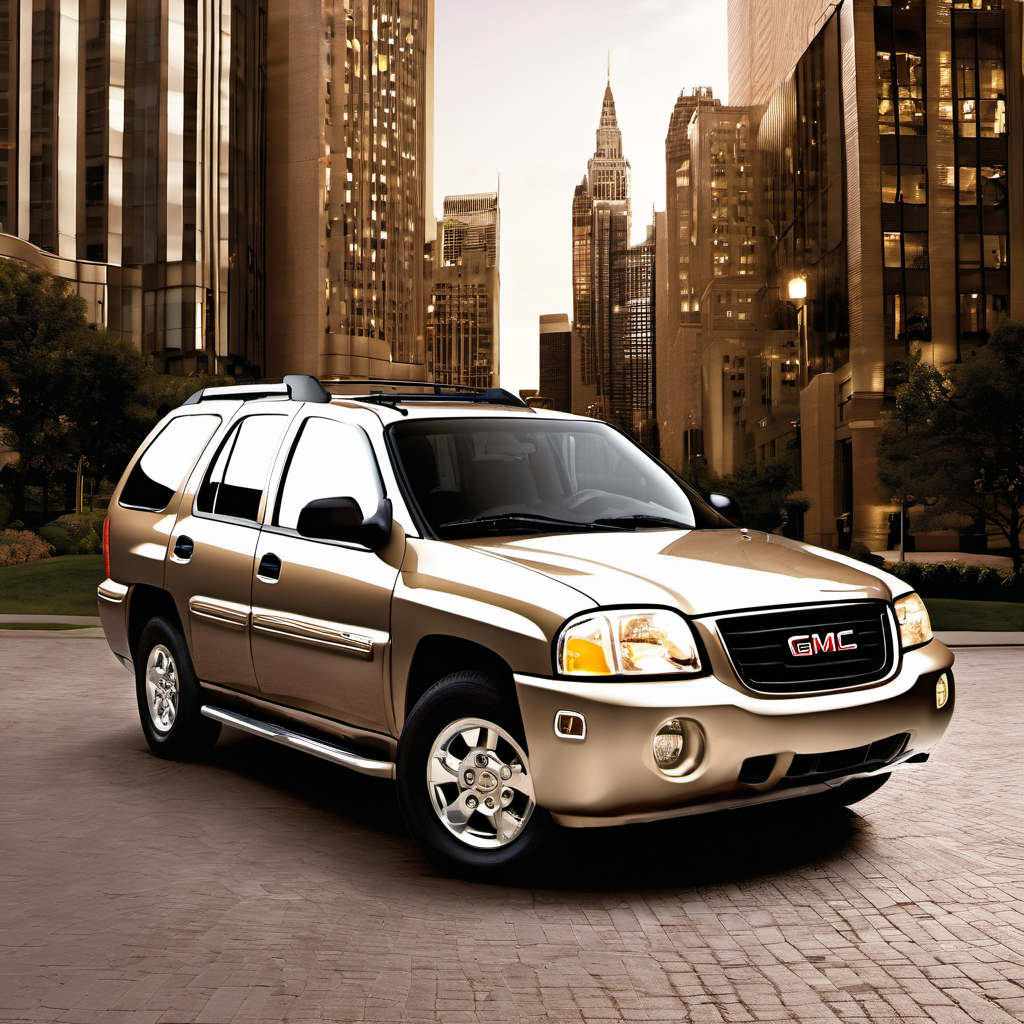
Direct GM counterpart to the TrailBlazer in the same price range. Similar platform, slightly more upmarket trim levels. The inline-6 engine is durable and parts are plentiful.