Timing Belt Failure / Skipped Timing
high- Typically appears
- 60–105k mi (and every 60k thereafter)
- Estimated repair
- $400 – $750
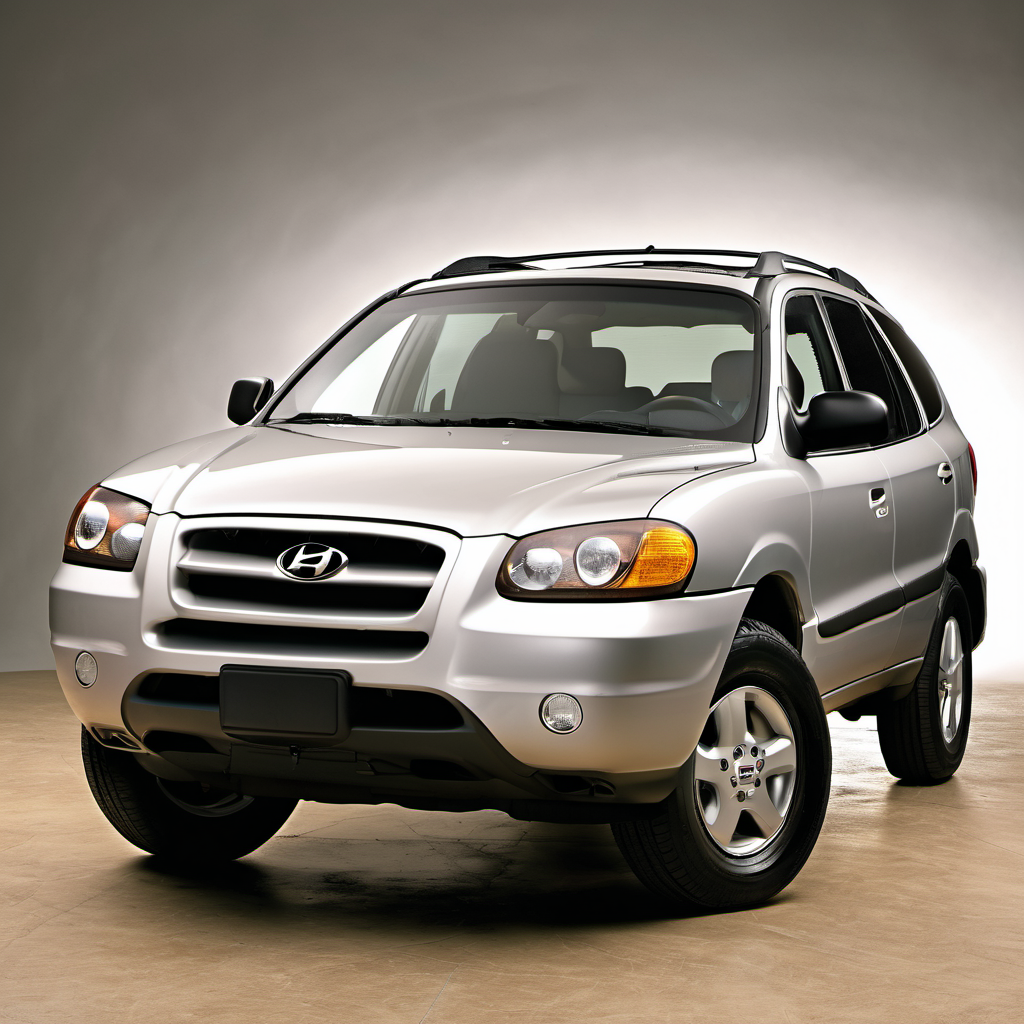
2006 Hyundai
SUV
The 2006 Hyundai Santa Fe is a first-generation compact SUV that represented Hyundai's serious push into the American crossover market. It offered a comfortable, car-like ride with a spacious interior for its class, and came in both four-cylinder and V6 configurations. At this point in Hyundai's history, build quality had improved noticeably over the late 1990s models, though it still lagged behind Japanese competitors in long-term durability. The 2.4L four-cylinder engine is the base powertrain — adequate for daily driving but not particularly quick, especially in FWD trim. The Santa Fe's real appeal was value: it offered a lot of standard features for the price, and depreciation made used examples a budget-friendly option. Now nearly 20 years old, a 2006 Santa Fe is firmly in high-mileage territory. Rust is the primary concern for any Wisconsin example — these vehicles were not galvanized to the same standard as Japanese or German competitors, and road salt exposure over two decades can cause serious undercarriage damage. Mechanically, survivors with documented service histories can still be solid daily drivers, but due diligence on rust, timing components, and automatic transmission health is essential before buying.
The 2006 Hyundai Santa Fe is a first-generation compact SUV that represented Hyundai's serious push into the American crossover market. It offered a comfortable, car-like ride with a spacious interior for its class, and came in both four-cylinder and V6 configurations. At this point in Hyundai's history, build quality had improved noticeably over the late 1990s models, though it still lagged behind Japanese competitors in long-term durability. The 2.4L four-cylinder engine is the base powertrain — adequate for daily driving but not particularly quick, especially in FWD trim. The Santa Fe's real appeal was value: it offered a lot of standard features for the price, and depreciation made used examples a budget-friendly option. Now nearly 20 years old, a 2006 Santa Fe is firmly in high-mileage territory. Rust is the primary concern for any Wisconsin example — these vehicles were not galvanized to the same standard as Japanese or German competitors, and road salt exposure over two decades can cause serious undercarriage damage. Mechanically, survivors with documented service histories can still be solid daily drivers, but due diligence on rust, timing components, and automatic transmission health is essential before buying.
This is a non-negotiable service on the 2.4L interference engine. A broken belt means bent valves and a ruined engine. If the service history is unknown, treat it as overdue immediately.
The 4-speed automatic runs hotter and degrades fluid faster than many drivers expect. Fresh fluid is the cheapest transmission insurance available. Use Hyundai-spec ATF only.
Prevents sludge buildup that clogs oil passages and accelerates engine wear on high-mileage examples. Use 5W-20 or 5W-30 per the owner's manual.
Degraded coolant loses corrosion inhibitors, accelerating water pump and radiator wear. Critical on an 18-year-old vehicle — many of these have never had a flush.
Wisconsin road salt causes brake and fuel line corrosion from the outside in. A corroded brake line can fail without warning. Inspect every year and replace at first sign of pitting or rust scale.
The 2.4L does not use iridium plugs from the factory. Standard plugs at this interval keep ignition performance and fuel economy optimal.
Cracked CV boots are common at this age. A torn boot lets grease escape and lets dirt in, destroying the joint quickly. Catching a torn boot early saves the cost of a full axle replacement.
Wisconsin winters demand a strong battery. Cold cranking amps drop sharply in sub-zero temps, and a battery that passes a warm-weather test can fail on a January morning. Any battery over 4 years old should be load-tested before winter.
Always defer to the manufacturer's service manual for warranty-mandated intervals.
Routine maintenance on a 2006 Santa Fe runs $700–$1,800/year at an independent shop for an average-mileage Wisconsin driver. The real financial risk is major repairs: a transmission rebuild ($2,000–$3,500), timing belt failure/engine repair ($2,500–$6,000+), or extensive rust remediation ($500–$4,000+) can each exceed the vehicle's current market value. Budget conservatively and keep a repair reserve — this is an 18-year-old vehicle.
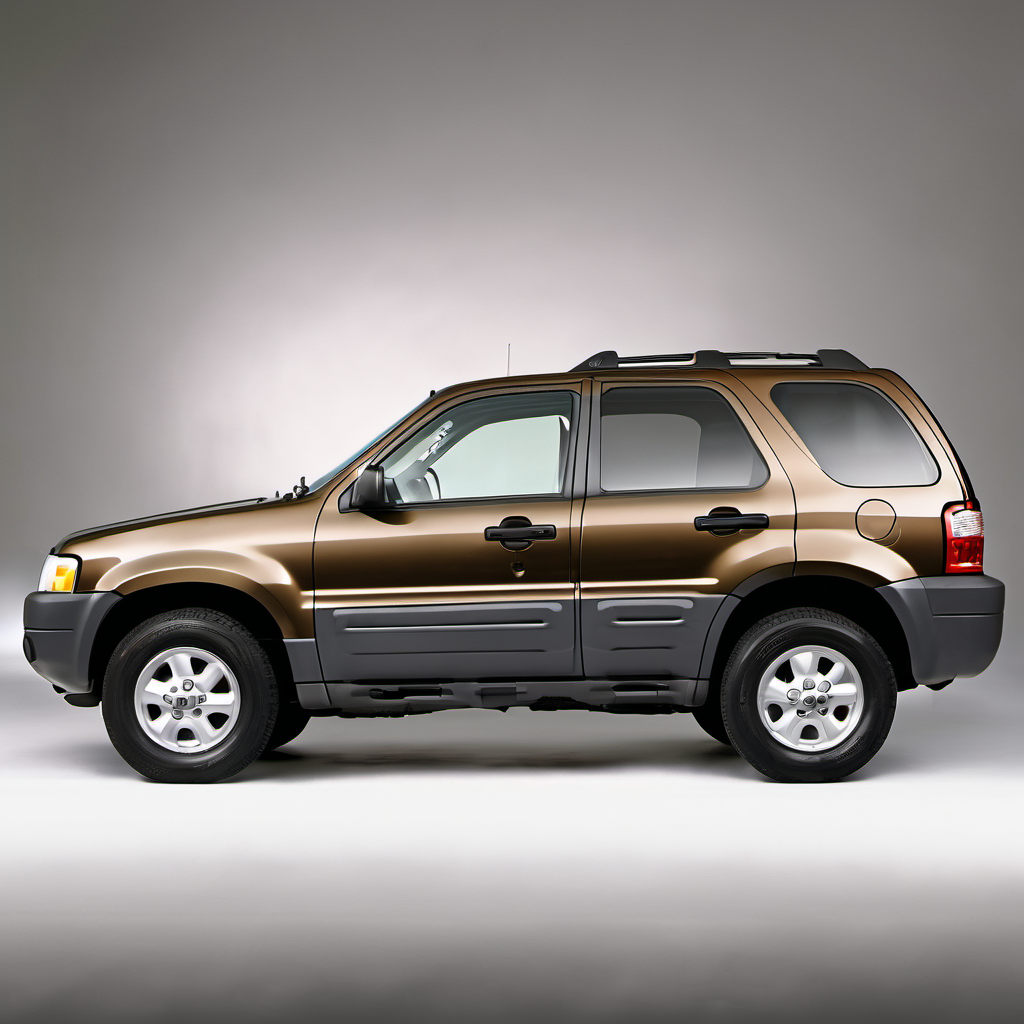
Same compact SUV segment and price range. The 2.3L I4 Escape is similarly priced used, offers better parts availability, but shares some transmission concerns at high mileage.
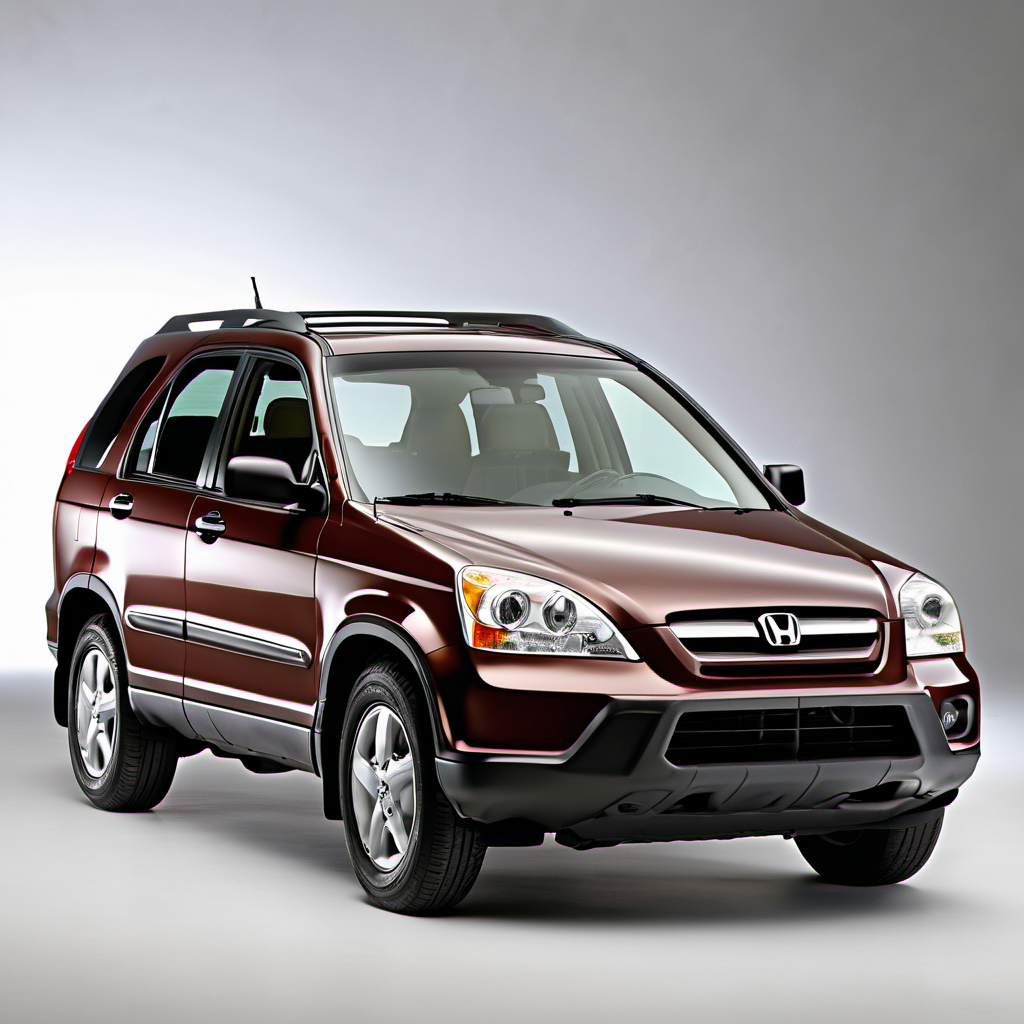
Direct competitor in compact SUV. Generally more reliable long-term and more rust-resistant, with better resale — but commands a higher used price for the same reason.
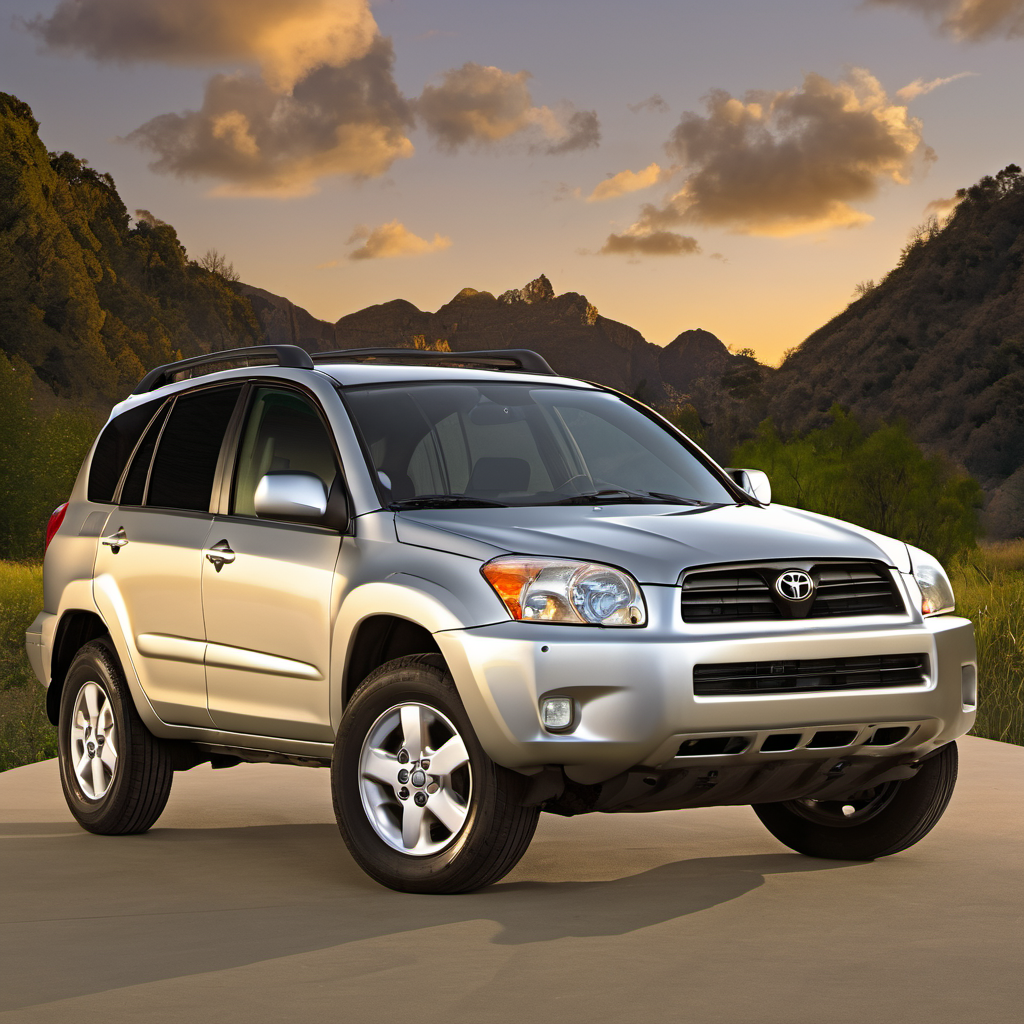
Similar mission, similar size. The RAV4 has a stronger long-term reliability reputation and better rust resistance, making it a safer bet for a high-mileage Wisconsin purchase.

Platform-sibling to the Santa Fe under the Hyundai-Kia umbrella. Shares many mechanical components, slightly smaller footprint, and carries the same maintenance considerations.