VVT-i Oil Sludge / Camshaft Timing Faults
medium- Typically appears
- 80–150k mi
- Estimated repair
- $400 – $1,800
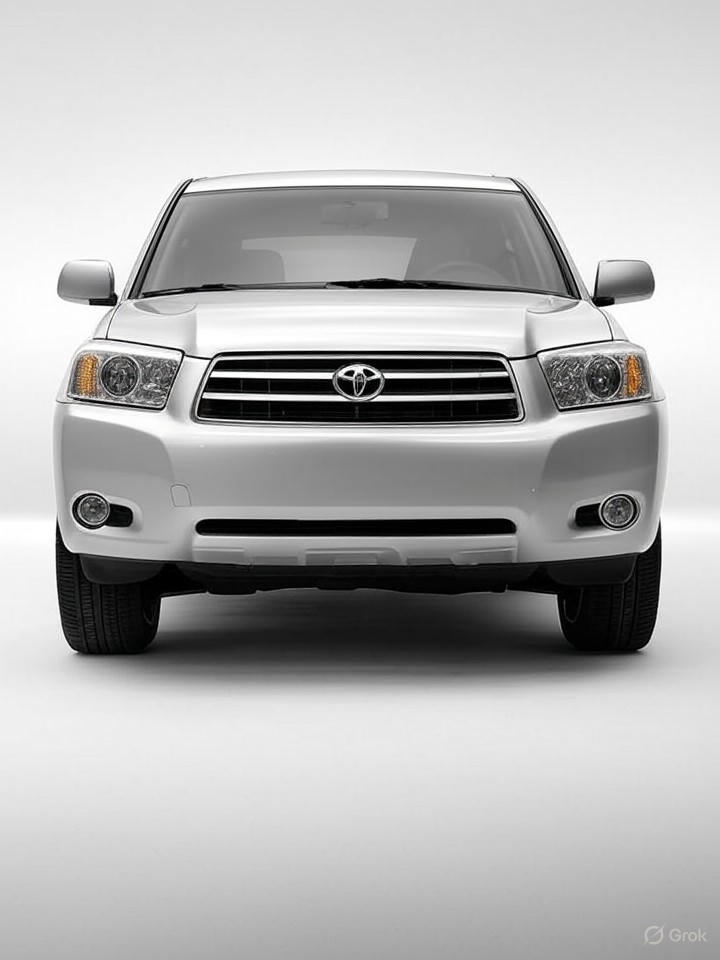
2006 Toyota
SUV
The 2006 Toyota Highlander is a mid-size crossover SUV riding on Toyota's car-based platform, meaning it drives more like a large sedan than a truck — comfortable, composed, and easy to park. The first-generation Highlander (2001–2007) earned a strong reputation for durability and low drama, and the 2006 model sits near the end of that proven run. It was offered with a 2.4L 4-cylinder or 3.3L V6, in FWD or AWD configurations, and with available third-row seating on V6 models. For a vehicle now approaching 20 years old, the Highlander holds up well mechanically when maintained. The 4-cylinder FWD variant is the most affordable to own and the simplest to service, though it gives up the towing and AWD capability of the V6. Fuel economy is respectable for its era and size. Buyers looking at used examples will find many have crossed 150–200k miles and are still running strong — a genuine testament to the platform. The main watch-outs at this age are rust (especially critical here in Wisconsin), VVT-i sludge from neglected oil changes, and the wear items you'd expect on any 18-year-old vehicle.
The 2006 Toyota Highlander is a mid-size crossover SUV riding on Toyota's car-based platform, meaning it drives more like a large sedan than a truck — comfortable, composed, and easy to park. The first-generation Highlander (2001–2007) earned a strong reputation for durability and low drama, and the 2006 model sits near the end of that proven run. It was offered with a 2.4L 4-cylinder or 3.3L V6, in FWD or AWD configurations, and with available third-row seating on V6 models. For a vehicle now approaching 20 years old, the Highlander holds up well mechanically when maintained. The 4-cylinder FWD variant is the most affordable to own and the simplest to service, though it gives up the towing and AWD capability of the V6. Fuel economy is respectable for its era and size. Buyers looking at used examples will find many have crossed 150–200k miles and are still running strong — a genuine testament to the platform. The main watch-outs at this age are rust (especially critical here in Wisconsin), VVT-i sludge from neglected oil changes, and the wear items you'd expect on any 18-year-old vehicle.
The 2AZ-FE is sludge-prone when oil is left too long. Use 5W-30 full synthetic. This is the single most important thing you can do to protect this engine's VVT-i system and avoid expensive camshaft-related repairs.
Toyota's Long Life Coolant degrades and becomes acidic over time, attacking the water pump and radiator. At 18+ years old, this should already be done — verify it has been.
Toyota rates the auto trans fluid as 'lifetime,' but on a used vehicle this age, a fluid change is cheap insurance. Dark, burnt-smelling fluid is a red flag.
The 2.4L uses iridium plugs with a long service life, but worn plugs hurt fuel economy and can cause misfires at cold starts — especially noticeable in Wisconsin winters.
Salt accelerates seizure of caliper slide pins. Clean, grease, and inspect at every brake job to prevent uneven wear and rotor damage.
CV boots crack in cold weather, allowing grease to escape and grit to enter. Catching a split boot early avoids replacing the entire axle shaft.
A clogged cabin filter strains the blower motor and reduces defrost effectiveness — a real issue in Wisconsin winters when you need maximum airflow.
At this age, inspect brake lines, fuel lines, and frame welds for rust perforation. Address early with rust-inhibiting treatment; perforated brake lines are a safety emergency.
Always defer to the manufacturer's service manual for warranty-mandated intervals.
The 4-cylinder FWD Highlander is one of the cheaper mid-size SUVs to own over time. Routine maintenance is inexpensive and parts are widely available. The main cost wildcard on an 18-year-old example is deferred maintenance catch-up — expect $500–$1,500 upfront to address anything that's been skipped, especially cooling system, brakes, and suspension bushings.
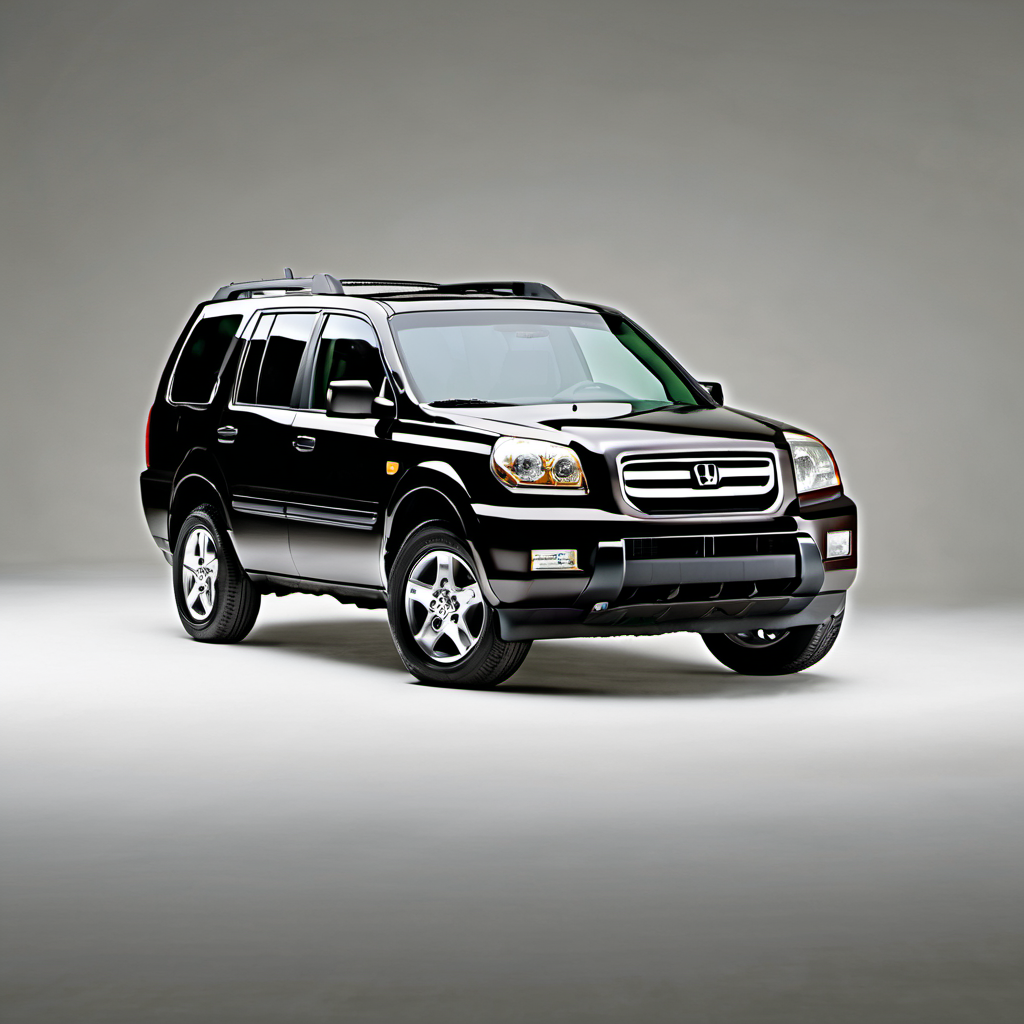
Same era, similar family-SUV mission, car-based platform, comparable reliability. The Pilot offers standard V6 power and more interior space, but is slightly thirstier and has its own maintenance considerations.
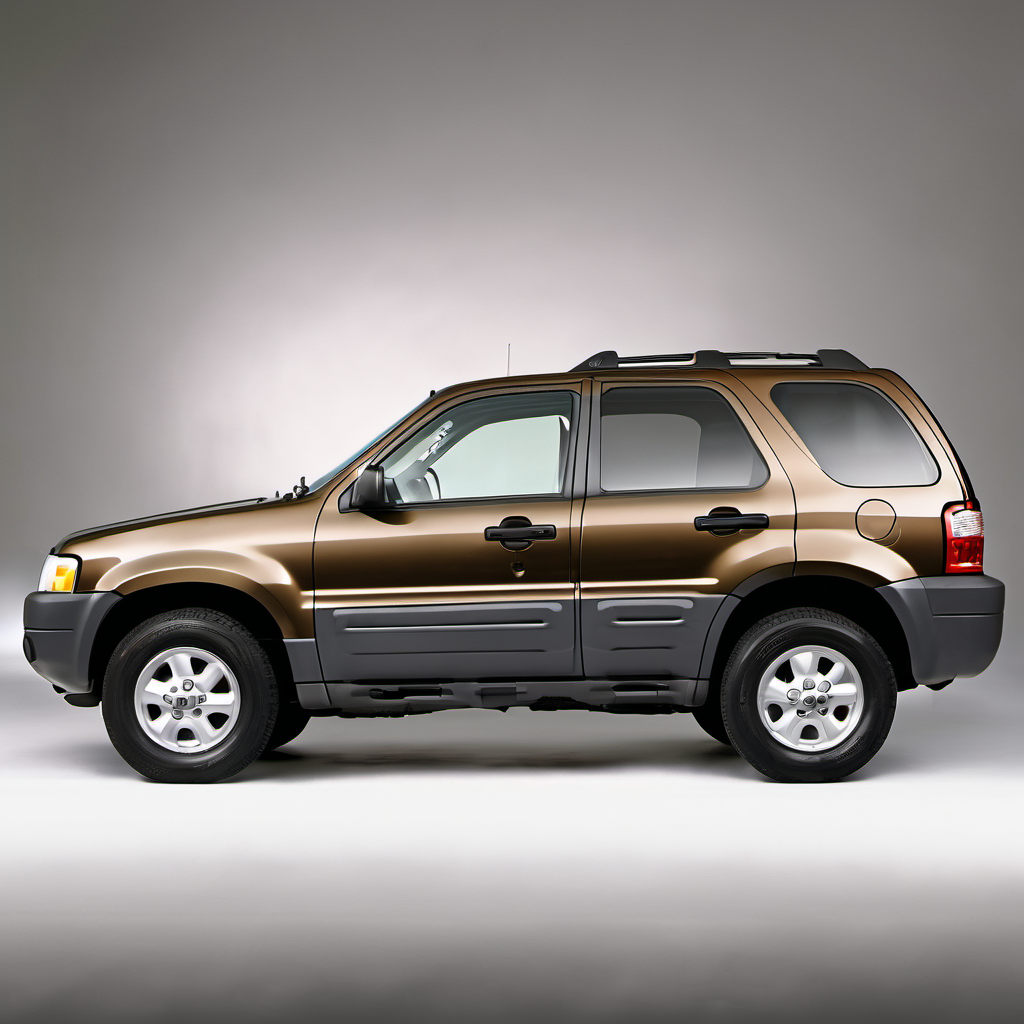
Smaller footprint and lower price point, but similar FWD/AWD crossover mission. A step down in interior space and long-term durability compared to the Highlander.
Sporty alternative in the same segment. More engaging to drive but the turbocharged engine requires premium fuel and more frequent oil changes — higher long-term cost than the Highlander.
No catalog match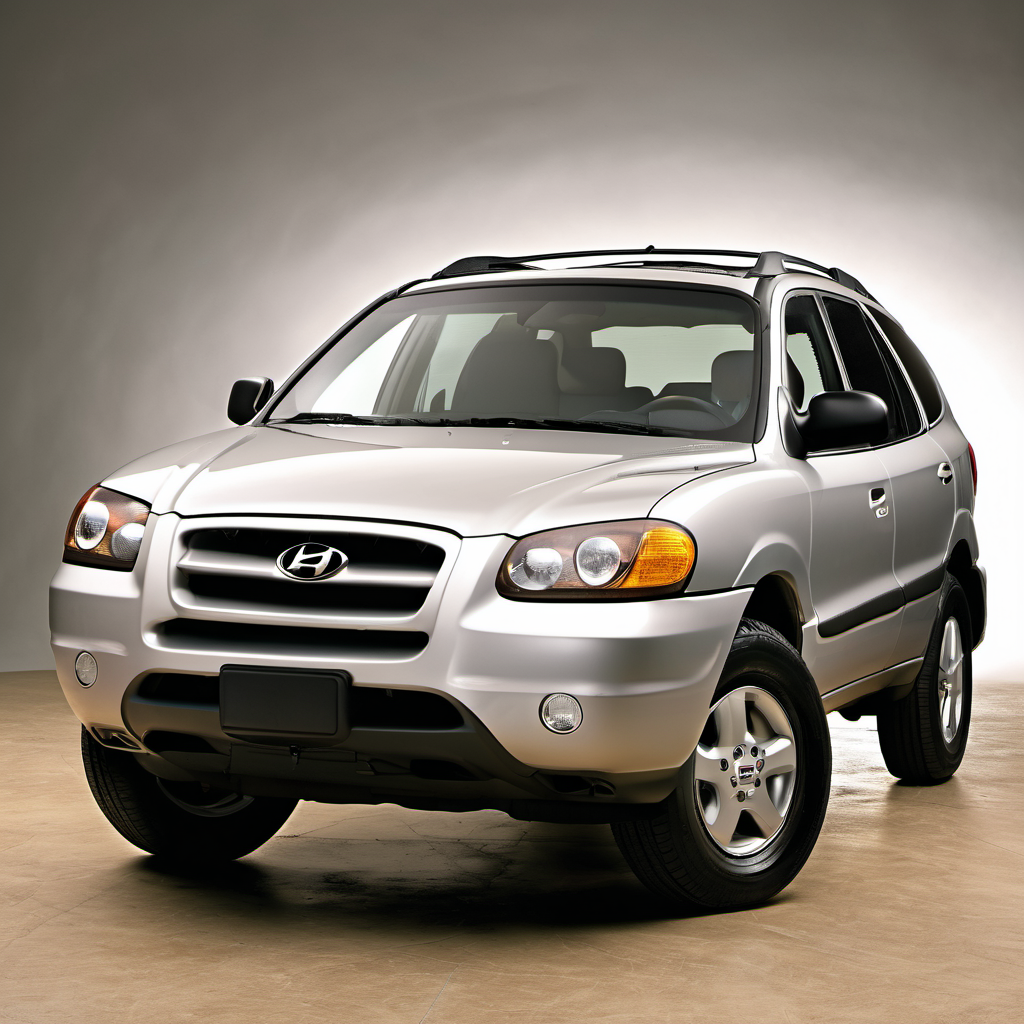
Budget-friendly competitor with similar sizing. Lower initial cost but doesn't match the Highlander's long-term durability track record, especially at high mileage.