VVT / Camshaft Timing System Faults
high- Typically appears
- 80–150k mi
- Estimated repair
- $300 – $900
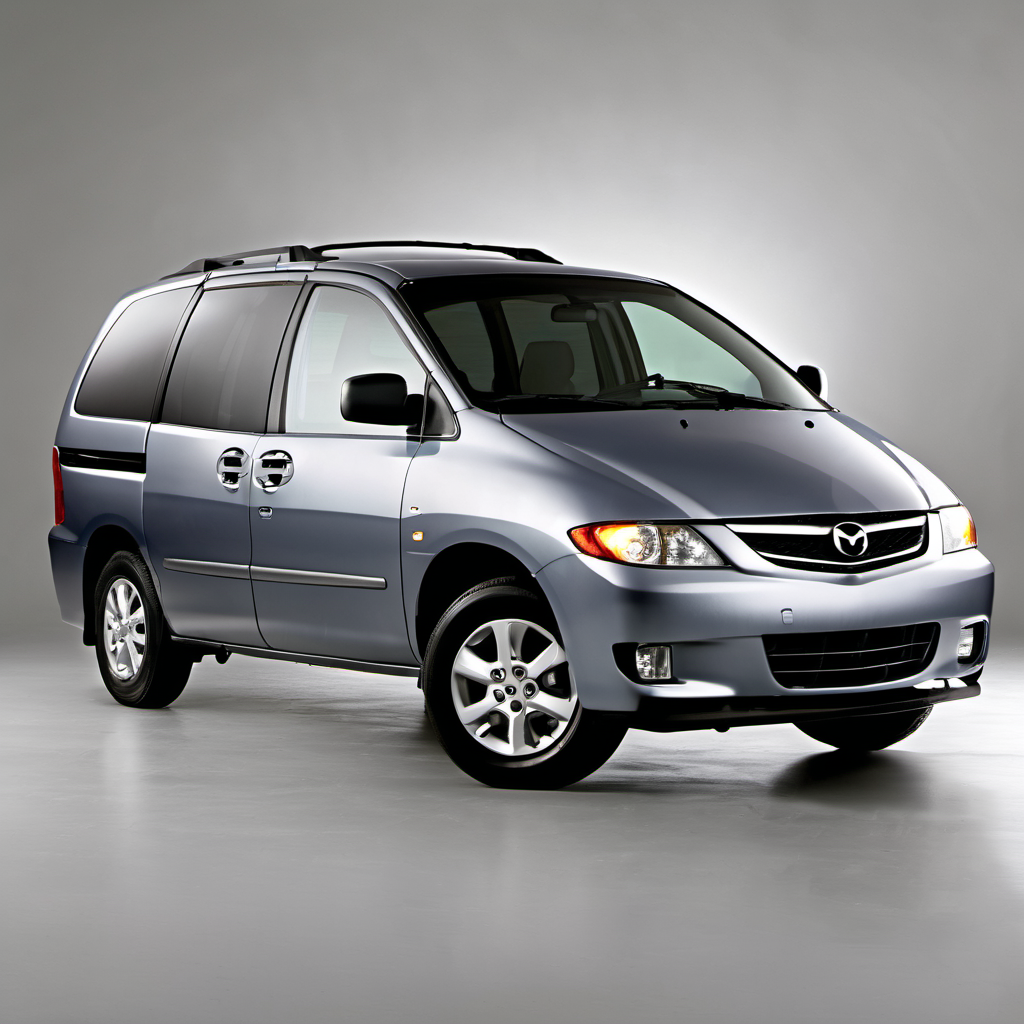
2006 MAZDA
Van/Minivan
The 2006 Mazda MPV is the final model year of the second-generation MPV, a compact minivan that Mazda produced from 2000–2006. It slots below the Odyssey and Sienna in size and price, making it a practical choice for smaller families who want minivan convenience without the bulk. Powered by a 3.0L V6 and front-wheel drive, it offers a more car-like driving feel than most minivans of its era. The MPV was discontinued after 2006, which means parts availability has narrowed over time. Most mechanical pieces are still sourceable, but some body and trim components are getting harder to find. That said, the platform is generally solid and the V6 is a known, serviceable unit. For buyers in the Lake Geneva area, the MPV's lower ride height and FWD setup are worth noting — it handles packed snow reasonably well but isn't as capable as a taller AWD vehicle in deep accumulation. Rust from road salt is a real concern on any example this age.
The 2006 Mazda MPV is the final model year of the second-generation MPV, a compact minivan that Mazda produced from 2000–2006. It slots below the Odyssey and Sienna in size and price, making it a practical choice for smaller families who want minivan convenience without the bulk. Powered by a 3.0L V6 and front-wheel drive, it offers a more car-like driving feel than most minivans of its era. The MPV was discontinued after 2006, which means parts availability has narrowed over time. Most mechanical pieces are still sourceable, but some body and trim components are getting harder to find. That said, the platform is generally solid and the V6 is a known, serviceable unit. For buyers in the Lake Geneva area, the MPV's lower ride height and FWD setup are worth noting — it handles packed snow reasonably well but isn't as capable as a taller AWD vehicle in deep accumulation. Rust from road salt is a real concern on any example this age.
The VVT solenoids and passages are narrow; sludge from extended oil change intervals is the single biggest cause of expensive VVT and camshaft timing failures on this engine. Use a quality full-synthetic 5W-20.
Mazda's spec ATF is critical. Using the wrong fluid causes shudder and premature clutch wear. If the fluid looks dark brown or smells burnt, change it immediately regardless of mileage.
Old coolant loses its anti-corrosion inhibitors; the aluminum engine components and heater core are vulnerable. In Wisconsin, confirm freeze protection to at least -34°F before winter.
The rear bank of plugs on this transversely mounted V6 is awkward to access. Replacing on schedule prevents breakage from plugs that have been in too long. Use OEM-spec iridium or platinum plugs.
Brake fluid is hygroscopic and absorbs moisture over time, lowering boiling point and promoting internal corrosion in the ABS modulator — especially relevant in humid Wisconsin summers and salty winters.
Road grit and Wisconsin winter grime pack into the door tracks. Clean and lubricate the rollers, track, and cable guide annually to avoid the much more expensive motor and cable replacement.
At this age, an annual inspection of brake lines, fuel lines, subframe, and rocker panels for rust is essential. Catching surface rust early and treating it is far cheaper than structural repairs or brake line replacement in an emergency.
A battery that passes a voltage test in summer can fail a cold-cranking load test. Sub-zero Lake Geneva winters will expose a weak battery fast. Replace any battery over 4–5 years old proactively.
Always defer to the manufacturer's service manual for warranty-mandated intervals.
The MPV has a low purchase price at this age, and routine maintenance is affordable at an independent shop. The real cost risk is deferred maintenance catching up — a neglected VVT system or transmission can cost more to fix than the vehicle is worth. Budget toward the higher end if the service history is unknown. Rust repair can push annual costs significantly higher on heavily corroded examples.

The Odyssey is the gold standard for used minivan reliability and has better long-term parts support, but it costs more and is larger. A well-maintained Odyssey will generally outlast an MPV.
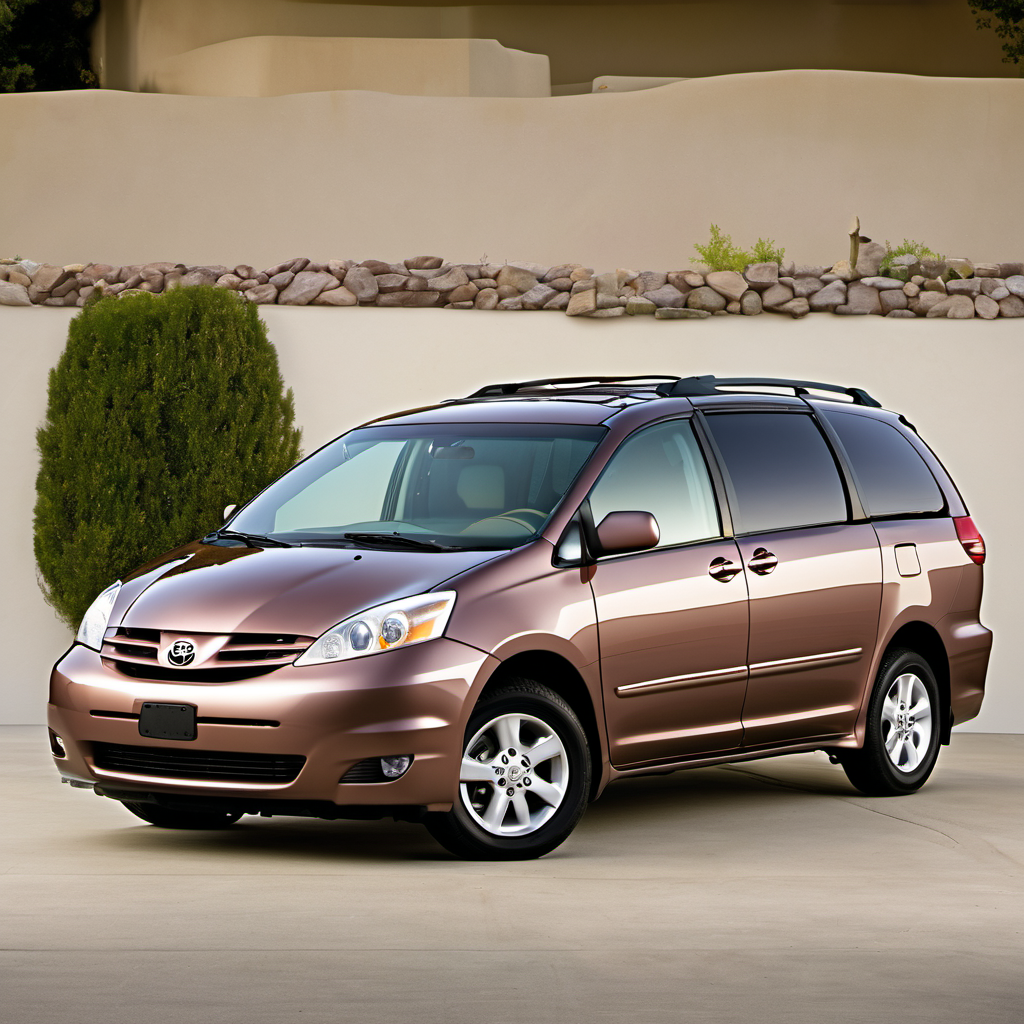
Similar price range used, top-tier reliability, and AWD was available — a major advantage for Wisconsin winters. Slightly larger and parts are easier to find than the MPV.
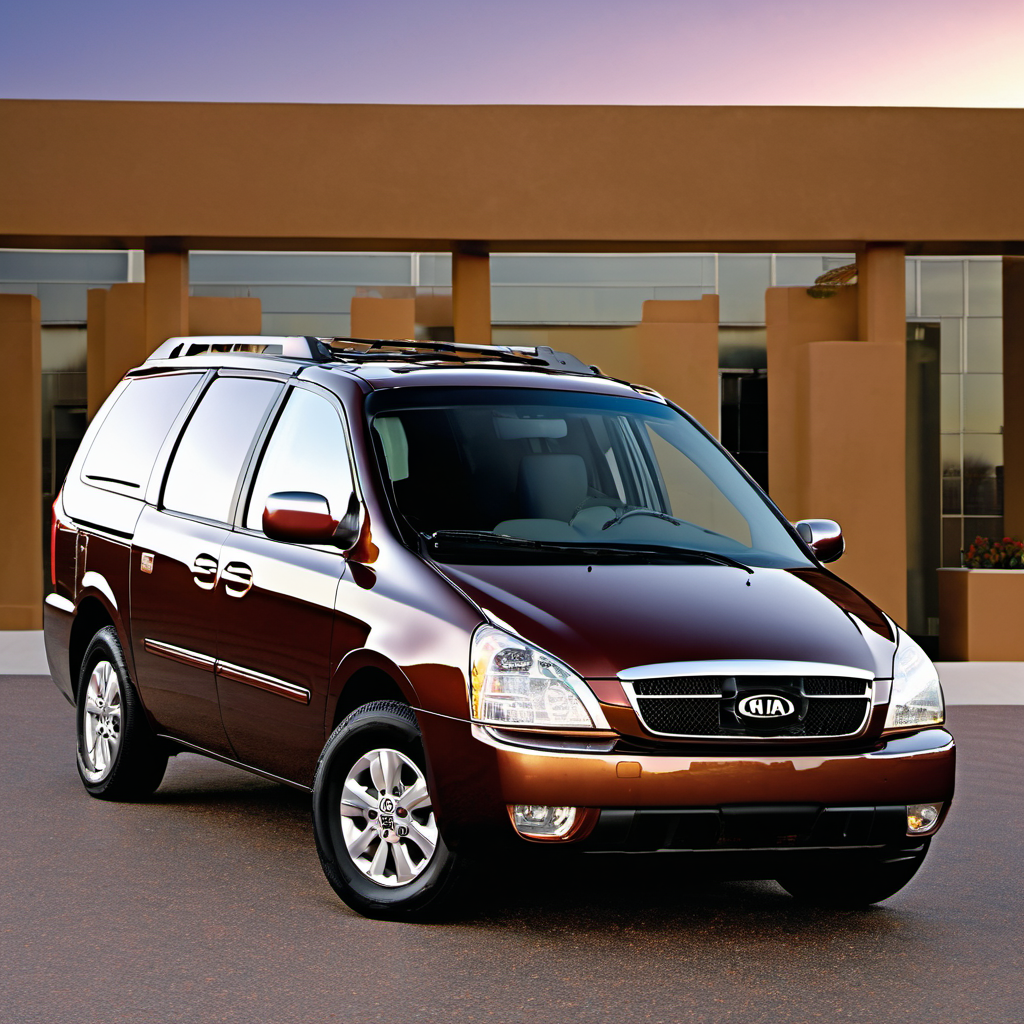
Priced similarly used, V6 powered, and parts are still widely available. Reliability is a step below Toyota/Honda but comparable to the MPV, often with more features per dollar.
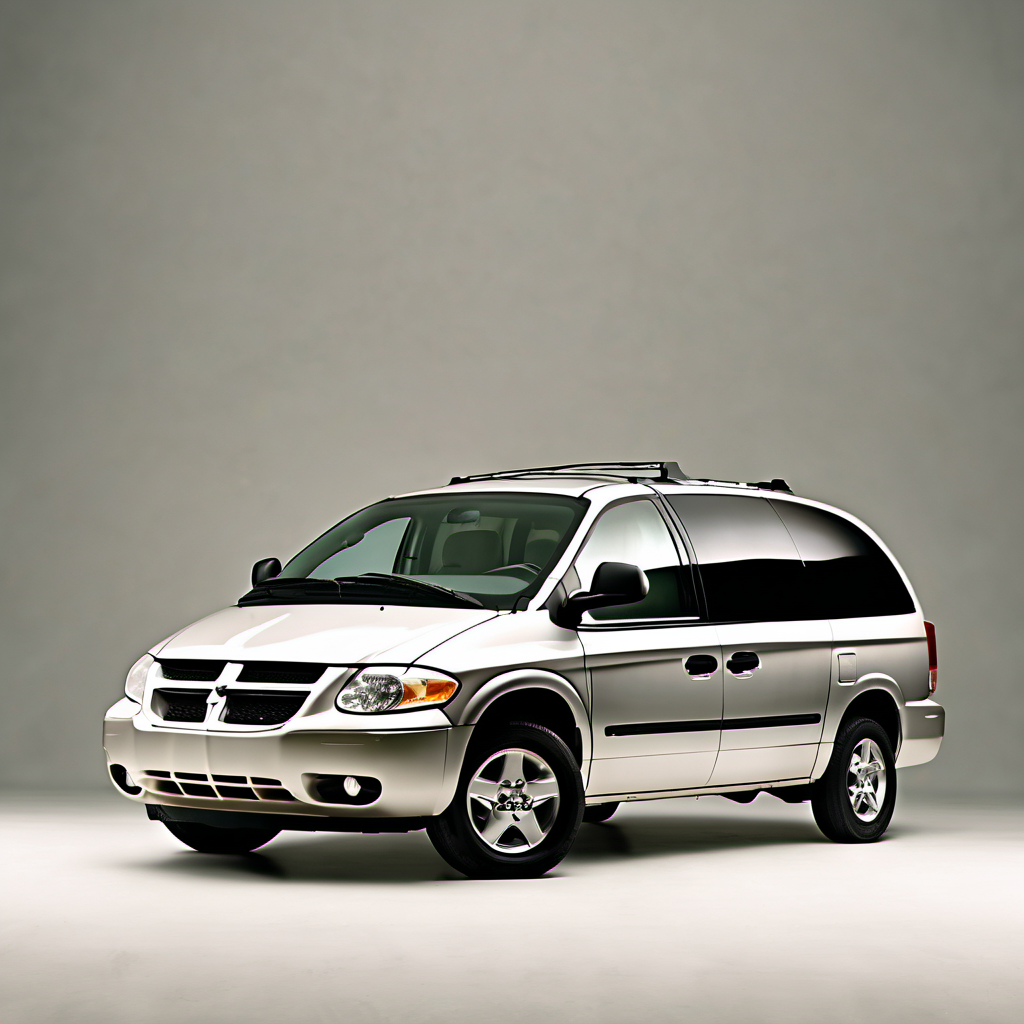
Cheapest entry point in the segment used, and parts are everywhere. Reliability is noticeably lower, especially the transmission, but the Stow 'n Go seating is genuinely useful and repair costs are low due to volume.