Fan Clutch Failure
high- Typically appears
- 80–150k mi
- Estimated repair
- $250 – $550
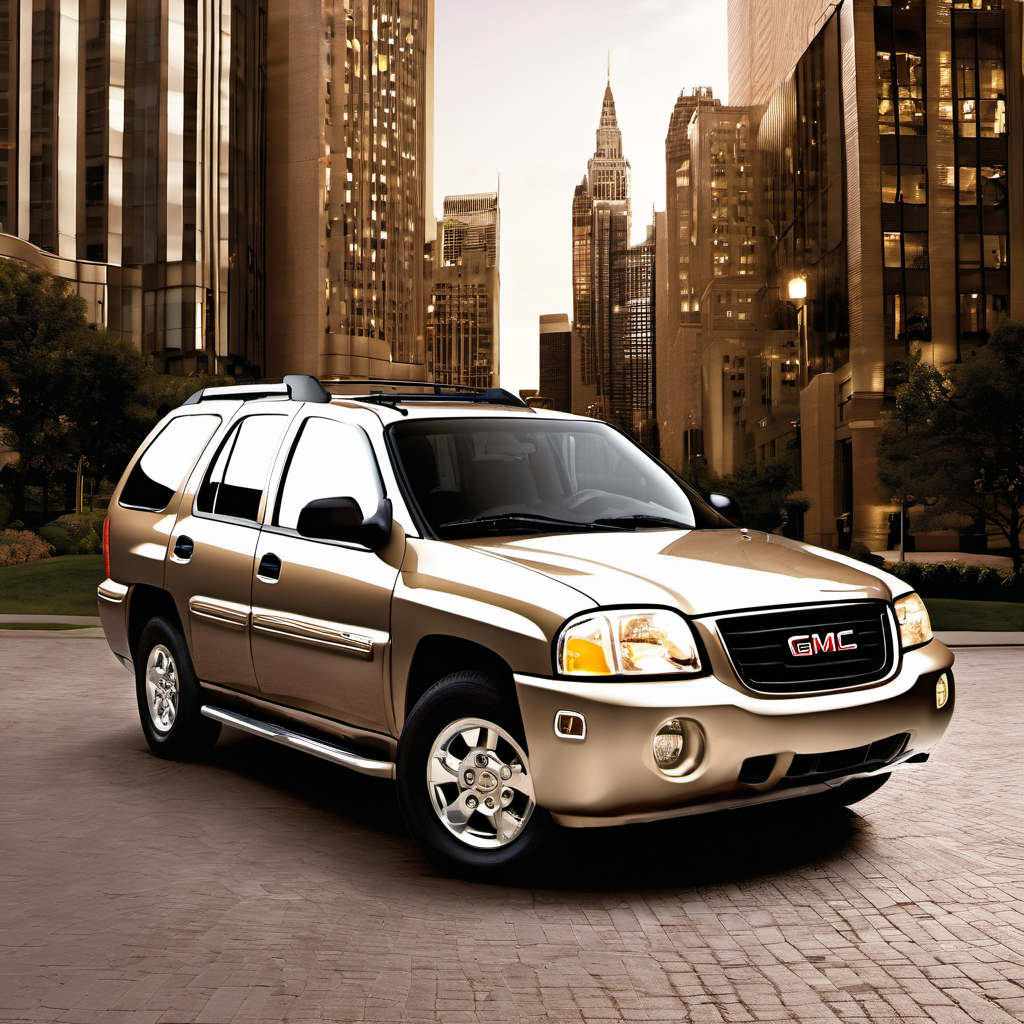
2006 GMC
SUV
The 2006 GMC Envoy is a mid-size body-on-frame SUV built on GM's GMT360 platform, shared with the Chevy TrailBlazer, Buick Rainier, and Isuzu Ascender. It slots between compact crossovers and full-size trucks, offering genuine towing capability (up to 4,200 lbs), a roomy cabin, and available 4WD — all wrapped in a traditional truck-based package. Under the hood, the standard powerplant is GM's 4.2L Atlas inline-six, a torquey and generally robust engine that was ahead of its time in design. A 5.3L V8 was optional. The inline-six pairs with a 4-speed automatic and delivers adequate real-world performance, though fuel economy is a clear weak point by any modern standard. By 2006 this generation was near the end of its run (it was discontinued after 2009), and while it earned a solid reputation for durability, it carries well-documented issues with its intake manifold gaskets, transfer case encoder motors, and electrical gremlins that are worth scrutinizing on any used example at this age and mileage.
The 2006 GMC Envoy is a mid-size body-on-frame SUV built on GM's GMT360 platform, shared with the Chevy TrailBlazer, Buick Rainier, and Isuzu Ascender. It slots between compact crossovers and full-size trucks, offering genuine towing capability (up to 4,200 lbs), a roomy cabin, and available 4WD — all wrapped in a traditional truck-based package. Under the hood, the standard powerplant is GM's 4.2L Atlas inline-six, a torquey and generally robust engine that was ahead of its time in design. A 5.3L V8 was optional. The inline-six pairs with a 4-speed automatic and delivers adequate real-world performance, though fuel economy is a clear weak point by any modern standard. By 2006 this generation was near the end of its run (it was discontinued after 2009), and while it earned a solid reputation for durability, it carries well-documented issues with its intake manifold gaskets, transfer case encoder motors, and electrical gremlins that are worth scrutinizing on any used example at this age and mileage.
The 4.2L Atlas has variable valve timing components that are highly sensitive to oil cleanliness. Sludge from extended intervals is a primary cause of P0012/P0015-style VVT codes and early cam phaser wear.
Neglected transfer case fluid accelerates encoder motor and chain wear. This is the single most under-serviced item on GMT360 trucks and a top cause of costly 4WD failures.
Contaminated differential fluid causes premature bearing and clutch pack wear, especially on 4WD-equipped examples driven through Wisconsin winters.
Degraded coolant accelerates corrosion in the aluminum-head 4.2L. Wisconsin's temperature swings make this especially important — weak coolant loses freeze protection and causes internal leaks.
Factory iridium plugs are long-lived but worn plugs stress ignition coils. Replace the full set together; individual coil replacement often follows neglected plugs.
Hygroscopic brake fluid absorbs moisture over time, lowering boiling point and accelerating caliper corrosion — both aggravated by Wisconsin road salt exposure.
The GMT360 body-on-frame chassis has multiple grease zerks on ball joints, tie rods, and U-joints. Dry joints are a common cause of premature front-end wear, especially after salted-road winters.
Fan clutch failure is the single most common repair on the Atlas 4.2L. A failed clutch causes engine overheating and the roaring noise is often mistaken for a wheel bearing. Catch it early.
Always defer to the manufacturer's service manual for warranty-mandated intervals.
The Envoy is inexpensive to buy used but carries real ongoing costs. Fuel is the biggest line item. Maintenance is straightforward and parts are widely available and affordable. Budget for at least one major repair (fan clutch, encoder motor, or front-end components) in any given ownership year on a high-mileage example — these trucks are fixable, just not trouble-free.
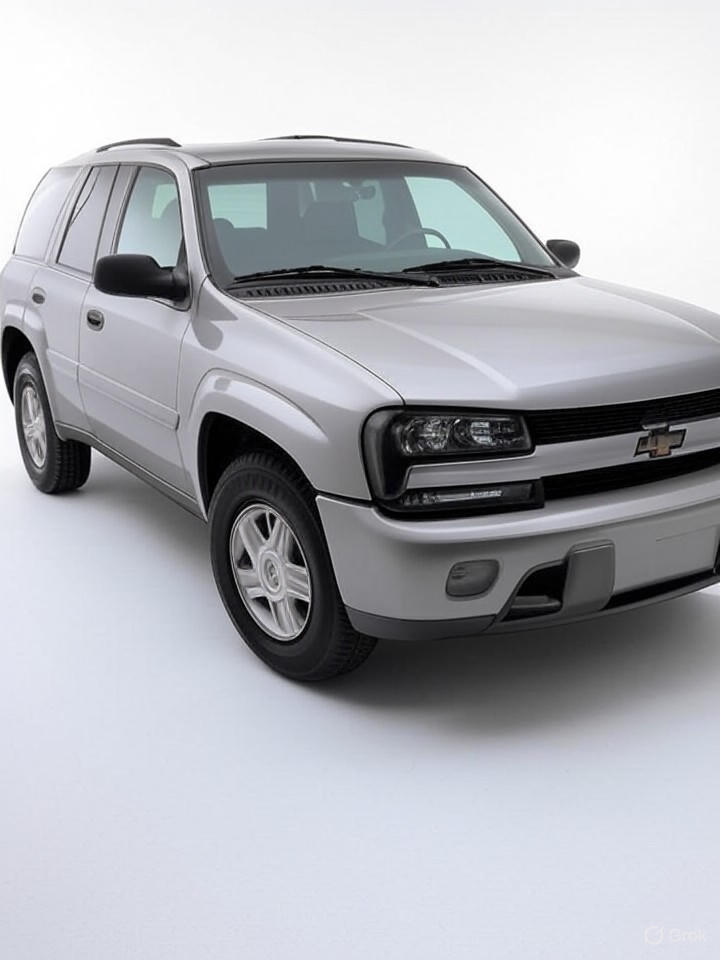
Same GMT360 platform, same 4.2L Atlas engine, same known issues — essentially a rebadged twin. Parts are completely interchangeable. Choose between them on price and cosmetics alone.
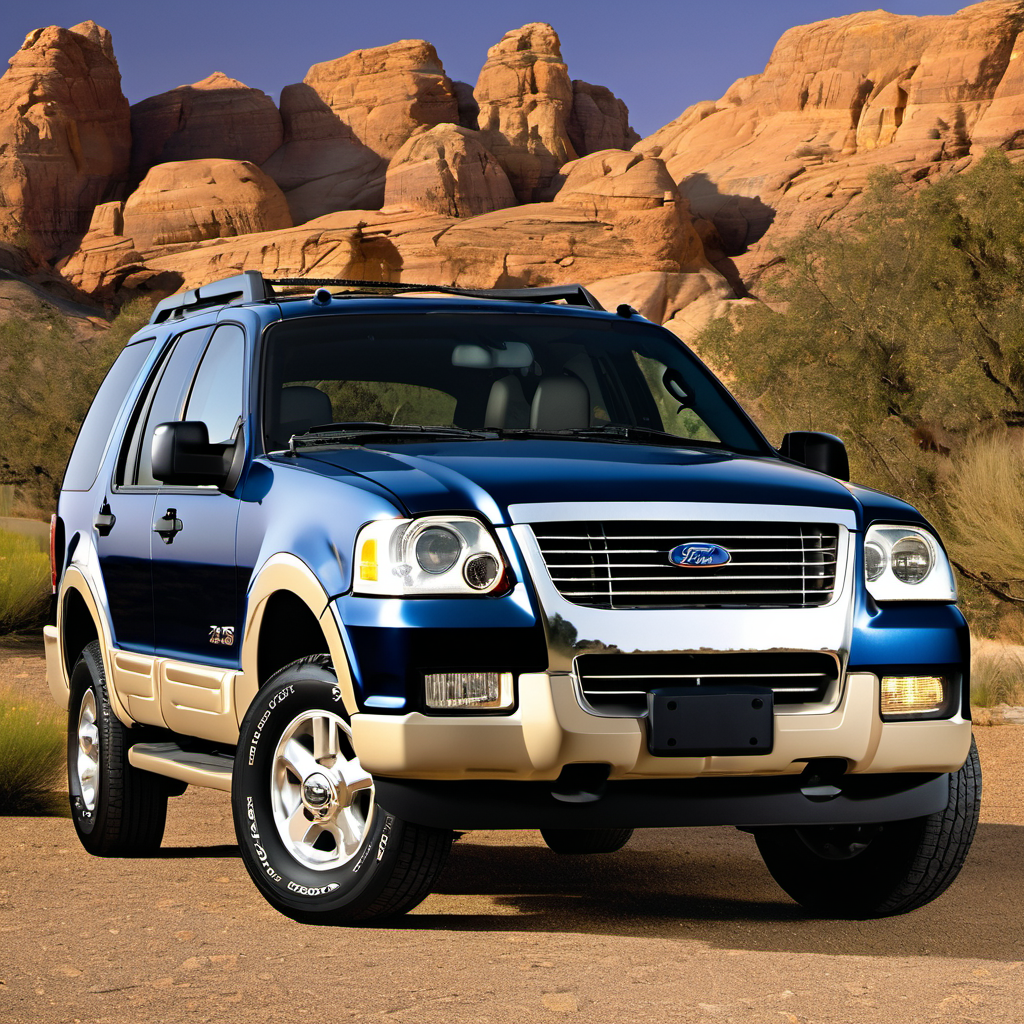
Direct segment competitor — mid-size body-on-frame SUV with similar capability and pricing. The 4.0L SOHC V6 has its own known timing chain issues, so it's not problem-free, but it's a proven alternative with strong parts availability.
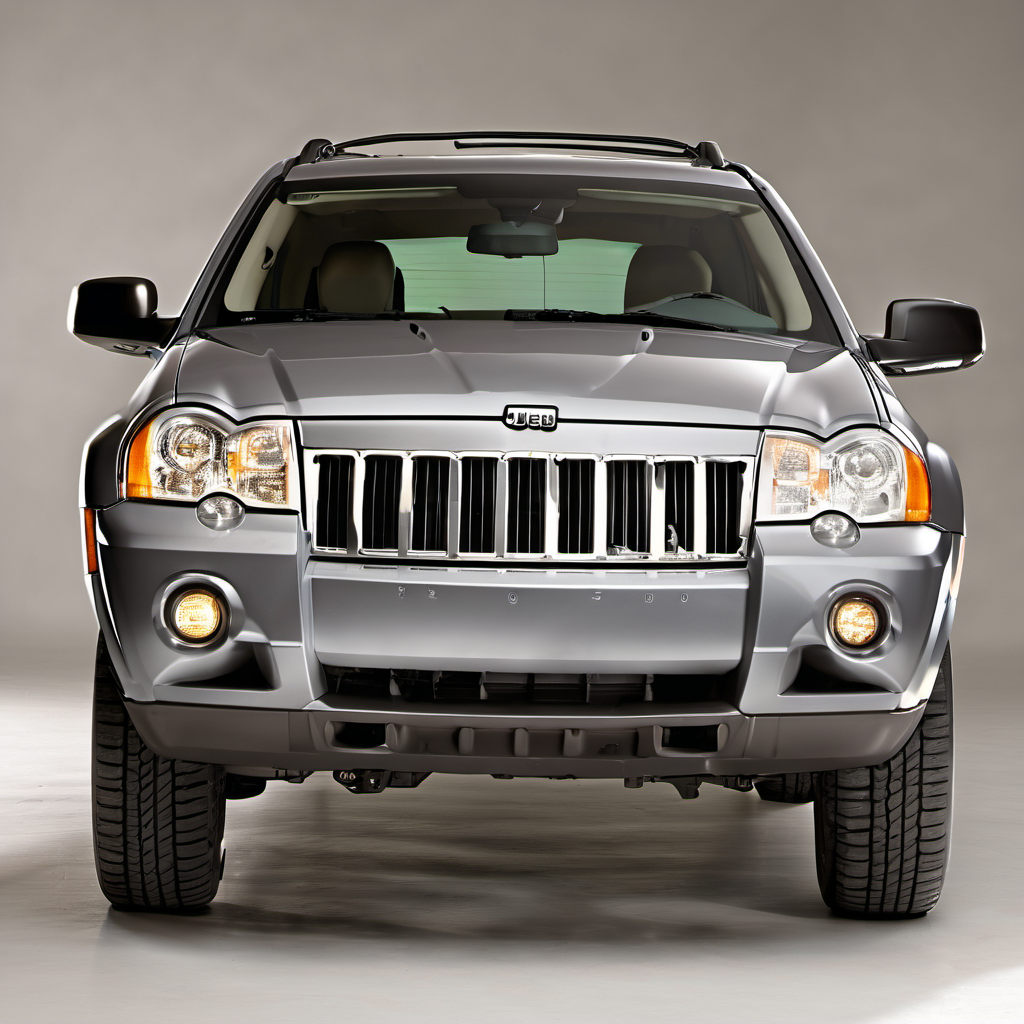
Similar price range and mission. The WK Grand Cherokee offers better on-road refinement and multiple 4WD/AWD options. The 3.7L V6 is adequate but the 4.7L V8 is preferred. More capable off-road than the Envoy.
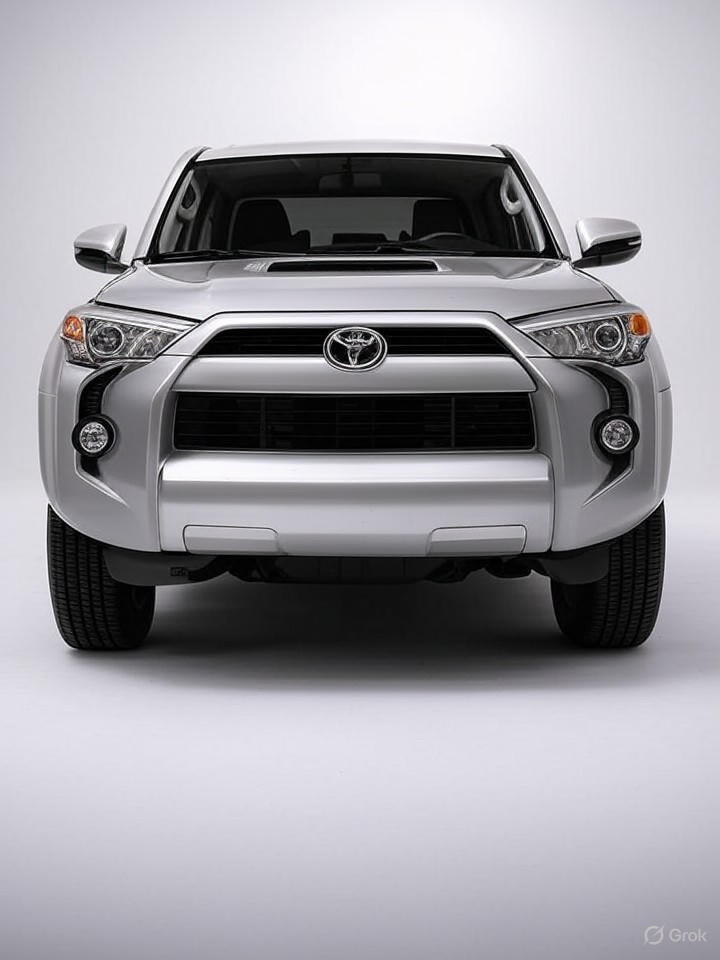
Higher purchase price used, but the 4.0L V6 4Runner has a significantly stronger long-term reliability record and holds value better. Worth the price premium if longevity past 200k miles is the priority.