VVT-i Camshaft Actuator / Oil Control Valve Sludging
medium- Typically appears
- 80–150k mi
- Estimated repair
- $200 – $600
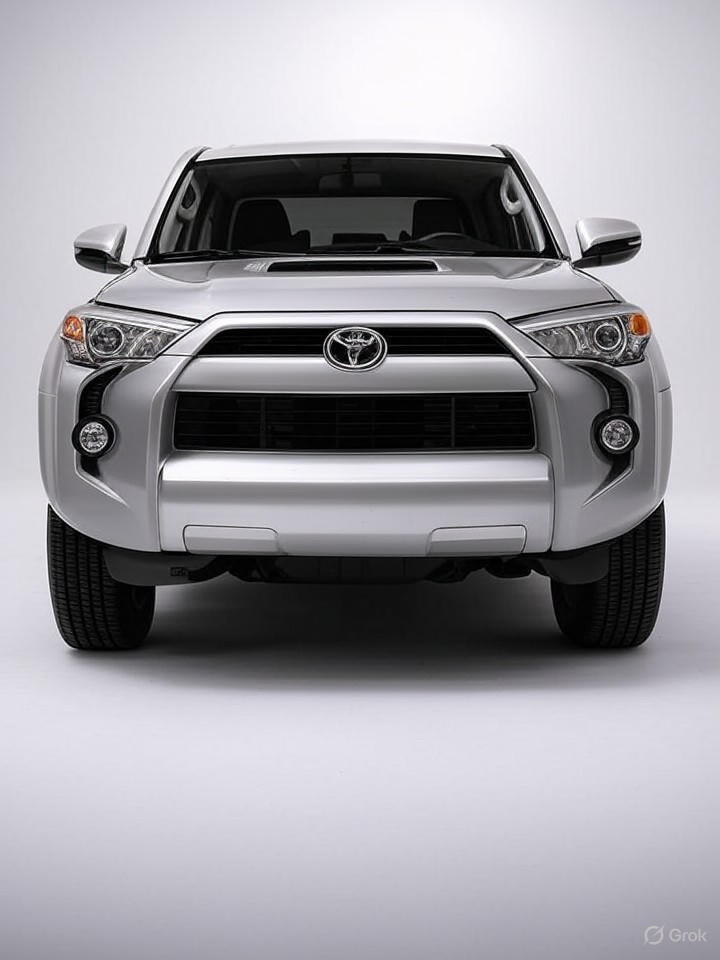
2006 Toyota
SUV
The 2006 Toyota 4Runner is a third-generation (N210 platform) body-on-frame SUV that earned a strong reputation for durability and off-road capability. Powered by Toyota's proven 1GR-FE 4.0L V6, this generation is widely regarded as one of the most reliable mid-size SUVs ever built, with many examples comfortably surpassing 200,000 miles with basic maintenance. The 4Runner sits in a niche that few competitors fill as well: genuine off-road ability packaged in a comfortable daily driver. The 2006 model year refined the platform with a well-sorted suspension, available Kinetic Dynamic Suspension System (KDSS), and a capable part-time 4WD system. It's large enough for a family but still fits in a standard garage. As a used purchase in the upper Midwest, the 4Runner's biggest risk is rust — specifically frame and undercarriage corrosion from years of road salt exposure. A clean, rust-free example is worth paying a premium for. Engine and drivetrain issues are comparatively rare on this generation.
The 2006 Toyota 4Runner is a third-generation (N210 platform) body-on-frame SUV that earned a strong reputation for durability and off-road capability. Powered by Toyota's proven 1GR-FE 4.0L V6, this generation is widely regarded as one of the most reliable mid-size SUVs ever built, with many examples comfortably surpassing 200,000 miles with basic maintenance. The 4Runner sits in a niche that few competitors fill as well: genuine off-road ability packaged in a comfortable daily driver. The 2006 model year refined the platform with a well-sorted suspension, available Kinetic Dynamic Suspension System (KDSS), and a capable part-time 4WD system. It's large enough for a family but still fits in a standard garage. As a used purchase in the upper Midwest, the 4Runner's biggest risk is rust — specifically frame and undercarriage corrosion from years of road salt exposure. A clean, rust-free example is worth paying a premium for. Engine and drivetrain issues are comparatively rare on this generation.
The 1GR-FE's VVT-i system is highly sensitive to oil condition. Sludge buildup from extended intervals is the #1 cause of camshaft actuator codes and premature VVT failure. Use full synthetic 5W-30.
These fluids are rarely changed and are critical to 4WD system longevity. Neglected rear diff fluid is the leading cause of early gear wear on this platform.
Toyota specifies long-life iridium plugs. Waiting much beyond 90k increases the risk of plug seizure in the aluminum head — a costly extraction job.
Toyota Super Long Life Coolant (pink) is used from the factory. Mixing with green coolant or letting it degrade causes water pump and radiator corrosion.
Brake fluid is hygroscopic. In Wisconsin's humidity and temperature swings, water contamination builds faster than in dry climates, lowering boiling point and promoting caliper corrosion.
Road salt accumulates in frame pockets, suspension crevices, and around brake lines. An annual undercarriage pressure wash dramatically slows corrosion on this age of vehicle.
The 1GR-FE uses a timing chain — no replacement interval, but oil sludge can stretch the chain. A brief rattle on cold starts that clears within a few seconds warrants immediate attention.
Gravel roads, trail use, and Wisconsin's leafy autumns clog filters faster than city driving. A restricted engine filter hurts fuel economy noticeably on this V6.
Always defer to the manufacturer's service manual for warranty-mandated intervals.
The 4Runner is cheap to own compared to its purchase price. Routine maintenance on the V6 is straightforward and parts are widely available. The big wildcard is rust remediation — a truck that needs frame or brake line work can add $1,000–$5,000 in a single season. Buy a clean example and the ongoing costs are low. Fuel economy is the daily sting at 18 MPG combined.
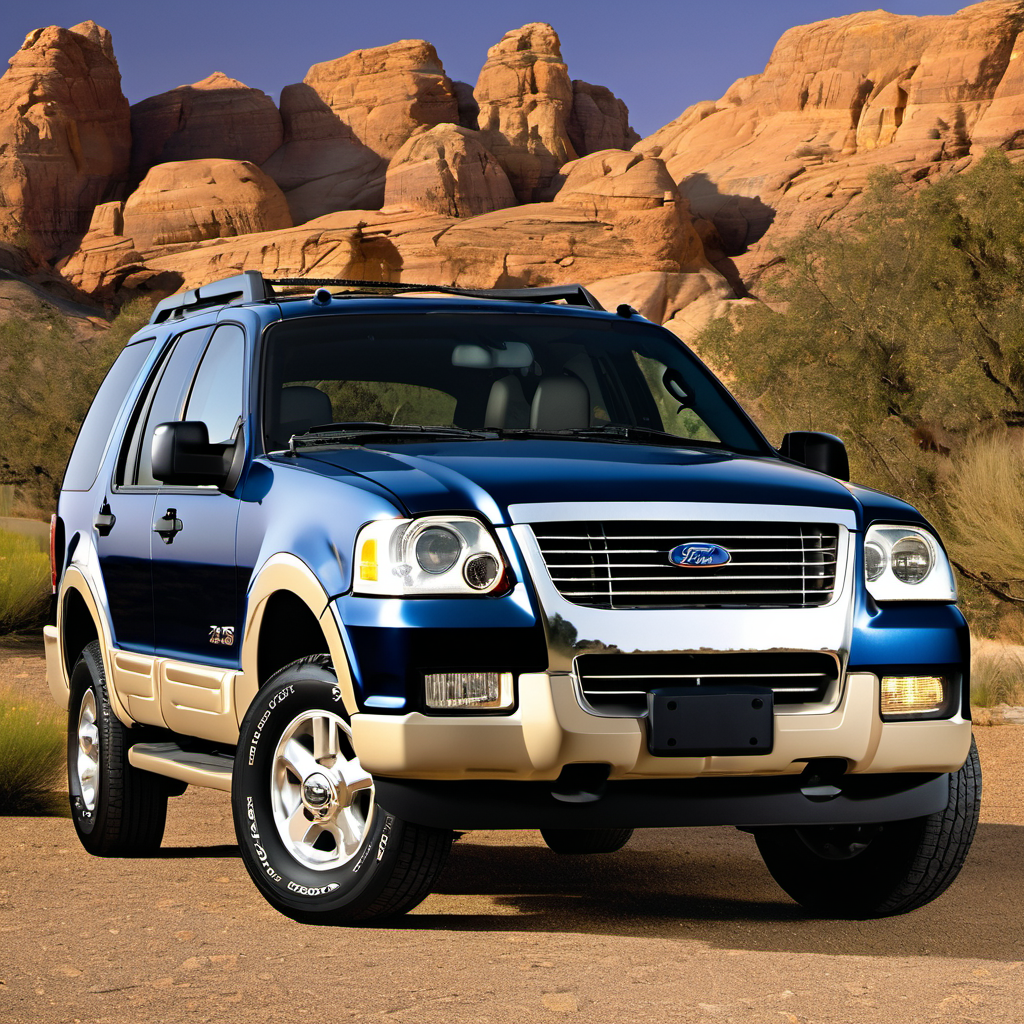
Same mid-size SUV segment and price range, but unibody construction, less capable off-road, and significantly lower long-term reliability than the 4Runner.
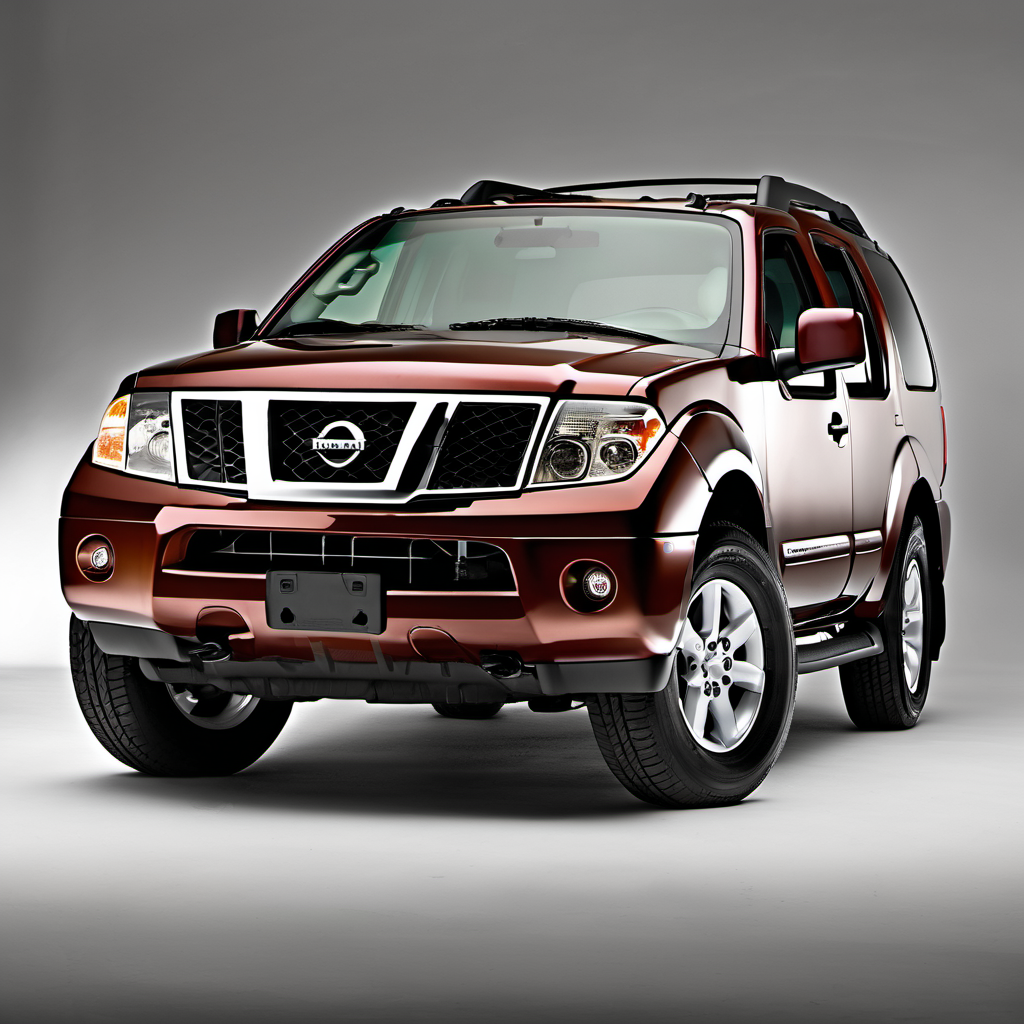
Body-on-frame V6 SUV with similar off-road credentials and seating; less proven for extreme high mileage but a reasonable alternative with lower resale cost.
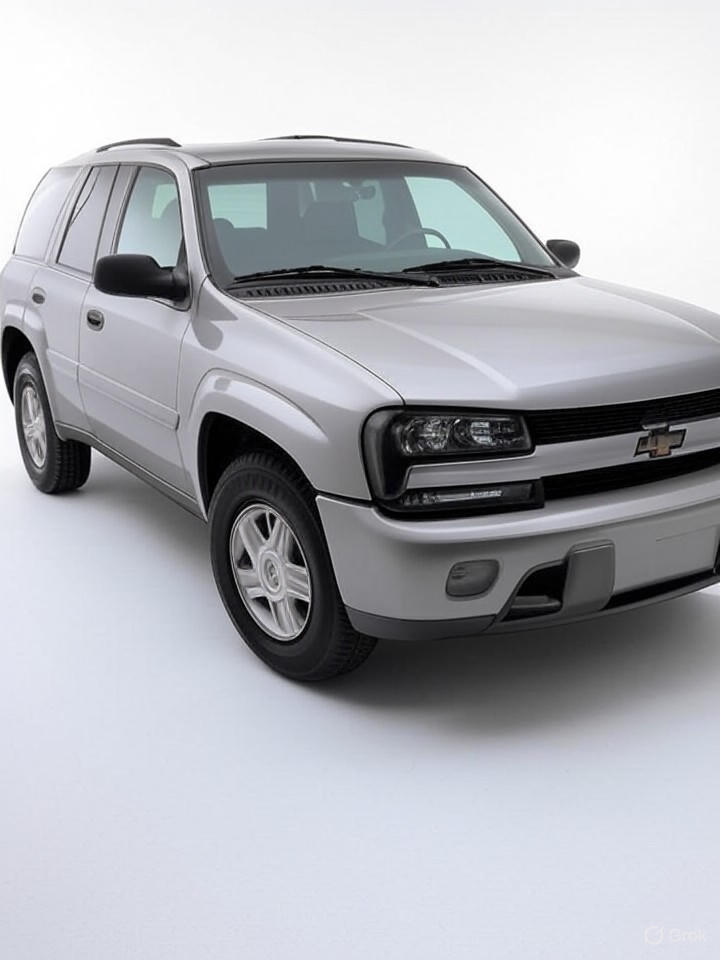
Similar body-on-frame build, inline-6 engine, and towing capacity at a lower price point; reliability trails the 4Runner but parts are cheap and plentiful in the Midwest.
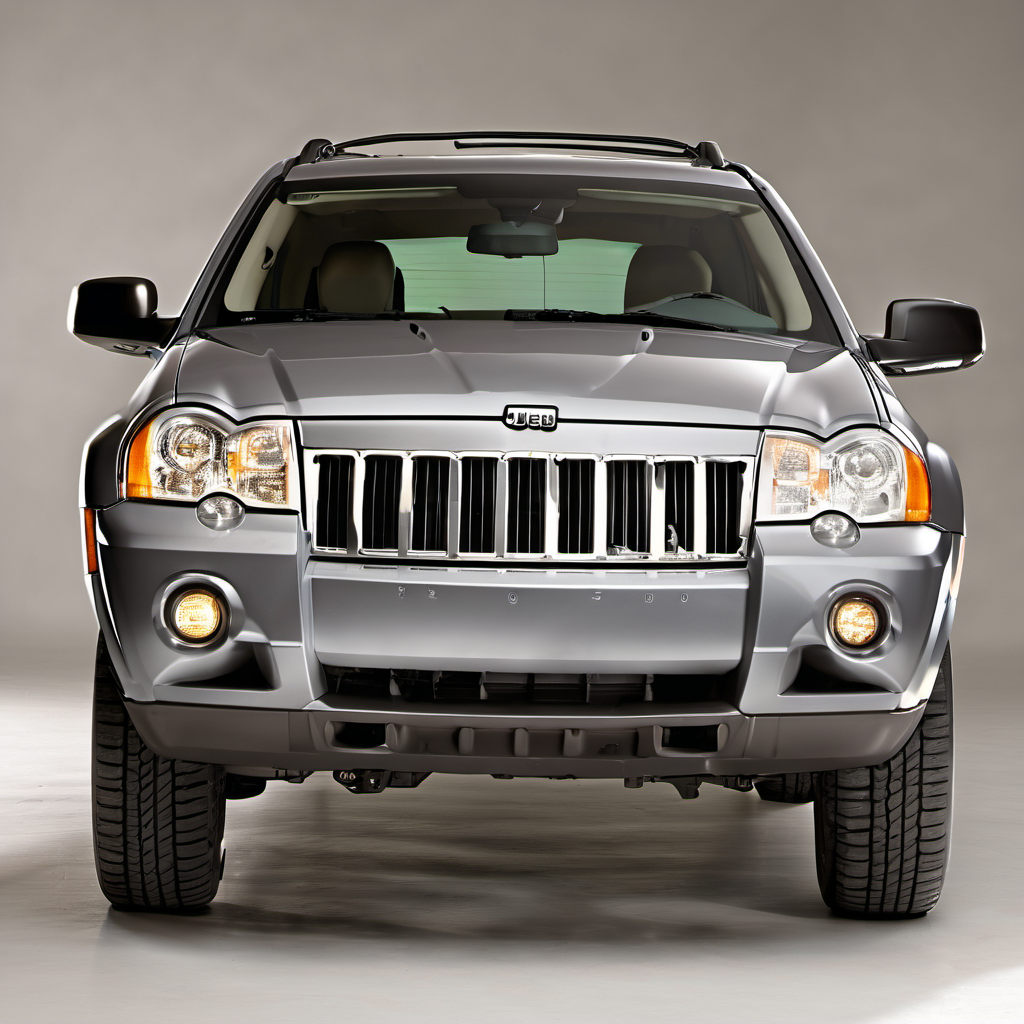
Comparable off-road ability and cabin size; more trail-capable in some trims but higher ownership costs and less long-term reliability than the 4Runner.