Timing Chain Stretch / Vortec 4200 Timing System Wear
high- Typically appears
- 80–150k mi
- Estimated repair
- $900 – $1,800
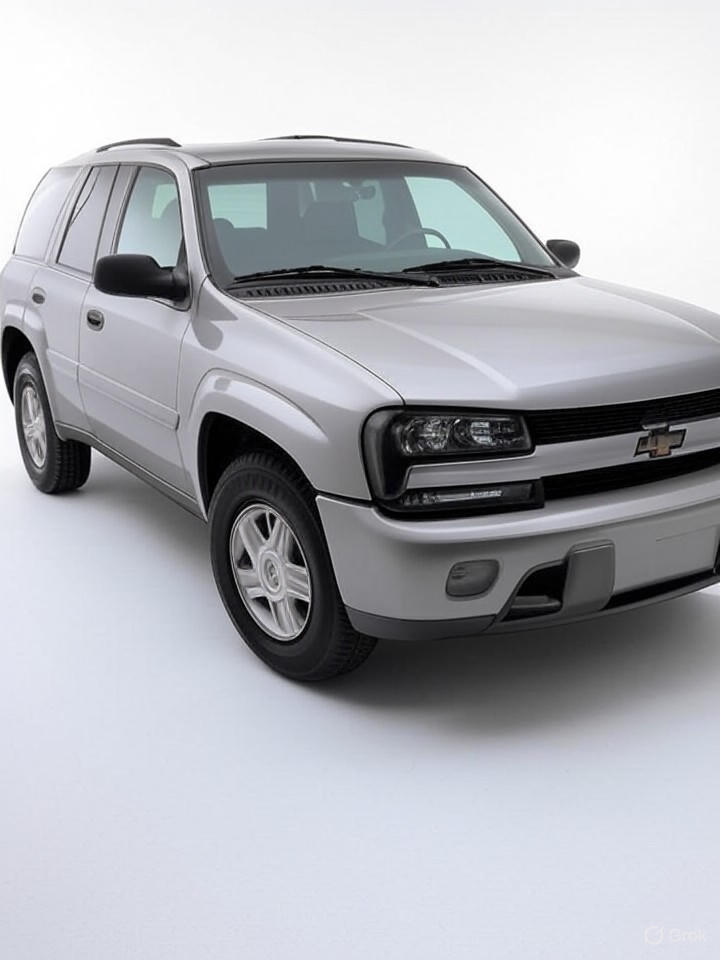
2006 Chevrolet
SUV
The 2006 Chevrolet TrailBlazer is a body-on-frame, mid-size SUV built on GM's GMT360 platform, shared with the GMC Envoy and Buick Rainier. It was Chevy's answer to the Ford Explorer and Jeep Grand Cherokee, offering a more truck-like feel than most crossovers of the era. The standard engine is GM's 4.2L inline-six — an unusually smooth and torquey unit for the segment that earns genuine praise from long-term owners. By 2006, the TrailBlazer was in its final years of meaningful production before being discontinued after 2009. It offers real towing capability (up to 6,500 lbs properly equipped), a comfortable highway ride, and a reasonably roomy interior. However, fuel economy is poor, the cabin materials feel dated, and it carries a number of known mechanical vulnerabilities that buyers should know going in. At this age, a well-maintained example can still serve as a capable family hauler or light-duty tow vehicle. The key word is 'well-maintained' — deferred oil changes and ignored check-engine lights are deal-breakers on these trucks.
The 2006 Chevrolet TrailBlazer is a body-on-frame, mid-size SUV built on GM's GMT360 platform, shared with the GMC Envoy and Buick Rainier. It was Chevy's answer to the Ford Explorer and Jeep Grand Cherokee, offering a more truck-like feel than most crossovers of the era. The standard engine is GM's 4.2L inline-six — an unusually smooth and torquey unit for the segment that earns genuine praise from long-term owners. By 2006, the TrailBlazer was in its final years of meaningful production before being discontinued after 2009. It offers real towing capability (up to 6,500 lbs properly equipped), a comfortable highway ride, and a reasonably roomy interior. However, fuel economy is poor, the cabin materials feel dated, and it carries a number of known mechanical vulnerabilities that buyers should know going in. At this age, a well-maintained example can still serve as a capable family hauler or light-duty tow vehicle. The key word is 'well-maintained' — deferred oil changes and ignored check-engine lights are deal-breakers on these trucks.
The Vortec 4200's timing chain and VVT solenoids are oil-quality dependent. Sludge from extended intervals is a primary driver of the most expensive repairs on this engine. Use a quality 5W-30.
Dex-Cool degrades and becomes acidic over time; old coolant is a known cause of intake gasket and water pump corrosion on GM engines of this era.
The transfer case shares fluid stress with the encoder motor. Old fluid accelerates motor failure and internal wear. Use only the specified Auto-Trak II fluid.
Brake fluid absorbs moisture over time. In Wisconsin's freeze-thaw cycles, moisture-laden fluid contributes to internal corrosion in calipers and ABS modulators.
RWD-based TrailBlazers are prone to U-joint wear and slip yoke noise. Road salt accelerates rust on these components. Catching wear early prevents a driveshaft drop.
Brake lines on this platform are steel and rust through from the outside. A rotted brake line can fail without warning. This is the single most important safety inspection on a vehicle this age in the upper Midwest.
The 4.2L I6 runs well with fresh plugs. Neglected plugs increase misfires, reduce fuel economy (which is already poor), and can foul the catalytic converter.
The plastic timing chain guides and tensioner wear with age. If the engine is already apart for another job, replace these components to prevent a much more expensive failure later.
Always defer to the manufacturer's service manual for warranty-mandated intervals.
The TrailBlazer is an inexpensive vehicle to buy but a moderately expensive one to own. Fuel costs alone dwarf what you'd spend on a modern crossover. Annual maintenance on a well-kept example runs $700–$1,000; on a neglected one, a single bad year with timing chain and encoder motor work can push $2,500–$3,500. Budget aggressively. The real financial risk is buying one with unknown service history — deferred oil changes on the 4.2L can turn a $4,000 truck into a $5,000 repair bill.
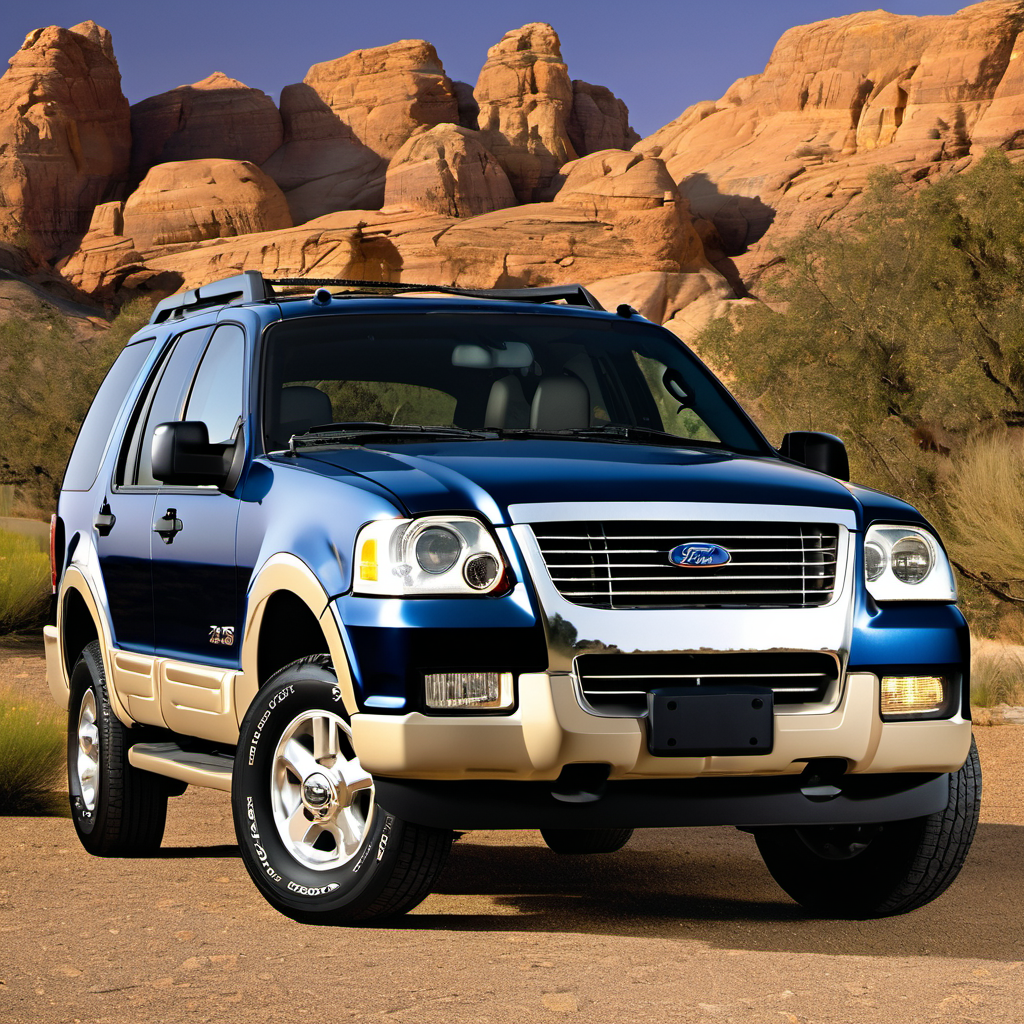
Direct competitor — same size, same era, similar pricing used. The Explorer's 4.0L V6 has its own issues (cam phasers), but the platform is well-known and parts are widely available. More car-like feel than the TrailBlazer.
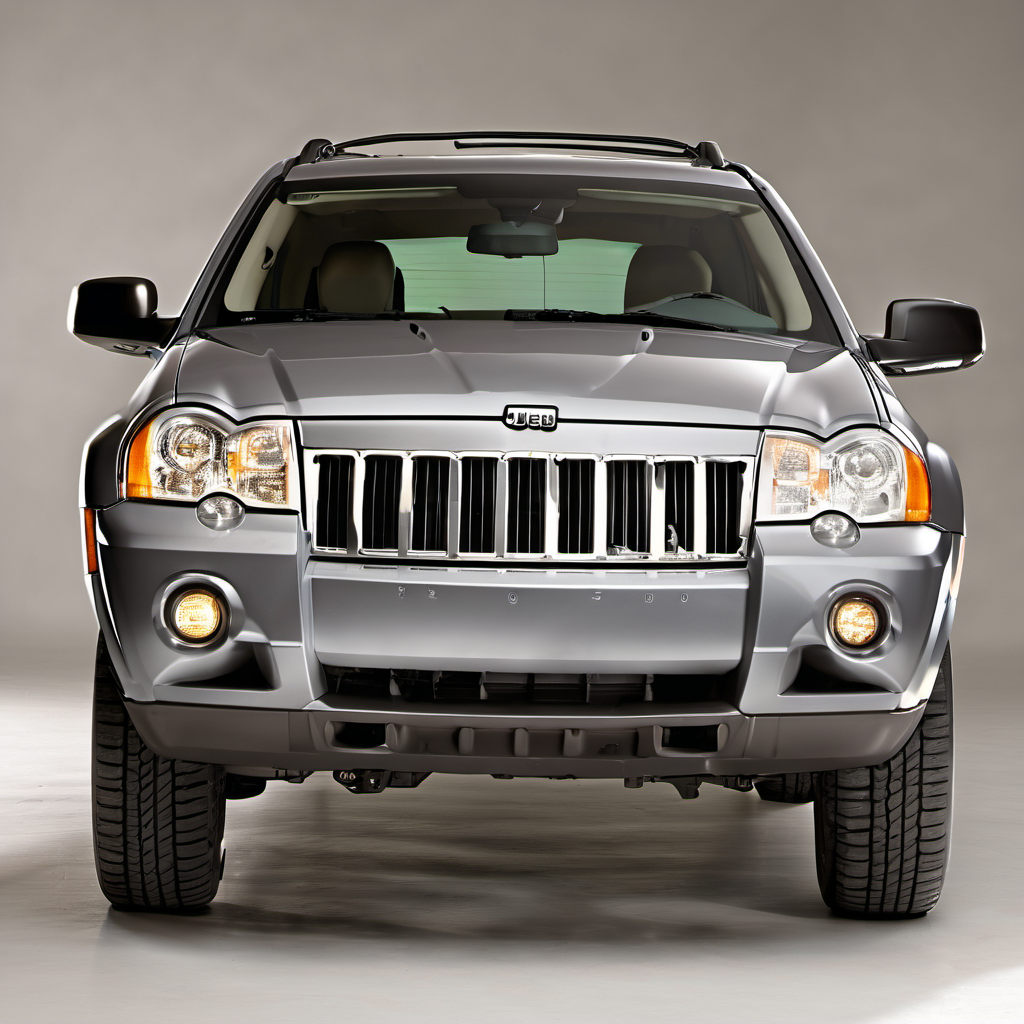
Similar mission, similar price used, and available with a 4.7L V8. Better off-road capability, but notorious for electrical gremlins and more expensive to fix. Good alternative if you want more capable 4WD.
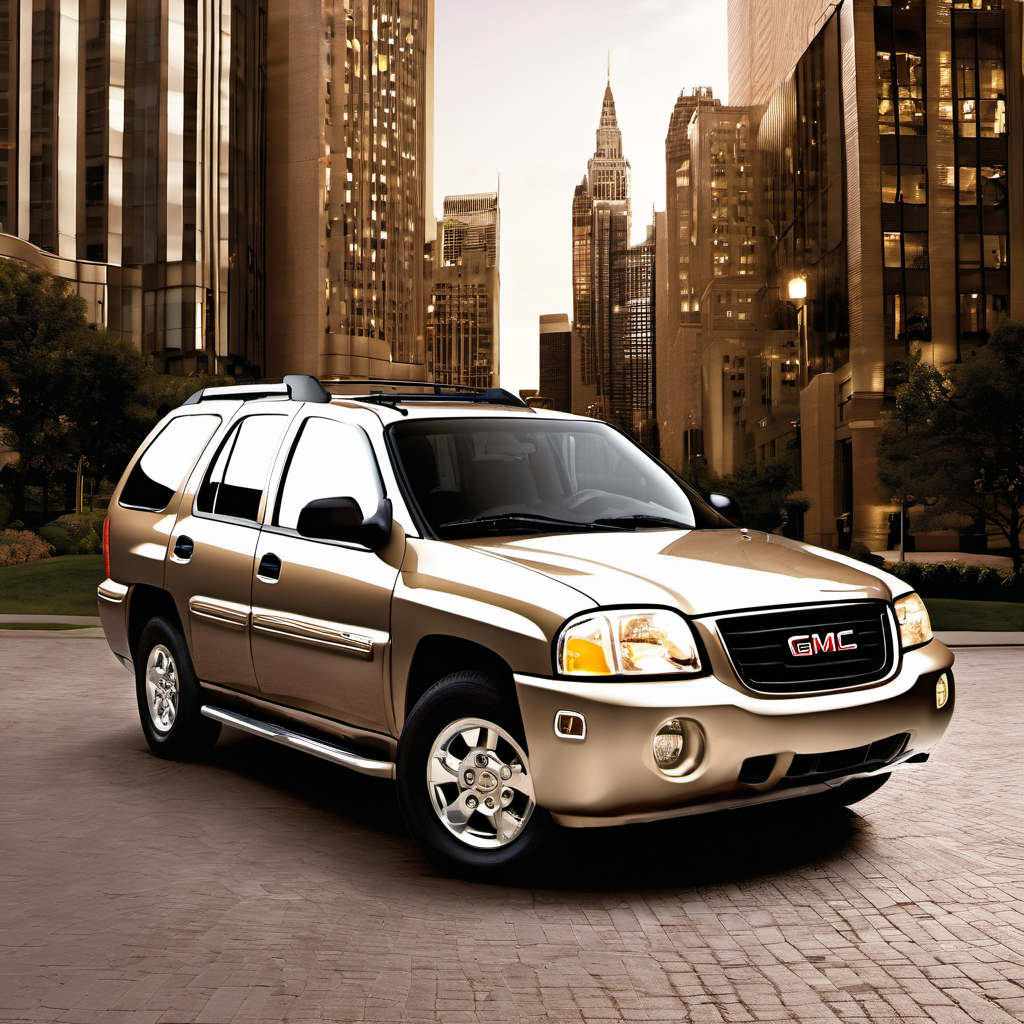
Essentially the same truck with different trim. If you find a cleaner Envoy at the same price, mechanically it's identical. Parts and repair knowledge transfer 100%.
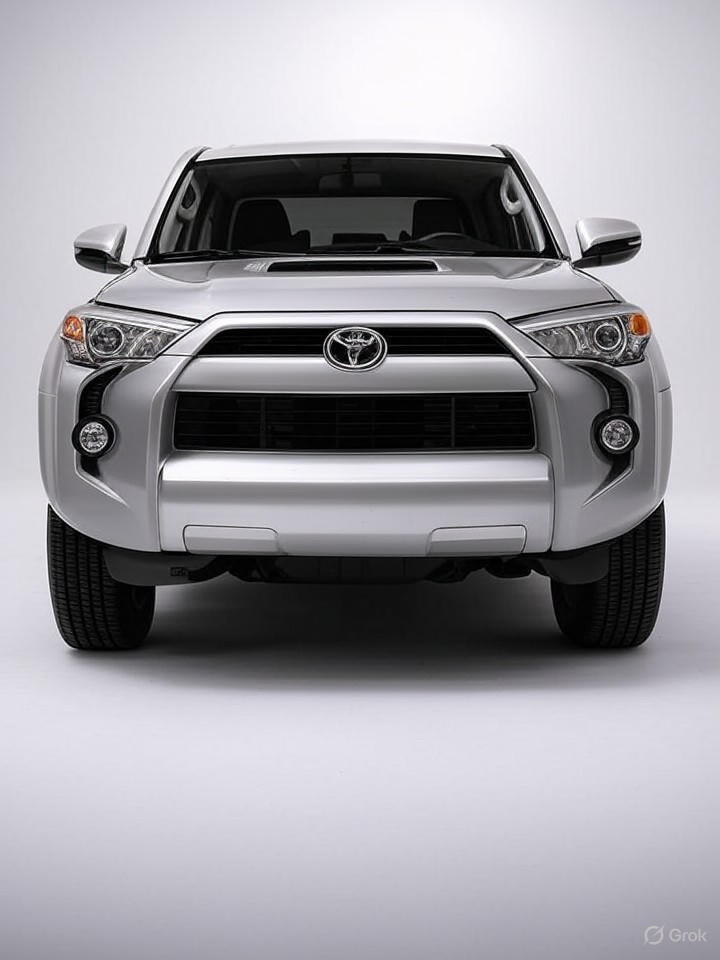
Costs more used but offers significantly better long-term reliability and stronger resistance to rust on key components. If budget allows, the 4Runner is the more durable choice in the same segment and mission.