2.7L V6 Oil Sludging / Engine Damage
high- Typically appears
- 60–150k mi
- Estimated repair
- $1,500 – $6,000
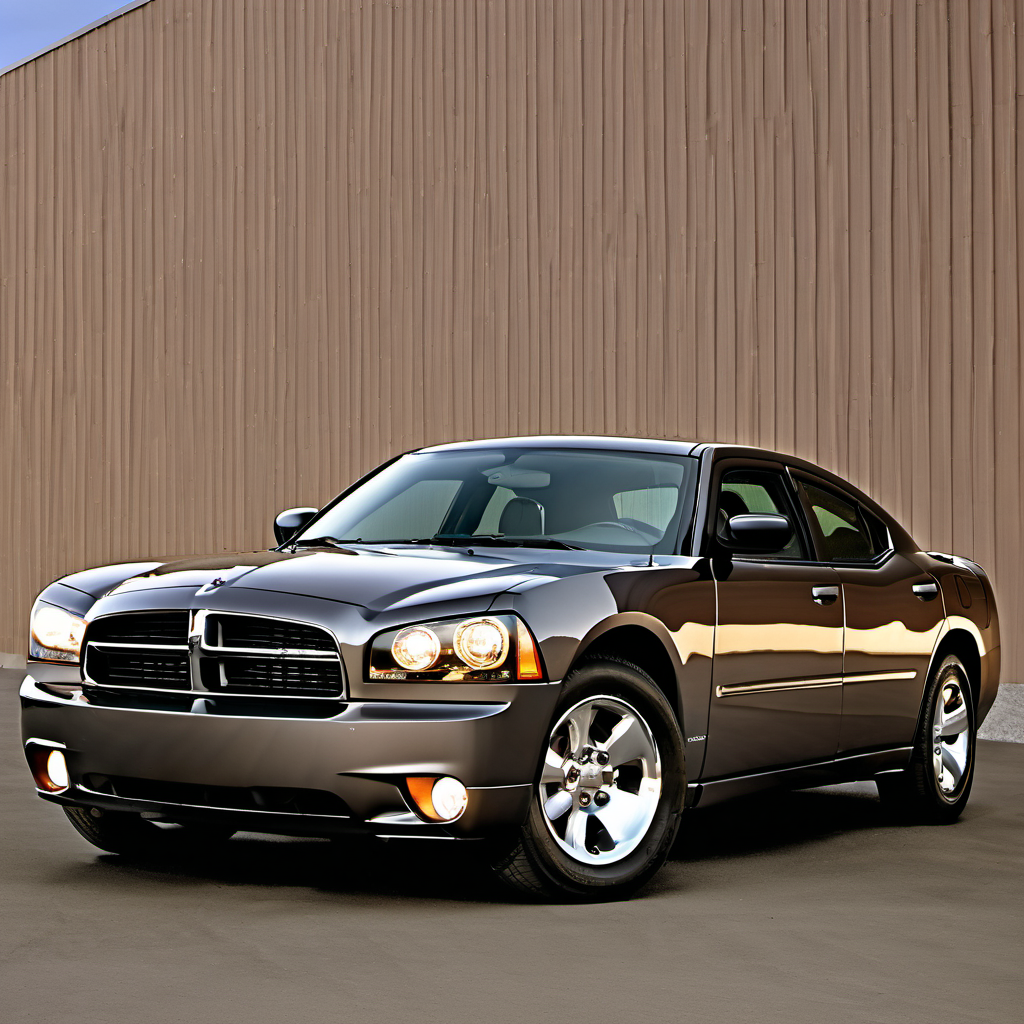
2006 Dodge
Sedan
The 2006 Dodge Charger is the first full model year of Chrysler's revived Charger nameplate on the LX platform — a rear-wheel-drive, full-size sedan that brought genuine muscle-car DNA back to a four-door body. Built in Brampton, Ontario, it shares its platform with the 300C and Magnum. The base engine is the 2.7L V6, which gets the job done but is frankly the weakest link in the lineup; the 3.5L V6 and the legendary 5.7L/6.1L HEMI V8 are where this car really shines. For daily driving, the Charger delivers a comfortable, spacious cabin with a strong sense of occasion. Rear-wheel drive and a long wheelbase make it a predictable highway cruiser, but that RWD setup demands respect on Wisconsin winter roads. Snow tires are not optional here — they're essential. At nearly 20 years old, these cars have spread across a wide ownership spectrum. Well-maintained examples with the HEMI can be solid buys; high-mileage 2.7L cars require careful inspection given that engine's known sludging problems.
The 2006 Dodge Charger is the first full model year of Chrysler's revived Charger nameplate on the LX platform — a rear-wheel-drive, full-size sedan that brought genuine muscle-car DNA back to a four-door body. Built in Brampton, Ontario, it shares its platform with the 300C and Magnum. The base engine is the 2.7L V6, which gets the job done but is frankly the weakest link in the lineup; the 3.5L V6 and the legendary 5.7L/6.1L HEMI V8 are where this car really shines. For daily driving, the Charger delivers a comfortable, spacious cabin with a strong sense of occasion. Rear-wheel drive and a long wheelbase make it a predictable highway cruiser, but that RWD setup demands respect on Wisconsin winter roads. Snow tires are not optional here — they're essential. At nearly 20 years old, these cars have spread across a wide ownership spectrum. Well-maintained examples with the HEMI can be solid buys; high-mileage 2.7L cars require careful inspection given that engine's known sludging problems.
The 2.7L V6 is notorious for oil sludging. Longer intervals, even with synthetic oil, accelerate sludge buildup in the oil galleries and VVT passages. This is the single most important thing you can do to keep this engine alive.
Chrysler's 2006 cooling system uses a specific coolant formulation. Using the wrong type or neglecting a flush causes silicate dropout that clogs the small 2.7L passages and the heater core.
The 5-speed automatic (545RFE/NAG1) is durable but sensitive to degraded fluid. Chrysler's 'lifetime' fill claim does not hold up on high-mileage used vehicles — drain and fill with fresh ATF+4.
Worn plugs on the 2.7L contribute to rough idle and increased load on the ignition coils. Use OEM-spec plugs; avoid cheap substitutes.
Belt failure leaves you stranded and can damage the cooling system. Tensioner wear is common alongside belt wear on these engines.
Wisconsin road conditions and heavy braking demand clean, dry brake fluid. Moisture absorption in old fluid lowers boiling point and accelerates caliper corrosion.
Salt-belt cars rot brake lines, fuel lines, and exhaust hangers. Catching a soft brake line early is a $150 fix; a failed line on the road is a safety emergency.
Cold cranking a 2.7L at -10°F puts extreme strain on an aging battery. A battery that 'passes' in summer can fail on a January morning in Lake Geneva.
Always defer to the manufacturer's service manual for warranty-mandated intervals.
The 2.7L Charger is one of the cheaper Chargers to fuel and insure, but its engine demands strict, frequent oil changes that add to annual costs. Budget the higher end of the maintenance range if the car's service history is unknown. A deferred-maintenance 2.7L can turn a $4,000 purchase into a $6,000+ engine replacement quickly.
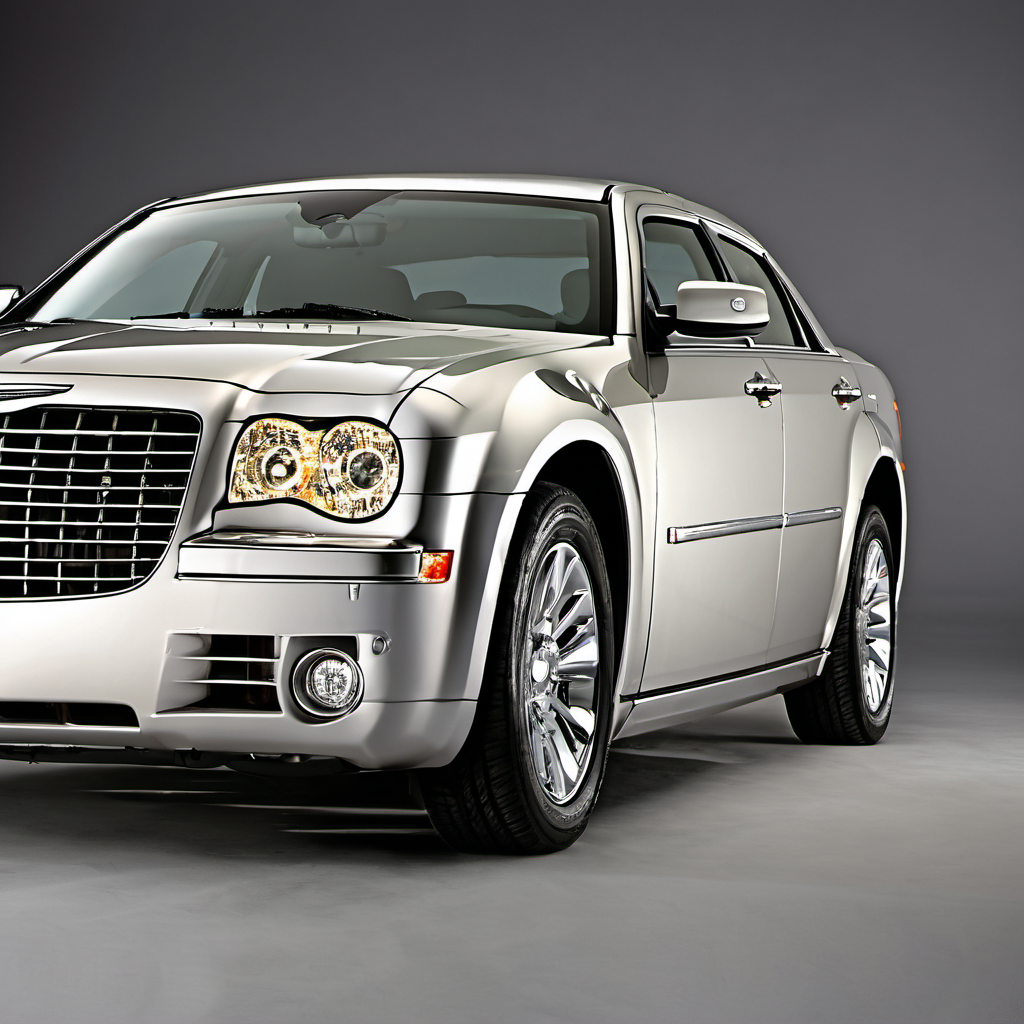
Same LX platform, same engine options including 2.7L V6, nearly identical reliability profile and ownership costs — but with a more upscale interior. A direct platform twin worth cross-shopping.
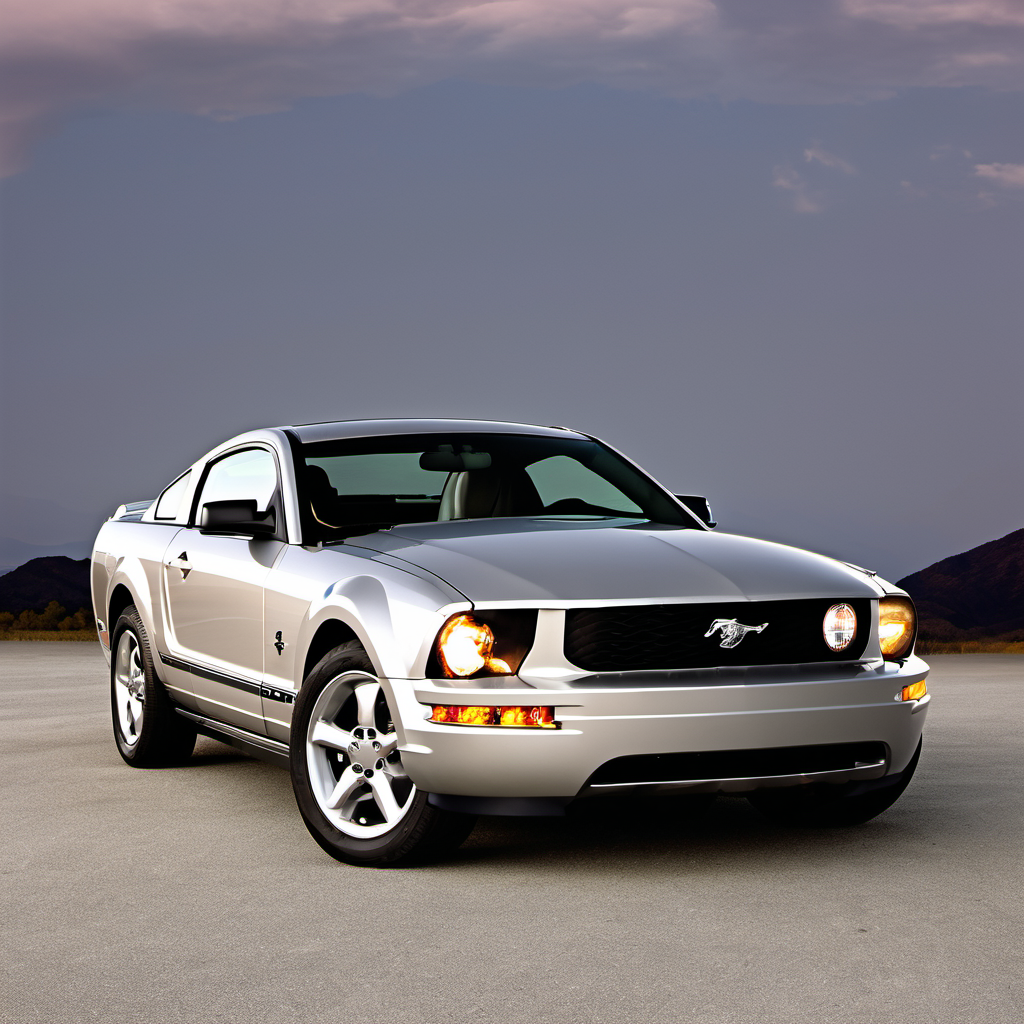
Also RWD with V6 and V8 options at similar price points. More sport-focused but two-door only; stronger aftermarket and reliability reputation on the V6.
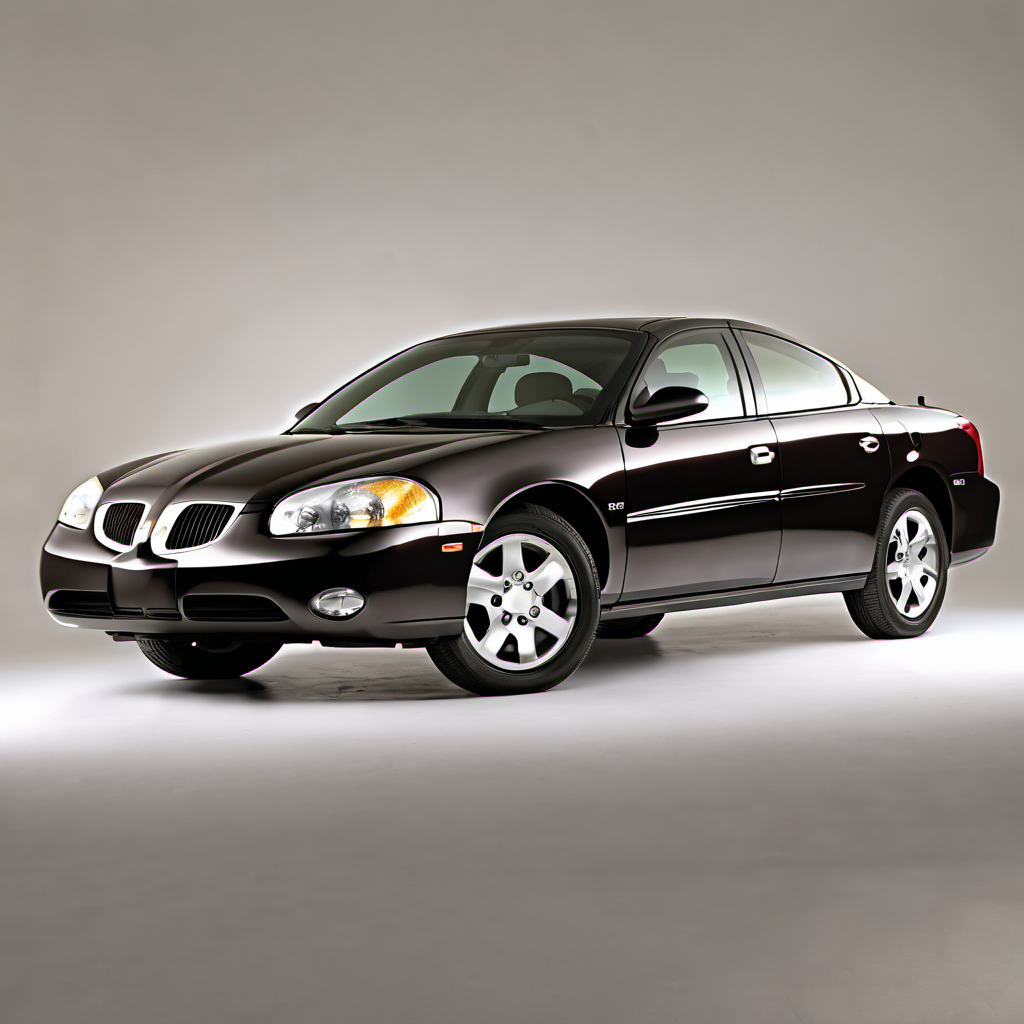
FWD full-size sport sedan at comparable used prices. Less dramatic but more winter-friendly, with a better reliability record than the 2.7L Charger.
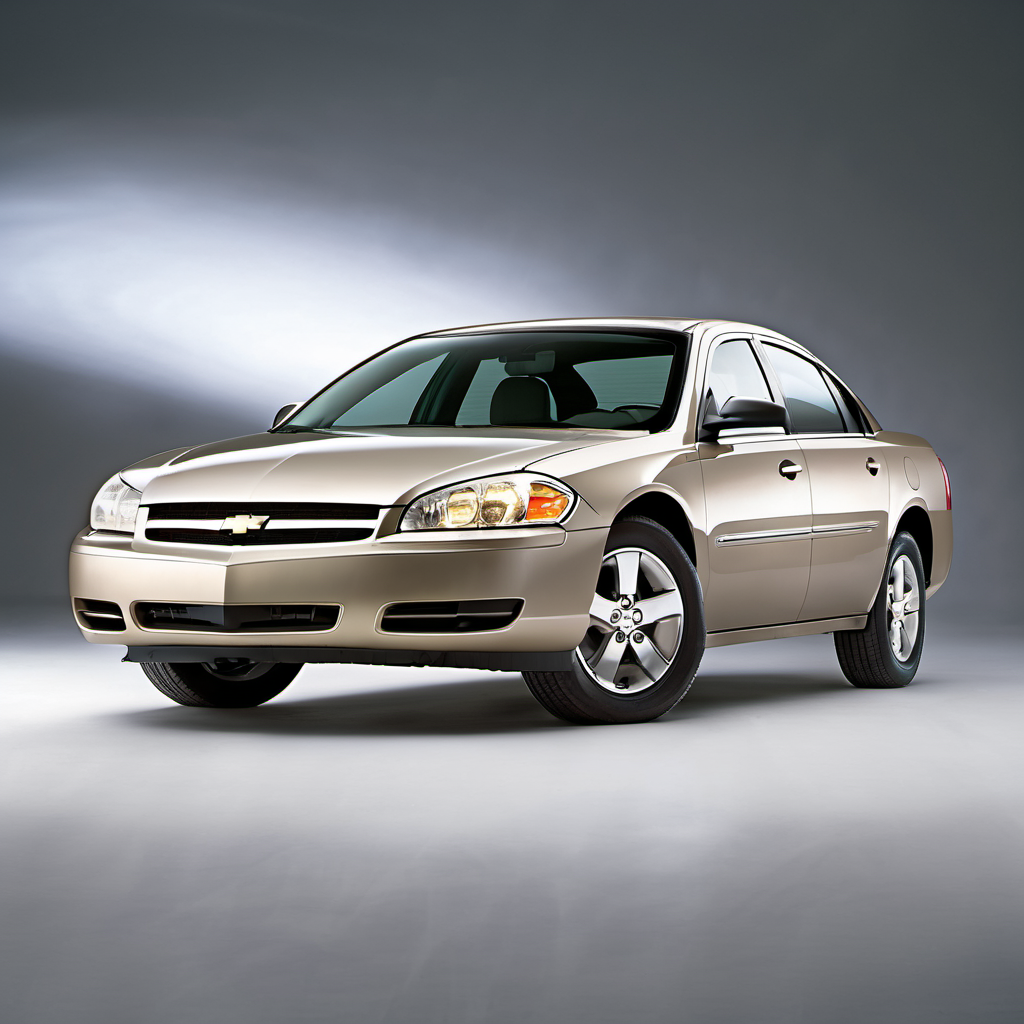
FWD full-size sedan with similar passenger room and lower ownership costs. More practical for Wisconsin winters and generally more reliable at high mileage.