Secondary Air Injection (Smog) Pump Failure
high- Typically appears
- 60–120k mi
- Estimated repair
- $350 – $800
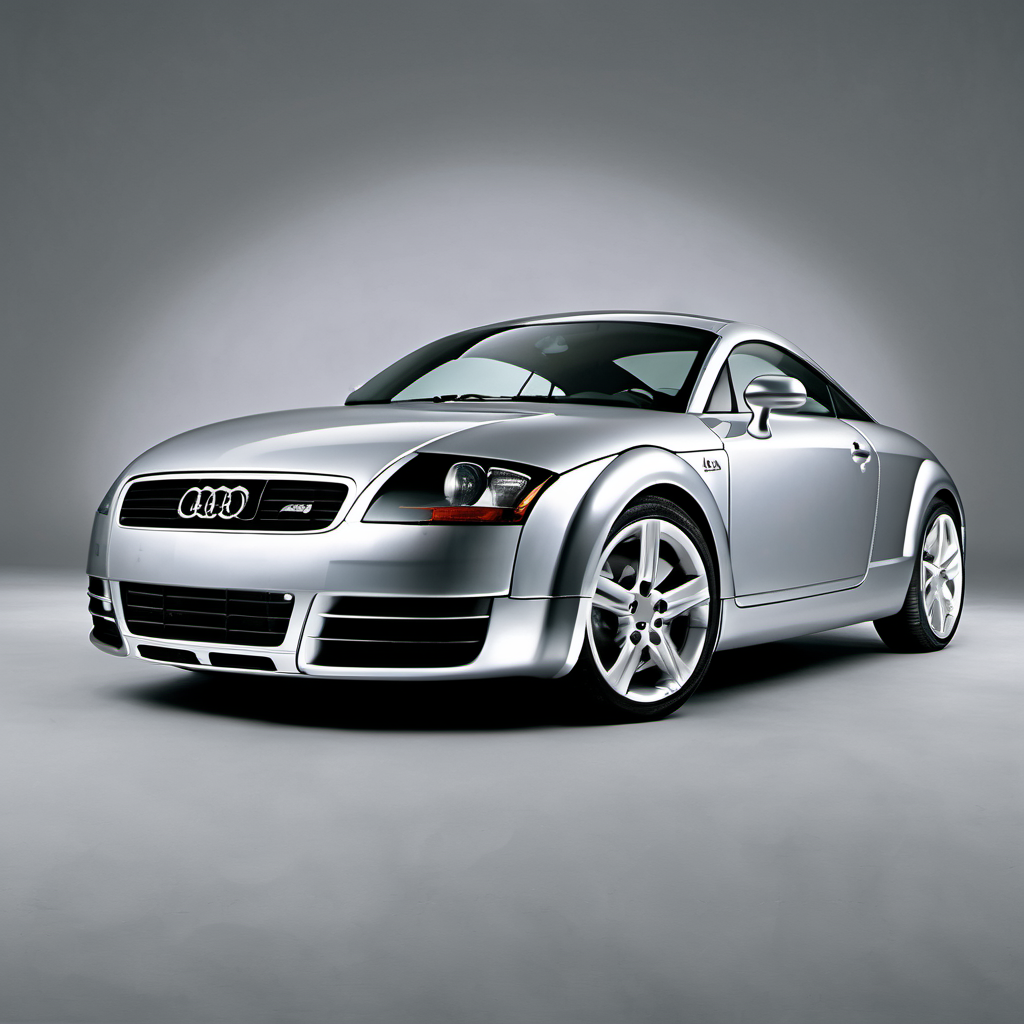
2006 Audi
1.8L I4 Turbocharged · Coupe
The 2006 Audi TT Coupe is the first-generation (8N) TT in its final model year, a stylish two-door sports coupe built on the Volkswagen Group A4 platform. It shares its bones — and many of its components — with the Golf/Jetta and the contemporary Audi A3. Power comes from a 1.8T turbocharged four-cylinder (the most common U.S. configuration) or an optional 3.2L VR6 with Quattro AWD. The 1.8T is tuner-friendly and proven, but at nearly 20 years old, these cars demand attentive maintenance and carry real repair costs when neglected. The TT's appeal is its timeless design and genuine driving engagement — the chassis is taut, steering is direct, and the Quattro versions handle Wisconsin winters far better than most sports coupes. On the flip side, it's a German sports car from the early 2000s, which means electronics gremlins, pricey specialty parts, and an almost mandatory relationship with a VAG-fluent independent shop. A well-maintained 2006 TT can be a rewarding daily driver or weekend toy, but buy one with full service records or budget for catch-up maintenance. Deferred timing belt service, coilpack neglect, and ignored oil consumption are the fastest ways to turn a fun car into an expensive paperweight.
The 2006 Audi TT Coupe is the first-generation (8N) TT in its final model year, a stylish two-door sports coupe built on the Volkswagen Group A4 platform. It shares its bones — and many of its components — with the Golf/Jetta and the contemporary Audi A3. Power comes from a 1.8T turbocharged four-cylinder (the most common U.S. configuration) or an optional 3.2L VR6 with Quattro AWD. The 1.8T is tuner-friendly and proven, but at nearly 20 years old, these cars demand attentive maintenance and carry real repair costs when neglected. The TT's appeal is its timeless design and genuine driving engagement — the chassis is taut, steering is direct, and the Quattro versions handle Wisconsin winters far better than most sports coupes. On the flip side, it's a German sports car from the early 2000s, which means electronics gremlins, pricey specialty parts, and an almost mandatory relationship with a VAG-fluent independent shop. A well-maintained 2006 TT can be a rewarding daily driver or weekend toy, but buy one with full service records or budget for catch-up maintenance. Deferred timing belt service, coilpack neglect, and ignored oil consumption are the fastest ways to turn a fun car into an expensive paperweight.
The 1.8T is prone to sludge buildup when oil intervals are pushed. Short intervals are cheap insurance against a $3,000+ sludged engine on a car this age.
This is an interference engine — a snapped belt means bent valves and possible head damage. On a used car with unknown history, treat it as due immediately.
Worn plugs stress coilpacks, which are already a weak point. Staying current on plugs extends coilpack life significantly.
Coilpack failures cause rough running and misfires. Replacing all four at once when one fails saves labor on the next round.
Audi's G12/G13 coolant degrades and becomes corrosive past its service life. Using the wrong coolant type causes seal and gasket damage.
Factory fill is often never changed, leading to worn synchros. Fresh fluid noticeably improves shift quality and protects against wear.
The smog pump runs only on cold starts. Owners often miss early failure signs. Catching it early prevents relay and wiring damage from a pump drawing excess current.
Audi specifies this interval for good reason — brake fluid absorbs moisture over time, lowering boiling point and promoting internal corrosion in ABS components.
Always defer to the manufacturer's service manual for warranty-mandated intervals.
The 2006 TT is cheap to buy but not cheap to own. Annual maintenance runs $900–$2,200 in normal years, with the potential for a $600–$1,100 timing belt service when due. Parts require VAG-specific sourcing and labor rates reflect the complexity. Budget a $1,500–$2,500 catch-up fund when buying any used example without documented service records.
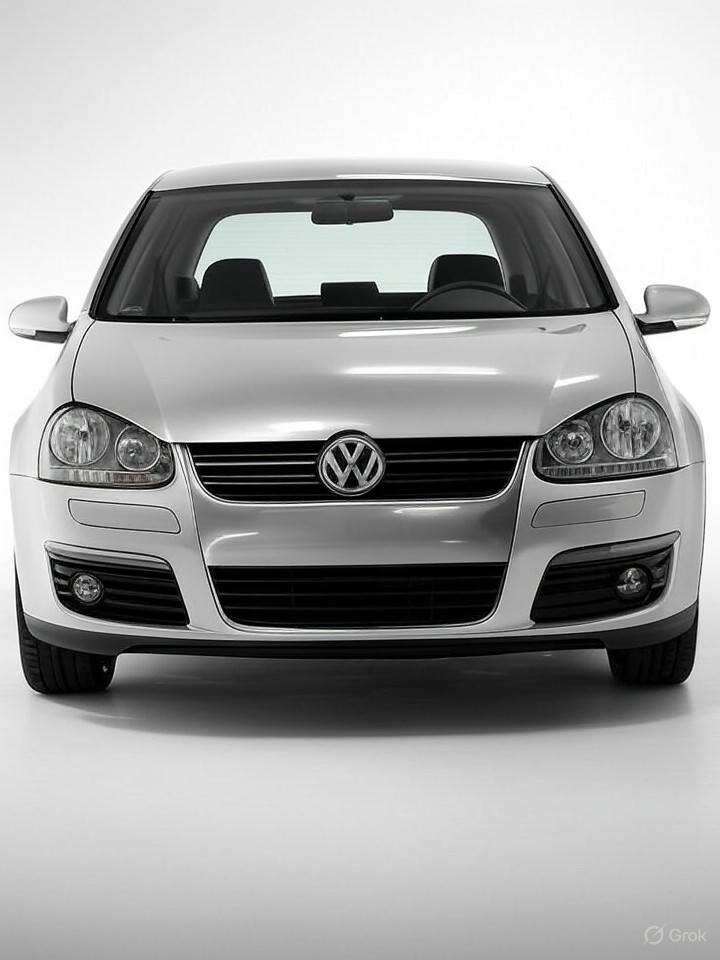
Shares the same 2.0T engine family, VAG platform, and parts network. More practical with a hatchback body, lower purchase price, and typically lower repair costs for the same mechanical DNA.
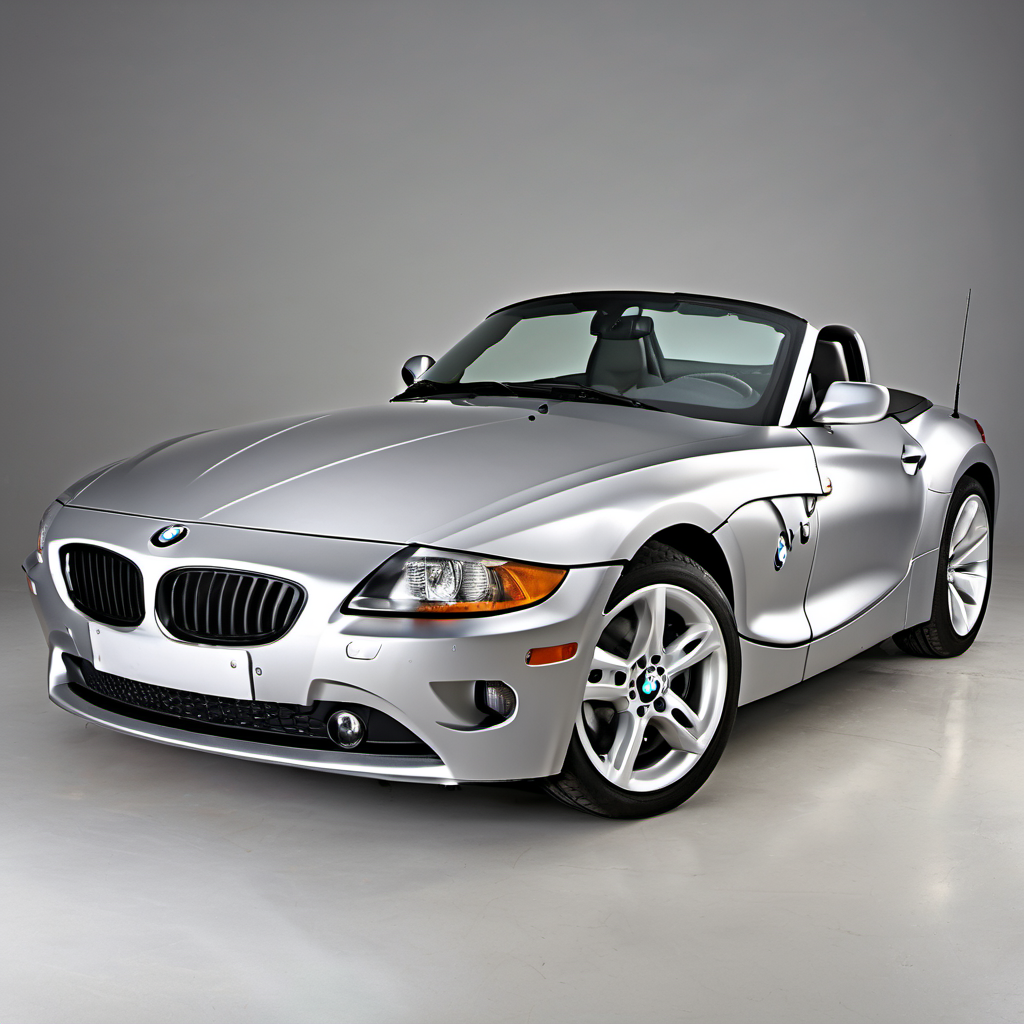
Similar two-seat sports coupe/roadster positioning and price bracket. RWD versus the TT's FWD/AWD, with stronger long-term reliability reputation but higher parts costs.
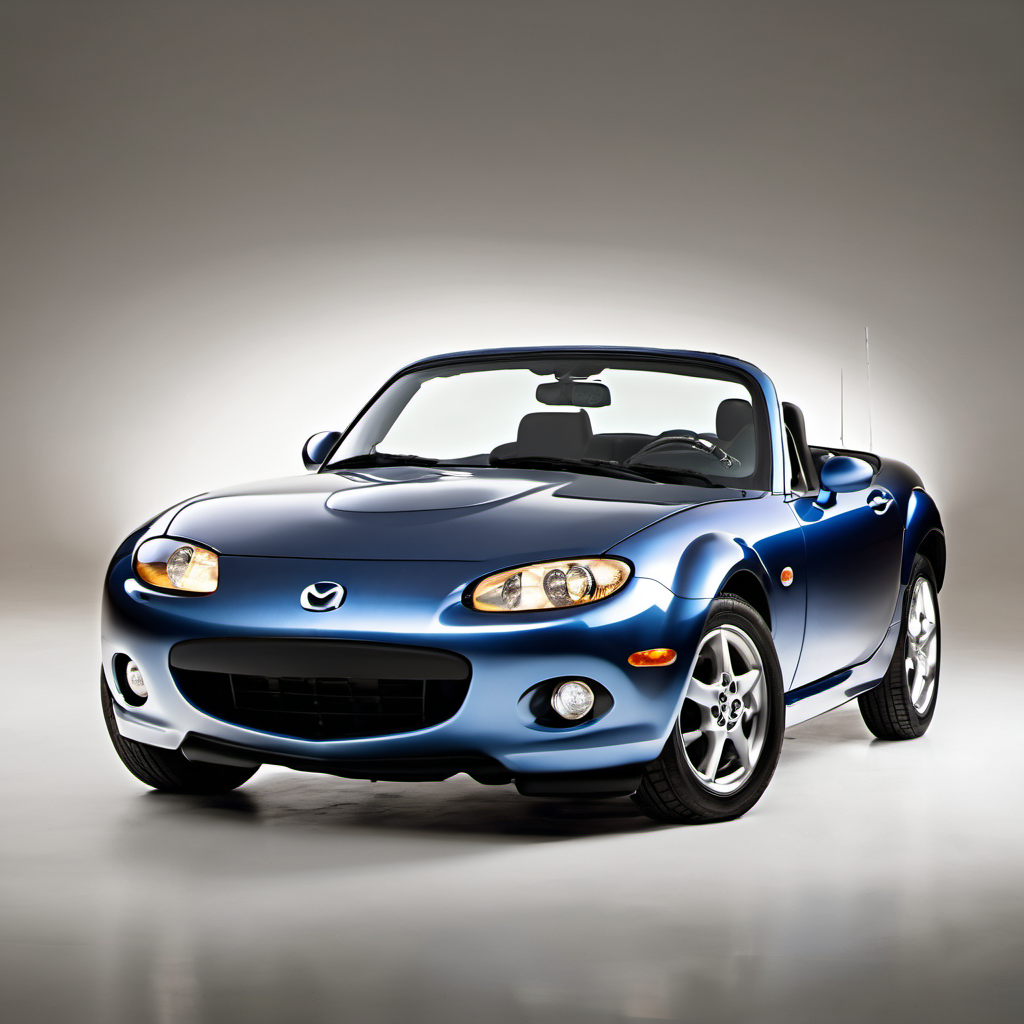
Lower complexity, significantly better long-term reliability, and a genuine sports car driving experience. Less prestige but far lower ownership costs.
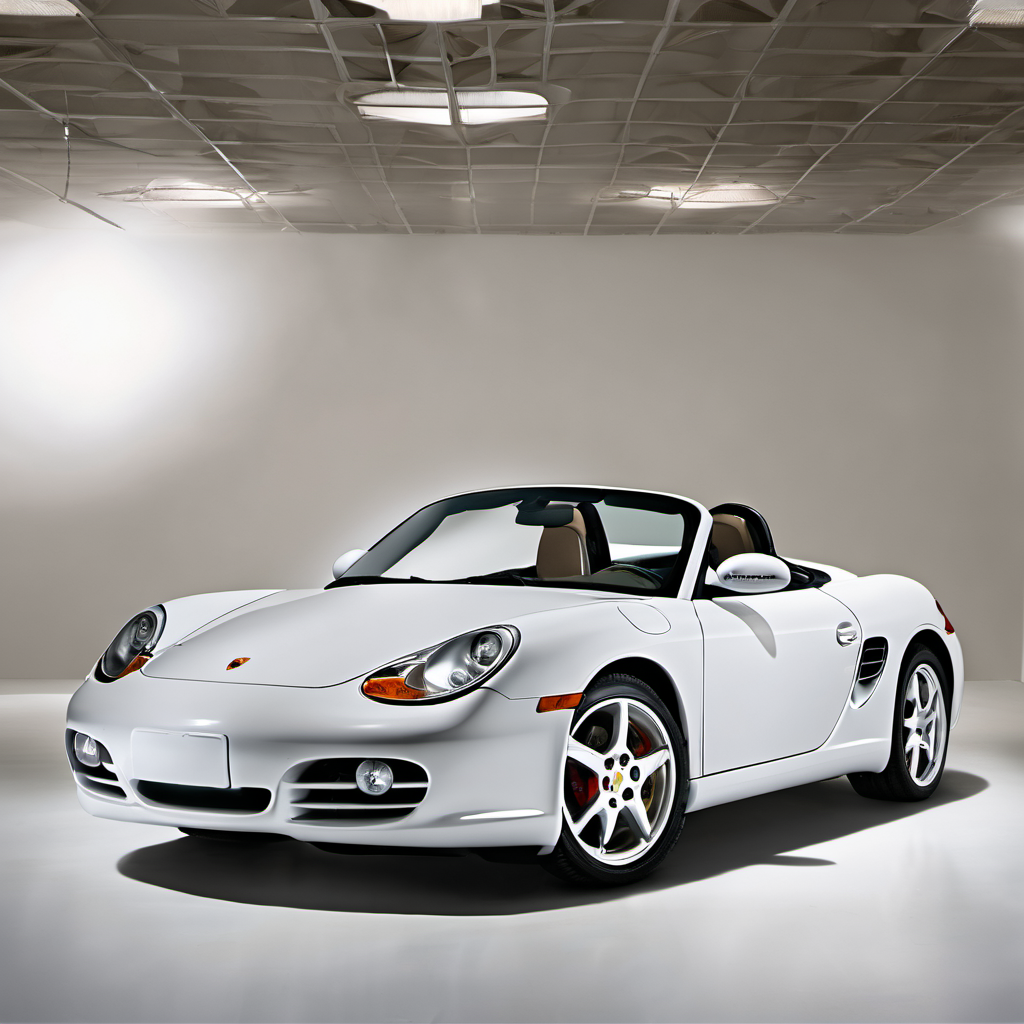
One step up in performance and prestige at a similar used-market price. Higher repair costs, but stronger long-term engine reliability if the IMS bearing has been addressed.