Underbody and sill rust
high- Typically appears
- Any mileage, age-dependent
- Estimated repair
- $500 – $3,000
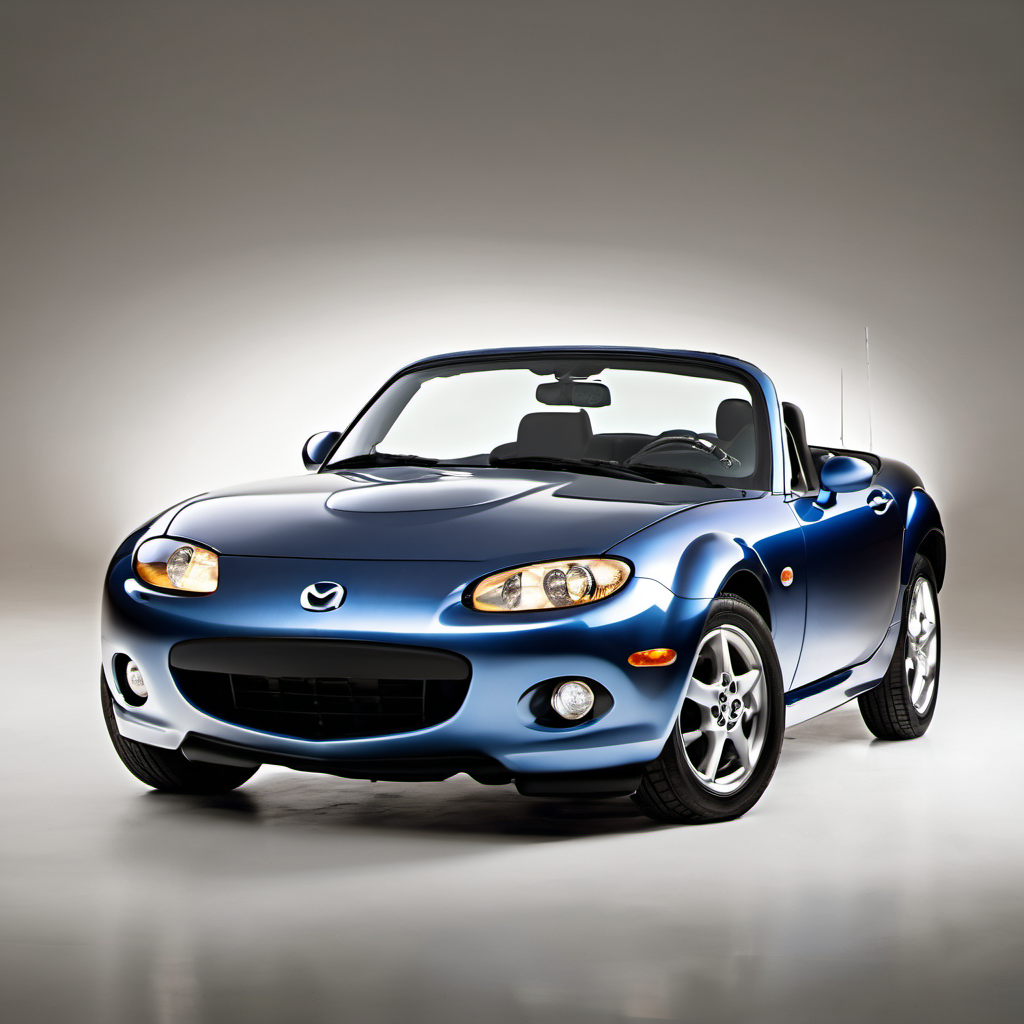
2006 MAZDA
2.0L I4 · Convertible
The 2006 Mazda MX-5 Miata is the first model year of the third generation (NC), a complete redesign that grew slightly in size and added a proper trunk while keeping the formula that made the original famous: rear-wheel drive, a close-ratio manual gearbox, a lightweight chassis, and near-perfect 50/50 weight distribution. Under the hood sits a 2.0L four-cylinder making 166 hp — a healthy jump from the previous generation. The soft top is manual, and the car weighs in just over 2,400 lbs. For a daily driver this is a tight squeeze — two seats, a small trunk, and zero ground clearance make it impractical for Wisconsin winters or grocery runs. But as a warm-weather weekend car or track-day toy, very few vehicles at any price offer this level of engagement. Build quality on the NC generation is solid, and with routine maintenance these cars routinely clear 150k–200k miles without drama. The 2006 model year was brand new, so early production quirks do exist, but owners report very few serious mechanical gremlins. Rust is the single biggest threat to long-term survival in the upper Midwest — sill panels, frame rails under the rear of the car, and the area around the rear wheel arches are all known spots.
The 2006 Mazda MX-5 Miata is the first model year of the third generation (NC), a complete redesign that grew slightly in size and added a proper trunk while keeping the formula that made the original famous: rear-wheel drive, a close-ratio manual gearbox, a lightweight chassis, and near-perfect 50/50 weight distribution. Under the hood sits a 2.0L four-cylinder making 166 hp — a healthy jump from the previous generation. The soft top is manual, and the car weighs in just over 2,400 lbs. For a daily driver this is a tight squeeze — two seats, a small trunk, and zero ground clearance make it impractical for Wisconsin winters or grocery runs. But as a warm-weather weekend car or track-day toy, very few vehicles at any price offer this level of engagement. Build quality on the NC generation is solid, and with routine maintenance these cars routinely clear 150k–200k miles without drama. The 2006 model year was brand new, so early production quirks do exist, but owners report very few serious mechanical gremlins. Rust is the single biggest threat to long-term survival in the upper Midwest — sill panels, frame rails under the rear of the car, and the area around the rear wheel arches are all known spots.
The MZR 2.0L's cam phasers are sensitive to oil quality and level. Fresh oil is the single best thing you can do to extend this engine's life. Use the manufacturer-spec viscosity (5W-30).
Clogged drain tubes let water pool in the interior and accelerate sill rust from the inside out — a major problem in salt-belt states.
Wisconsin road salt is the number-one killer of Miatas. Pay close attention to the rear subframe, sills, and frame rails. Touch up any bare metal before it spreads.
Worn plugs increase misfires and put unnecessary load on ignition coils. Straightforward DIY job on this engine.
Brake fluid is hygroscopic. With track use or aggressive driving, degraded fluid raises boiling point risk. Two-year intervals are standard for this application.
The hydraulic rack on the NC is known to weep fluid at higher mileage. Catching a low level early prevents accelerated rack wear.
UV degradation and Wisconsin freeze-thaw cycles crack the seals and cause the plastic rear window to yellow or delaminate. Early treatment with a vinyl conditioner extends life significantly.
Mazda's long-life coolant does eventually deplete its corrosion inhibitors. Fresh coolant protects the aluminum engine components, especially important before winter storage.
Always defer to the manufacturer's service manual for warranty-mandated intervals.
The NC Miata is inexpensive to maintain by sports car standards. Parts are widely available and labor is straightforward — nothing exotic or dealer-only. The biggest wildcard cost is rust remediation if the car was not stored or washed regularly. A well-kept example kept off winter roads is genuinely cheap to own.
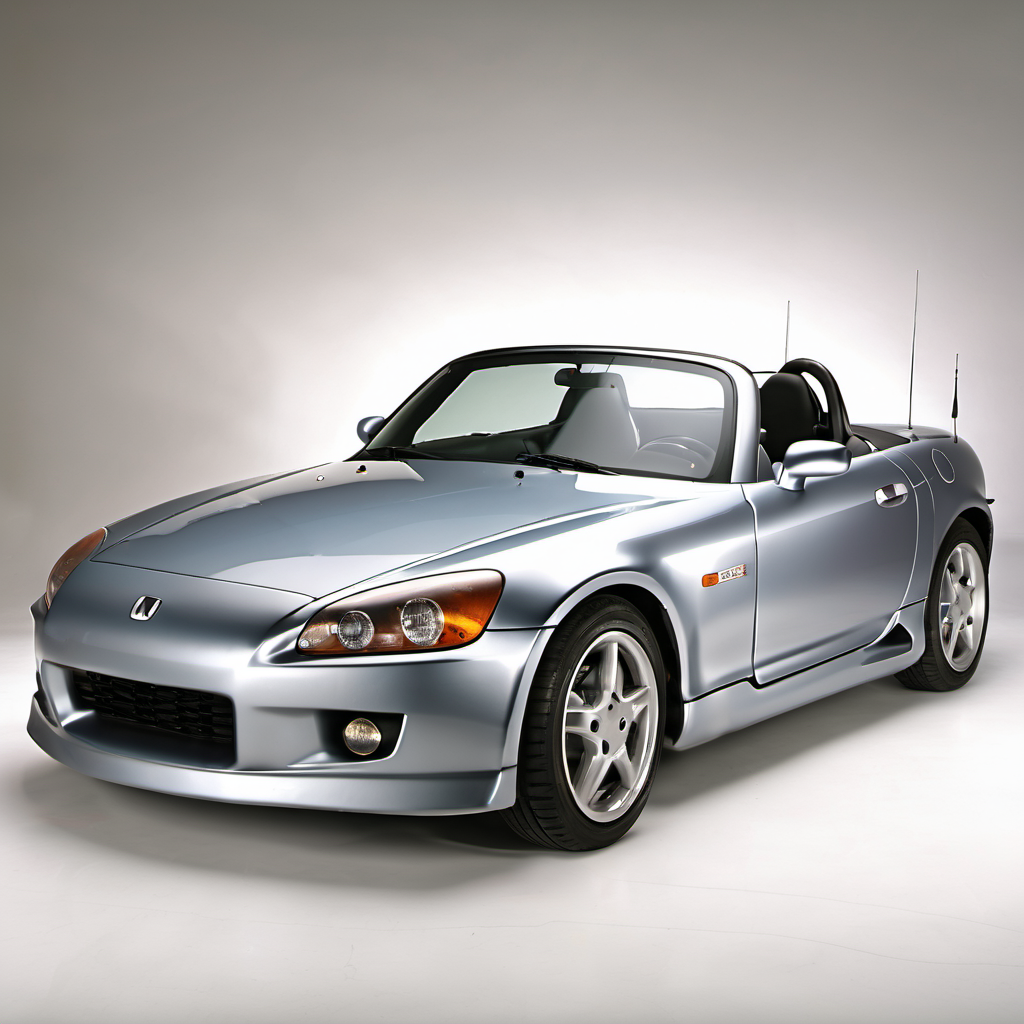
Also a two-seat RWD roadster, higher-revving and more aggressive, but heavier on the wallet to maintain and harder to find clean. A step up in driving intensity.
Lighter, mid-engined two-seater in a similar price bracket. Production ended in 2005 so comparable used examples exist. Parts are harder to find than Miata.
No catalog match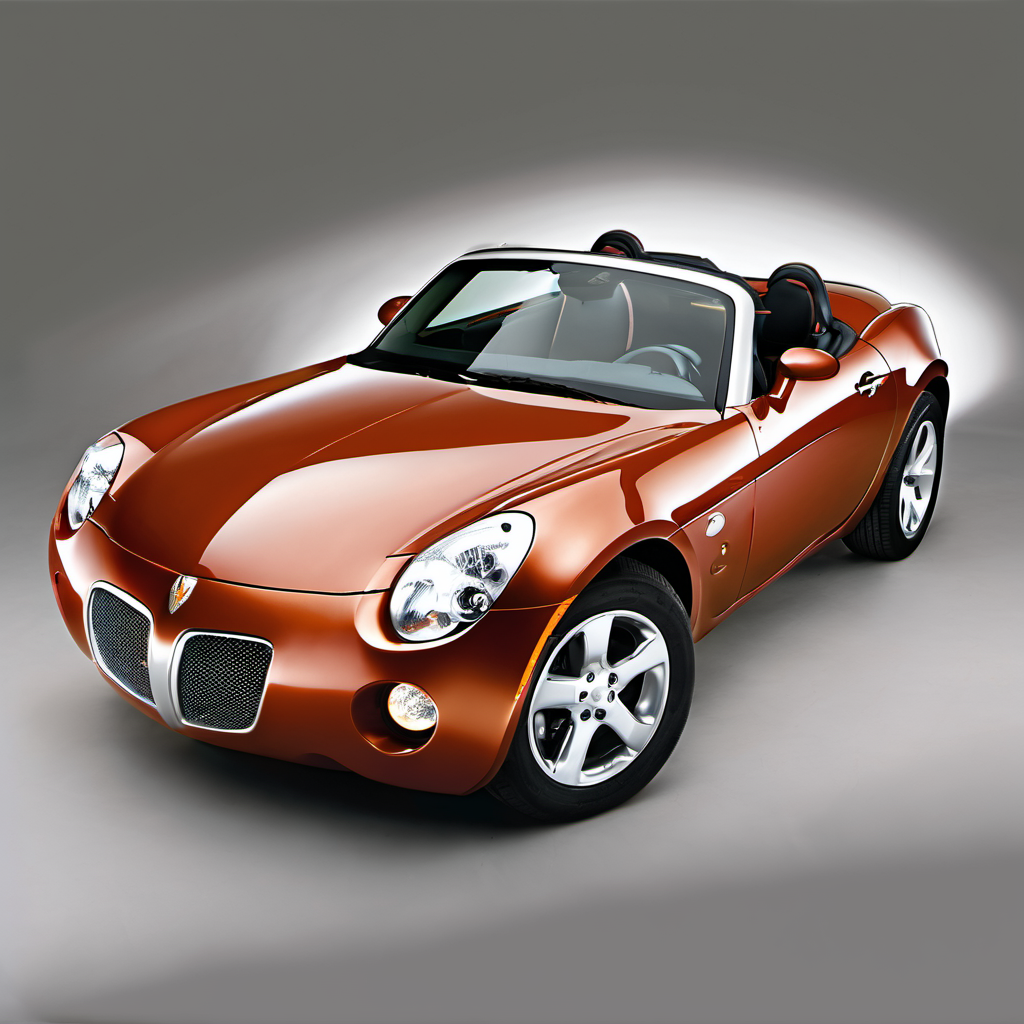
American-market roadster launched the same year, similarly priced, RWD with a 2.4L I4. Softer steering feel and less refined than the Miata; reliability is lower.
Shares the Kappa platform with the Solstice. Better interior trim than the Pontiac but same mechanical trade-offs versus the Miata. Also discontinued, limiting parts support.
No catalog match