Intermediate Shaft (IMS) Bearing Failure
medium- Typically appears
- 50–120k mi
- Estimated repair
- $2,500 – $6,000
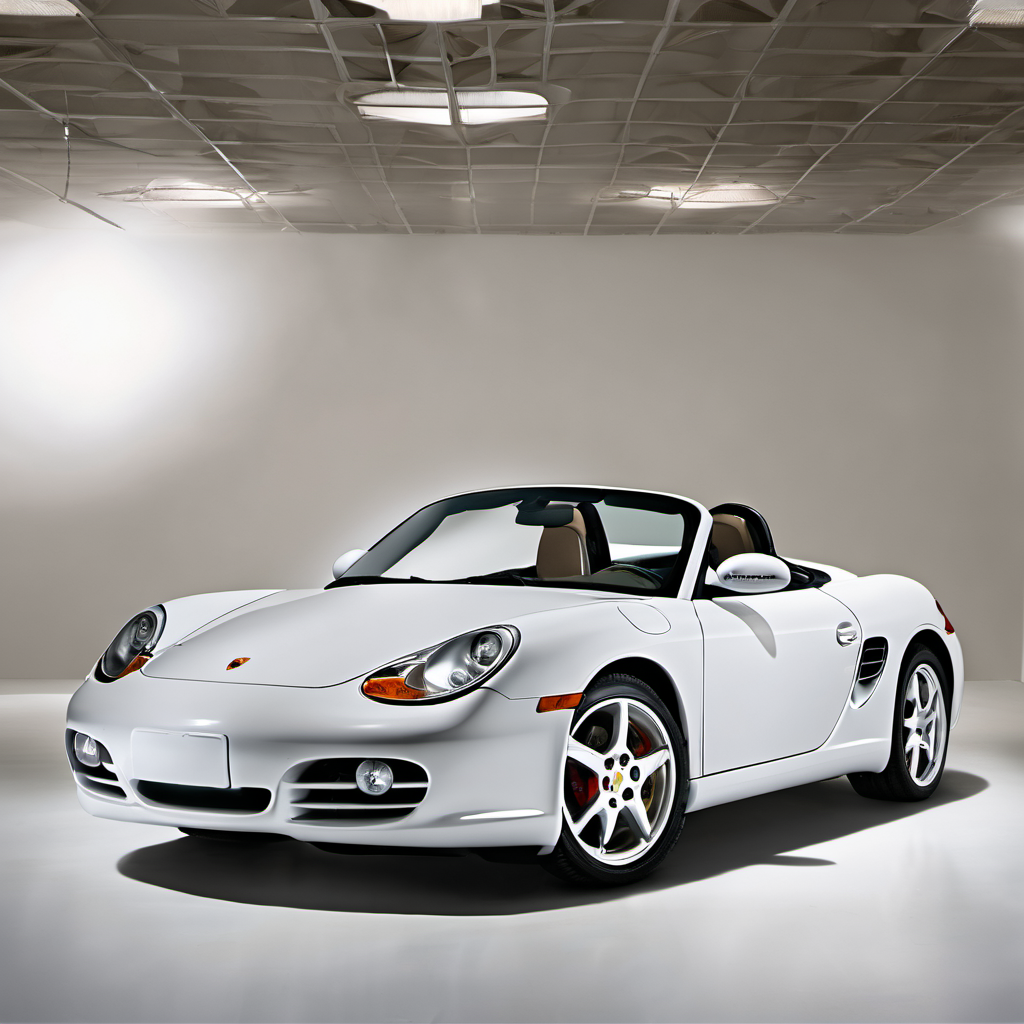
2006 Porsche
Convertible
The 2006 Porsche Boxster (987 generation) is a mid-engine, rear-wheel-drive roadster that earns its reputation as one of the most balanced sports cars ever built. The mid-engine layout puts the flat-six behind the seats and ahead of the rear axle, giving it near-perfect 50/50 weight distribution that few cars at any price match. The base 2.7L engine produces 240 hp — adequate but not blistering — while the S model's 3.2L bumps that to 280 hp. Both benefit from Porsche's VarioCam Plus variable valve timing. The 987 Boxster refined everything that made the 986 generation desirable and quietly fixed most of its demons. Build quality is excellent for a 2006 sports car, and the driving dynamics remain a benchmark even by today's standards. The folding soft top is electric and reliable when maintained, and the cabin, while dated, is functional and focused. Owning one in Lake Geneva means accepting that this is a fair-weather car for most owners — the low ground clearance, summer-oriented tires, and soft top all argue against year-round Wisconsin driving. Maintenance costs are real: this is a German performance car that expects premium fuel, specific oil, and scheduled servicing. Do it right and it will reward you with 150k+ miles of genuine driving pleasure.
The 2006 Porsche Boxster (987 generation) is a mid-engine, rear-wheel-drive roadster that earns its reputation as one of the most balanced sports cars ever built. The mid-engine layout puts the flat-six behind the seats and ahead of the rear axle, giving it near-perfect 50/50 weight distribution that few cars at any price match. The base 2.7L engine produces 240 hp — adequate but not blistering — while the S model's 3.2L bumps that to 280 hp. Both benefit from Porsche's VarioCam Plus variable valve timing. The 987 Boxster refined everything that made the 986 generation desirable and quietly fixed most of its demons. Build quality is excellent for a 2006 sports car, and the driving dynamics remain a benchmark even by today's standards. The folding soft top is electric and reliable when maintained, and the cabin, while dated, is functional and focused. Owning one in Lake Geneva means accepting that this is a fair-weather car for most owners — the low ground clearance, summer-oriented tires, and soft top all argue against year-round Wisconsin driving. Maintenance costs are real: this is a German performance car that expects premium fuel, specific oil, and scheduled servicing. Do it right and it will reward you with 150k+ miles of genuine driving pleasure.
IMS bearing lubrication depends on clean oil. Extended intervals on a used engine accelerate bearing and cam wear. This is the single highest-ROI maintenance item on this car.
A failed AOS pushes oil vapor into the intake and causes fouled plugs, rough idle, and accelerated engine wear. Cheap to fix proactively, expensive to chase after the fact.
The plastic-to-metal coolant pipes corrode from the inside out. A slow weep becomes a catastrophic overheat quickly. Catching it early is a $100–300 fix; catching it after an overheat can be a $10,000 engine.
Mid-engine access is labor-intensive on the Boxster. Don't defer plugs — worn plugs stress the ignition coils and can cause misfires that damage the catalytic converters.
Porsche specifies 2-year intervals. High-performance brake systems generate heat that degrades moisture-contaminated fluid. Non-negotiable on a car used for spirited driving.
Wisconsin winters are hard on rubber. Weatherstrips that dry-crack let water into the cabin and onto electronics. Hydraulic cylinder seals benefit from being cycled and lubricated before sitting unused.
Low-profile performance tires lose ~1 PSI per 10°F drop. Lake Geneva winters will drop pressures significantly, affecting handling and wear — critical on a car this sensitive to tire condition.
Most Boxsters in Wisconsin are stored October–April. A discharged battery over winter kills the PCM and radio memory, stresses the battery, and can prevent the convertible top from operating. Use a quality trickle charger/tender during storage.
Always defer to the manufacturer's service manual for warranty-mandated intervals.
A well-maintained 2006 Boxster is not a cheap car to own but it is a manageable one if you budget honestly. Routine annual costs (oil, fluids, tires, insurance, premium fuel) run $3,500–$5,500. The wildcard is deferred maintenance — a car that hasn't had the AOS, coolant pipes, or IMS addressed can drop a $3,000–$8,000 repair bill in year one. Pre-purchase inspection by a Porsche-experienced independent shop is money very well spent.
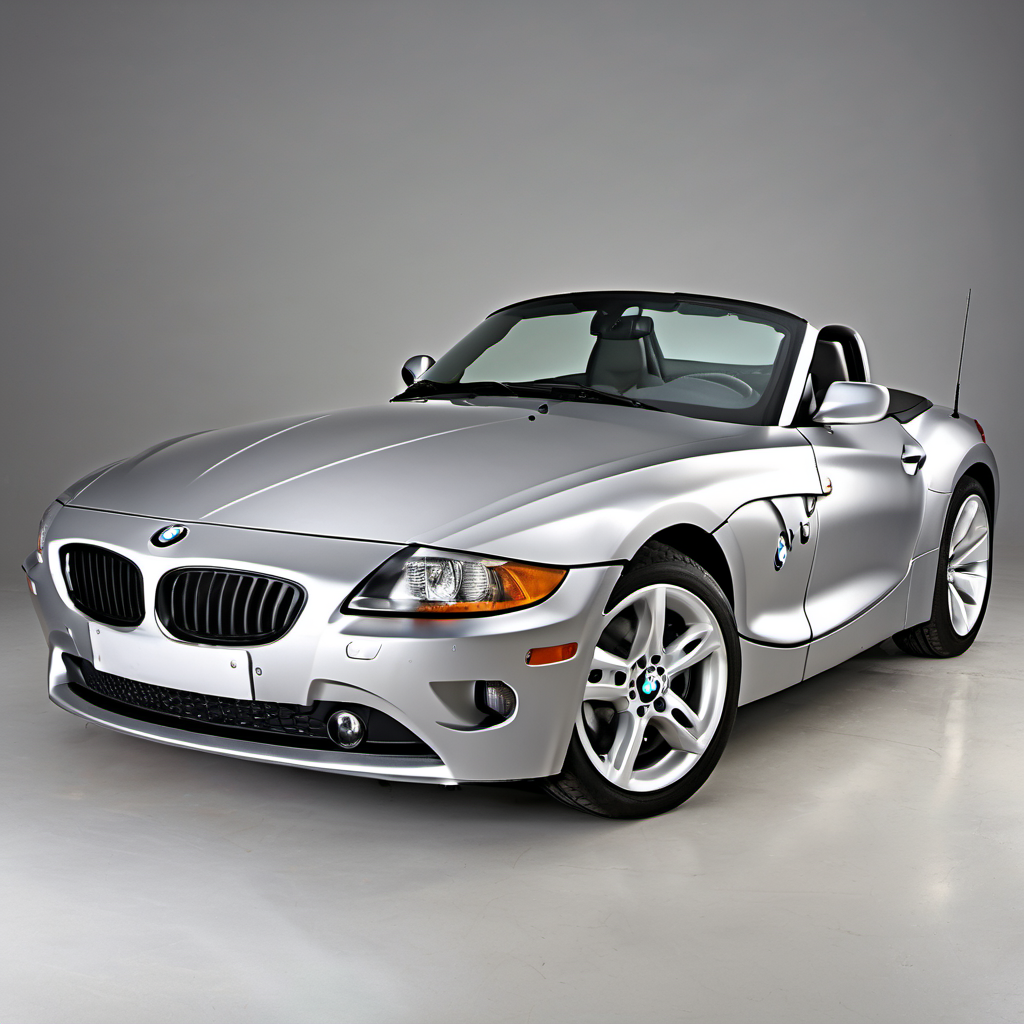
Same segment, similar price point used, RWD roadster with German engineering. Less exotic, parts slightly easier to source in the Midwest, but similar maintenance cost expectations.
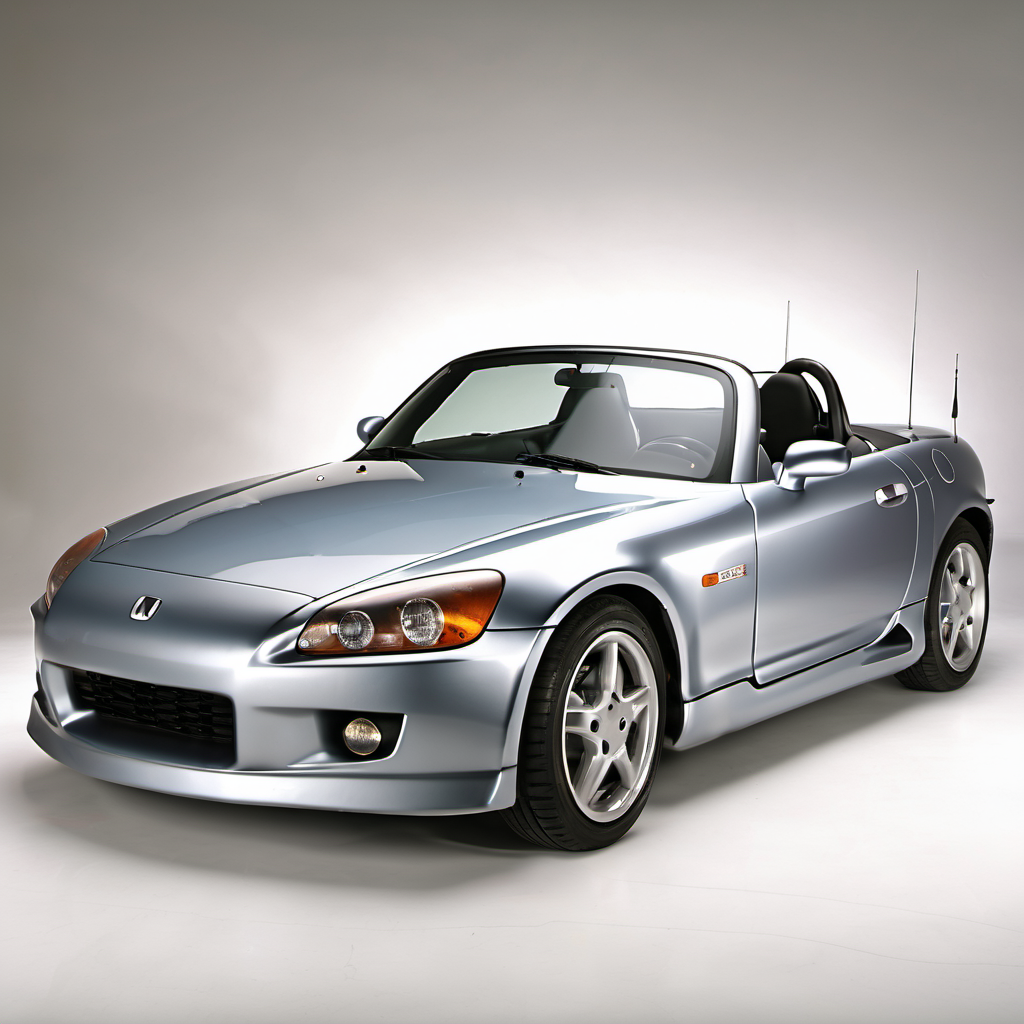
RWD roadster with a high-revving engine, excellent driving dynamics, and significantly lower long-term maintenance costs. Less refinement, no frunk, but far cheaper to keep running.
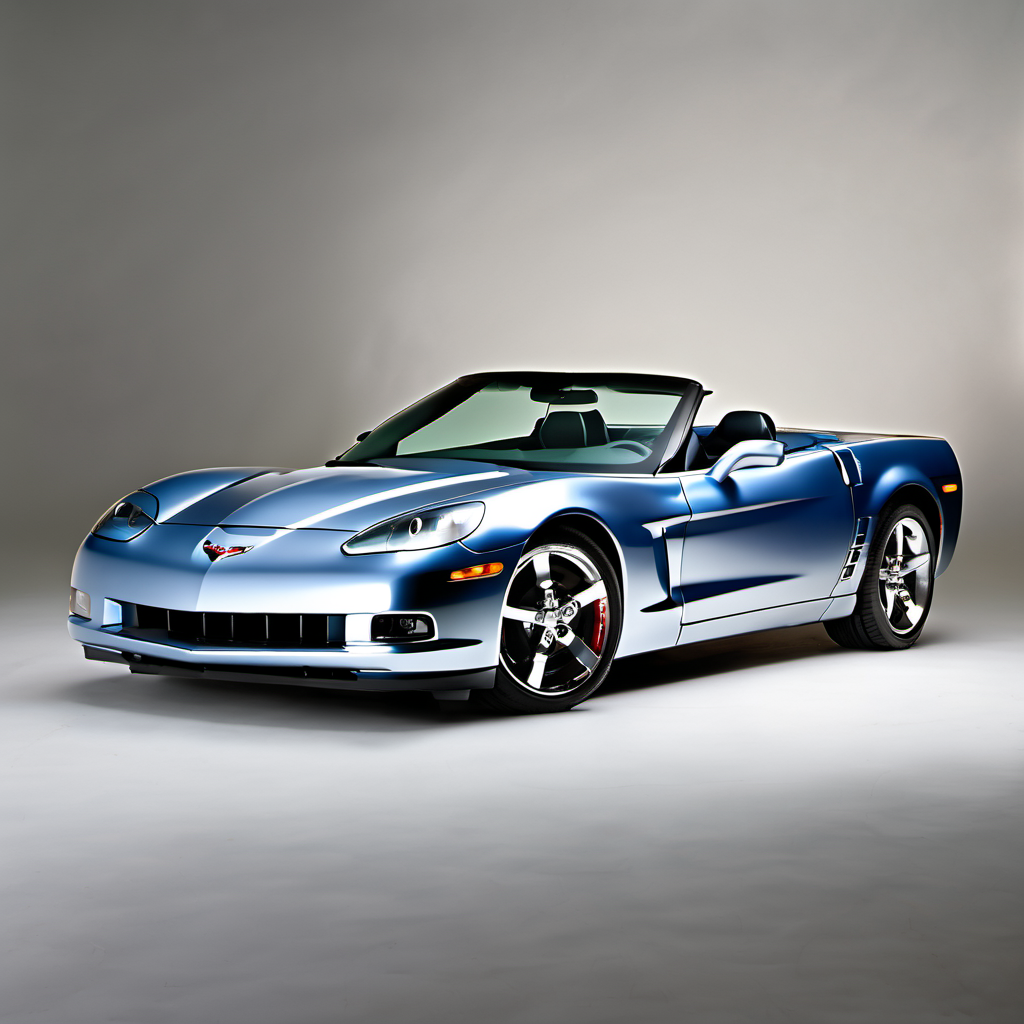
More power, more practicality, and notably lower ownership costs for a sports car at this performance level. Convertible available. Better cold-weather parts support in the Midwest.
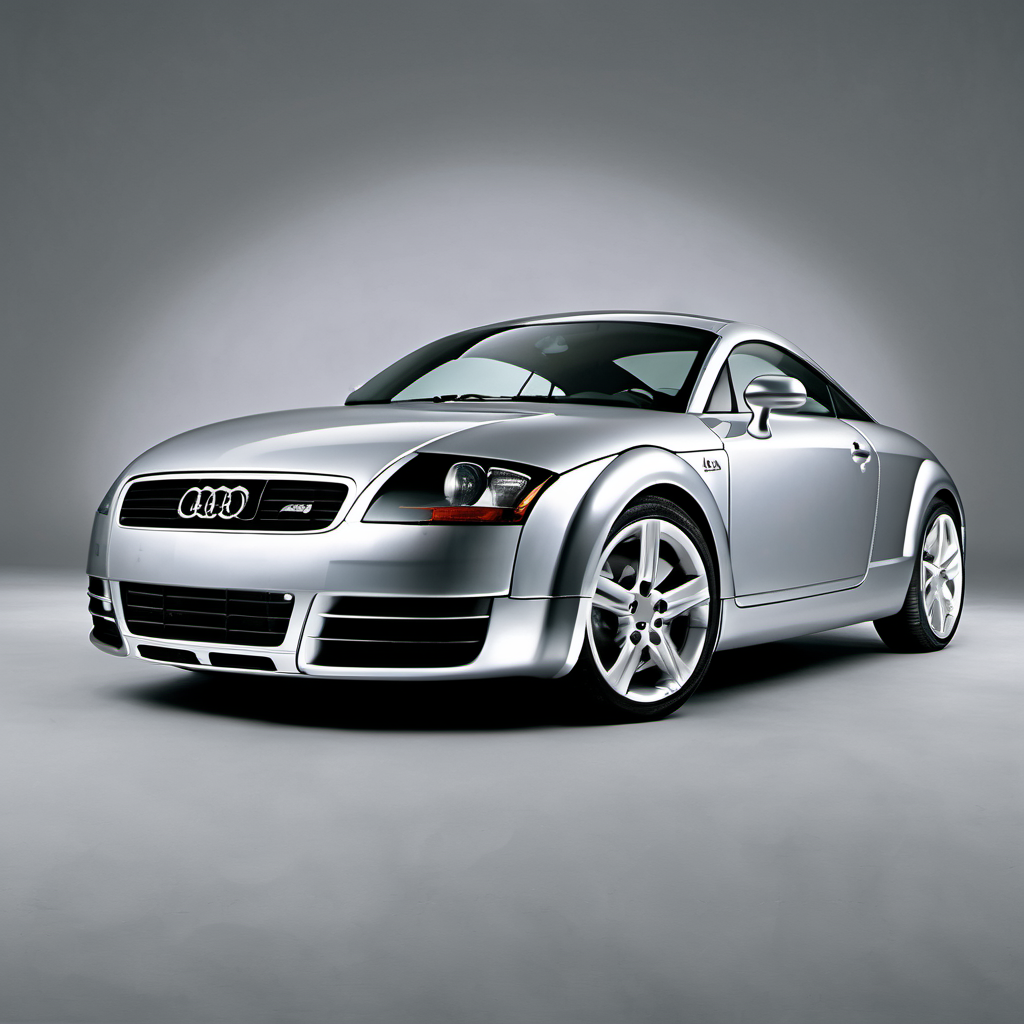
German sports coupe/roadster with AWD option for better Wisconsin usability. Less driver-focused than the Boxster but more livable year-round and somewhat easier to service locally.