VANOS (Variable Valve Timing) System Failure
high- Typically appears
- 60–120k mi
- Estimated repair
- $600 – $1,800
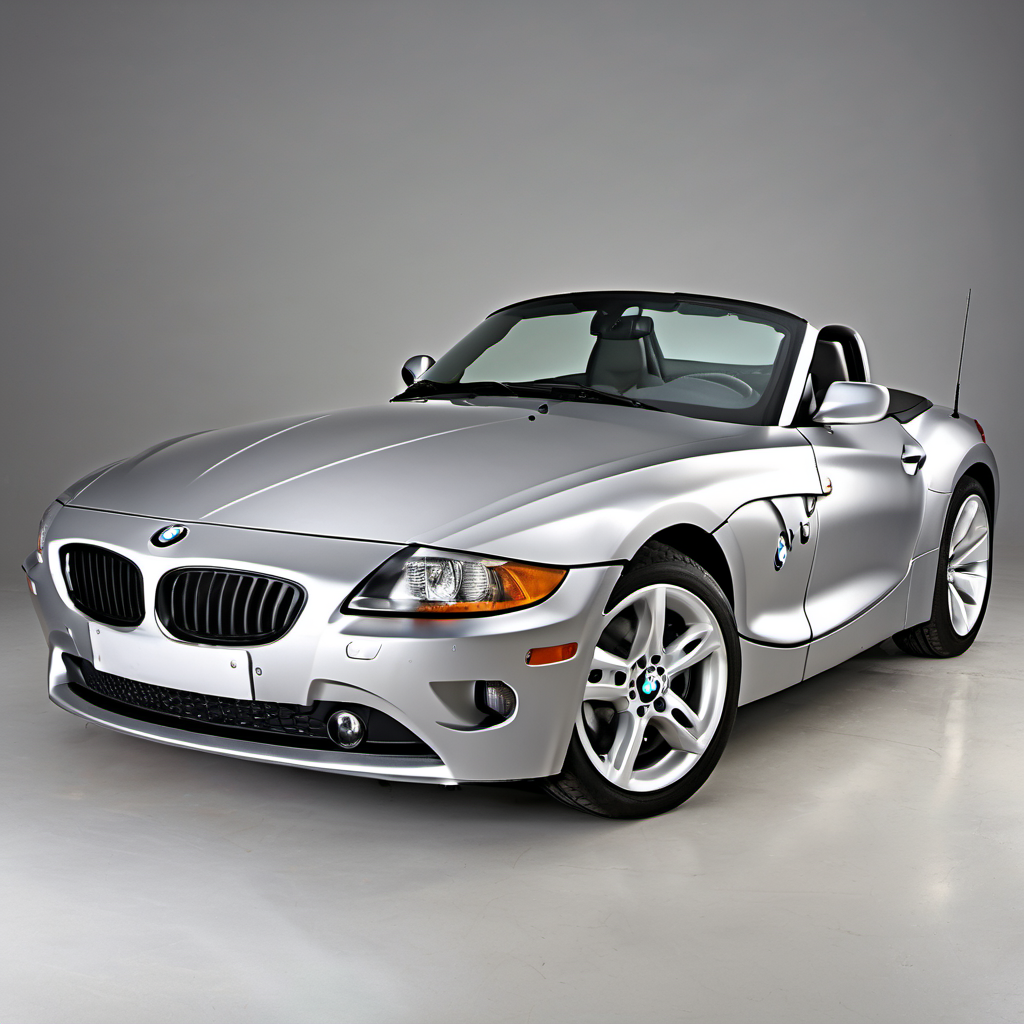
2006 BMW
Convertible
The 2006 BMW Z4 is a rear-wheel-drive two-seat roadster built on BMW's E85 platform, offered in both soft-top convertible and coupe body styles. The 3.0i and 3.0si trims carry inline-six engines that deliver a rewarding, driver-focused experience with strong throttle response and near-50/50 weight distribution. By 2006, BMW had refined the Z4 from its 2003 introduction, and the si variant introduced that year brought a higher-revving naturally aspirated straight-six with DOHC variable valve timing on both camshafts. This is emphatically a driver's car, not a grand tourer. The cabin is tight, cargo space is minimal, and premium fuel is non-negotiable. Maintenance costs run higher than average — parts and labor on a BMW inline-six require a dedicated budget and preferably a shop familiar with the brand. For a Lake Geneva-area owner, the Z4 is a three-season car at best. The RWD chassis and relatively low ground clearance make it a poor choice for Wisconsin winters, and salt exposure can accelerate underbody corrosion. Most owners store it November through April and enjoy it the rest of the year.
The 2006 BMW Z4 is a rear-wheel-drive two-seat roadster built on BMW's E85 platform, offered in both soft-top convertible and coupe body styles. The 3.0i and 3.0si trims carry inline-six engines that deliver a rewarding, driver-focused experience with strong throttle response and near-50/50 weight distribution. By 2006, BMW had refined the Z4 from its 2003 introduction, and the si variant introduced that year brought a higher-revving naturally aspirated straight-six with DOHC variable valve timing on both camshafts. This is emphatically a driver's car, not a grand tourer. The cabin is tight, cargo space is minimal, and premium fuel is non-negotiable. Maintenance costs run higher than average — parts and labor on a BMW inline-six require a dedicated budget and preferably a shop familiar with the brand. For a Lake Geneva-area owner, the Z4 is a three-season car at best. The RWD chassis and relatively low ground clearance make it a poor choice for Wisconsin winters, and salt exposure can accelerate underbody corrosion. Most owners store it November through April and enjoy it the rest of the year.
BMW's OBC oil service intervals can stretch to 15k miles, but upper Midwest temperature swings and short-trip driving degrade oil faster. A shorter interval protects the VANOS system, which is highly sensitive to oil quality and pressure. Requires a fluted cap wrench for the filter housing; drain plug torque is 25 ft-lb.
Plastic cooling components (expansion tank, thermostat housing, water pump impeller) are a known weak point on the M54/N52. Old coolant becomes acidic and accelerates plastic degradation. Catching a weeping expansion tank early prevents an overheating event that can warp the head.
The inline-six runs efficiently on factory iridium plugs up to this interval. Worn plugs on a direct-injection engine can contribute to rough idle and increased VANOS-related codes.
BMW specifies a 2-year interval because brake fluid is hygroscopic. In Wisconsin's freeze-thaw cycles, moisture-laden fluid can cause brake fade and ABS/DSC fault codes.
Cold storage stiffens top seals and can cause micro-cracking. Inspect seals for gaps and check hydraulic fluid level each spring. Catching a small seal leak early prevents water intrusion into the cabin and electrical issues.
BMW calls these 'lifetime' fluids, but at 18+ years old this vehicle benefits from a fluid refresh to protect the gearbox and rear differential, especially given Wisconsin's temperature extremes.
The small screens on the VANOS solenoid valves trap sludge and restrict oil flow, causing timing codes. Cleaning or replacing these screens is inexpensive and often resolves P0012/P0015/P0022/P0025 codes before a full VANOS rebuild is needed.
If this car has ever been driven on salted Wisconsin roads, inspect the rear subframe mounting points, jack pads, and wheel arch lips for rust. Treat bare metal promptly — subframe rust is expensive and structurally important on the Z4.
Always defer to the manufacturer's service manual for warranty-mandated intervals.
The Z4 is affordable to buy used but carries real ongoing costs. Routine maintenance (oil, brakes, filters) runs $900–$1,200 in a normal year. Add in the near-inevitable cooling system refresh, VANOS solenoid service, or a convertible top repair and a single-year bill of $2,000+ is common. Budget for a major service every 2–3 years. This is not a car for owners expecting Toyota-level maintenance economics.
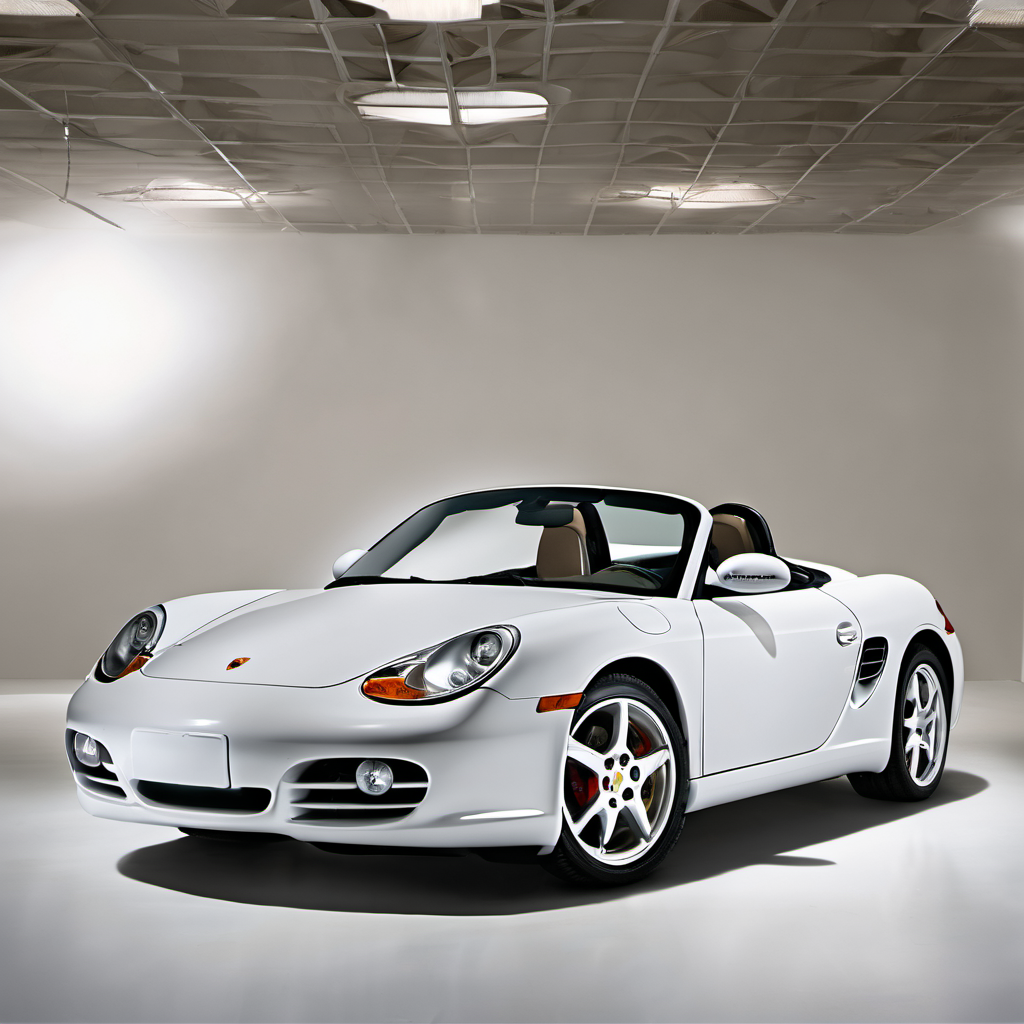
Same two-seat RWD roadster segment, similar price band used, better overall reliability reputation but even higher parts cost. Mid-engine layout gives a handling edge.
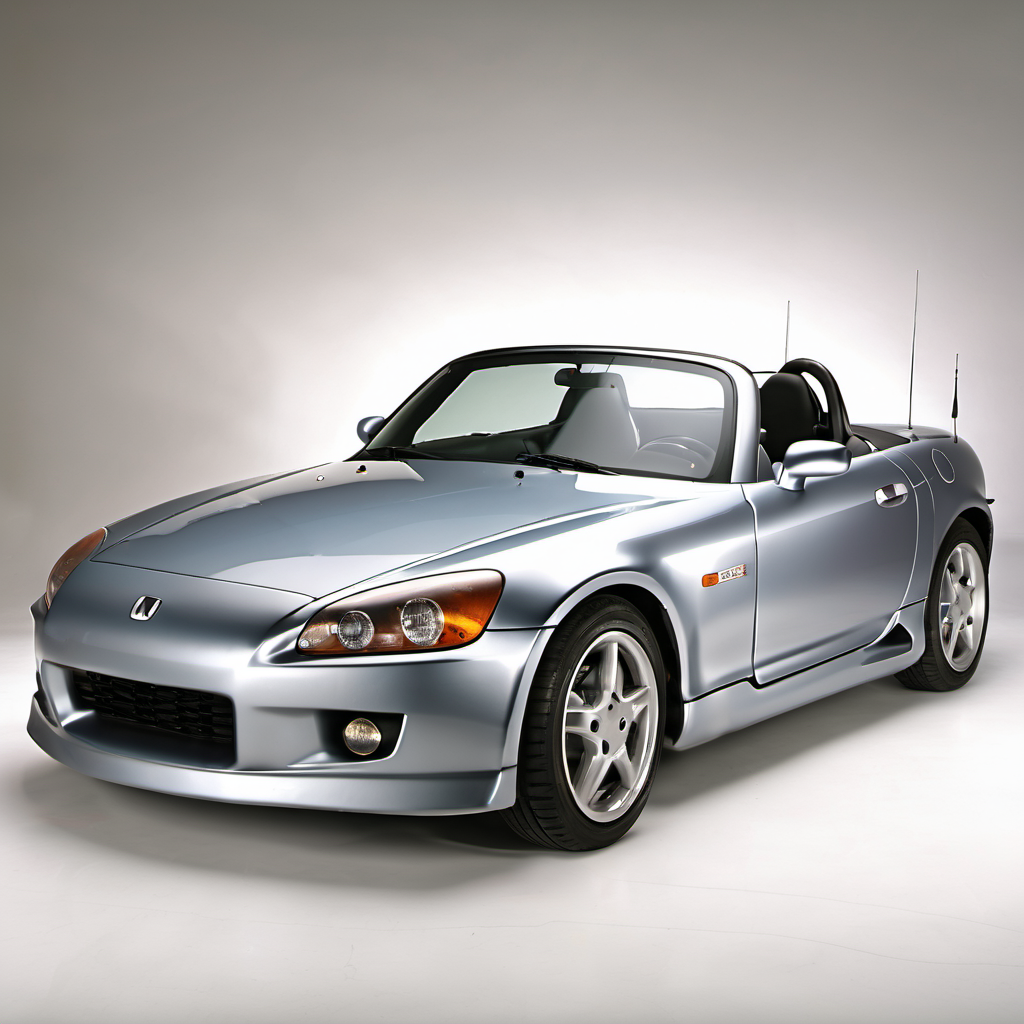
Two-seat RWD roadster with a legendary naturally aspirated inline-four. Cheaper to maintain, more reliable long-term, but less torque low in the rev range and a spartan cabin by comparison.
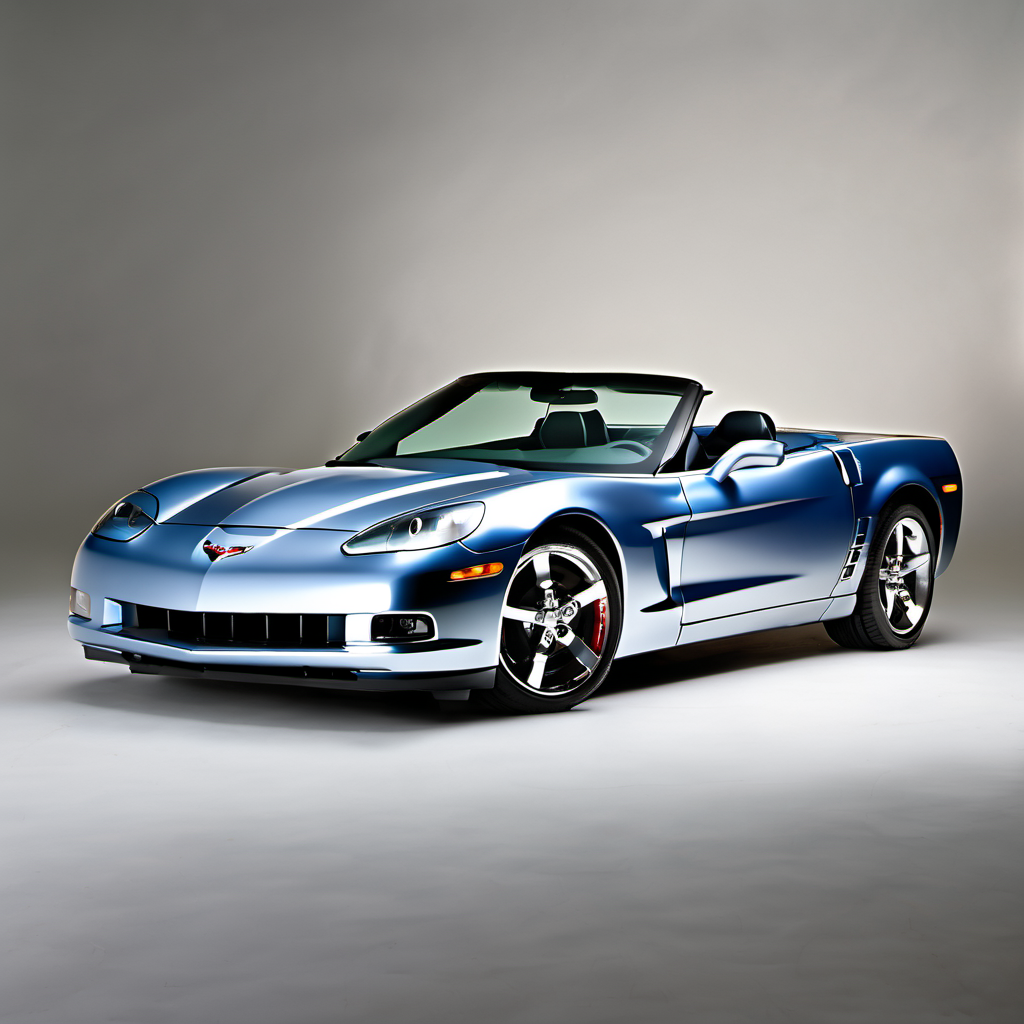
Higher performance RWD two-seater at a comparable used price. More power, better parts availability, much lower ownership cost — but a very different character and aesthetic.
RWD two-seat roadster with a retractable hardtop instead of a soft-top, similar premium positioning and price. More refined GT character, similar maintenance cost challenges.
No catalog match