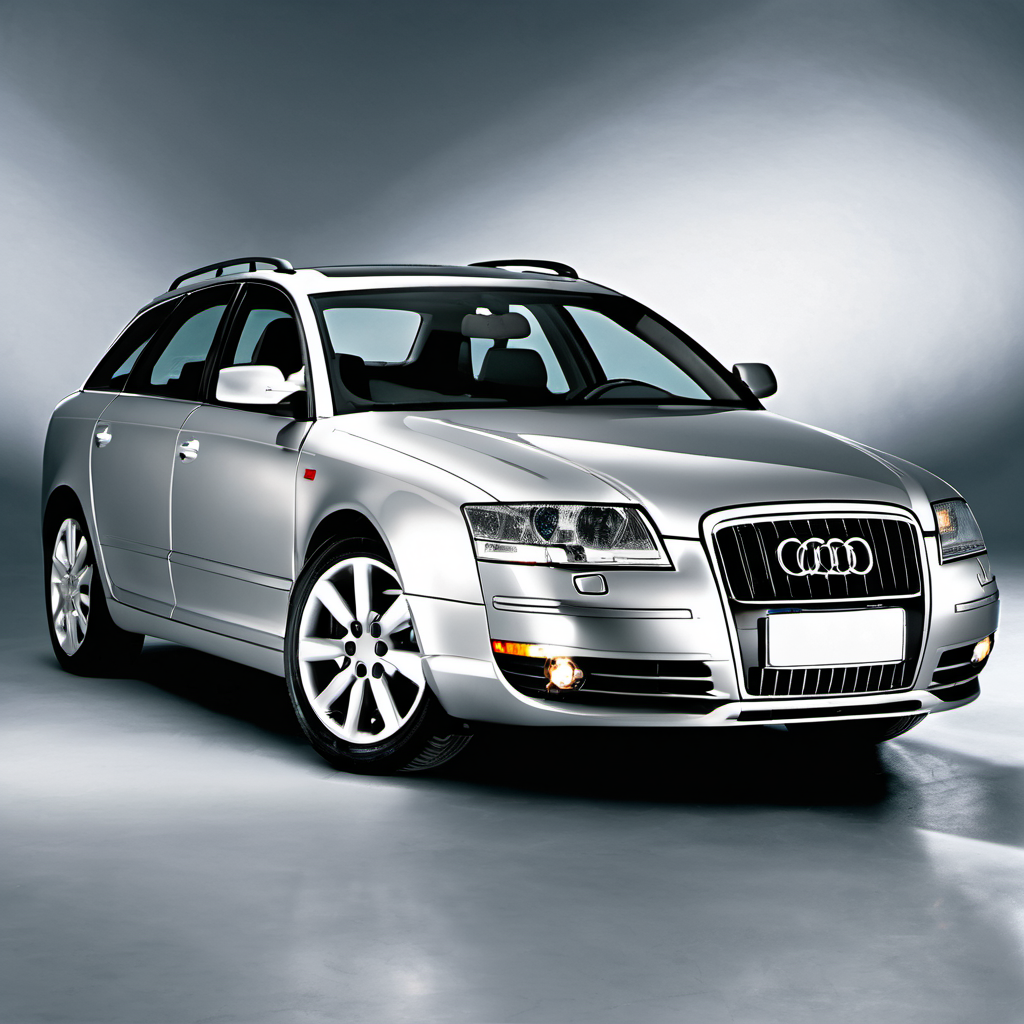
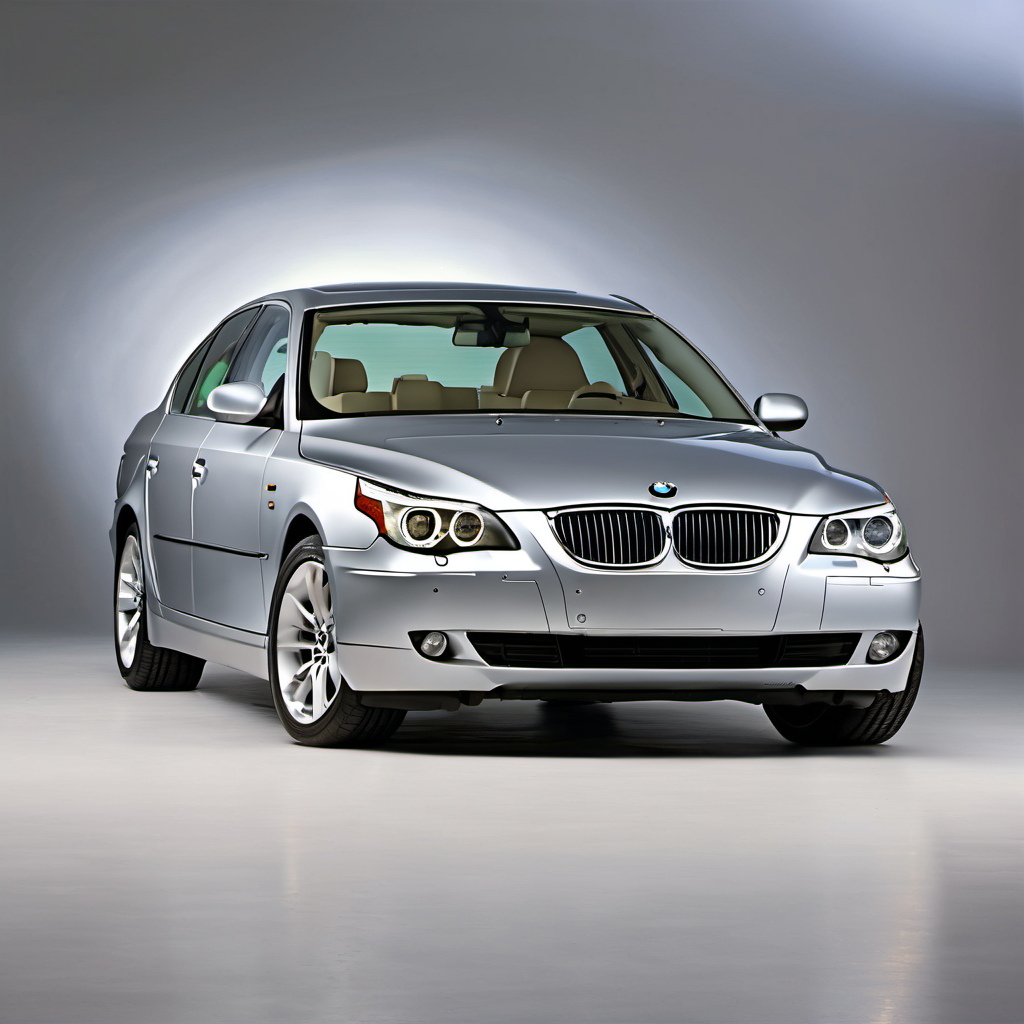
2006 Audi A6 Sedan

2006 Audi

A6Sedan

Sedan

The 2006 Audi A6 is a mid-size German luxury sedan built on Audi's C6 platform, sharing underpinnings with the Volkswagen Phaeton and Porsche Cayenne of its era. The FWD 3.2L V6 version (EPA-rated 3.1L displacement class) was the entry point into the C6 lineup, offering a refined, quiet cabin, sharp European styling, and a long list of standard technology — adaptive xenon headlights, MMI infotainment, and available air suspension among them. On the road the A6 feels planted and composed, with steering precision that outclasses most domestic competitors. The interior quality and fit are genuinely impressive for a nearly 20-year-old car, and many examples from this generation still look and feel premium when maintained properly. The honest caveat: this is a complex German luxury car. Repair costs at independent shops are substantially higher than a comparable domestic sedan, and several known weak points — timing chain tensioners, the multitronic CVT on earlier FWD versions, and electronic gremlins — demand that buyers and owners stay ahead of the maintenance curve. A well-kept example is a pleasure to own; a neglected one becomes expensive quickly.

Reliability
2/5
Verified data
Specs shown for A6 — the most common configuration. Other trims may vary in engine, drivetrain, or fuel economy. Sign in to see your vehicle's exact specs.
Engine
[object Object]
Drivetrain
FWD
Fuel
Premium gasoline
MPG
18 city / 27 hwy / 21 combined
Seats
Doors
Body
Midsize Cars

Overview

AI-curated

The 2006 Audi A6 is a mid-size German luxury sedan built on Audi's C6 platform, sharing underpinnings with the Volkswagen Phaeton and Porsche Cayenne of its era. The FWD 3.2L V6 version (EPA-rated 3.1L displacement class) was the entry point into the C6 lineup, offering a refined, quiet cabin, sharp European styling, and a long list of standard technology — adaptive xenon headlights, MMI infotainment, and available air suspension among them. On the road the A6 feels planted and composed, with steering precision that outclasses most domestic competitors. The interior quality and fit are genuinely impressive for a nearly 20-year-old car, and many examples from this generation still look and feel premium when maintained properly. The honest caveat: this is a complex German luxury car. Repair costs at independent shops are substantially higher than a comparable domestic sedan, and several known weak points — timing chain tensioners, the multitronic CVT on earlier FWD versions, and electronic gremlins — demand that buyers and owners stay ahead of the maintenance curve. A well-kept example is a pleasure to own; a neglected one becomes expensive quickly.

Known for
  • Refined, quiet cabin with genuinely premium interior materials
  • Sharp, confident handling for a full-size luxury sedan
  • Complex engineering — rewarding when maintained, costly when ignored
  • Strong 3.2L V6 with good highway performance
  • Available Audi MMI system with navigation and adaptive cruise
Best for
  • Drivers who want European luxury on a used-car budget
  • Highway commuters who prioritize ride comfort and cabin refinement
  • Owners who are comfortable with independent European-shop maintenance
  • Those who enjoy the driver-focused feel of a German executive sedan
Watch for
  • Timing chain and VVT system issues on high-mileage engines
  • Expensive electronic and suspension repairs (air suspension optional on this gen)
  • CVT (Multitronic) transmission on FWD models — known for high-mileage failures
  • High cost of OEM parts; even routine items cost more than domestic equivalents
  • Rodent damage to wiring harness — common in Lake Geneva-area storage

Common issues by mileage

6 known

Multitronic CVT Slipping or Failure (FWD models)

high
Typically appears
90–150k mi
Estimated repair
$2,500 – $6,500

Secondary Air Injection (Smog Pump) Failure

medium
Typically appears
60–100k mi
Estimated repair
$400 – $900

Oxygen / A/F Sensor Heater Circuit Fault

medium
Typically appears
70–120k mi
Estimated repair
$150 – $450

Front Suspension / Control Arm Bushing Wear

medium
Typically appears
80–120k mi
Estimated repair
$600 – $1,400

Maintenance schedule

  1. 1
    Every 5,000 miles or 1 year — do not stretch to OLM limits on used examples Oil and filter change using full-synthetic VW 502.00 / 503.01 spec oil

    The 3.2L V6's VVT system relies on oil pressure and cleanliness; dirty oil accelerates timing chain tensioner wear and solenoid clogging — the most expensive failure on this engine.

  2. 2
    Every 30,000 miles Multitronic CVT fluid service

    Audi originally called this fluid 'lifetime' — it is not. Fresh CVT fluid is the single best thing you can do to extend transmission life on FWD models. Use only Audi/VW-approved ATF.

  3. 3
    Every 40,000 miles or at first sign of hard cold starts Inspect and test secondary air injection pump and check valves

    Check valves fail first and allow moisture back into the pump. Catching a $30 check valve early prevents a $600+ pump replacement.

  4. 4
    Every 2 years or 30,000 miles Coolant system flush using G13 or G12++ approved coolant

    Mixing coolant types causes silicate dropout that clogs the small-bore passages in this engine's cooling system. Use only the correct Audi-spec coolant.

  5. 5
    Every fall before first freeze Test battery load and inspect terminals for corrosion

    The A6's dense electronics (MMI, comfort module, alarm) continuously draw current. A marginal battery causes cascading module communication faults (U-codes) in cold weather.

  6. 6
    Every 60,000 miles or with any VVT-related DTC Inspect camshaft adjuster solenoid screens for sludge

    Fine mesh screens on the VVT solenoids clog with oil sludge, causing timing over-retard codes (P0012, P0015, P0022, P0025) that look expensive but sometimes resolve with a screen cleaning.

  7. 7
    Every 2 years Inspect brake fluid moisture content and flush if above 3%

    Wisconsin winters and frequent temperature swings accelerate moisture absorption in brake fluid. Audi's high-performance calipers are sensitive to boil-over from degraded fluid.

  8. 8
    Every spring and fall Inspect underbody and wheel well liners for road salt accumulation and wash off

    Lake Geneva roads are heavily salted. Trapped salt behind liners and on subframe mounting points causes accelerated rust on this aluminum-intensive but still steel-subframe platform.

Always defer to the manufacturer's service manual for warranty-mandated intervals.

Cost of ownership

Annual maintenance
$1,200 – $3,000
Fuel
Requires premium unleaded (91 octane minimum). At 21 MPG combined and ~15,000 miles/year, expect $2,000–$2,600/year at current Wisconsin pump prices for premium.
Insurance
Typically $1,400–$2,000/year for a 2006 model in the Lake Geneva area, varying significantly by driver history and coverage level.

A 2006 A6 in good condition costs $1,200–$3,000/year in routine maintenance at an independent shop — more than a Toyota Camry but reasonable for the segment. The risk is a single large repair (CVT replacement, major suspension work, or a timing chain job) that can run $2,500–$6,500 and wipe out years of savings. A pre-purchase inspection and strict adherence to oil change and CVT service intervals are the best financial protection.
Seasonal care

Lake Geneva, WI
Winter
  • Test battery load capacity every fall — cold cranking amps drop fast below 10°F and the A6's electronics are unforgiving of a weak battery; replace any battery testing below 70% CCA.
  • Switch to a full-synthetic 0W-40 VW 502.00-spec oil before winter for easier cold starts and faster VVT oil pressure buildup.
  • Fill washer fluid reservoir with -20°F or colder rated fluid; the long hood means the reservoir empties quickly on salt-spray days.
  • Inspect wiper blades and replace with winter-style blades before November — the A6's flat windshield catches ice buildup at the base that cracks standard blade frames.
  • Rinse the undercarriage every 2 weeks during salting season, paying special attention to the subframe mounting points and control arm brackets.
  • If the vehicle sits for more than 2 weeks in extreme cold, use a trickle/maintainer charger to prevent the battery from dropping below the threshold that triggers module reset faults.
Summer
  • Check tire pressure monthly — A6 runs larger, lower-profile tires that lose pressure faster with temperature swings; under-inflation causes premature wear on expensive OEM-size rubber.
  • Inspect A/C system refrigerant level and cabin air filter before peak heat — a clogged cabin filter drastically reduces cooling performance and strains the compressor.
  • Monitor coolant temperature gauge during extended highway driving in heat; a marginal thermostat or low coolant level shows up first on hot summer days.
  • Inspect brake pad thickness — summer track-day or spirited driving on a low pad will overheat the rotors and warp them; Audi rotors are not cheap to replace.

Comparable vehicles

If you're shopping for one

Red flags
  • No transmission service records — on a Multitronic CVT, this is a near-certain future failure.
  • Any active U-codes (CAN bus / module communication) — can signal a failing gateway module, damaged wiring harness, or chronic battery drain issues.
  • Oil sludge visible on oil cap or dipstick — signals long oil change intervals that accelerate VVT and timing chain wear.
  • Mismatched or aftermarket tires in non-OEM sizes — A6 ABS and stability calibration are tuned to specific rolling diameters.
  • Evidence of underbody rust on subframe or control arm mounting points — particularly relevant for any Wisconsin-registered example that lived through multiple salt seasons.
What to inspect
  • Pull a full VAG-COM / VCDS scan — not just generic OBD-II. Audi stores proprietary codes in multiple modules (ABS, airbag, transmission, comfort) that a standard code reader misses entirely.
  • Drive the CVT (Multitronic) transmission hard from a stop and at highway merge speeds; any shudder, slip, or delayed engagement is a red flag for a $3,000+ repair.
  • Warm the engine fully and listen for timing chain rattle at cold start and at idle — a rattling chain on startup indicates worn tensioners and requires immediate attention.
  • Check all four window regulators, the sunroof, and seat adjusters — plastic regulator clips and motor failures are common and expensive on this generation.
  • Inspect the driver-side footwell carpet and the trunk spare tire well for moisture or muslin smell — sunroof drains and windshield seals are known to leak.
AI profile generated 2 hr ago · claude-sonnet-4-6 · v2.